Your shopping cart is currently empty.

€247.50
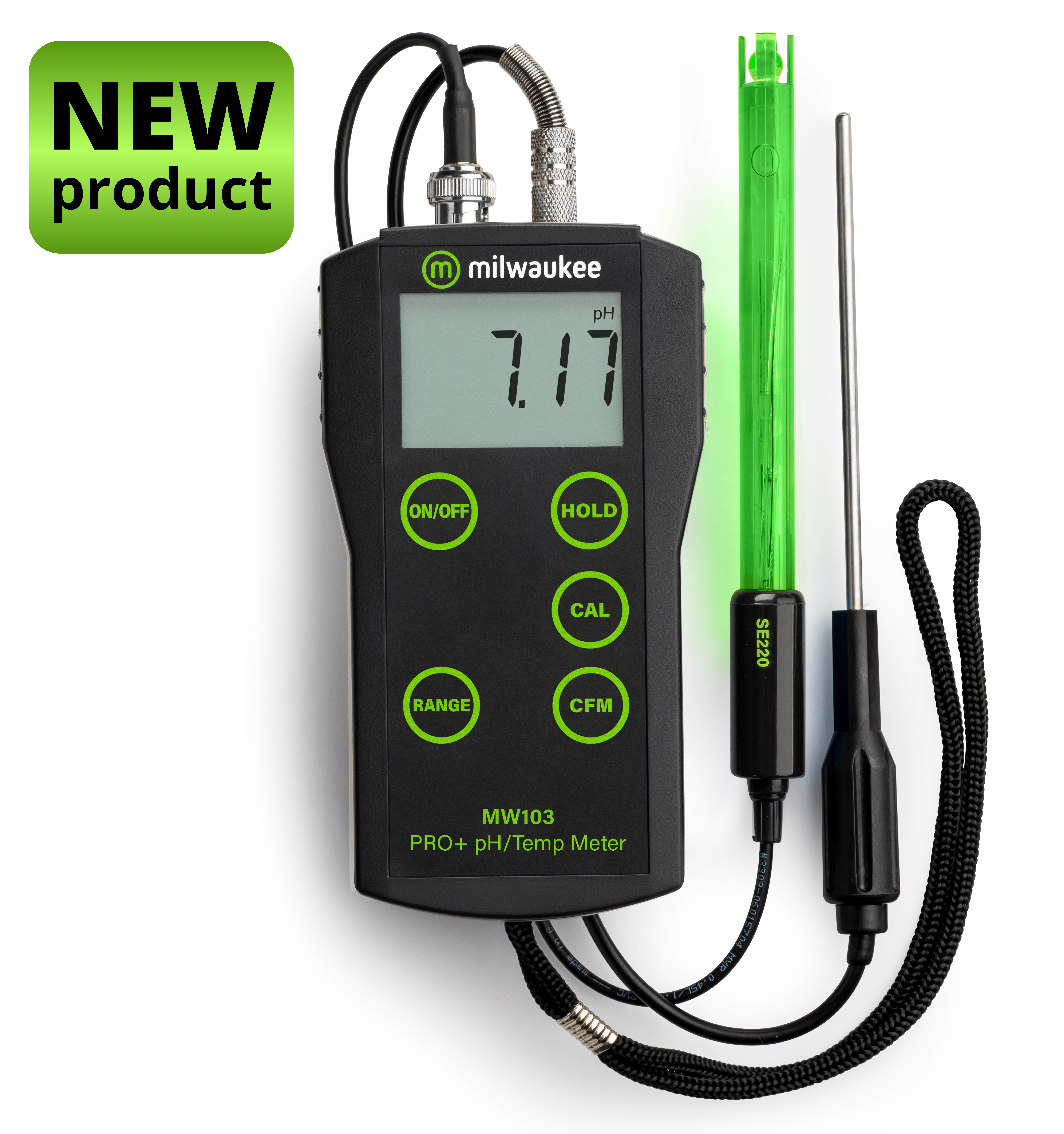
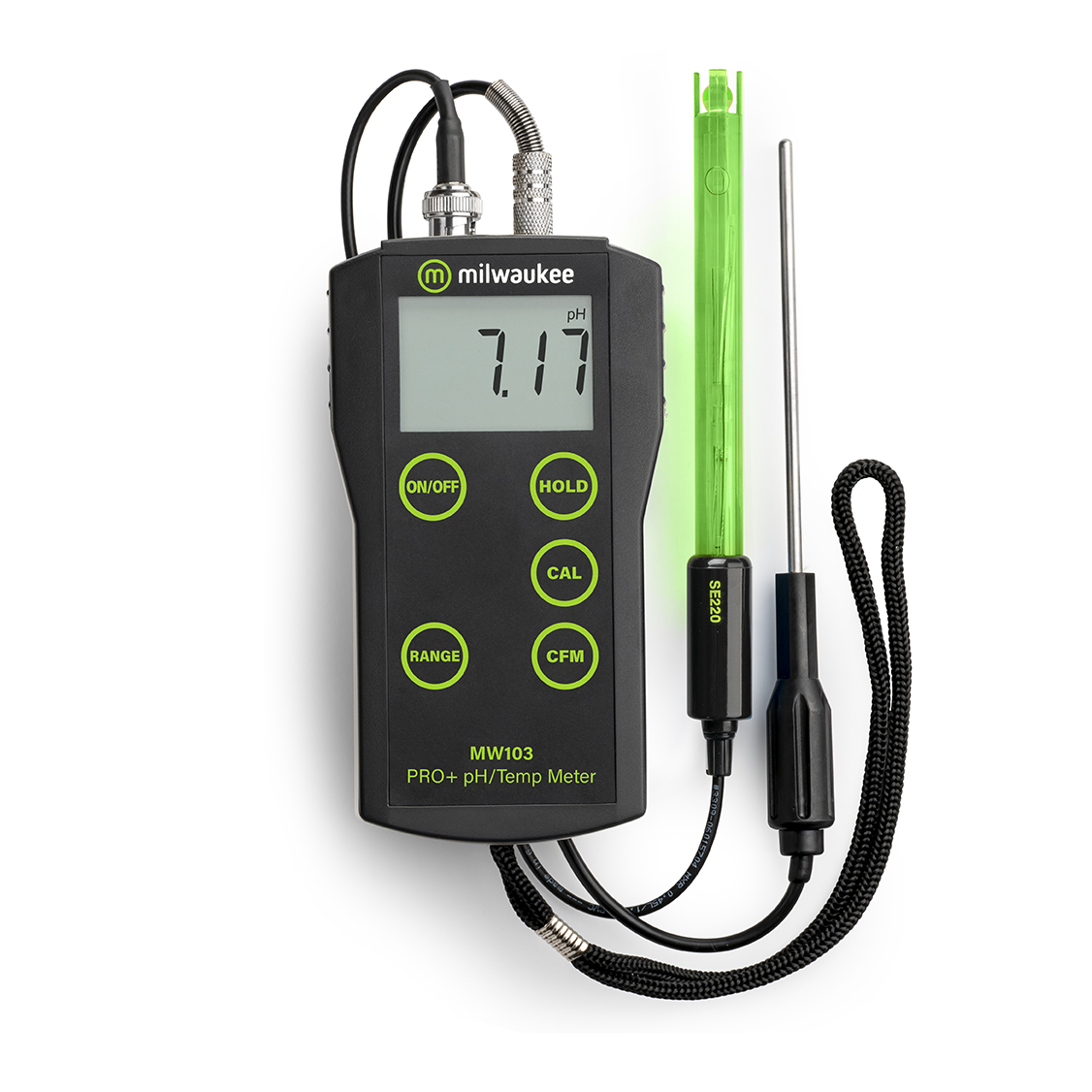
Milwaukee MW103 PRO+ Portable 2-in-1 pH/pHmV/Temperature Meter
Range: -2.00 to 16.00 pH
pHmV Range: ±200.0 mV
CALIBRATION: Automatic
Accuracy: ±0.02 pH
TEMPERATURE COMPENSATION: Automatic
Manual: Milwaukee MW103 Manual
Milwaukee MW103 PRO+ Portable pH/pHmV/Temperature Meter with ATC
Accurate pH measurement is about more than the number displayed on the screen. The reliability of every reading depends on the condition of the pH electrode behind it – and over time, contamination, ageing, a clogged junction or loss of sensitivity can affect how quickly and accurately that electrode responds.
The Milwaukee MW103 PRO+ Portable pH/pHmV/Temperature Meter is designed for users who need more insight into their pH measurements. In addition to accurate pH and temperature measurement, the MW103 PRO+ features a dedicated pHmV mode that allows you to evaluate the condition of the pH electrode itself by checking its offset and slope.
That makes the MW103 PRO+ especially useful in applications where reliable pH measurement is critical – from brewing, winemaking and hydroponics to laboratories, water treatment, food production and environmental testing.
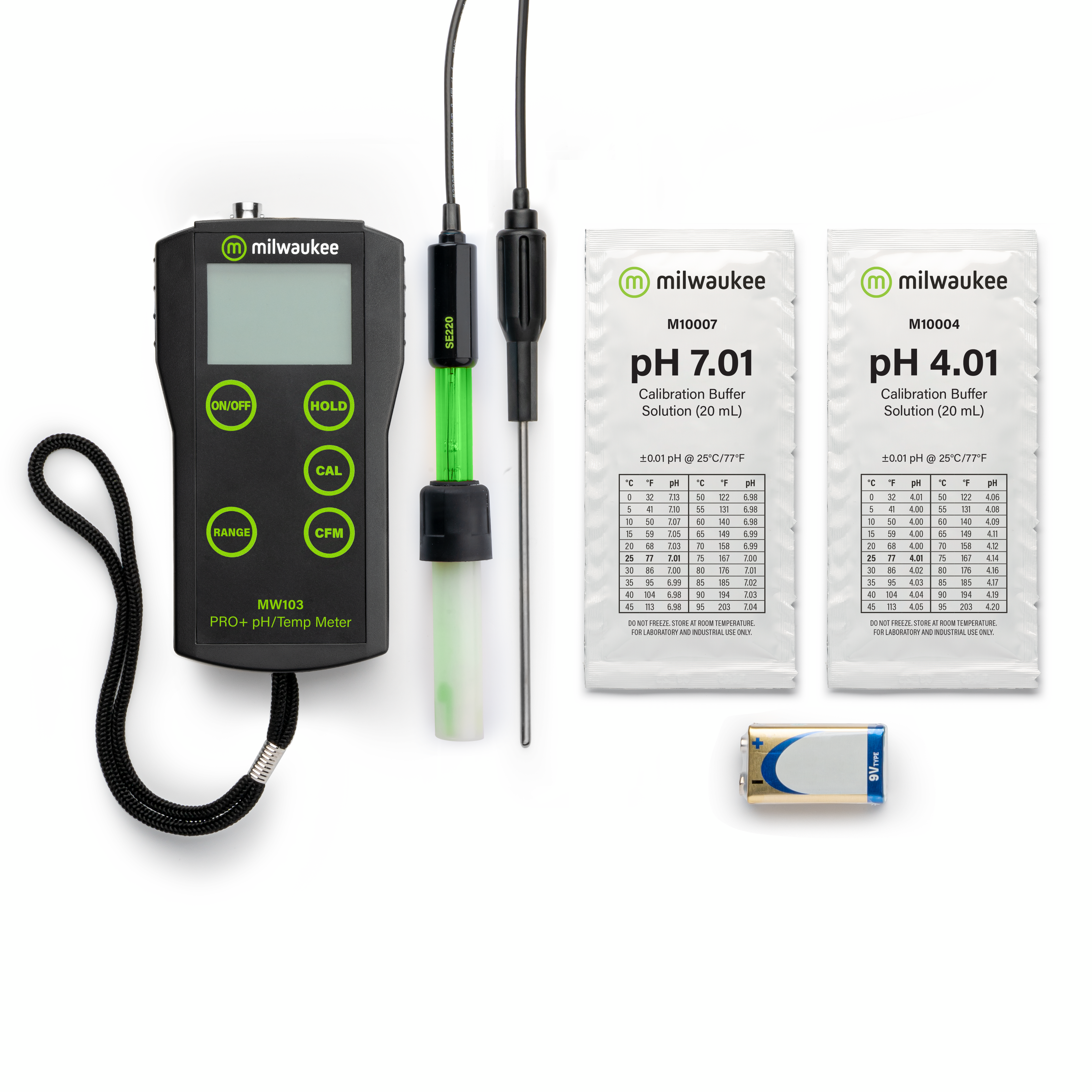
With a wide -2.00 to 16.00 pH measurement range, ±0.02 pH accuracy, automatic temperature compensation and automatic 1- or 2-point calibration, the MW103 PRO+ combines laboratory-grade measurement performance with the flexibility of a portable meter. The separate MA831R temperature probe provides the temperature information required for ATC and can also be used for direct temperature measurement.
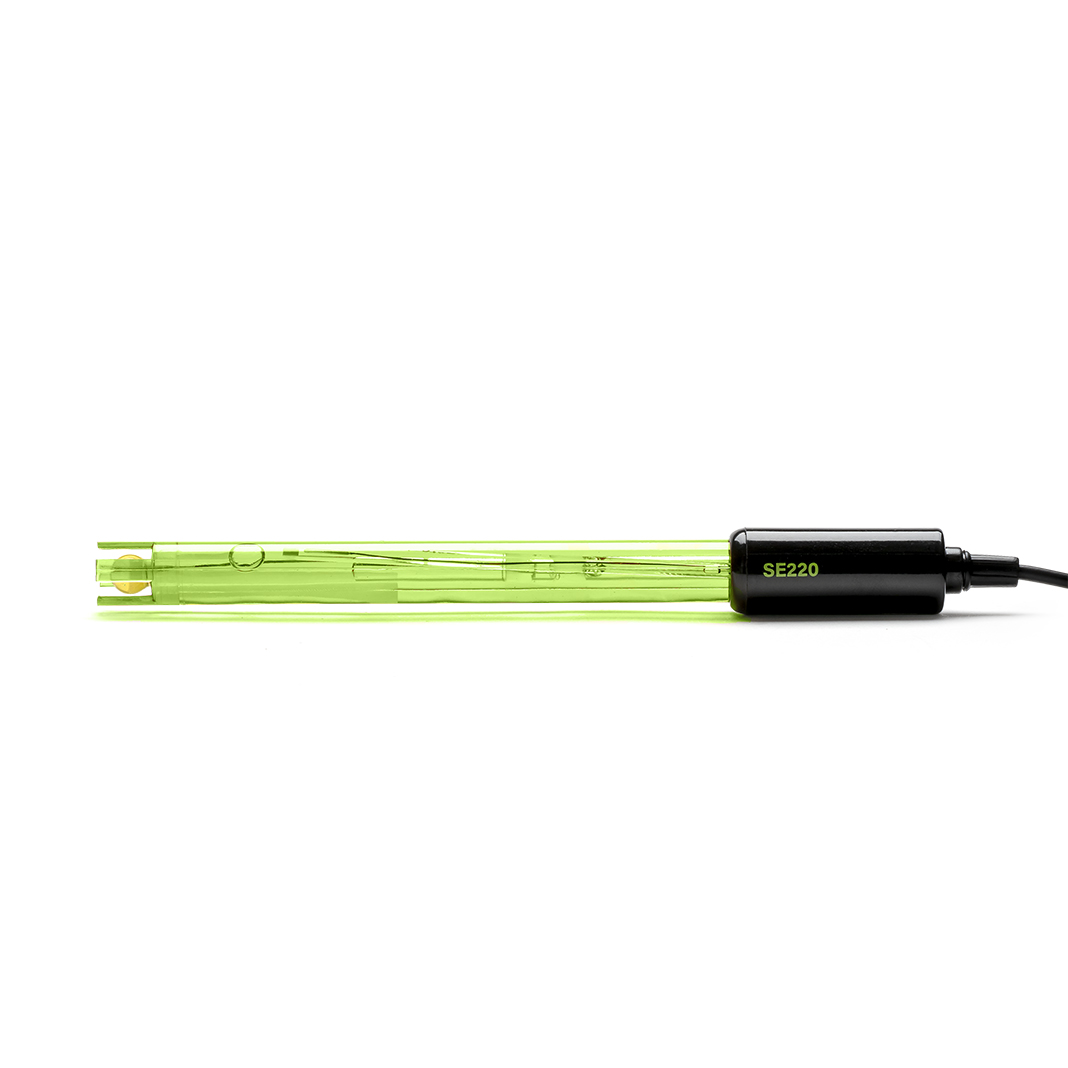
The meter is supplied with the Milwaukee SE220 lab-grade pH electrode. But what truly distinguishes the MW103 PRO+ from a conventional portable pH meter is its ability to help you answer an important question:
Can I still trust my pH electrode?
More Than a pH Reading – Check the Health of Your Electrode
Why Choose the Milwaukee MW103 PRO+?
Applications
Proper pH Meter Care & Maintenance
More Than a pH Reading – Check the Health of Your Electrode
A pH electrode gradually changes throughout its working life. The glass sensing membrane becomes less responsive, while residue from samples can contaminate the sensing surface or block the reference junction.
Normally, a user may only notice the problem when readings become slow, unstable or difficult to calibrate.
The pHmV mode of the MW103 PRO+ adds another level of control.
By viewing the electrode's mV response in calibration buffers, the user can evaluate:
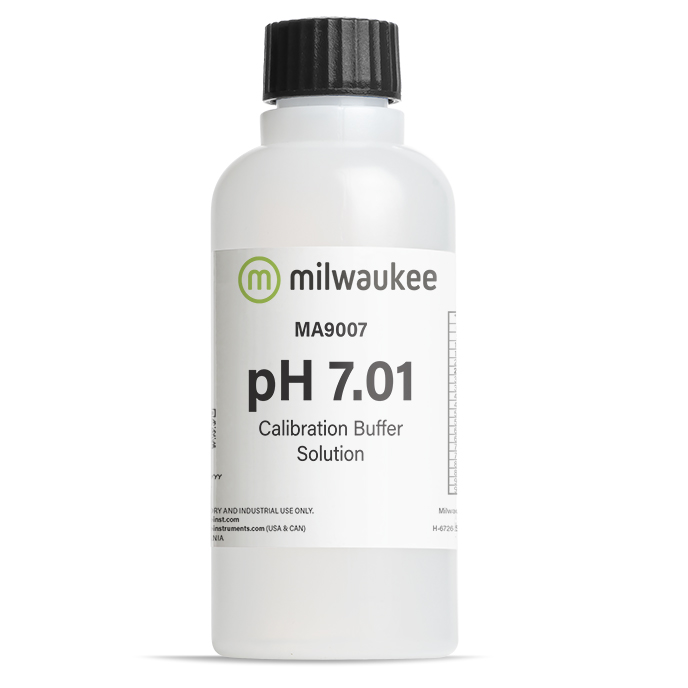
- the electrode's offset around pH 7.01
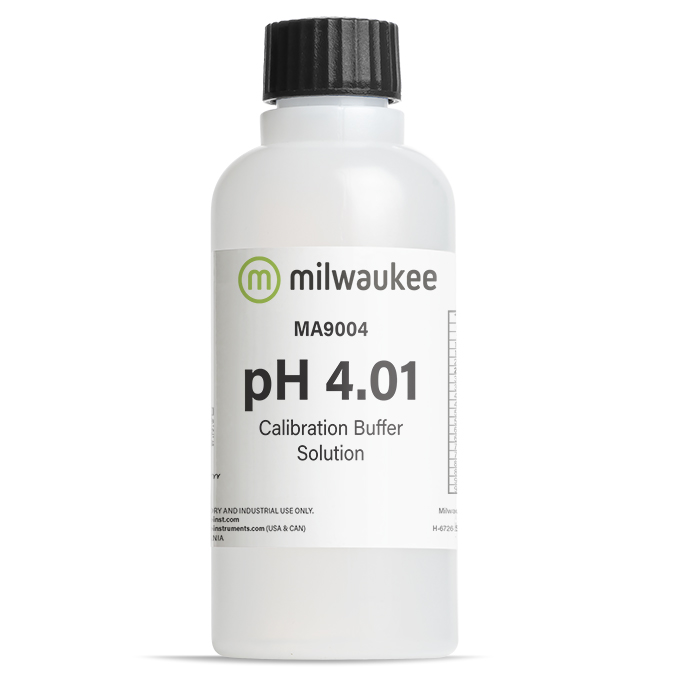
- the electrode's slope using a second buffer such as pH 4.01 or pH 10.01
- whether the electrode may require cleaning, conditioning or replacement
This allows users to evaluate the measurement system itself rather than relying only on the final pH value.
Learn how to check pH electrode offset, slope and overall condition in our complete pH Electrode Health Check guide.
Important: the MW103 PRO+ pHmV mode is intended specifically for evaluating the offset and slope of a pH electrode. It is not an ORP measurement mode and the MW103 PRO+ should not be presented as an ORP meter.
Why Choose the Milwaukee MW103 PRO+?
- Built-in pH Electrode Health Check: The dedicated pHmV mode allows you to evaluate electrode offset and slope, helping identify an electrode that may need cleaning, conditioning or replacement.
- High-Accuracy pH Measurement: Measure from -2.00 to 16.00 pH with 0.01 pH resolution and ±0.02 pH accuracy.
- Precise pHmV Measurement: The meter provides a ±200.0 mV pHmV range, 0.1 mV resolution and ±0.5 mV accuracy for evaluating pH electrode response.
- Automatic Temperature Compensation: The included MA831R temperature probe enables automatic compensation of the pH reading for changes in sample temperature.
- Independent Temperature Measurement: Switch between pH, pHmV and temperature readings, with temperature displayed in either °C or °F.
- Automatic 1- or 2-Point Calibration: Calibration is simple and repeatable, while two-point calibration provides better characterization of electrode response across the working pH range. The meter supports calibration using pH 7.01 together with pH 4.01 or pH 10.01 depending on the measurement range.
- SE220 pH Electrode Included: The meter is supplied with the lab-grade double junction SE220 pH electrode, providing a low-maintenance solution for general-purpose pH measurement.
- Flexible Electrode Options: The BNC electrode connection allows the meter to be paired with suitable application-specific pH electrodes. For specialized applications, use a compatible pH electrode appropriate for the sample and measurement method. For example, Milwaukee recommends the optional MA919B/1 pH electrode for wine applications.
- Portable and Easy to Operate: A clear digital display, straightforward controls and separate pH and temperature probes make the MW103 PRO+ suitable for laboratory, production and on-site measurements.
- Long Battery Life: Powered by a standard 9 V alkaline battery, the meter provides approximately 750 hours of use, with automatic shut-off after 8 minutes of inactivity to conserve battery power.
Applications
The combination of accurate pH measurement, automatic temperature compensation and pH electrode diagnostics makes the MW103 PRO+ suitable for a wide variety of professional, industrial and technical applications.
Brewing & Beer Production
Accurate mash pH is essential for enzyme activity, extraction efficiency, flavour development and overall brewing consistency. The MW103 PRO+ can be used for brewing water, mash, wort, fermentation and finished-product pH checks, while the electrode health function provides additional confidence that changing readings are not simply the result of a deteriorating sensor.
Hydroponics
In hydroponic systems, nutrient availability is strongly influenced by pH. The MW103 PRO+ is ideal for checking nutrient reservoirs, irrigation solutions, dosing mixtures and recirculating systems, helping growers maintain stable growing conditions.
Winemaking & Enology
pH influences microbial stability, fermentation behaviour, colour, flavour and many other aspects of wine production. The MW103 PRO+ can be used throughout the process for grape juice, must, fermentation and finished wine.
For demanding wine samples, the meter can also be paired with Milwaukee's optional MA919B/1 wine pH electrode, which is specifically designed for this application.
Horticulture & Agriculture
Use the MW103 PRO+ for irrigation water, fertilizer solutions, fertigation systems, nutrient mixtures and prepared soil extracts or slurries, helping growers make informed decisions about plant nutrition and growing conditions.
Laboratories & Research
With its high pH resolution, automatic calibration and separate temperature measurement, the MW103 PRO+ is suitable for routine laboratory analysis, research, quality-control testing, buffer verification and aqueous sample measurement.
The pHmV mode is particularly valuable in environments where electrode performance needs to be checked rather than simply assumed.
Water Treatment & Water Quality
The MW103 PRO+ can support pH monitoring throughout drinking-water treatment, process-water management, purification systems, wastewater treatment and general water-quality testing.
Food Processing
pH is widely used as a process and quality-control parameter in food production. The MW103 PRO+ can be used with suitable electrodes for liquid foods, sauces, ingredients, fermentation products and production-water testing.
For solid, semi-solid, highly viscous or otherwise challenging food samples, an application-specific pH electrode may provide better performance than a general-purpose electrode.
Beverage Production
Monitor pH during the production and quality control of juices, soft drinks, cider, kombucha, fermented beverages, syrups and other liquid products.
Aquaculture & Fish Farming
Stable pH and temperature conditions are important for aquatic organisms. The MW103 PRO+ can be used to check tank water, hatchery systems, recirculating aquaculture systems and fish-farm water.
Aquariums & Reef Systems
Suitable for pH and temperature checks in freshwater aquariums, marine aquariums and reef systems, as well as for testing replacement or prepared water.
Aquaponics
Aquaponic systems must balance the requirements of fish, plants and biological filtration. The MW103 PRO+ provides accurate pH measurement for monitoring the shared water and nutrient cycle.
Ponds & Koi
Use the meter for routine pond-water and koi-system pH monitoring, especially when checking changes following water replacement, seasonal shifts or treatment.
Environmental Water Testing
The portable design makes the MW103 PRO+ suitable for measuring prepared or collected samples from rivers, lakes, groundwater, surface water and wastewater in environmental monitoring applications.
Swimming Pools, Spas & Hot Tubs
The meter can be used for accurate pH verification in swimming pools, spas and hot tubs, supporting routine water-management and treatment checks.
Industrial Process Water & Quality Control
Suitable for general pH testing of process water, rinse water, production solutions and industrial liquid samples, provided that the selected electrode is chemically compatible with the sample.
Fermentation Processes
Beyond brewing and winemaking, the MW103 PRO+ can be used to follow pH changes during kombucha, vinegar and other food or biological fermentation processes.
Education & Training
The MW103 PRO+ is well suited to chemistry, biology, environmental science, agriculture and food-science laboratories, where students can study not only pH and temperature but also the underlying mV response of a pH electrode.
Cosmetics & Personal Care
With an appropriate electrode, the meter can be used during formulation and quality control of liquid cosmetic and personal-care products, including solutions, shampoos and toners.
Pharmaceutical & Biotechnology Laboratories
The MW103 PRO+ can support buffer preparation, aqueous solution testing, research and general laboratory pH checks where its measurement specifications are appropriate for the method being used.
General Chemical & Industrial Laboratory Testing
The wide pH range makes the MW103 PRO+ suitable for routine testing of buffers, acids, bases and other compatible aqueous formulations in general laboratory and industrial QC environments.
Proper pH Meter Care & Maintenance
A pH meter can only perform as well as its electrode. With use, the glass sensing surface gradually loses sensitivity, while sample residue can accumulate on the bulb or block the reference junction. Correct cleaning, storage and calibration therefore play an important role in maintaining fast and reliable measurements.
Storage
Keep the SE220 pH electrode hydrated whenever it is not being used.
For proper storage:
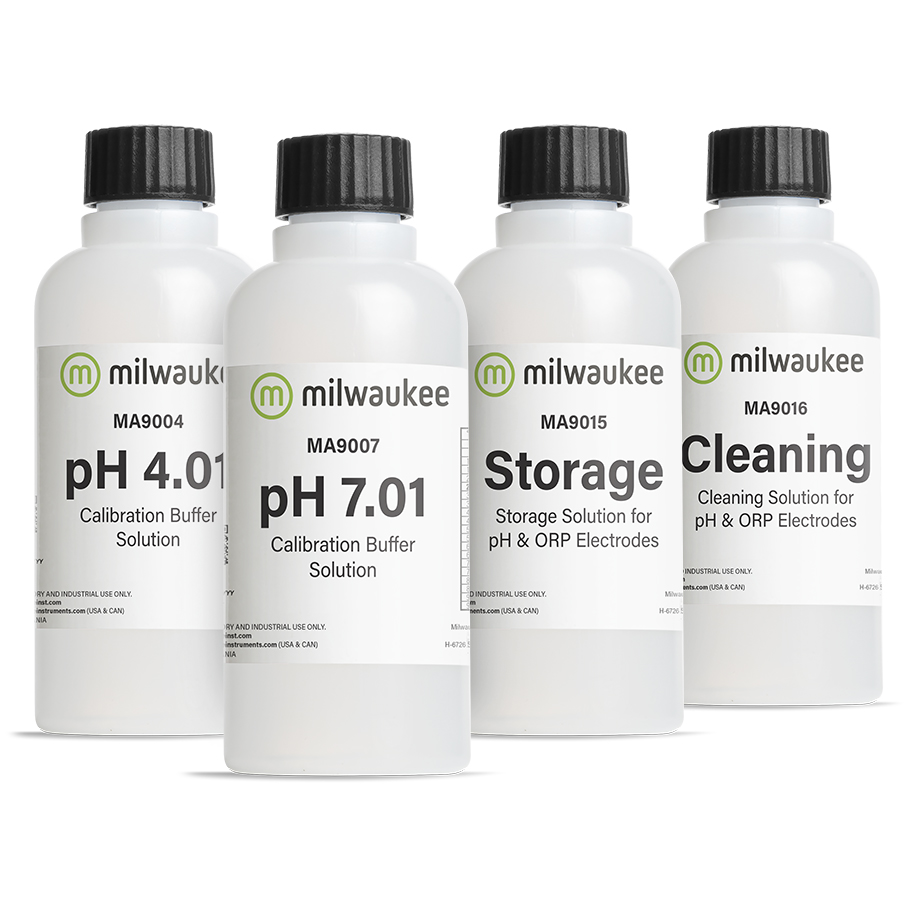
- Store the electrode in Milwaukee MA9015 Storage Solution.
- Keep the protective cap filled with storage solution and securely fitted to the electrode.
- Never store the electrode in distilled, deionized or reverse-osmosis water, as this can damage electrode performance.
If the electrode has been stored dry, rinse it and condition it in MA9015 Storage Solution for several hours – preferably overnight – before calibration and use.
Cleaning
Residue on the sensing bulb or reference junction can cause slow, unstable or inaccurate readings.
For routine maintenance:
- Clean the electrode regularly using MA9016 Electrode Cleaning Solution.
- Organic or dirty samples may require more frequent cleaning.
- Rinse the electrode with purified water after cleaning and before calibration.
If white salt crystals appear around the electrode during storage, this is normal. They can be removed by rinsing the electrode with warm water before use.
Between Measurements
Rinse the pH electrode with purified water between calibration buffers and samples to reduce cross-contamination.
When removing excess liquid, blot the sensor gently with a lint-free tissue – do not rub the glass sensing bulb, as rubbing can affect the electrode and measurement stability.
Calibration
Regular calibration compensates for gradual changes in electrode response and helps maintain measurement accuracy.
- Calibrate the meter regularly according to the accuracy requirements of your application.
- Always calibrate after cleaning and after an extended period of storage.
- Use fresh calibration solutions.
- For most applications, begin with pH 7.01.
- For acidic measurement ranges, use pH 7.01 and pH 4.01 for two-point calibration.
- For alkaline measurement ranges, use pH 7.01 and pH 10.01.
- Although single-point calibration is available, two-point calibration is recommended for higher accuracy.
Use the pHmV Mode as Part of Routine Electrode Maintenance
Calibration tells you whether the meter and electrode can be adjusted to known standards. The MW103 PRO+ goes a step further by allowing you to examine the electrode's actual mV response.
Periodically checking offset and slope can help reveal declining electrode performance before it begins to compromise important measurements. When an electrode shows abnormal behaviour, cleaning and reconditioning should be the first steps; if acceptable response cannot be restored, replacement may be necessary.
The Milwaukee MW103 PRO+ combines accurate portable pH and temperature measurement with something especially valuable for serious pH users – the ability to check whether the electrode producing the measurement is still performing as it should.
Specifications
pH Range: -2.00 to 16.00 pH
pHmV Range: ±200.0 mV
Temperature Range: -5.0 to 105.0 °C (23.0 to 221.0 °F)
pH Resolution: 0.01 pH
pHmV Resolution: 0.1 mV
Temperature Resolution: 0.1 °C / 0.1 °F
pH Accuracy (@25 °C): ±0.02 pH
pHmV Accuracy (@25 °C): ±0.5 mV
Temperature Accuracy (@25 °C): ±0.5 °C / 1.0 °F
Temperature Compensation: Automatic, -5.0 to 105.0 °C (23.0 to 221.0 °F)
Calibration: Automatic, 1 or 2 points
pH Electrode: SE220 (included)
Temperature Probe: MA831R (included)
Environment: 0 to 50 °C (32 to 122 °F); RH 95% max.
Battery Type: 1 x 9V alkaline (included)
Battery Life: Approx. 750 hours of use
Auto-Off: After 8 minutes of non-use
Dimensions: 143 x 80 x 32 mm
Weight: 220 g (meter with battery)
Application
Explore applications
Brewing & Beer Production Winemaking & Enology Hydroponics Horticulture & Agriculture Aquaculture & Fish Farming Aquariums & Reef Systems Aquaponics Ponds & Koi Food Processing Fermentation Processes Beverage Production Swimming Pools, Spas & Hot Tubs Laboratory & Research Education & Training Water Treatment, Water Quality & Environmental Water Testing Cosmetics & Personal CareBrewing & Beer Production – Mash pH, Wort pH and Fermentation Monitoring
Accurate pH measurement is an important part of both professional beer production and homebrewing, influencing several stages of the brewing process from water preparation and mashing to fermentation and final beer quality control. The Milwaukee MW103 PRO+ portable pH meter for brewing provides brewers with a precise way to monitor mash pH, wort pH, brewing water, fermentation pH and finished beer pH, helping improve process control and batch-to-batch consistency.
One of the most important measurements during brew day is mash pH. The acidity of the mash affects the activity of the enzymes responsible for converting malt starches into fermentable sugars. Maintaining an appropriate mash pH supports efficient saccharification, starch conversion, extract efficiency and wort separation, while also helping reduce excessive extraction of harsh or astringent compounds from the grain. A commonly used target range for mash pH is approximately 5.2–5.6, although the exact target depends on the recipe, brewing process and measurement temperature.
The MW103 PRO+ can therefore be used as a digital mash pH meter when developing recipes, adjusting brewing water chemistry, evaluating different malt bills or checking the effect of brewing salts and food-grade acid additions. Measuring the actual mash rather than relying only on calculated values gives both craft brewers and homebrewers direct information about what is happening in the brewhouse.
During brewing water preparation, the MW103 PRO+ can be used to check pH before and after water treatment or acidification. Water pH alone does not describe the complete brewing water profile – alkalinity and mineral composition are also important – but pH testing can be a useful part of a broader brewing water quality and water chemistry control program, particularly when water is treated before mashing.
Brewers can continue pH testing after lautering to monitor wort pH before and after the boil. Tracking wort pH provides another repeatable process-control point and can help identify differences between recipes, raw materials, brewing water profiles or production batches. Consistent pH monitoring throughout the brewhouse gives the brewer useful data for improving brewing efficiency, process repeatability and beer quality.
The MW103 PRO+ is also suitable for fermentation monitoring. As brewing yeast ferments wort, the pH normally decreases. Recording pH during fermentation provides additional information about the progression of the process and allows brewers to compare fermentation behaviour between batches, yeast strains or recipes. Combined with measurements such as gravity and temperature, fermentation pH monitoring can become part of a more complete brewery quality-control program.
At the end of production, the meter can be used for finished beer pH testing and final beer quality control. Measuring and recording final pH helps breweries establish a reference for each beer style or recipe, compare production batches and identify unexpected process variations. Regular pH testing can therefore support consistent beer flavour, stability and overall product quality from one batch to the next.
The MW103 PRO+ offers an additional advantage for brewing applications through its dedicated pHmV electrode health check. Wort, beer and other brewing samples contain organic material that can gradually contaminate the pH electrode or affect the reference junction. By checking the electrode's offset and slope, brewers can evaluate whether the sensor is responding correctly and determine when the pH electrode may require cleaning, conditioning or replacement. This helps distinguish a genuine change in mash, wort or beer pH from a measurement problem caused by a deteriorating electrode.
With ±0.02 pH accuracy, automatic temperature compensation, automatic 1- or 2-point calibration, a separate temperature probe and the included SE220 double-junction pH electrode, the Milwaukee MW103 PRO+ is a practical choice for commercial breweries, craft breweries, microbreweries, brewpubs, pilot breweries, brewing laboratories and serious homebrewers looking for a reliable and accurate beer brewing pH meter.
How to Use the MW103 PRO+ for Brewing
- Calibrate the pH meter before measurement using fresh calibration buffers. For brewing applications, a two-point calibration with pH 7.01 and pH 4.01 provides suitable calibration around the expected measurement range.
- Take a representative sample of mash, wort or beer. For mash pH measurement, use a small sample rather than placing the electrode directly into the hot mash.
- Allow hot mash or wort samples to cool to approximately room temperature before testing. This provides more consistent pH comparison between batches and helps protect the pH electrode from repeated exposure to high temperatures.
- Rinse the electrode with purified water, place the SE220 pH electrode and MA831R temperature probe into the sample, stir gently and wait for the reading to stabilize.
- Record the pH and temperature and compare the result with the target established for the recipe or production stage.
- Repeat pH measurements at important brewing checkpoints such as mash, wort, fermentation and finished beer to build a consistent process record.
- Periodically use the pHmV mode to check electrode offset and slope, especially if readings become slow, unstable or difficult to calibrate.
- After testing, rinse the electrode thoroughly and store it in MA9015 Storage Solution. Brewing samples containing organic material may require regular cleaning with MA9016 Electrode Cleaning Solution.
Winemaking & Enology – Grape Juice, Must, Fermentation and Finished Wine pH Monitoring
Accurate pH measurement in winemaking is essential from grape reception through fermentation, maturation and final bottling. Wine pH influences far more than perceived acidity: it plays an important role in microbial stability, fermentation management, sulfur dioxide effectiveness, wine colour, oxidation risk, tartrate stability and overall wine quality.
The Milwaukee MW103 PRO+ portable pH meter for winemaking and enology provides accurate measurement of grape juice pH, must pH, fermentation pH and finished wine pH, making it a practical instrument for winery laboratories, commercial wineries, small wineries, wine producers, enologists and serious home winemakers.
With ±0.02 pH accuracy, automatic temperature compensation, automatic 1- or 2-point calibration and a dedicated pHmV electrode health check, the MW103 PRO+ can be used throughout the complete wine production process – from evaluating freshly crushed grapes to final wine quality control before bottling.
Grape Juice and Must pH at Harvest
pH measurement begins before alcoholic fermentation.
At grape reception, grape juice and must analysis provides winemakers with important information about the raw material entering the winery. Alongside measurements such as Brix, titratable acidity (TA) and temperature, pH helps characterize grape maturity and the chemical environment in which fermentation will take place.
The pH of grape juice or must influences which microorganisms are able to grow. Lower-pH juice tends to suppress many unwanted bacteria, while higher-pH must can support a broader range of spoilage organisms and may require closer microbiological management.
For this reason, measuring must pH before fermentation can help guide decisions concerning:
- acid adjustment
- sulfur dioxide additions
- yeast inoculation
- microbial control
- fermentation strategy
- malolactic fermentation planning
- blending decisions
- overall wine stability
Grape juice is naturally acidic and is generally below pH 4.0. In winery production, juice and wine pH are often managed below approximately pH 3.6, although the appropriate target depends on the grape variety, wine style, vintage, region and winemaking objectives.
The MW103 PRO+ can therefore be used as a digital wine pH meter during grape reception to compare different vineyard blocks, grape varieties, harvest dates or fermentation lots.
pH and Titratable Acidity – Two Different Measurements
In winemaking, pH and titratable acidity (TA) are related but they are not interchangeable.
pH describes the concentration and activity of hydrogen ions in the wine and provides important information about the wine's chemical and microbiological environment.
Titratable acidity measures the amount of titratable acid present and is more closely related to the total acid content and perceived sourness of the wine.
Two wines can therefore have the same pH but different titratable acidity, or similar TA values while having different pH values.
For professional wine acidity analysis, both measurements provide useful information. pH is particularly important when making decisions concerning microbial stability, sulfur dioxide management, colour stability and chemical reactions, while TA provides additional information about total acidity and sensory balance.
The MW103 PRO+ measures pH, pHmV and temperature. If titratable acidity is also required, it should be measured using an appropriate wine titration method or titratable acidity analyzer.
Alcoholic Fermentation pH Monitoring
During alcoholic fermentation, yeast converts grape sugars into ethanol and carbon dioxide while the chemical and microbiological environment of the must continues to change.
Monitoring wine fermentation pH provides winemakers with another useful process-control parameter alongside temperature, Brix or specific gravity and other fermentation measurements.
pH can influence both yeast and bacterial activity. Wine yeasts such as Saccharomyces cerevisiae tolerate the naturally acidic conditions of grape juice well, while many bacteria become increasingly inhibited as pH decreases.
Higher-pH musts can support greater bacterial activity and may therefore require closer attention to sanitation, sulfur dioxide management and fermentation conditions.
Regular pH measurements can help winemakers investigate:
- unexpected fermentation behaviour
- sluggish or problematic fermentations
- differences between fermentation vessels
- changes following acid additions
- differences between vineyard lots
- microbial stability concerns
- changes before and after inoculation
Recording fermentation pH together with temperature and sugar concentration creates a more complete record of fermentation progress and provides useful data for comparing batches and vintages.
pH and Sulfur Dioxide Management
One of the most important reasons to measure pH accurately in wine is its relationship with sulfur dioxide (SO₂).
Sulfur dioxide is widely used in winemaking to help control unwanted microorganisms and protect wine against oxidation. However, its effectiveness depends strongly on the pH of the wine.
The antimicrobial activity of sulfur dioxide is primarily associated with its molecular SO₂ form. As wine pH increases, the proportion of free SO₂ present in this effective molecular form decreases significantly.
This means that two wines with the same measured free SO₂ concentration may not have the same level of antimicrobial protection if their pH values are different.
Accurate wine pH measurement is therefore essential when determining and interpreting sulfur dioxide additions.
The MW103 PRO+ can be used to verify pH before SO₂ management decisions are made during:
- grape processing
- alcoholic fermentation
- wine transfers
- maturation
- barrel ageing
- storage
- pre-bottling preparation
pH should be evaluated together with appropriate free and total SO₂ measurements when developing a complete wine preservation and microbial-control program.
Microbial Stability and Wine Spoilage Control
pH is one of the most important factors influencing microbial stability in wine.
The naturally acidic environment of wine helps inhibit many spoilage microorganisms. As pH rises, a wider range of bacteria and other unwanted microorganisms may be able to survive and grow.
Accurate pH information therefore helps winemakers evaluate potential wine spoilage risk and make informed decisions about sanitation, SO₂ management, filtration and storage.
This is particularly valuable when managing microorganisms such as Pediococcus, Lactobacillus, acetic acid bacteria and Brettanomyces, where the overall risk depends on several factors including pH, alcohol, SO₂, oxygen availability and storage conditions.
Routine winery pH testing can therefore form an important part of a broader wine microbiology and quality-control program.
Malolactic Fermentation
pH is also an important consideration during malolactic fermentation (MLF).
During MLF, lactic acid bacteria – most commonly Oenococcus oeni in controlled winemaking – convert malic acid into the softer lactic acid.
Whether malolactic fermentation starts and proceeds successfully depends on several factors, including:
- wine pH
- temperature
- ethanol concentration
- SO₂ concentration
- bacterial strain
- nutritional conditions
Low pH can make conditions increasingly difficult for malolactic bacteria, while higher pH can allow a wider range of bacterial species to grow.
For wines intended to undergo MLF, monitoring wine pH before and during malolactic fermentation therefore provides useful information when evaluating whether conditions are suitable for the selected bacterial culture.
The MW103 PRO+ can be used alongside specific malic acid or malolactic fermentation testing methods to provide a more complete picture of the process.
Red Wine Colour and pH
pH also influences the appearance and chemical stability of wine, particularly in red and rosé wine production.
Anthocyanins, the pigments responsible for much of the colour in red grapes and wine, respond to changes in the chemical environment. Wine pH therefore contributes to red wine colour expression and colour stability.
pH should not be considered in isolation – grape variety, extraction, tannins, oxygen exposure, ageing and other chemical reactions also influence colour – but accurate pH measurement provides useful information when managing red wine fermentation, maceration and maturation.
This makes the MW103 PRO+ useful for red wine pH testing, rosé production and winery colour-management programs in addition to white wine production.
Finished Wine pH and Quality Control
After fermentation, pH remains an important parameter throughout wine maturation, storage, blending and bottling.
Regular finished wine pH testing allows winemakers to establish expected values for individual products and compare different tanks, barrels, blends and production lots.
pH measurements may be useful:
- after alcoholic fermentation
- before and after malolactic fermentation
- before and after acid adjustment
- after blending
- during barrel ageing
- during tank storage
- before stabilization
- before filtration
- before sulfur dioxide adjustment
- before bottling
- during final wine quality control
Recording these measurements provides useful documentation for winery quality assurance and batch-to-batch consistency.
An unexpected pH change during maturation can also indicate that the wine requires further investigation rather than relying solely on sensory evaluation.
Wine pH and Tartrate Stability
pH also interacts with tartrate chemistry and potassium bitartrate stability.
Grapes naturally contain tartaric acid and potassium, and potassium bitartrate crystals can precipitate during wine production and storage.
Because acid dissociation and potassium bitartrate behaviour are influenced by pH, knowing the wine's pH provides useful information when planning cold stabilization, acid adjustment and wine stability management.
pH measurement does not replace a dedicated tartrate stability test, but it forms part of the broader analytical picture used by winemakers when evaluating finished wine stability.
Blending and Acid Adjustment
The MW103 PRO+ can also be used during wine blending trials and acid adjustment.
Blending wines with different pH and acidity characteristics can produce a final pH that is not always predicted intuitively from the individual components. Measuring trial blends directly therefore provides more reliable information than estimating the result.
Similarly, after adding tartaric acid or performing another permitted acidity adjustment, the wine should be mixed thoroughly and measured again.
Small-scale bench trials can be tested before making a larger production adjustment, helping winemakers evaluate the effect on wine pH, titratable acidity, sensory balance and stability.
A Wine-Specific Electrode for Challenging Samples
The MW103 PRO+ is supplied with the SE220 double-junction pH electrode, which can be used for general pH measurements and is suitable for winemaking applications.
For regular professional wine analysis, Milwaukee also recommends the optional MA919B/1 wine pH electrode.
Electrode Health Check – Especially Valuable for Winemaking
Accurate wine analysis depends not only on the meter but also on the condition of the pH electrode.
Grape juice, must and wine are chemically complex samples containing organic acids, phenolic compounds, pigments, sugars, suspended solids and other components that can gradually contaminate the sensing surface or reference junction.
A pH electrode may still produce a numerical result even when its response has begun to deteriorate.
This makes the dedicated pHmV electrode health check of the MW103 PRO+ especially valuable for winemaking.
By measuring the electrode response in calibration buffers, the user can evaluate:
- the electrode's offset around pH 7.01
- the electrode's slope using pH 4.01
- whether the electrode remains within an acceptable response range
- whether cleaning or conditioning may be required
- whether the pH electrode may need replacement
Because wine is normally measured in the acidic range, pH 7.01 and pH 4.01 calibration buffers are particularly appropriate for checking performance around the actual working range.
Regular electrode verification gives winemakers greater confidence that an unexpected pH result reflects a genuine change in the wine rather than deterioration of the measuring electrode.
This makes the MW103 PRO+ more than a conventional wine pH meter: it allows users to evaluate the measuring system itself as part of routine winery quality control.
With ±0.02 pH accuracy, automatic temperature compensation, automatic 1- or 2-point calibration, pHmV electrode diagnostics and compatibility with the MA919B/1 electrode, the Milwaukee MW103 PRO+ is a practical professional pH meter for winemaking, winery laboratories, enology, grape processing, fermentation monitoring and finished wine quality control.
How to Use the MW103 PRO+ for Winemaking & Enology
- Calibrate the pH meter before analysis using fresh calibration buffers. Because grape juice and wine are normally in the acidic pH range, a two-point calibration with pH 7.01 and pH 4.01 is appropriate for most wine applications.
- Collect a representative sample of grape juice, must, fermenting wine or finished wine and mix the sample appropriately before measurement.
- Rinse the pH electrode with purified water between calibration buffers and wine samples to minimize cross-contamination.
- Place the pH electrode and MA831R temperature probe into the sample, gently stir and allow the reading to stabilize.
- Record the pH and sample temperature together with the wine lot, tank, barrel or production stage so results can be compared over time.
- Use pH results together with other relevant wine analyses such as Brix, titratable acidity, free SO₂, total SO₂, malic acid and temperature, depending on the production stage.
- Recheck pH after acid additions, blending, malolactic fermentation or other significant winemaking adjustments once the wine has been thoroughly mixed.
- Periodically use the pHmV mode to evaluate electrode offset and slope, especially before critical measurements or if readings become slow, unstable or difficult to calibrate.
- After testing, rinse the electrode thoroughly, clean it when necessary and store it correctly in MA9015 Storage Solution. Never allow the pH sensing glass to dry out.
Hydroponics – Nutrient Solution pH, Reservoir Monitoring and Fertigation Control
In hydroponic growing systems, plants depend almost entirely on the nutrient solution supplied directly to their roots. Without soil acting as a natural buffer, maintaining the correct nutrient solution pH becomes one of the most important parts of hydroponic nutrient management. The Milwaukee MW103 PRO+ portable pH meter for hydroponics gives growers an accurate way to monitor hydroponic reservoir pH, irrigation water, nutrient solutions and fertigation mixtures, helping maintain stable growing conditions throughout the crop cycle.
pH directly affects the availability of dissolved nutrients to plant roots. Even when a hydroponic nutrient solution contains the correct fertilizer concentration, nutrients may become less available when the pH moves outside the suitable range. Maintaining a stable root-zone environment therefore helps plants use essential macro- and micronutrients more effectively and can reduce the risk of nutrient-related growth problems.
For many hydroponic nutrient solutions, a slightly acidic pH is preferred. A commonly recommended range is approximately pH 5.0–6.0, often around pH 5.5, although the ideal target depends on the crop, growing system, nutrient formulation and production strategy.
Because hydroponic systems can change quickly, pH should not be treated as a one-time adjustment. Plant nutrient uptake, fertilizer additions, water top-ups, evaporation and the alkalinity of the source water can all influence the pH of a hydroponic reservoir over time. Regular reservoir pH monitoring allows growers to identify these changes and make controlled adjustments before the root-zone environment moves too far outside the desired range.
The MW103 PRO+ can be used when preparing a fresh hydroponic nutrient solution to check the pH after fertilizers and supplements have been fully mixed. Growers can then make gradual pH adjustments using the appropriate pH up or pH down solution, mix thoroughly and measure again before the nutrient solution is delivered to the plants.
Regular measurements are equally useful in recirculating hydroponic systems, where the same nutrient solution returns to the reservoir and its chemistry continuously changes as plants absorb water and nutrients. Monitoring reservoir pH over time provides growers with valuable information about the stability of the growing system and helps establish a consistent nutrient-management routine.
The MW103 PRO+ is suitable for a wide range of soilless growing and hydroponic systems. It is also useful for fertigation pH monitoring in greenhouse and commercial horticultural production. Fertigation combines irrigation water with dissolved fertilizer, making the pH of the final irrigation solution an important parameter to check before it reaches the root zone. Growers can use the MW103 PRO+ to test source water, mixed fertilizer solutions, fertigation tanks and irrigation water at different points in the system.
Monitoring the source water itself can also provide useful information. Water with high alkalinity can cause the pH of nutrient solutions to rise and may require more frequent adjustment. Checking both the incoming water and the finished nutrient solution helps growers understand whether changes originate from the source water, nutrient formulation or the hydroponic system itself.
For professional growers, recording pH readings over time can turn routine testing into a useful hydroponic crop management and quality-control tool. Comparing reservoir pH between growing cycles, crop stages and nutrient recipes can help identify trends and improve consistency in commercial hydroponic production.
The automatic temperature compensation (ATC) of the MW103 PRO+ helps compensate the pH measurement for the effect of sample temperature, while the separate MA831R temperature probe also allows growers to check nutrient solution temperature. Monitoring temperature alongside pH can provide additional information about reservoir and root-zone conditions.
Another important advantage for hydroponic growers is the MW103 PRO+'s dedicated pHmV electrode health check. Fertilizers, nutrient salts and residues can gradually affect pH electrode performance. By checking the electrode's offset and slope, growers can evaluate whether the pH sensor is responding correctly and determine when it may need cleaning, conditioning or replacement.
This is particularly valuable in hydroponics, where growers may make nutrient or pH adjustments based directly on the measurement. Verifying that the electrode itself is performing correctly provides additional confidence that an unexpected pH reading represents a real change in the nutrient solution rather than a deteriorating sensor.
The included SE220 lab grade double-junction pH electrode is specifically suitable for hydroponic applications and is designed for low-maintenance routine measurement. Combined with ±0.02 pH accuracy, automatic 1- or 2-point calibration, ATC and portable operation, the MW103 PRO+ is a practical digital hydroponic pH meter for commercial growers, greenhouse operations, indoor farms, vertical farms and serious home hydroponic growers.
For complete nutrient management, pH should be monitored together with electrical conductivity (EC). The MW103 PRO+ measures pH, pHmV and temperature; nutrient concentration and EC should therefore be checked separately using a suitable EC or EC/TDS meter.
How to Use the MW103 PRO+ for Hydroponics
- Calibrate the meter before use with fresh pH calibration solutions. For the typical hydroponic measurement range, a two-point calibration using pH 7.01 and pH 4.01 is recommended for accurate results.
- Prepare or thoroughly mix the hydroponic nutrient solution before measuring so that fertilizers and pH adjusters are evenly distributed.
- Rinse the SE220 pH electrode with purified water before placing it into the reservoir or collected nutrient solution sample.
- Place the pH electrode and MA831R temperature probe into the nutrient solution, gently stir and allow the reading to stabilize.
- Compare the measured pH with the target pH range for the crop and hydroponic system.
- If adjustment is required, add the appropriate pH up or pH down solution gradually, mix the reservoir thoroughly and measure again. Avoid making large corrections at once.
- Monitor reservoir pH regularly, particularly after adding fresh water, nutrients or supplements and after making changes to the fertigation program.
- Record pH readings to identify pH drift and long-term trends in the hydroponic reservoir.
- Periodically use the pHmV mode to check electrode offset and slope, especially if readings become slow, unstable or unexpectedly different from normal.
- After measurement, rinse the electrode and store it properly in MA9015 Storage Solution. Clean the electrode with MA9016 Electrode Cleaning Solution when deposits or nutrient residue begin to accumulate.
Horticulture & Agriculture – Irrigation Water, Fertigation, Fertilizer Solutions and Soil pH Monitoring
Accurate pH management is an essential part of modern horticulture, agriculture, greenhouse production and crop nutrition management. Whether plants are grown in field soil, containers, high tunnels, nurseries or protected cultivation systems, pH influences the chemical environment around the roots and plays a major role in plant nutrient availability, fertilizer efficiency and crop performance.
The Milwaukee MW103 PRO+ portable pH meter for horticulture and agriculture provides accurate measurement of irrigation water pH, fertilizer solution pH, fertigation solution pH, nutrient mixes, source water and prepared soil-water extracts or soil slurries.
This makes it a practical tool for commercial growers, greenhouse operations, nurseries, vegetable farms, fruit production, high-tunnel growers, horticultural producers, agricultural consultants and crop research facilities that need reliable pH measurements as part of routine water and nutrient management.
Unlike relying only on occasional laboratory testing, an accurate portable pH meter allows growers to check conditions directly at the farm, greenhouse or irrigation system and identify changes before they begin to affect crop performance.
Irrigation Water pH Monitoring
The quality of agricultural irrigation water can have a significant effect on soil, growing media and plant nutrition over time.
The MW103 PRO+ can be used to measure the pH of:
- well water
- municipal water
- rainwater
- surface water
- pond water used for irrigation
- stored irrigation water
- treated water
- reverse-osmosis water
- greenhouse irrigation water
- water before and after acidification
For greenhouse and nursery production, irrigation water is commonly evaluated together with alkalinity, electrical conductivity (EC), hardness and nutrient content.
Water pH and alkalinity are particularly important to distinguish. pH indicates how acidic or alkaline the water is at the time of measurement, while alkalinity describes its capacity to resist a change in pH.
A water source can therefore have a relatively high pH but low alkalinity and have little long-term effect on growing-media pH, while highly alkaline irrigation water can gradually drive root-zone pH upward.
Routine irrigation water pH testing with the MW103 PRO+ provides growers with valuable information about the water entering the production system and can help identify changes in source-water conditions throughout the season.
For greenhouse and nursery crops, irrigation-water recommendations are generally in the mildly acidic to neutral range, but the appropriate target depends on the crop, growing medium, water alkalinity and fertilizer program. The pH value should therefore always be interpreted as part of the complete water analysis rather than as an isolated number.
Fertigation and Fertilizer Solution pH
Fertigation combines irrigation and fertilization by delivering soluble plant nutrients through the irrigation system.
It is widely used in:
- greenhouse production
- vegetable farming
- high tunnels
- nurseries
- berry production
- fruit production
- container crops
- drip-irrigated field crops
- controlled-environment agriculture
Once fertilizer is mixed with irrigation water, the resulting fertigation solution pH can differ significantly from the original source-water pH.
Different fertilizer formulations have different acidifying or alkalizing effects, while the alkalinity of the source water influences how strongly the pH responds.
The MW103 PRO+ can be used to measure the final irrigation and fertilizer solution after mixing, allowing growers to confirm the pH that is actually being delivered to the crop.
This is especially useful when using:
- soluble fertilizers
- fertilizer injectors
- proportional dosing systems
- acid injection systems
- stock solutions
- drip irrigation
- automated fertigation systems
- greenhouse nutrient programs
For some vegetable and fruit production systems, fertigation solutions around pH 6.2–6.5 are commonly targeted, but there is no single ideal fertigation pH for every crop. The correct value depends on the plant species, soil or substrate, nutrient formulation, irrigation-water alkalinity and production system.
The most useful approach is therefore to establish a crop-specific fertigation pH target and use regular measurements to verify that the irrigation system is consistently delivering the intended solution.
Checking Fertilizer Injectors and Dosing Systems
The MW103 PRO+ can also be used as part of routine fertilizer injector and acid injector monitoring.
Growers can compare:
- untreated source water
- water after acidification
- fertilizer stock solution
- injector output
- fertigation solution at the head of the irrigation system
- water collected from irrigation emitters
If the pH at the emitter differs significantly from the expected value, this may indicate a need to investigate the injector setting, acid dosing, fertilizer formulation, source water or system maintenance.
Taking measurements at several points also helps confirm that pH adjustment is actually reaching the crop rather than relying only on the dosing-system setting.
This makes portable pH testing useful for greenhouse fertigation systems, drip irrigation, high-tunnel production and precision agriculture where reliable nutrient delivery is essential.
Plant Nutrient Availability and Root-Zone pH
One of the main reasons for controlling pH in horticulture is its effect on plant nutrient availability.
Different plant nutrients become more or less available as root-zone pH changes.
At excessively high pH, micronutrients such as iron, manganese, zinc and copper can become less available to plants, potentially contributing to deficiency symptoms even when the nutrients are present in the soil or fertilizer solution.
At excessively low pH, the availability of some metals may increase to potentially damaging levels, while the availability of other nutrients may decline.
For many agricultural crops, slightly acidic soil conditions – often around pH 6 to 7, with approximately pH 6.5 frequently used as a general reference – support good overall nutrient availability. However, individual crops have different requirements.
Blueberries and other acid-loving crops, for example, require much more acidic soil than crops such as alfalfa.
For this reason, soil pH management should always be crop-specific.
Accurate pH monitoring helps growers investigate symptoms such as:
- interveinal chlorosis
- nutrient deficiencies
- weak or uneven growth
- poor fertilizer response
- differences between production blocks
- changes following liming or acidification
- declining crop quality
pH measurement does not identify the concentration of individual nutrients, but it provides essential context for interpreting soil tests, tissue analyses and fertilizer programs.
Soil pH Testing with Prepared Soil Extracts and Slurries
The MW103 PRO+ can also be used for soil pH testing when the soil is prepared as a soil-water extract or slurry.
The supplied SE220 is a general-purpose glass pH electrode. It should not be forced directly into dry, compacted soil. Instead, a representative soil sample can be mixed with the appropriate amount of water according to a consistent soil pH testing method, allowed to equilibrate and then measured with the electrode in the liquid portion or prepared slurry.
Laboratory soil-pH methods commonly mix soil and water in a defined ratio before measurement with a pH electrode.
Consistency is important because different soil preparation methods, soil-to-water ratios and extraction solutions can produce different numerical results.
For meaningful comparisons:
- use the same sampling method
- use the same soil-to-water preparation method
- use representative composite soil samples
- measure samples under consistent conditions
- record the method together with the pH result
A prepared soil slurry pH measurement can be useful for routine monitoring, troubleshooting and comparing different production areas. For official fertilizer or lime recommendations, growers should continue to use an accredited agricultural soil-testing laboratory and follow the laboratory's specified sampling method.
Soil pH, Liming and Acidification
Soil pH gradually changes as a result of fertilizer use, rainfall, irrigation water, crop nutrient removal, organic matter decomposition and natural soil chemistry.
Acidic soils may require agricultural lime to raise pH, while high-pH or alkaline conditions may require different management strategies depending on the underlying cause.
The MW103 PRO+ can help monitor changes in prepared soil pH samples before and after management practices such as:
- liming
- sulfur applications
- acidifying fertilizer programs
- changes in irrigation water
- fertilizer adjustments
- incorporation of growing-media amendments
However, the amount of lime required cannot be determined from a simple pH measurement alone.
Soil laboratories often use additional measurements such as buffer pH or reserve acidity to calculate lime requirements because two soils with the same active pH can respond very differently to lime.
The MW103 PRO+ is therefore useful for pH monitoring and comparison, while complete soil-management decisions should be based on an appropriate soil analysis.
Greenhouse and Nursery Production
pH monitoring is particularly important in greenhouse horticulture and nursery production, where plants are often grown in relatively small volumes of substrate and receive frequent irrigation and fertilization.
Compared with field soil, container substrates may have less capacity to buffer changes caused by irrigation water and fertilizer.
Regular measurement of greenhouse irrigation water and fertigation solution pH can therefore help growers identify changes quickly.
The MW103 PRO+ can be used in:
- ornamental greenhouse production
- vegetable transplant production
- bedding plant production
- container nurseries
- propagation facilities
- plug and seedling production
- greenhouse vegetable production
- high tunnels
- berry production
- specialty crop production
Regular pH records can be compared with growing-media pH, EC, water alkalinity and plant tissue analysis to provide a more complete picture of crop nutrition.
Source Water and Seasonal Changes
Agricultural water quality is not always constant.
The pH and chemical composition of well water, reservoirs, ponds and surface water can change during the growing season because of rainfall, drought, groundwater conditions, biological activity or changes in water source.
A water supply that performed well earlier in the season may therefore not remain identical throughout the entire production cycle.
Routine agricultural water quality testing makes it easier to identify these changes.
Recording source-water pH together with fertigation pH allows growers to determine whether a change observed at the crop originates from:
- the raw water source
- fertilizer formulation
- acid injection
- mixing
- dosing equipment
- another part of the irrigation system
pH Measurement and Electrical Conductivity (EC)
pH and electrical conductivity (EC) provide different information and should not be confused.
The MW103 PRO+ measures pH, pHmV and temperature.
pH indicates the acidity or alkalinity of the solution, while EC is used to assess the total concentration of dissolved ions and is commonly used as an indicator of fertilizer strength, soluble salts and nutrient-solution concentration.
For complete fertigation and nutrient solution monitoring, growers should therefore measure both:
pH – to evaluate acidity/alkalinity and the chemical environment affecting nutrient availability.
EC – to evaluate the overall concentration of dissolved fertilizer salts.
Using pH and EC together provides a much more complete picture of irrigation water and plant nutrient management than either measurement alone.
Crop Troubleshooting and Quality Control
Regular pH measurements become particularly valuable when they are recorded over time.
A horticultural producer can compare:
- irrigation water pH
- fertigation solution pH
- individual greenhouse zones
- irrigation lines
- different fertilizer programs
- production blocks
- soil or substrate samples
- readings before and after treatment
This creates a useful history for crop troubleshooting, fertilizer management and agricultural quality control.
If crop performance changes unexpectedly, historical records make it easier to determine whether pH has also changed and whether water quality or nutrient management deserves further investigation.
Check the pH Electrode – Not Just the Crop
The dedicated pHmV electrode health check of the MW103 PRO+ provides an additional advantage for horticultural and agricultural applications.
Frequent measurements of fertilizer solutions, irrigation water and soil extracts can gradually leave salts, soil particles, organic material or other deposits on the pH electrode.
Contamination of the sensing glass or reference junction may cause measurements to become slow, unstable or inaccurate.
Using the MW103 PRO+ pHmV mode, growers can evaluate the electrode's offset and slope and determine whether the sensor may require cleaning, conditioning or replacement.
This is especially important when growers are making acidification or fertilizer-management decisions based on the measurement. An unexpected pH value may represent a genuine change in irrigation water or fertigation conditions – but it may also be caused by a deteriorating or contaminated electrode.
Checking electrode performance provides additional confidence that the measurement itself remains reliable.
With ±0.02 pH accuracy, automatic temperature compensation, separate temperature measurement, automatic 1- or 2-point calibration and the included SE220 double-junction pH electrode, the Milwaukee MW103 PRO+ is a practical agricultural pH meter and horticulture pH meter for greenhouses, nurseries, commercial farms, high tunnels, vegetable production, fruit production, fertigation systems, irrigation management and agricultural research.
How to Use the MW103 PRO+ for Horticulture & Agriculture
- Calibrate the pH meter using fresh calibration buffers appropriate for the expected measurement range.
- For irrigation water, collect a representative sample from the source or irrigation system and measure after the water conditions have stabilized.
- For fertigation and fertilizer solutions, allow fertilizers and pH adjusters to mix thoroughly before taking the measurement.
- Rinse the SE220 pH electrode with purified water, place the electrode and MA831R temperature probe into the sample and wait for the reading to stabilize.
- Compare the result with the crop-specific pH target established for the irrigation or fertilizer program.
- When checking a fertigation system, compare samples from the source water, injector output and irrigation emitters to verify the final pH delivered to the crop.
- For soil pH testing, prepare a representative soil-water extract or slurry using a consistent standardized method rather than inserting the SE220 directly into dry soil.
- Record pH, temperature, sampling location and production stage so that seasonal changes and long-term trends can be identified.
- For complete nutrient management, measure EC separately with an appropriate conductivity meter.
- Periodically use the pHmV mode to evaluate electrode offset and slope, particularly when readings become slow, unstable or unexpectedly different.
- After measurement, rinse the electrode thoroughly and store it in MA9015 Storage Solution. Clean it regularly with MA9016 Electrode Cleaning Solution, especially after measuring soil extracts or concentrated fertilizer solutions.
Aquaculture & Fish Farming – Tank Water pH, Hatchery Water and Aquaculture Process Monitoring
Maintaining stable water quality in aquaculture and fish farming is essential for fish health, growth, feeding performance and successful production. Among the key water quality parameters, pH and temperature require regular monitoring because sudden or prolonged changes can stress aquatic organisms and can also influence other important aspects of water chemistry.
The Milwaukee MW103 PRO+ portable pH meter for aquaculture provides accurate measurement of fish tank pH, hatchery water pH, aquaculture system water, pond water and recirculating aquaculture system water, making it a practical tool for routine fish farm water quality monitoring.
pH describes how acidic or alkaline the culture water is, but in aquaculture its importance goes far beyond a single water-quality value. Fish and other aquatic organisms are adapted to particular environmental conditions, and significant changes in pH can interfere with normal physiological processes. The ideal pH depends on the fish species, life stage, water source and production system, which is why aquaculture operators should establish appropriate target ranges for the species being cultured rather than relying on one universal value.
For many freshwater fish culture systems, water in approximately the pH 6.5–9.0 range is generally considered suitable, but the optimum range may be considerably narrower for individual species and production stages. Eggs, larvae and juvenile fish can be especially sensitive to unsuitable or rapidly changing water conditions.
Regular aquaculture pH monitoring therefore helps farmers detect changes before they develop into larger water-quality problems.
Fish Tanks and Grow-Out Systems
In intensive fish farming and aquaculture tanks, a high biomass of fish, regular feeding and biological waste production can cause water chemistry to change continuously.
The MW103 PRO+ can be used for routine fish tank water pH testing in indoor and outdoor production systems, helping operators compare readings between tanks, identify abnormal changes and maintain consistent water conditions throughout the facility.
Regular measurements are especially useful:
- before and after water changes
- after changes in feeding rate
- after stocking or moving fish
- following water-treatment adjustments
- when fish behaviour or feeding activity changes
- when testing different tanks or production units
- after changes to the water source
- during periods of rapid biomass growth
Recording these measurements provides a useful history of aquaculture water quality and makes it easier to recognize gradual pH drift rather than reacting only when conditions become visibly problematic.
Recirculating Aquaculture Systems (RAS)
Accurate pH monitoring is particularly important in Recirculating Aquaculture Systems (RAS).
In a RAS, most of the culture water is treated and reused. Mechanical filtration removes suspended solids, while biological filtration converts toxic ammonia produced by fish into less harmful nitrogen compounds.
This biological process – nitrification – consumes alkalinity and produces acidity. As a result, the pH of a recirculating aquaculture system can gradually decrease if buffering capacity is not maintained.
Regular RAS pH monitoring therefore provides valuable information about both the culture environment and the operation of the biological filtration system.
Maintaining appropriate pH is also important for the nitrifying bacteria in the biofilter. If pH becomes too low, nitrification efficiency can decrease, potentially affecting the system's ability to process ammonia.
The MW103 PRO+ can be used to perform pH checks at important points in a recirculating fish farming system, including:
- culture tanks
- biofilter inlet and outlet water
- sump tanks
- make-up water
- treated return water
- water after alkalinity or buffering adjustments
Comparing measurements at different locations can help operators identify changes within the water-treatment process rather than relying on a single tank measurement.
pH, Temperature and Ammonia Toxicity
pH measurement is also closely connected with ammonia management in aquaculture.
Fish continuously produce ammonia as a metabolic waste product. In water, ammonia exists mainly as ionized ammonium (NH4+) and un-ionized ammonia (NH3). The un-ionized form is considerably more toxic to fish.
The proportion present as toxic un-ionized ammonia increases as pH and temperature increase.
For this reason, a total ammonia result cannot be fully interpreted without considering the water pH and temperature at the same time. Measuring these parameters with the MW103 PRO+ can therefore provide valuable supporting information when evaluating ammonia toxicity and nitrogen-cycle conditions in fish farming systems.
The meter does not measure ammonia itself, but accurate pH and temperature data can form an important part of a broader aquaculture water testing program that also monitors parameters such as dissolved oxygen, ammonia, nitrite, nitrate, alkalinity and salinity where applicable.
Hatcheries, Eggs and Juvenile Fish
Water-quality control becomes even more critical in fish hatcheries and aquaculture hatchery systems, where eggs, larvae, fry and juvenile fish may be more sensitive to changing environmental conditions than adult stock.
The MW103 PRO+ can be used for hatchery water pH monitoring, including testing of:
- incoming source water
- incubation systems
- hatching tanks
- larval rearing tanks
- fry tanks
- nursery systems
- recirculating hatchery water
- water before and after treatment
Regular pH and temperature measurements can help hatchery operators maintain more stable conditions during sensitive production stages and identify differences between the incoming water supply and individual rearing systems.
Aquaculture Ponds and Outdoor Fish Farms
In pond aquaculture, pH can naturally fluctuate during the day.
Photosynthesis by algae and aquatic plants removes carbon dioxide from the water during daylight hours, which can cause pH to rise. During the night, respiration releases carbon dioxide and pH can fall again.
For this reason, a single pond pH measurement may not always provide a complete picture of daily water-quality conditions.
The portable MW103 PRO+ can be used for fish pond pH testing at different times of day and, where appropriate, at different locations or depths. Comparing measurements taken consistently in the morning and later in the day can help operators identify significant daily pH fluctuations in aquaculture ponds.
This makes the meter useful for pond fish farming, freshwater aquaculture, warm-water fish production and other outdoor aquaculture operations where water conditions are affected by biological activity and environmental changes.
Source Water and Water Treatment
The quality of incoming water can have a major influence on an aquaculture facility.
The MW103 PRO+ can be used to check well water, surface water, treated water and make-up water before it enters fish tanks or hatchery systems.
Monitoring pH before and after water treatment, buffering or alkalinity adjustment provides useful confirmation that the treatment process has produced the intended change before the water reaches the culture system.
Routine testing can also help identify seasonal or unexpected changes in the aquaculture water source.
Aquaculture Quality Control and Record Keeping
In commercial aquaculture, individual readings become much more useful when they are recorded and compared over time.
Creating a regular fish farm water quality monitoring schedule allows producers to compare pH and temperature:
- between production tanks
- between different fish batches
- before and after feeding
- before and after water treatment
- during different growth stages
- across seasonal changes
- before and after system maintenance
These records can help operators establish normal operating conditions for each system and recognize unusual trends sooner.
The MW103 PRO+ pHmV electrode health check provides an additional advantage for professional aquaculture monitoring. A pH electrode used regularly in fish tanks, hatcheries and biological water-treatment systems can accumulate organic material, biofilm and other deposits that gradually affect sensor performance.
By checking the electrode's offset and slope, operators can evaluate whether the pH sensor is responding correctly and determine whether it requires cleaning, conditioning or replacement.
This is especially valuable in aquaculture because an unexpected pH result could indicate either a genuine change in water quality or a problem with the electrode itself. Checking electrode performance gives the operator greater confidence in the measurements used to make water-management decisions.
With ±0.02 pH accuracy, automatic temperature compensation, separate temperature measurement, automatic 1- or 2-point calibration and the included SE220 double-junction pH electrode, the Milwaukee MW103 PRO+ is a practical aquaculture pH meter for fish farms, hatcheries, RAS facilities, aquaculture laboratories, research facilities, indoor fish farming operations and pond aquaculture.
How to Use the MW103 PRO+ for Aquaculture & Fish Farming
- Calibrate the pH meter using fresh calibration buffers before testing. Select calibration points appropriate for the expected pH range of the aquaculture system.
- Choose a representative sampling point in the fish tank, hatchery, pond or RAS. For comparative monitoring, use the same sampling locations each time.
- Rinse the SE220 pH electrode with purified water before measurement.
- Place the pH electrode and MA831R temperature probe into the water or collected sample and allow the reading to stabilize.
- Record both pH and temperature, together with the sampling location and time.
- Compare the result with the recommended water-quality range for the cultured species and life stage rather than relying on a universal pH target.
- In RAS facilities, consider testing multiple points such as the culture tank, biofilter, sump, make-up water and treated return water to identify changes throughout the system.
- In outdoor ponds, measure at consistent times of day to identify normal daily pH fluctuations and significant changes.
- If ammonia is being monitored, evaluate the result together with pH and temperature, as both influence the proportion of toxic un-ionized ammonia.
- Periodically use the pHmV mode to check electrode offset and slope, particularly if measurements become slow, unstable or inconsistent.
- After testing, rinse the electrode thoroughly and store it in MA9015 Storage Solution. Clean it regularly with MA9016 Electrode Cleaning Solution, especially when measuring water containing biofilm, organic residue or suspended material.
Aquariums & Reef Systems – Freshwater Aquarium pH, Saltwater Aquarium pH and Reef Tank Water Quality Monitoring
Stable water chemistry is one of the foundations of a healthy aquarium. Whether maintaining a freshwater aquarium, planted aquarium, marine aquarium or coral reef tank, regular pH testing helps aquarists understand changes in water chemistry before they develop into larger problems.
The Milwaukee MW103 PRO+ portable pH meter for aquariums provides accurate measurement of aquarium water pH and temperature, making it suitable for routine freshwater aquarium pH monitoring, saltwater aquarium testing, reef tank pH measurement, water preparation and aquarium system troubleshooting.
Unlike a simple visual aquarium pH test, a digital pH meter provides a precise numerical reading that can be recorded and compared over time. This makes the MW103 PRO+ particularly useful for experienced aquarists, reef keepers, aquarium maintenance professionals, fish breeders, aquarium stores and aquatic research facilities that want more detailed information about aquarium water quality and pH stability.
Freshwater Aquarium pH Monitoring
Freshwater fish originate from environments with very different water chemistry. Some species naturally live in soft, acidic water, while others prefer harder, more alkaline conditions. There is therefore no single ideal freshwater aquarium pH for every tank.
Many commonly kept tropical freshwater fish are maintained around pH 6.8–7.8, but species-specific requirements may fall outside this range. The correct target should always be based on the fish, plants and invertebrates being kept.
The MW103 PRO+ can be used for routine freshwater fish tank pH testing to check whether aquarium conditions remain within the established range for the livestock.
More important than constantly trying to reach a theoretically perfect number is maintaining stable aquarium pH. Sudden pH changes can stress fish even when both the starting and final values would otherwise be considered acceptable.
Regular pH monitoring is therefore useful when performing aquarium water changes, changing the water source, adding new substrate or decorations, adjusting filtration, introducing buffering materials or troubleshooting unusual fish behaviour.
Over time, biological processes and the accumulation of organic material can also affect aquarium chemistry. Measuring pH as part of a regular freshwater aquarium water testing routine helps identify gradual trends that may otherwise go unnoticed.
Planted Aquariums and CO₂ Injection
pH measurement is particularly useful in planted freshwater aquariums that use carbon dioxide injection.
When carbon dioxide dissolves in aquarium water, part of it forms carbonic acid and the pH decreases. As aquatic plants consume CO₂ during photosynthesis, the pH can rise again. As a result, a planted aquarium may show predictable pH variation during the lighting cycle.
Regular planted aquarium pH monitoring can therefore provide useful supporting information when evaluating a CO₂ injection system, especially when measurements are taken at consistent times.
The MW103 PRO+ can be used to compare pH:
before CO₂ injection begins, during the photoperiod, after the system has been operating for several hours, and after the lights and CO₂ supply have been switched off.
These measurements can help aquarists recognize normal daily patterns and identify unexpected changes in the relationship between CO₂, aquarium pH and water chemistry.
pH should not be used as the only method for controlling aquarium CO₂ concentration, but it is a valuable parameter when combined with other information about the aquarium system.
Marine and Saltwater Aquarium pH
In a marine aquarium or saltwater fish tank, pH is closely connected with the carbonate system of seawater, particularly alkalinity and dissolved carbon dioxide.
Reef and marine aquarium pH is normally alkaline. Successful reef aquariums are commonly maintained within approximately pH 7.8–8.5, with many reef keepers aiming for conditions around pH 8.1–8.3. As with freshwater systems, consistency is generally more useful than repeatedly making large adjustments in an attempt to reach one exact number.
The MW103 PRO+ provides precise saltwater aquarium pH testing for monitoring established marine tanks, newly prepared seawater and aquarium water before and after maintenance.
Regular testing can help identify low reef tank pH, unexpected daily pH fluctuations, changes following water additions or dosing, and differences between freshly mixed saltwater and the display aquarium.
Reef Aquariums and Coral Systems
pH monitoring is particularly valuable in a reef aquarium, where corals and other calcifying organisms depend on stable seawater chemistry.
The relationship between reef tank pH, alkalinity and carbon dioxide makes pH an important supporting measurement when managing coral systems.
During daylight hours, photosynthetic organisms consume carbon dioxide and aquarium pH often rises. At night, respiration increases dissolved CO₂ and pH typically falls. A degree of daily reef tank pH fluctuation is therefore normal.
By measuring at consistent times – for example, early in the morning and later in the lighting period – aquarists can establish the normal reef aquarium pH cycle for their own system.
Unusually low pH may indicate issues such as excess dissolved carbon dioxide, insufficient gas exchange or changes in alkalinity, while an unexpected increase may be associated with dosing or other changes to aquarium chemistry.
Because pH is only one part of reef water chemistry, unusual readings should be investigated alongside other parameters such as alkalinity, calcium, magnesium, salinity and temperature rather than corrected blindly.
The MW103 PRO+ therefore works well as part of a broader reef aquarium water testing and coral tank monitoring routine.
Aquarium Water Preparation and Water Changes
The MW103 PRO+ can also be used before water ever enters the aquarium.
Testing tap water, RO water, RO/DI water, remineralized water and freshly mixed saltwater allows aquarists to compare the source water with the established aquarium before performing a water change.
For freshwater aquariums, this can help identify significant differences between the replacement water pH and aquarium pH, especially when using reverse-osmosis water, remineralization products or custom water recipes for sensitive fish.
For marine and reef aquariums, pH can be checked after the marine salt mix has fully dissolved and the new seawater has been mixed and aerated.
Testing prepared water before a large aquarium water change provides another quality-control step and can help prevent unexpected changes in tank chemistry.
New Aquarium Setup and Fish Acclimation
pH testing is useful during both new aquarium setup and fish acclimation.
Before adding livestock, the MW103 PRO+ can be used to establish the normal pH of the aquarium and source water. During aquarium cycling, pH can then be monitored together with other important parameters such as ammonia, nitrite and nitrate.
When introducing new fish or invertebrates, comparing the pH of the transport water with the destination aquarium can also provide useful information about the difference in water chemistry the animals will experience.
A large difference does not mean that the aquarium should suddenly be chemically adjusted. Instead, it highlights the importance of following an appropriate fish acclimation procedure and avoiding abrupt changes in water conditions.
Aquarium System Troubleshooting
One of the most valuable uses of a precise digital aquarium pH meter is troubleshooting.
An unexpected pH measurement can help direct attention toward other parts of the aquarium system.
For example, unusually low pH in a reef aquarium may justify checking alkalinity, aeration and indoor CO₂ levels. A gradual decline in freshwater aquarium pH may indicate changes in buffering capacity, water source, accumulated organic material or maintenance routines.
Unexpected pH behaviour can also be investigated following:
changes to filtration, addition of new substrate or rocks, changes to CO₂ injection, installation of a calcium reactor, changes to dosing systems, large water changes, use of buffers or remineralization products, or changes in aquarium stocking and biological load.
Recording pH rather than relying on isolated measurements makes these relationships easier to recognize.
pH, Ammonia and Aquarium Water Quality
pH also affects the chemical balance between ammonium (NH₄⁺) and toxic un-ionized ammonia (NH₃) in aquarium water.
As pH and temperature increase, a larger proportion of total ammonia can exist as the more toxic NH₃ form. This means that an ammonia result should ideally be interpreted together with aquarium pH and water temperature.
The MW103 PRO+ does not measure ammonia, but its accurate pH and temperature measurements provide important supporting data when evaluating ammonia toxicity, aquarium cycling problems and fish tank water quality.
Check the pH Electrode – Not Just the Aquarium
The dedicated pHmV electrode health check gives the MW103 PRO+ an additional advantage for serious aquarium water testing.
A pH electrode used repeatedly in aquariums can gradually accumulate biofilm, algae, organic residue, mineral deposits or salt residue. These contaminants can affect the glass sensing surface or reference junction and cause measurements to become slow, unstable or inaccurate.
Using the MW103 PRO+ pHmV mode, the aquarist can evaluate the electrode's offset and slope and determine whether the sensor is still responding correctly.
This is particularly useful when troubleshooting an unusual aquarium pH result. Instead of immediately assuming that the water chemistry has changed, the user can also investigate whether the pH electrode requires cleaning, conditioning or replacement.
For reef aquariums, freshwater aquariums and other systems where measurements are regularly used to guide dosing or water treatment decisions, this provides an additional level of confidence in the measurement itself.
With ±0.02 pH accuracy, automatic temperature compensation, separate temperature measurement, automatic 1- or 2-point calibration and the included SE220 double-junction pH electrode, the Milwaukee MW103 PRO+ is a practical aquarium pH meter and reef tank pH meter for freshwater aquariums, planted tanks, saltwater aquariums, reef tanks, coral systems, breeding tanks, aquarium stores and professional aquarium maintenance.
How to Use the MW103 PRO+ for Aquariums & Reef Systems
- Calibrate the pH meter with fresh calibration buffers before measurement. Choose calibration points appropriate for the expected aquarium pH range.
- Rinse the SE220 pH electrode with purified water before placing it into the aquarium or collected water sample.
- Place both the pH electrode and MA831R temperature probe into the water and gently move the probes to remove trapped air and ensure good contact with the sample.
- Allow the reading to stabilize, then record both pH and temperature.
- Compare the result with the appropriate target range for the fish, corals, plants or invertebrates in the aquarium rather than using one universal aquarium pH value.
- For routine monitoring, measure at consistent locations and times of day so results can be compared meaningfully over time.
- When preparing replacement water, test it before adding it to the aquarium, especially when using RO/DI water, remineralized water or freshly mixed seawater.
- In reef tanks and planted aquariums, consider measuring at different points in the daily cycle to identify normal CO₂-related pH fluctuations.
- If a reading is unexpected, investigate related parameters and system changes before making a large pH adjustment. Avoid rapid changes to aquarium water chemistry.
- Periodically use the pHmV mode to check electrode offset and slope, particularly if readings become slow, unstable or inconsistent.
- After measurement, rinse the electrode thoroughly and store it in MA9015 Storage Solution. Use MA9016 Electrode Cleaning Solution regularly to remove deposits and organic contamination.
Aquaponics – Fish Water, Nutrient Loop and Aquaponic System pH Monitoring
Successful aquaponics water management depends on maintaining a balance between three living parts of the same recirculating system: fish, plants and beneficial nitrifying bacteria. Because all three share the same water, pH becomes one of the most important parameters to monitor in an aquaponic growing system.
The Milwaukee MW103 PRO+ portable pH meter for aquaponics provides accurate measurement of aquaponic system pH, fish tank water, plant nutrient-loop water, biofilter water and system temperature, helping growers maintain stable conditions throughout the complete fish-to-plant cycle.
Aquaponics combines recirculating aquaculture and soilless plant production. Fish produce ammonia-containing waste, beneficial bacteria convert this waste first to nitrite and then to nitrate, and plants absorb nitrate and other dissolved nutrients from the circulating water. The cleaned water is then returned to the fish.
This means that pH does not affect only one part of the system. It influences fish health, nitrification efficiency and plant nutrient availability at the same time.
Finding the pH Balance Between Fish, Plants and Bacteria
One of the main challenges in aquaponic pH management is that fish, plants and nitrifying bacteria do not necessarily have exactly the same preferred pH range.
Plants generally benefit from a slightly acidic environment because many essential nutrients are more available for root uptake at lower pH values. Nitrifying bacteria, on the other hand, generally perform more efficiently at higher pH levels, while the acceptable range for fish depends on the species being cultured.
Aquaponics therefore requires a compromise pH range rather than optimizing the system for only the fish or only the plants.
For many aquaponic systems, a pH of approximately 6.5–7.5 is suitable, with a range around 6.8–7.2 often used as a practical operating target. The exact target should always take into account the fish species, plant crops, water source, system maturity and production method.
Regular measurement with a reliable digital aquaponics pH meter allows growers to identify gradual changes and maintain the system within the target range established for their operation.
Fish Tank Water pH Monitoring
The fish tank is the starting point of the aquaponic nutrient cycle.
Fish require stable water conditions, and rapid changes in fish tank pH can create unnecessary stress. Routine pH testing helps growers monitor the environment in which the fish are living and detect changes before they become severe.
The MW103 PRO+ can be used for regular aquaponic fish tank water testing, including measurements:
- before and after water additions
- following changes in feeding rate
- after stocking or moving fish
- after system maintenance
- when changing the water source
- when fish behaviour or feeding activity changes
- when troubleshooting unexpected water-quality conditions
Monitoring pH together with temperature provides useful baseline information about the fish environment and makes it easier to compare conditions from day to day.
Plant Nutrient Loop and Root-Zone pH
After nutrients generated by the fish and biofilter enter the plant-growing section, pH becomes particularly important for plant nutrient availability and nutrient uptake.
If the pH becomes too high, some micronutrients can become less available to plant roots even when they are present in the water. Iron, manganese and other micronutrients are particularly sensitive to pH-related availability.
If pH becomes too low, the balance of other nutrients and biological processes can also be affected.
Regular aquaponic nutrient solution pH monitoring therefore helps growers investigate symptoms such as:
- chlorosis or yellowing leaves
- apparent nutrient deficiencies
- poor plant growth
- differences between growing beds
- unexpected changes in crop performance
The MW103 PRO+ can be used to test water entering and leaving the plant-growing area, allowing growers to compare fish tank pH, grow-bed water, DWC raft water, NFT channels and return water.
This makes it suitable for a wide variety of aquaponic farming systems, including media-bed aquaponics, Deep Water Culture (DWC), raft systems, Nutrient Film Technique (NFT) aquaponics and hybrid aquaponic systems.
Biofilter and Nitrification Monitoring
The biological filter is one of the most important components of an aquaponic system.
Beneficial nitrifying bacteria convert ammonia into nitrite and then nitrate, transforming fish waste into a form of nitrogen that plants can use.
The efficiency of this aquaponic nitrification process is influenced by pH. If the pH becomes too low, nitrifying bacteria become less efficient and ammonia processing can slow.
Nitrification itself also tends to lower system pH over time because the process produces acidity and consumes alkalinity. This is one reason why mature aquaponic systems often show a gradual downward pH trend.
Regular pH monitoring can therefore provide useful supporting information about biofilter performance and nitrogen-cycle stability.
For systems with a dedicated biofilter, the MW103 PRO+ can be used to compare:
- fish tank water
- biofilter inlet water
- biofilter outlet water
- plant-growing sections
- sump water
- return water
When combined with separate ammonia, nitrite and nitrate testing, these measurements provide a more complete picture of aquaponic system performance.
pH, Ammonia and Fish Safety
pH is also important when interpreting ammonia levels in aquaponics.
Ammonia in water exists in a balance between ionized ammonium (NH₄⁺) and un-ionized ammonia (NH₃). The un-ionized NH₃ form is significantly more toxic to fish.
As pH and temperature increase, a greater proportion of total ammonia can be present in the toxic un-ionized form.
The MW103 PRO+ does not measure ammonia, but its accurate pH and temperature measurements provide important supporting data when evaluating ammonia test results and troubleshooting the nitrogen cycle.
For this reason, pH and temperature should form part of a broader aquaponics water quality testing routine alongside ammonia, nitrite, nitrate and dissolved oxygen.
Monitoring pH Drift in a Mature Aquaponic System
Aquaponic systems are dynamic, and pH naturally changes as biological processes develop.
In a newly established system, water chemistry may fluctuate while the microbial population becomes established. As the system matures, continued nitrification can gradually lower pH, especially when the source water has limited alkalinity or buffering capacity.
Monitoring this trend helps growers distinguish normal gradual pH drift from a sudden water-quality problem.
Rather than waiting until plant or fish symptoms appear, regular aquaponic reservoir and system pH testing makes it possible to identify changes early and respond gradually.
When pH correction is necessary, adjustments should be made carefully. Rapid changes may negatively affect fish, plants and microorganisms even if the final pH value falls within the desired range.
Source Water and Make-Up Water Testing
Aquaponic system stability begins with the water entering the system.
The MW103 PRO+ can be used to test tap water, well water, rainwater, treated water, RO water and make-up water before it is added to the aquaponic system.
This is particularly useful because replacement water can gradually influence the system's overall pH and buffering conditions.
Checking source water pH before topping up an aquaponics system helps growers understand whether incoming water is contributing to an upward or downward pH trend.
After water treatment or remineralization, pH can be measured again before the water is introduced to fish or plants.
Commercial Aquaponics and System Record Keeping
For commercial aquaponics, greenhouse aquaponics, urban farming and controlled-environment agriculture, consistent measurements become even more valuable when they are recorded over time.
A regular aquaponics water quality monitoring program can compare:
- fish tank pH
- plant-zone pH
- biofilter pH
- sump pH
- source-water pH
- make-up water pH
- temperature
- readings before and after system adjustments
Recording these results makes it easier to establish normal operating conditions, recognize gradual pH drift and compare different production cycles.
This is useful for commercial aquaponic farms, greenhouse growers, vertical farms, research facilities, schools and home aquaponics systems alike.
Check the pH Electrode – Not Just the Aquaponic System
The dedicated pHmV electrode health check gives the MW103 PRO+ an additional advantage for aquaponics.
Regular measurement in nutrient-rich biological water can expose a pH electrode to biofilm, organic residue, mineral deposits and nutrient salts. Over time, these contaminants may affect the sensing glass or reference junction and cause readings to become slow, unstable or inaccurate.
Using the MW103 PRO+ pHmV mode, growers can evaluate the electrode's offset and slope and determine whether the pH sensor may require cleaning, conditioning or replacement.
This is particularly useful in aquaponics because a changing pH reading can have consequences for fish, plants and biofilter performance. Checking the electrode itself helps determine whether an unusual reading represents a genuine system change or a measurement problem.
With ±0.02 pH accuracy, automatic temperature compensation, separate temperature measurement, automatic 1- or 2-point calibration and the included SE220 double-junction pH electrode, the Milwaukee MW103 PRO+ is a practical aquaponics pH meter for home aquaponics, commercial aquaponic farms, greenhouse production, DWC systems, media beds, NFT aquaponics, research systems and educational aquaponics projects.
For complete aquaponic water-quality management, pH should be monitored together with other relevant parameters. The MW103 PRO+ measures pH, pHmV and temperature; ammonia, nitrite, nitrate, dissolved oxygen and electrical conductivity require appropriate additional testing equipment.
How to Use the MW103 PRO+ for Aquaponics
- Calibrate the pH meter before testing using fresh calibration buffers. For the typical aquaponic pH range, a two-point calibration using pH 7.01 and pH 4.01 provides calibration around the expected measurement range.
- Select consistent sampling points such as the fish tank, plant-growing section, biofilter, sump or return line.
- Rinse the SE220 pH electrode with purified water before measurement.
- Place the pH electrode and MA831R temperature probe into the water or collected sample and allow the reading to stabilize.
- Record both pH and temperature, together with the sampling location and time.
- Compare the result with the target pH range established for the fish species, crops and aquaponic system.
- If pH adjustment is necessary, make small, gradual corrections and allow the system water to circulate thoroughly before measuring again.
- Monitor pH regularly to identify gradual pH drift caused by nitrification, source-water changes or system operation.
- If ammonia is also being tested, interpret the result together with pH and temperature, since both affect the proportion of toxic un-ionized ammonia.
- Periodically use the pHmV mode to check electrode offset and slope, especially if readings become slow, unstable or unexpectedly different.
- After measurement, rinse the electrode and store it in MA9015 Storage Solution. Clean it regularly with MA9016 Electrode Cleaning Solution to remove biofilm, nutrient residue and other deposits.
Ponds & Koi – Pond Water pH Monitoring and Koi Water Quality Management
Maintaining stable pond water quality is one of the most important parts of keeping koi and other ornamental pond fish healthy. In an outdoor pond, pH is constantly influenced by biological activity, algae, aquatic plants, rainfall, source water, feeding, filtration and seasonal changes. Regular pond pH monitoring therefore provides valuable information about the overall stability of the aquatic environment.
The Milwaukee MW103 PRO+ portable pH meter for koi ponds provides accurate measurement of koi pond pH, garden pond water, ornamental fish pond water and pond temperature, making it a practical tool for routine koi water quality testing, pond maintenance and water-quality troubleshooting.
Unlike a single visual test strip result, a digital pH measurement can be recorded and compared over time. This allows koi keepers and pond owners to identify gradual changes, understand normal daily fluctuations and investigate unusual water-quality conditions before they become more serious.
Koi Pond pH and Water Quality
Koi are commonly maintained in stable, neutral to slightly alkaline water, with many koi pond management references using approximately pH 7.0–8.5 as a practical range.
However, achieving one exact pH number is less important than maintaining a stable environment. Rapid or repeated changes in pH can place unnecessary stress on fish even when the individual readings fall within an otherwise acceptable range.
For this reason, regular koi pond pH testing should focus not only on the measured value but also on how the value changes over time.
The MW103 PRO+ can be used to establish a normal pH baseline for a pond and monitor changes:
- during routine pond maintenance
- before and after water changes
- after adding make-up water
- after heavy rainfall
- following changes to filtration
- after adding new fish
- during periods of increased feeding
- during algae blooms
- following changes to pond plants
- after seasonal changes
- when fish behaviour becomes unusual
Recording these measurements makes it easier to distinguish normal variation from an unexpected pond water chemistry problem.
Daily pH Fluctuations in Outdoor Ponds
Unlike many indoor water systems, an outdoor pond can experience a noticeable daily pH cycle because of photosynthesis and respiration.
During daylight hours, algae and aquatic plants consume carbon dioxide through photosynthesis. As carbon dioxide is removed from the water, pH generally rises.
At night, photosynthesis stops while fish, plants and microorganisms continue to respire and release carbon dioxide. This can cause the pH to fall again.
As a result, pond pH is often lowest in the early morning and highest later in the afternoon or evening.
A certain amount of daily fluctuation is natural, but large changes can indicate poor buffering capacity or excessive biological activity.
The MW103 PRO+ can be used for morning and evening pond pH testing to establish the normal daily pH pattern of a koi pond, water garden or ornamental fish pond.
Taking measurements at consistent times is particularly useful when troubleshooting unstable koi pond pH, algae-related pH swings or unexplained changes in fish behaviour.
pH, KH and Pond Alkalinity
pH stability in a pond is closely connected to alkalinity, often discussed by koi keepers as KH or carbonate hardness.
Alkalinity represents the water's ability to neutralize acids and therefore acts as a buffer against sudden changes in pH.
A pond with adequate buffering capacity can resist rapid pH changes, while water with low alkalinity may experience much larger daily pH swings. In poorly buffered water, the pH can become unstable even if an individual spot measurement initially appears acceptable.
This is why an unexpected koi pond pH problem should not automatically be corrected by adding a pH-adjusting chemical. The underlying KH, alkalinity and buffering capacity should also be investigated.
The MW103 PRO+ measures pH and temperature rather than KH, but accurate pH monitoring provides an important part of a complete koi pond water testing program alongside alkalinity, hardness and other water-quality parameters.
Biological Filtration and the Nitrogen Cycle
A healthy koi pond biofilter contains nitrifying bacteria that process nitrogen waste produced by fish.
Fish release ammonia, while uneaten food and organic waste can contribute additional nitrogen compounds. Beneficial bacteria convert ammonia first into nitrite and then into nitrate through the process of nitrification.
This biological filtration process is essential for maintaining healthy pond water, but it also influences water chemistry.
Nitrification produces acidity and consumes alkalinity. Over time, especially in heavily stocked koi ponds with strong biological filtration, this can contribute to a gradual decrease in buffering capacity and pH.
Regular pond pH and KH monitoring is therefore particularly valuable in systems with:
- high koi stocking density
- heavy feeding
- large biological filters
- moving-bed filters
- bead filters
- shower filters
- high fish growth rates
- limited water replacement
A gradual downward pH trend may indicate that the system's buffering capacity is being consumed and deserves further investigation.
pH and Ammonia Toxicity in Koi Ponds
pH is also important when interpreting ammonia levels in a koi pond.
Ammonia produced by fish and decomposing organic material exists in water mainly as ionized ammonium (NH₄⁺) and un-ionized ammonia (NH₃).
The un-ionized NH₃ form is considerably more toxic to fish.
The proportion of ammonia present in this toxic form increases as pH and water temperature rise. This means that the same total ammonia test result can represent a different risk depending on the pond's pH and temperature.
The MW103 PRO+ does not measure ammonia directly, but accurate pond pH and temperature measurements provide important supporting information when evaluating an ammonia test result.
This makes pH measurement particularly useful when troubleshooting:
- new pond syndrome
- biofilter problems
- high fish stocking levels
- excessive feeding
- sudden fish stress
- filter maintenance problems
- ammonia spikes
- changes in biological filtration
For complete koi pond water quality monitoring, pH and temperature should therefore be considered together with ammonia, nitrite, nitrate, alkalinity and dissolved oxygen.
Water Changes, Top-Ups and Source Water Testing
Water added to a pond can have a different pH and buffering capacity from the established pond water.
The MW103 PRO+ can be used to test tap water, well water, rainwater, treated water and other pond source water before it is introduced into the system.
Comparing source water pH with koi pond pH can be particularly useful before large water changes or significant top-ups.
The meter can also be used after the water change to confirm how the pond chemistry has responded.
Rather than making rapid adjustments based on the source-water pH alone, the result should be considered together with the water's alkalinity, hardness and treatment requirements.
This provides a more controlled approach to koi pond water changes and pond water preparation.
Garden Ponds, Water Gardens and Ornamental Fish Ponds
The MW103 PRO+ is not limited to dedicated koi systems.
It can also be used for garden pond pH testing, ornamental pond water testing, goldfish ponds, water gardens and planted outdoor ponds.
Aquatic plants and algae can significantly influence daily pond chemistry through photosynthesis and respiration. Heavily planted ponds or systems experiencing strong algae growth may therefore show larger differences between morning and afternoon pH readings.
Monitoring these changes provides useful information when managing pond plants, algae growth, fish health and overall pond ecosystem stability.
Seasonal Pond Monitoring
Outdoor ponds change throughout the year.
Water temperature, fish metabolism, feeding rates, plant growth, algae activity and biological filtration can all change with the seasons.
During spring, increasing temperatures and feeding may place additional demand on a biological filter that is still becoming more active. During summer, warmer conditions can increase fish metabolism and biological activity, while strong sunlight can increase photosynthesis and daily pH variation.
Autumn leaf fall and decomposing organic material can also influence water quality.
Using the MW103 PRO+ as part of a regular seasonal koi pond maintenance routine helps pond owners create a record of normal pH and temperature conditions throughout the year.
This provides a useful reference when investigating future water-quality changes.
Troubleshooting Koi Pond pH Problems
An unexpected pH reading should be treated as information rather than an immediate reason to add chemicals.
If koi pond pH suddenly changes, useful troubleshooting steps may include checking:
- KH or total alkalinity
- ammonia
- nitrite
- nitrate
- dissolved oxygen
- source water
- recent rainfall
- recent water changes
- feeding rate
- algae growth
- filtration performance
- accumulation of organic waste
Repeating the pH measurement at different times of day can also help determine whether the result represents a persistent problem or part of the pond's normal daily cycle.
Accurate measurements and good record keeping make it easier to identify the underlying cause instead of repeatedly adjusting the water based on isolated readings.
Professional Koi Keeping and Pond Maintenance
For professional koi dealers, koi breeders, pond maintenance companies, ornamental fish farms and specialist koi keepers, consistent measurement records can form part of a structured water-quality management program.
The MW103 PRO+ can be used to compare:
- individual koi ponds
- quarantine tanks
- holding systems
- breeding ponds
- dealer tanks
- source water
- filter inlet and outlet water
- readings before and after maintenance
This makes the meter useful not only for routine testing but also for koi pond troubleshooting, professional pond maintenance and ornamental fish water-quality control.
Check the pH Electrode – Not Just the Pond
The dedicated pHmV electrode health check gives the MW103 PRO+ an additional advantage for pond and koi applications.
A pH electrode regularly used in pond water can gradually accumulate biofilm, algae, organic residue, mineral deposits and other contaminants. These deposits may affect the sensing glass or reference junction and cause measurements to become slow, unstable or inaccurate.
Using the MW103 PRO+ pHmV mode, users can evaluate the electrode's offset and slope and determine whether the pH sensor may require cleaning, conditioning or replacement.
This is particularly useful when a pond produces an unexpected pH reading. Before making significant changes to the water chemistry, the user can also verify that the electrode producing the measurement is still responding correctly.
With ±0.02 pH accuracy, automatic temperature compensation, separate temperature measurement, automatic 1- or 2-point calibration and the included SE220 double-junction pH electrode, the Milwaukee MW103 PRO+ is a practical koi pond pH meter and digital pond water tester for koi ponds, garden ponds, ornamental fish ponds, goldfish ponds, water gardens, koi breeders, pond maintenance professionals and fish holding systems.
How to Use the MW103 PRO+ for Ponds & Koi
- Calibrate the pH meter using fresh calibration buffers before testing.
- Select a representative pond sampling location, away from concentrated chemical additions or unusual local water flow.
- Rinse the SE220 pH electrode with purified water before measurement.
- Place the pH electrode and MA831R temperature probe into the pond water or a collected sample and allow the reading to stabilize.
- Record both pH and temperature, together with the time and sampling location.
- Measure at consistent times of day for routine comparison. If large daily pH swings are suspected, compare an early-morning reading with a later afternoon or evening reading.
- If pH changes unexpectedly, check related parameters such as KH/alkalinity, ammonia, nitrite and dissolved oxygen before making major adjustments.
- Periodically use the pHmV mode to check electrode offset and slope, particularly if readings become slow, unstable or inconsistent.
- After measurement, rinse the electrode thoroughly and store it in MA9015 Storage Solution. Clean it regularly with MA9016 Electrode Cleaning Solution to remove biofilm, algae and organic deposits.
Food Processing – Liquid Foods, Sauces, Beverages, Fermentation Products and Production Quality Control
Accurate pH measurement in food processing is an important part of product development, production control and food quality assurance. From raw ingredients and liquid food products to sauces, beverages and fermented foods, pH can influence product stability, microbial growth, flavour, texture, processing conditions and batch-to-batch consistency.
The Milwaukee MW103 PRO+ portable pH meter for food processing provides accurate measurement of liquid food products, sauces, beverages, fermentation liquids and prepared food samples, making it a useful instrument for routine food production pH testing, quality control, product development and process monitoring.
With ±0.02 pH accuracy, automatic temperature compensation, automatic 1- or 2-point calibration and a dedicated pHmV electrode health check, the MW103 PRO+ allows food manufacturers and quality-control teams not only to measure the sample, but also to verify that the pH electrode itself is still responding correctly.
This makes the meter particularly useful for food manufacturing plants, beverage producers, sauce manufacturers, fermentation facilities, commercial kitchens, pilot plants, food laboratories, research and development departments and food quality-control laboratories.
Why pH Matters in Food Processing
pH is more than a simple measure of whether a food tastes acidic.
It can affect:
- microbial growth and food safety
- effectiveness of preservation processes
- fermentation behaviour
- flavour and sensory profile
- colour
- texture
- protein behaviour
- ingredient functionality
- product stability
- shelf-life management
- consistency between production batches
For this reason, food pH testing may be performed at several points during production rather than only on the finished product.
Manufacturers may establish target pH specifications for raw materials, intermediate products and finished foods, allowing operators to identify unexpected changes before a batch moves to the next stage of production.
Regular pH measurement can therefore form part of a broader food quality control and process verification program.
Liquid Food Products
The supplied SE220 double-junction pH electrode makes the MW103 PRO+ particularly suitable for measuring liquid and pourable food samples where the glass sensing bulb and reference junction can make proper contact with the sample.
Potential applications include:
- liquid ingredients
- food-processing liquids
- brines
- marinades
- broths
- liquid seasonings
- syrups
- liquid flavour preparations
- food-grade process solutions
- prepared aqueous food samples
The MW103 PRO+ can be used to compare incoming ingredients with established specifications, verify formulation changes and confirm the pH of finished liquid products before packaging.
For routine manufacturing, recording the pH of each batch provides valuable data for food production quality assurance and batch consistency monitoring.
Sauces, Dressings and Condiments
pH measurement is widely used in the production of sauces, condiments and dressings.
Products such as:
- hot sauce
- barbecue sauce
- tomato-based sauces
- cooking sauces
- dipping sauces
- salad dressings
- marinades
- vinegar-based products
- condiment sauces
may rely partly on acidity as part of their formulation and preservation strategy.
Measuring sauce pH during food production helps manufacturers verify that ingredients have been mixed correctly and that acidification or formulation adjustments have produced the intended result.
Testing can be performed during recipe development, after ingredients are mixed and on the finished product.
For thin or relatively homogeneous liquid sauces, the supplied SE220 may be suitable. However, thick sauces, emulsions, sauces containing suspended solids or highly viscous products can be more challenging for a conventional general-purpose electrode.
For these samples, a compatible food-grade pH electrode with an open junction and penetration or conical tip may provide faster response, better sample contact and reduced risk of junction clogging.
Acidified Foods and pH Control
pH can also be a critical process parameter in the production of certain acidified foods.
A widely recognized reference point in food microbiology is pH 4.6. In the U.S. FDA regulatory framework, an acidified food is a defined low-acid food to which acid or acid food is added and that reaches a finished equilibrium pH of 4.6 or below, together with the applicable water-activity and processing criteria.
This does not mean that pH 4.6 is the correct target for every food product. Different foods, production processes and regulatory jurisdictions have their own requirements, and commercial manufacturers must follow the validated process established for the specific product.
Where pH is a defined process-control parameter, accurate measurement can be used to verify that the finished product reaches the required equilibrium pH.
This may be relevant to products such as certain:
- pickled vegetables
- acidified sauces
- acidified condiments
- vegetable products
- acidified fruit products
- shelf-stable formulated foods
For these products, pH testing should be performed according to the manufacturer's validated process, sampling procedure and regulatory requirements rather than using a generic target value.
Beverage Production
The MW103 PRO+ can also be used as a pH meter for beverage production.
Suitable applications include testing:
- fruit juices
- juice drinks
- soft drinks
- non-carbonated beverages
- drink concentrates
- syrups
- tea-based drinks
- functional beverages
- beverage ingredients
- fermented beverages
pH can influence flavour balance, ingredient behaviour, microbial stability and product consistency, making it a useful parameter during both formulation and final beverage quality control.
A beverage producer can use the MW103 PRO+ to compare:
- incoming water
- ingredients
- beverage base
- product after acid addition
- product after blending
- individual production batches
- finished beverage before packaging
Recording these results makes it easier to recognize changes in formulation, raw materials or processing conditions.
Carbonated beverages require particular care during sample preparation because dissolved carbon dioxide can influence the measured pH. The measurement method should therefore be standardized so results can be compared consistently between batches.
Fermented Foods and Fermentation Monitoring
pH monitoring is especially useful during food fermentation because microorganisms produce organic acids as the fermentation progresses.
Depending on the product, measuring pH over time can help producers follow the progression of:
- vegetable fermentation
- fermented sauces
- cultured food products
- kombucha
- vinegar production
- starter-culture fermentation
- other controlled food fermentation processes
The correct pH profile depends on the product and fermentation process, so there is no single universal target.
Instead, processors can establish an expected fermentation pH curve or target endpoint based on a validated recipe and production method.
Routine fermentation pH monitoring can then help determine whether a batch is developing normally and can provide useful information when troubleshooting slow, inconsistent or unusual fermentation behaviour.
pH measurement should be combined with the other controls appropriate to the process, such as time, temperature, salt concentration, culture activity and microbiological controls.
Raw Material and Incoming Ingredient Testing
Food quality control can begin before production starts.
The MW103 PRO+ can be used to check the pH of suitable incoming liquid ingredients and raw materials before they are added to a production batch.
This allows manufacturers to compare raw materials against supplier specifications or internal quality standards.
Potential incoming-quality-control applications include:
- fruit preparations
- juices
- vinegar
- brines
- liquid seasonings
- ingredient solutions
- liquid concentrates
- process water
Unexpected changes in raw-material pH may indicate a difference in formulation, storage conditions, ingredient quality or supplier consistency and may justify further investigation before production continues.
Process Monitoring During Mixing and Formulation
pH can change significantly as ingredients are added during production.
Acids, bases, salts, proteins and buffering ingredients can all affect the final pH of a food formulation.
The MW103 PRO+ can be used during food formulation and batch mixing to measure the product:
- before acidification
- after acid addition
- after complete mixing
- after dilution
- following ingredient additions
- before heat processing
- after processing where the validated method requires it
- before filling or packaging
This can be particularly useful during new product development and recipe scale-up, where a formulation that performs correctly in a laboratory batch may behave differently when produced at full manufacturing scale.
Direct measurement allows the product-development team to verify the actual result rather than relying only on calculated ingredient additions.
Finished Product Quality Control
Measuring the final product provides a repeatable food QC checkpoint that can be recorded for individual production lots.
Finished-product pH testing can help manufacturers verify:
- product specifications
- batch-to-batch consistency
- formulation accuracy
- acidification performance
- fermentation endpoint
- changes following processing
- product-development trials
Results can be recorded together with the batch number, production date, sample temperature and other relevant quality-control parameters.
Building a pH history for each product makes it easier to identify trends and investigate batches that fall outside the normal production range.
Where pH is part of a HACCP plan, preventive-control program or validated food-safety process, measurement frequency, sample preparation, acceptance limits and corrective actions must follow the established procedure for that product.
pH and Temperature in Food Testing
Temperature is important when making accurate and repeatable pH measurements.
The MW103 PRO+ includes the separate MA831R temperature probe and provides automatic temperature compensation (ATC).
ATC compensates for the temperature-dependent electrical response of the pH electrode. However, it does not convert the actual pH of a food at one temperature into the pH that the same food would have at another temperature.
The true pH of a food sample can itself change with temperature.
For reliable food production pH measurements, samples should therefore be tested using a consistent, validated procedure and at a consistent temperature whenever results are being compared against specifications or historical data.
This is particularly important for hot processed foods, where measuring one batch while hot and another at room temperature can make comparison difficult.
Solid, Semi-Solid and Difficult Food Samples
The MW103 PRO+ is supplied with the SE220 general-purpose double-junction pH electrode.
It is well suited to liquid samples, but food products can present very different measurement challenges.
Products such as:
- processed meat
- cheese
- dough
- sushi rice
- thick sauces
- emulsions
- dense pastes
- solid or semi-solid foods
may require direct penetration into the product or may contain proteins, fats and suspended solids that can quickly contaminate a conventional electrode junction.
For these applications, a compatible food-specific pH electrode designed for direct food measurement is preferable.
Food electrodes typically use features such as a conical penetration tip, open junction and easy-to-clean food-grade body to improve contact with solid or semi-solid samples and reduce clogging.
Alternatively, where permitted by the analytical method, a representative food sample may be homogenized or otherwise prepared before pH measurement.
The appropriate method should always be selected according to the food type, validated testing procedure and applicable regulatory requirements.
Sample Homogeneity and Equilibrium pH
Representative sampling is particularly important when food contains both liquid and solid components.
A product can have different local pH values if acid has not yet distributed evenly throughout the food.
For certain acidified food processes, manufacturers therefore evaluate the finished equilibrium pH – the pH reached after the acid and other components have equilibrated throughout the product.
When a food contains particles or solids, the validated method may require the sample to be homogenized or blended before measurement.
Testing only the surrounding liquid may not represent the maximum equilibrium pH of the complete product.
For routine production QC, manufacturers should therefore use a standardized sample-preparation procedure so that results remain meaningful and comparable.
Food Product Development and R&D
The MW103 PRO+ can also support food research and development, recipe formulation and pilot production.
During product development, pH measurements can help compare:
- different acid levels
- alternative ingredients
- formulation changes
- preservative systems
- fermentation conditions
- processing trials
- prototype batches
- scale-up experiments
Recording pH together with sensory observations and other analytical measurements provides product developers with quantitative data that can help explain why different formulations behave differently.
The meter's portable format also makes it useful when measurements need to be performed both in the food laboratory and directly in the production area.
Check the pH Electrode – Not Just the Food
Food samples can be particularly demanding for a pH electrode.
Proteins, fats, oils, sugars, starches, pigments, suspended solids and other food residues can accumulate on the sensing glass or reference junction and gradually reduce electrode performance.
An electrode can continue displaying a numerical result even when its response has become slower or its slope has deteriorated.
The dedicated pHmV electrode health check of the MW103 PRO+ is therefore particularly useful for food-processing quality control.
Using calibration buffers, operators can evaluate:
- the electrode's offset
- the electrode's slope
- whether the sensor is responding normally
- whether cleaning or conditioning is required
- whether the electrode may need replacement
This provides an additional check before important production decisions are made from a pH result.
If an unexpected value is obtained during food processing, acidification, fermentation or finished-product QC, the operator can investigate both the product and the condition of the measuring electrode.
Regular electrode-health verification can therefore help support a more reliable food pH testing and quality-control program.
With ±0.02 pH accuracy, automatic temperature compensation, automatic 1- or 2-point calibration, separate temperature measurement and dedicated pHmV electrode diagnostics, the Milwaukee MW103 PRO+ is a practical portable food pH meter for liquid food products, sauces, beverages, fermentation products, food manufacturing, food laboratories, product development and production quality control.
For frequent direct measurement of solid, semi-solid, viscous or protein-rich food products, use a compatible food-specific pH electrode designed for that sample type.
How to Use the MW103 PRO+ for Food Processing
- Calibrate the pH meter before testing using fresh calibration buffers that bracket the expected pH range of the food product.
- Collect a representative food sample according to the established sampling procedure.
- For liquid or pourable products, rinse the SE220 pH electrode with purified water and place it into the sample together with the MA831R temperature probe.
- For solid, semi-solid, highly viscous or difficult food samples, use a compatible food-specific electrode or prepare the sample according to the validated analytical method.
- Gently stir liquid samples where appropriate and allow the pH reading to stabilize before recording the result.
- Record pH, sample temperature, batch number and production stage so results can be compared consistently.
- For acidified, fermented or safety-critical products, compare the result with the validated process specification rather than a generic pH target.
- Recheck pH after acid additions, formulation changes, mixing or other significant process adjustments once the sample has reached the appropriate homogeneous or equilibrium condition.
- Periodically use the pHmV mode to check electrode offset and slope, especially before critical QC measurements or if readings become slow, unstable or difficult to calibrate.
- After measurement, rinse the electrode thoroughly, clean it as required and store it correctly in MA9015 Storage Solution. Food residues should not be allowed to dry on the sensing glass or reference junction.
Fermentation Processes – Kombucha, Vinegar, Cultured Foods and Microbial Fermentation pH Monitoring
Accurate pH monitoring during fermentation provides valuable information about how a microbial process is developing from the starting material to the finished product. Whether producing kombucha, vinegar, fermented vegetables, cultured foods or other microbial fermentation products, changes in pH can indicate acid production, microbial activity, fermentation progression and whether the process is moving toward its expected endpoint.
The Milwaukee MW103 PRO+ portable pH meter for fermentation provides accurate measurement of fermentation pH, kombucha pH, vinegar fermentation, fermented food products, culture media and liquid fermentation samples, making it a practical tool for food fermentation, beverage fermentation, fermentation quality control, product development and small-scale bioprocess monitoring.
Unlike measuring only the finished product, regular pH measurements allow producers to follow the pH curve throughout fermentation. Recording the starting pH, intermediate readings and final pH makes it easier to compare batches, identify abnormal fermentation behaviour and establish repeatable process specifications.
This makes the MW103 PRO+ useful for commercial fermentation facilities, fermented food producers, kombucha breweries, vinegar producers, food laboratories, pilot plants, research laboratories, product-development teams and artisan fermentation businesses.
Why pH Monitoring Matters During Fermentation
Fermentation depends on microorganisms such as yeasts, lactic acid bacteria, acetic acid bacteria and other beneficial microbial cultures converting components of the starting material into new compounds.
Depending on the process, microorganisms may produce:
- lactic acid
- acetic acid
- ethanol
- carbon dioxide
- organic acids
- flavour and aroma compounds
- other metabolic products
As acids accumulate, the pH of the fermentation can decrease.
Monitoring this change provides a simple and useful way to follow microbial fermentation activity and compare the behaviour of different batches.
pH can also influence which microorganisms grow successfully. Every fermentation organism has environmental conditions in which it performs best, and changing acidity can favour some microorganisms while inhibiting others.
For this reason, pH is often monitored alongside other fermentation parameters such as:
- temperature
- fermentation time
- sugar concentration
- Brix
- specific gravity
- salt concentration
- dissolved oxygen
- microbial activity
Together, these measurements provide a more complete picture of fermentation process control and product quality.
Lactic Acid Fermentation and Fermented Vegetables
In lactic acid fermentation, naturally occurring or added lactic acid bacteria convert fermentable carbohydrates into lactic acid.
As lactic acid accumulates, the pH decreases and the environment becomes increasingly acidic.
This process is used in products such as:
- sauerkraut
- fermented cucumbers
- fermented vegetables
- kimchi
- vegetable brines
- fermented sauces
- other lacto-fermented foods
Regular lacto-fermentation pH monitoring allows producers to confirm that acidification is progressing rather than relying only on visual signs such as bubbling.
The MW103 PRO+ can be used to measure the fermentation brine or an appropriately prepared representative sample at regular intervals and create a record of how quickly pH changes.
For some fermented and acidified food processes, pH 4.6 is an important food-safety reference point. For example, validated fermented vegetable processes may require the product to reach pH 4.6 or below.
However, this should not be interpreted as a universal target for every fermented product. The correct endpoint and food-safety requirements depend on the specific recipe, microbial process, product composition and applicable regulations.
Commercial food producers should always follow the validated process established for the individual product.
Kombucha Fermentation
pH measurement is especially useful during kombucha production.
Kombucha is produced by fermenting sweetened tea using a mixed culture of yeasts and bacteria commonly referred to as a SCOBY.
During fermentation, yeast first metabolizes sugars and produces ethanol and other compounds. Acetic acid bacteria and other microorganisms then contribute to the production of organic acids, causing the kombucha pH to decrease.
A digital kombucha pH meter can therefore be used to check the beverage:
- when the fermentation is prepared
- after the starter culture is added
- during primary fermentation
- before flavouring
- before secondary fermentation
- before bottling
- during final product quality control
Monitoring kombucha pH over time helps producers establish the normal acidification profile for their recipe and recognize a batch that is developing differently from normal.
Published fermentation guidance commonly recommends confirming that kombucha becomes sufficiently acidic during production. However, the exact process specification should be determined by the producer's validated recipe and local food-safety requirements rather than using one generic pH number for every product.
pH measurement can also be combined with Brix, temperature, fermentation time and sensory evaluation to provide a more complete kombucha quality-control program.
Vinegar and Acetic Acid Fermentation
Vinegar production involves a sequence of microbial processes.
First, yeast converts fermentable sugars into ethanol through alcoholic fermentation. Acetic acid bacteria then oxidize ethanol to produce acetic acid, creating the characteristic acidity of vinegar.
The MW103 PRO+ can be used for vinegar fermentation pH monitoring to follow changes as acidification progresses.
Potential applications include:
- apple cider vinegar
- wine vinegar
- fruit vinegar
- malt vinegar
- specialty vinegar
- experimental vinegar production
- pilot-scale acetic acid fermentation
Recording pH throughout the process can help producers compare fermentation rates and identify batches in which acid development differs from the expected pattern.
However, vinegar pH and vinegar acidity are not the same measurement.
pH describes the hydrogen-ion activity of the sample, while commercial vinegar strength is commonly described by acetic acid concentration or titratable acidity.
The MW103 PRO+ can therefore be used to monitor pH progression during vinegar fermentation, but pH measurement should not replace a suitable titratable acidity or acetic acid analysis when the actual acid concentration must be verified.
Fermented Sauces, Condiments and Liquid Ferments
Many fermented food products combine microbial acidification with complex ingredients.
The MW103 PRO+ can be used for pH monitoring in suitable liquid or prepared samples from products such as:
- fermented hot sauce
- fermented chili products
- fermented seasoning liquids
- fermented vegetable sauces
- liquid starter cultures
- fermented brines
- fermented condiments
In these processes, routine fermented food pH testing can help manufacturers compare recipes, fermentation vessels and production batches.
Measurements may be useful:
- at the beginning of fermentation
- after starter-culture addition
- during active fermentation
- after mixing
- after flavouring or ingredient additions
- before further processing
- before packaging
By recording these values, producers can develop a characteristic fermentation pH profile for each product.
If a future batch follows a significantly different pH curve, the producer can investigate factors such as temperature, salt concentration, starter culture, raw-material composition, contamination or process conditions.
Cultured Products and Starter-Culture Fermentation
Controlled microbial cultures are also used to produce many cultured food products.
Depending on the product, bacteria convert sugars into organic acids and cause a predictable decrease in pH during incubation.
pH can therefore provide useful information when monitoring:
- cultured milk products
- yogurt-type fermentation
- starter cultures
- liquid cultured products
- fermented dairy ingredients
- plant-based cultured products
- cultured beverage bases
For these products, manufacturers can establish a product-specific target pH or expected fermentation curve and compare production batches against the established process.
Measuring pH can help determine whether the culture is acidifying at the expected rate and whether fermentation has reached the intended endpoint.
Many cultured foods are viscous, semi-solid or protein-rich, however, and these samples can be difficult for a conventional general-purpose pH electrode.
For frequent direct measurement of thick cultured foods, a compatible food-specific pH electrode with a suitable junction and sample-contact design is preferable.
The supplied SE220 is best suited to liquid fermentation samples or appropriately prepared samples where the sensing bulb and reference junction can make reliable contact with the product.
Monitoring Fermentation Progress Over Time
One of the greatest advantages of digital pH measurement is the ability to create a fermentation pH curve rather than relying on a single endpoint reading.
For example, measurements can be recorded:
- before inoculation
- immediately after starter addition
- during early fermentation
- during active fermentation
- near the expected endpoint
- at completion
- before packaging or further processing
Plotting or recording these values over time provides a simple picture of the fermentation's acidification behaviour.
This can help identify:
- delayed fermentation
- unusually rapid acidification
- stalled fermentation
- inconsistent starter-culture performance
- batch-to-batch differences
- process-temperature problems
- formulation changes
- unexpected microbial activity
For producers scaling a recipe from development to commercial production, these records can also help establish a repeatable fermentation process specification.
Fermentation Temperature and pH
Temperature and pH should often be considered together during fermentation.
Microorganisms have preferred temperature ranges, and changing fermentation temperature can influence microbial growth, metabolic activity and fermentation speed.
The MW103 PRO+ includes a separate MA831R temperature probe, allowing users to record sample temperature together with the pH measurement.
Its automatic temperature compensation (ATC) compensates the electrode response for the effect of temperature during pH measurement.
However, ATC does not convert the actual chemical pH of a fermentation sample at one temperature into the pH that the same product would have at another temperature.
For meaningful fermentation process monitoring, measurements should therefore be performed using a consistent sampling and temperature procedure whenever results are compared between batches.
Microbial and Biochemical Fermentation
Beyond traditional food fermentation, pH monitoring is useful in many laboratory microbial fermentation and biochemical fermentation processes.
The MW103 PRO+ can be used for off-line pH measurement of appropriately collected samples from:
- yeast cultures
- bacterial cultures
- microbial growth media
- starter-culture development
- enzyme-production experiments
- laboratory fermentation
- pilot-scale fermentation
- research bioprocesses
In these applications, pH can influence microbial growth, enzyme activity, nutrient utilization and metabolic product formation.
Regular off-line measurements can help researchers compare culture conditions, monitor experimental fermentations and identify changes during the growth cycle.
The MW103 PRO+ is a portable measurement instrument and should not be treated as a sterile in-line fermentation controller or bioreactor pH probe. For continuous process control or aseptic in-vessel measurement, a dedicated process sensor and control system should be used.
Fermentation Quality Control and Batch Consistency
A consistent fermentation process should produce a repeatable pattern of pH change.
Recording starting pH, intermediate pH and final pH for every batch allows producers to build a historical reference for normal production.
This can help with:
- batch-to-batch consistency
- fermentation endpoint verification
- product development
- recipe optimization
- starter-culture comparison
- troubleshooting
- production documentation
- quality assurance
An unusual pH reading does not automatically identify the cause of a fermentation problem, but it provides a strong signal that the process deserves further investigation.
When combined with temperature, fermentation time and other relevant analytical measurements, pH becomes an effective tool for fermentation quality control and process monitoring.
Check the pH Electrode – Not Just the Fermentation
Fermentation samples can be demanding for pH electrodes.
Sugars, proteins, organic acids, microbial biomass, suspended solids, biofilm and other fermentation residues can gradually contaminate the sensing glass or reference junction.
As an electrode becomes contaminated or ages, its response may become slower and its slope may deteriorate even though the meter continues to display a numerical result.
The dedicated pHmV electrode health check of the MW103 PRO+ provides an additional level of control.
Using calibration buffers, users can evaluate:
- the electrode's offset
- the electrode's slope
- whether the sensor is responding normally
- whether the electrode requires cleaning
- whether conditioning is necessary
- whether replacement may be required
This is particularly useful when monitoring fermentation because a change in pH may represent either a genuine change in microbial activity or a measurement problem caused by a contaminated or deteriorating electrode.
Checking the electrode itself helps distinguish between these possibilities before important production decisions are made.
With ±0.02 pH accuracy, automatic temperature compensation, automatic 1- or 2-point calibration, separate temperature measurement and dedicated pHmV electrode diagnostics, the Milwaukee MW103 PRO+ is a practical fermentation pH meter for kombucha production, vinegar fermentation, lacto-fermentation, fermented foods, cultured products, microbial fermentation, pilot production, food laboratories and fermentation quality control.
How to Use the MW103 PRO+ for Fermentation Processes
- Calibrate the pH meter before measurement using fresh calibration buffers that bracket the expected fermentation pH range.
- Collect a representative fermentation sample using a clean sampling procedure. Avoid contaminating the main fermentation vessel with the measuring equipment.
- For liquid samples, rinse the SE220 pH electrode with purified water and place it into the sample together with the MA831R temperature probe.
- Gently stir where appropriate and allow the pH reading to stabilize.
- Record pH, temperature, fermentation time and batch information so the progression can be compared over time.
- Take measurements at consistent process stages to build a reliable fermentation pH profile.
- Compare the result with the validated target or expected pH curve for the specific product, rather than applying one universal fermentation endpoint.
- For viscous, semi-solid or difficult cultured foods, use a compatible food-specific pH electrode or follow the validated sample-preparation method.
- Periodically use the pHmV mode to check electrode offset and slope, particularly if readings become slow, unstable or inconsistent with the expected fermentation trend.
- After measurement, rinse the electrode thoroughly and store it in MA9015 Storage Solution. Clean it regularly with MA9016 Electrode Cleaning Solution, especially after measuring samples containing microbial biomass, sugars or organic material.
Beverage Production – Soft Drinks, Juices, Cider, Kombucha, Syrups and Beverage Formulation
Accurate pH measurement in beverage production is an important part of formulation, process control, fermentation monitoring and finished-product quality assurance. From soft drinks and fruit juices to cider, kombucha, syrups and functional beverages, pH can influence flavour balance, microbial stability, preservative performance, ingredient behaviour and batch-to-batch consistency.
The Milwaukee MW103 PRO+ portable pH meter for beverage production provides accurate measurement of soft drink pH, juice pH, cider pH, kombucha pH, fermented beverage pH, syrup pH, beverage concentrates and liquid beverage formulations, making it a practical instrument for both production and laboratory quality control.
With ±0.02 pH accuracy, automatic temperature compensation, automatic 1- or 2-point calibration, separate temperature measurement and a dedicated pHmV electrode health check, the MW103 PRO+ can be used throughout the beverage manufacturing process – from incoming water and ingredient preparation to blending, fermentation and final product testing.
This makes the meter suitable for beverage manufacturers, soft drink producers, juice processors, cideries, kombucha breweries, craft beverage companies, beverage laboratories, pilot plants, product-development teams and quality-control departments.
Why pH Matters in Beverage Production
pH is one of the key analytical parameters used to characterize a beverage.
Depending on the product and formulation, pH can influence:
- flavour and perceived acidity
- microbial growth
- preservative effectiveness
- ingredient stability
- colour
- protein and stabilizer behaviour
- fermentation activity
- shelf-life management
- processing conditions
- consistency between batches
For this reason, beverage pH testing may be performed at several stages rather than only on the finished drink.
Manufacturers can establish pH specifications for:
- source water
- beverage base
- syrup
- concentrate
- product after acid addition
- product after blending
- fermented beverage
- finished drink before filling
Recording these measurements creates a repeatable beverage quality-control program and can help identify formulation or process changes before the product reaches packaging.
Soft Drinks and Carbonated Beverages
pH is an important process and quality parameter in soft drink manufacturing and carbonated beverage production.
Soft drink formulations often contain food acids such as citric, phosphoric, malic or other permitted acids to create the desired flavour profile and product chemistry.
The MW103 PRO+ can be used for soft drink pH measurement during:
- water preparation
- syrup production
- beverage-base preparation
- acid addition
- ingredient blending
- pre-carbonation testing
- final beverage quality control
Measuring pH after the ingredients have been thoroughly mixed allows the production team to verify that the formulation has reached the intended target.
This can be particularly useful when comparing different:
- production batches
- syrup lots
- flavour formulations
- ingredient suppliers
- water sources
- acid additions
- product-development trials
Reliable digital pH testing for soft drinks gives manufacturers a precise numerical value that can be recorded and compared rather than relying on approximate indicator strips.
pH should still be interpreted alongside other important beverage parameters such as Brix, sugar concentration, titratable acidity, carbonation level, colour and sensory properties.
Carbonation and Consistent Sample Handling
Carbonated beverages require particular attention during pH measurement because dissolved carbon dioxide (CO₂) contributes to the acid-base chemistry of the beverage.
When a carbonated drink is opened or stirred, CO₂ begins to escape. As the dissolved CO₂ level changes, the measured pH can also change.
For meaningful carbonated beverage pH testing, manufacturers should therefore use a standardized sample-handling method.
If production specifications are based on a defined sample condition – for example, before carbonation, immediately after sampling or after controlled degassing – the same procedure should be followed consistently for every batch.
The goal is not simply to obtain a number, but to ensure that different production results are being compared under the same measurement conditions.
Fruit Juices and Juice Drinks
pH is also an important parameter in fruit juice processing and juice quality control.
Natural fruit acidity varies depending on:
- fruit type
- cultivar
- ripeness
- growing conditions
- harvest timing
- storage
- processing conditions
The MW103 PRO+ can be used to measure the pH of suitable liquid samples including:
- apple juice
- grape juice
- citrus juice
- berry juice
- tropical fruit juice
- blended fruit juices
- juice drinks
- nectars
- fruit beverage bases
Regular fruit juice pH testing can help processors compare raw-material lots and verify product consistency after blending.
For some juice products, acidity may also play an important role in microbial stability and preservation. However, there is no single correct pH target for every fruit juice or beverage. The specification should be based on the individual formulation, processing method and validated food-safety program.
pH should also not be confused with titratable acidity.
Two juices can have similar pH values while containing different total concentrations of organic acids and therefore having different flavour profiles.
For complete juice acidity analysis, pH and titratable acidity provide complementary information.
Cider and Apple-Based Beverages
The MW103 PRO+ is also well suited to cider pH testing, including fresh apple juice used for fermentation, fermenting cider and finished hard cider.
Before fermentation begins, measuring the pH of the apple juice provides useful information about the chemical environment in which the yeast and other microorganisms will operate.
In hard cider production, juice pH is commonly considered alongside:
- titratable acidity
- Brix or specific gravity
- sugar concentration
- yeast nutrition
- temperature
- sulfur dioxide management
A commonly referenced starting range for hard cider fermentation is approximately pH 3.3–3.8, although the appropriate target depends on the apple varieties, product style and production method.
Higher-pH juice generally requires greater attention to microbial control, while very acidic juice can affect fermentation performance and sensory balance.
The MW103 PRO+ can be used for hard cider pH monitoring:
- after pressing
- before yeast inoculation
- during fermentation
- after acid adjustment
- after blending
- during maturation
- before packaging
Recording these measurements provides valuable information for cider fermentation management, product consistency and final beverage quality control.
Kombucha Production
pH monitoring is particularly important in commercial kombucha production because acidification is a fundamental part of the fermentation process.
Kombucha is produced by fermenting sweetened tea with a mixed culture of yeast and bacteria. During fermentation, microbial activity produces organic acids and the pH decreases.
The MW103 PRO+ can be used as a digital kombucha pH meter to monitor:
- starting tea
- tea after starter addition
- primary fermentation
- flavoured kombucha
- secondary fermentation
- finished kombucha before packaging
Commercial production guidance commonly uses pH 4.2 as an important fermentation control point, while finished kombucha is normally considerably more acidic.
However, kombucha producers should follow the specific validated process and applicable local food-safety requirements for their operation rather than relying only on one generic target.
Recording pH throughout the process provides a kombucha fermentation pH curve, making it easier to compare batches and identify fermentation that is acidifying more slowly or differently than expected.
pH should be monitored alongside other relevant parameters such as fermentation time, temperature, Brix, titratable acidity, alcohol content and carbonation where required.
Other Fermented Beverages
The MW103 PRO+ can also support pH monitoring in other fermented beverage production.
Potential applications include:
- water kefir
- fermented tea beverages
- fermented fruit drinks
- botanical ferments
- specialty cultured beverages
- non-dairy cultured drinks
- experimental fermented beverages
In these products, measuring the starting, intermediate and final pH provides a simple way to follow acidification and fermentation progression.
Rather than applying one universal fermentation endpoint, manufacturers should establish an expected product-specific pH range or pH curve and compare future batches against that validated production profile.
Syrups, Beverage Concentrates and Bases
Before a finished drink is produced, many beverage manufacturers work with syrups, concentrates and beverage bases.
These intermediate products may contain concentrated:
- sugars
- acids
- flavours
- colours
- preservatives
- functional ingredients
The MW103 PRO+ can be used for syrup pH testing and beverage concentrate pH measurement during formulation and production.
This allows manufacturers to confirm that ingredient additions have produced the expected pH before the concentrate is diluted into the finished beverage.
Testing both the concentrate and the finished product can help identify whether a pH deviation originates in:
- syrup preparation
- ingredient dosing
- dilution water
- blending ratio
- acid addition
- another part of the production process
Highly concentrated or viscous syrups may respond more slowly with a conventional general-purpose pH electrode and can leave sugar residues on the sensing bulb and junction.
For difficult high-viscosity samples, a compatible application-specific electrode or a validated sample-preparation method may therefore provide better performance.
Beverage Formulation and Product Development
pH measurement is particularly useful during beverage formulation and new product development.
Product developers can use the MW103 PRO+ to compare formulations with different:
- acid concentrations
- sweetener levels
- fruit components
- flavour systems
- mineral additions
- stabilizers
- preservatives
- botanical ingredients
Small formulation changes can alter the final pH and sensory balance of a beverage.
Accurate measurement allows the R&D team to record the actual result of each formulation trial rather than relying only on theoretical calculations.
The MW103 PRO+ can therefore support:
- bench-top beverage formulation
- pilot production
- recipe optimization
- scale-up trials
- ingredient replacement studies
- competitor-product analysis
- formulation troubleshooting
pH data can then be evaluated alongside Brix, titratable acidity, sensory testing, colour, density and other product-specific measurements.
Incoming Water and Beverage Water Quality
Water is the largest ingredient in many beverages, making beverage production water quality an important part of process control.
The MW103 PRO+ can be used to measure:
- municipal water
- treated process water
- RO water
- remineralized water
- blending water
- water before and after treatment
Changes in source water may influence the final beverage formulation and the amount of acid or other ingredients required.
Regular process water pH monitoring provides manufacturers with a baseline for the water entering production and can help identify changes following filtration, reverse osmosis, remineralization or other treatment processes.
pH alone does not provide a complete water-quality profile, so other measurements such as alkalinity, hardness, conductivity and microbiological quality may also be required depending on the process.
pH, Brix and Titratable Acidity – Different Measurements
Several analytical parameters are commonly used together in beverage production, but they provide different information.
pH describes the acid-base condition of the beverage.
Brix primarily indicates the concentration of dissolved sugars or soluble solids.
Titratable acidity (TA) measures the amount of acid neutralized during titration and provides additional information about total acidity and sensory sourness.
These measurements should not be treated as interchangeable.
For example, two juices or ciders can have a similar pH but different titratable acidity, while two beverages with the same Brix can have very different acidity and flavour balance.
Combining pH, Brix and titratable acidity measurements can therefore provide a much more complete picture of beverage formulation and product quality.
Final Beverage Quality Control and Batch Consistency
One of the most useful applications of the MW103 PRO+ is routine finished beverage pH testing.
A manufacturer can establish an expected pH specification for each product and record the result for individual production lots.
Final QC measurements may be performed:
- after complete blending
- after fermentation
- after flavour additions
- after acid adjustment
- before filling
- before carbonation
- after processing according to the validated QC method
Recording pH together with the batch number, production date, sample temperature and other quality-control parameters creates a history that can be used to monitor long-term production consistency.
An unexpected pH result can indicate a need to investigate:
- incorrect ingredient dosing
- acid addition
- dilution ratio
- raw-material variation
- fermentation behaviour
- water-quality changes
- mixing problems
- measurement-system performance
This makes accurate beverage pH monitoring valuable not only for final inspection but also for production troubleshooting.
Temperature and Beverage pH Measurement
The MW103 PRO+ includes the separate MA831R temperature probe and provides automatic temperature compensation (ATC).
ATC compensates for the temperature-dependent electrical response of the pH electrode.
However, it does not mathematically convert the actual chemical pH of a beverage at one temperature into the pH that the same beverage would have at another temperature.
For reliable beverage quality-control measurements, samples should therefore be tested using a consistent procedure and at a consistent sample condition whenever results are being compared against production specifications.
This is especially important for:
- hot-filled beverages
- refrigerated beverages
- fermentation samples
- carbonated drinks
- concentrates
Standardized sampling improves the comparability of results between production batches.
Check the pH Electrode – Not Just the Beverage
Beverage samples can gradually contaminate a pH electrode.
Sugars, fruit solids, pigments, proteins, organic acids, flavour compounds and fermentation residues can accumulate on the sensing glass or reference junction and affect measurement performance.
An electrode may begin responding slowly or develop an unacceptable offset or slope even while the meter continues displaying a pH value.
The dedicated pHmV electrode health check of the MW103 PRO+ provides an additional level of measurement confidence.
Using calibration buffers, operators can evaluate:
- the electrode's offset
- the electrode's slope
- whether the sensor is responding correctly
- whether cleaning is required
- whether the electrode needs conditioning
- whether replacement may be necessary
This is especially valuable in beverage production quality control, where a single unexpected pH result might otherwise lead operators to adjust a formulation unnecessarily.
Checking the electrode helps determine whether the change is genuinely in the beverage or originates from the measuring system.
With ±0.02 pH accuracy, automatic temperature compensation, automatic 1- or 2-point calibration, separate temperature measurement and dedicated pHmV electrode diagnostics, the Milwaukee MW103 PRO+ is a practical professional beverage pH meter for soft drink production, juice processing, cider making, kombucha brewing, fermented beverages, beverage formulation, syrup production and beverage quality control.
How to Use the MW103 PRO+ for Beverage Production
- Calibrate the pH meter before testing using fresh calibration buffers that bracket the expected beverage pH range. For most acidic beverages, pH 7.01 and pH 4.01 are suitable calibration points.
- Collect a representative beverage sample according to the established production or QC procedure.
- Rinse the SE220 pH electrode with purified water and place it into the sample together with the MA831R temperature probe.
- Gently stir liquid samples where appropriate and allow the reading to stabilize.
- For carbonated beverages, use the same standardized sampling and carbonation/degassing condition for every measurement so results can be compared consistently.
- Record the pH, sample temperature, product, batch number and production stage.
- Compare the result with the product-specific formulation or QC specification rather than using one universal beverage pH target.
- Recheck pH after acid addition, dilution, blending, flavouring or other formulation changes once the beverage has been thoroughly mixed.
- During fermented beverage production, take measurements at consistent intervals to create a repeatable fermentation pH profile.
- Periodically use the pHmV mode to check electrode offset and slope, particularly before important QC measurements or if readings become slow, unstable or unexpected.
- After measurement, rinse the electrode thoroughly and store it in MA9015 Storage Solution. Clean it regularly with MA9016 Electrode Cleaning Solution, especially after measuring sugary, fruit-based or fermented beverages.
Swimming Pools & Spas – Pool Water pH, Spa pH and Chemical Treatment Verification
Maintaining the correct pH in swimming pools, spas and hot tubs is essential for effective disinfection, swimmer comfort, equipment protection and overall water balance. Pool water chemistry is constantly changing as disinfectants and treatment chemicals are added, swimmers introduce contaminants, fresh water is added and environmental conditions affect the system.
The Milwaukee MW103 PRO+ portable pH meter for swimming pools and spas provides accurate measurement of swimming pool pH, spa water pH, hot tub pH and water temperature, making it a practical instrument for routine pool water testing, chemical treatment verification, pool maintenance and water-quality troubleshooting.
With ±0.02 pH accuracy, automatic temperature compensation, separate temperature measurement, automatic 1- or 2-point calibration and a dedicated pHmV electrode health check, the MW103 PRO+ provides significantly more precise pH information than approximate visual testing methods when accurate water balance and repeatable measurements are required.
It is suitable for residential swimming pools, commercial pools, hotel pools, spas, hot tubs, wellness facilities, aquatic centres, pool maintenance companies and professional pool service technicians.
Why pH Is Important in Swimming Pool Water
pH is one of the most important parameters in swimming pool water chemistry because it affects several aspects of pool operation at the same time.
Maintaining an appropriate pool pH helps support:
- effective chlorine disinfection
- swimmer and bather comfort
- protection of pool surfaces and equipment
- chemical-treatment efficiency
- stable water balance
- reliable pool maintenance
- consistent water quality
For chlorine-treated pools and spas, a pH range around 7.2–7.8 is widely recommended. The exact operating specification should follow the applicable local regulations, treatment system and facility operating procedure.
If pool pH becomes too high, chlorine becomes less effective as a disinfectant and the water may become more prone to scaling and cloudy-water problems.
If pool pH becomes too low, the water becomes more aggressive and may increase the risk of corrosion or chemical attack on pool components and surfaces.
Regular digital pool pH testing therefore helps operators keep the water within the intended treatment range rather than waiting until visible water-quality problems appear.
pH and Chlorine Effectiveness
One of the most important reasons to control swimming pool pH is its direct relationship with chlorine disinfection efficiency.
In chlorinated water, free chlorine exists primarily in two forms: hypochlorous acid (HOCl) and hypochlorite ion (OCl⁻).
Hypochlorous acid is the more effective disinfecting form. As pH increases, a greater proportion of the available chlorine shifts toward the less active hypochlorite form.
This means that high swimming pool pH can reduce the effectiveness of chlorine, even when a chlorine test shows that disinfectant is present in the water.
For this reason, chlorine concentration and pH should be evaluated together as part of routine pool water quality monitoring.
Accurate pH measurement with the MW103 PRO+ can help operators determine whether the pool is within the intended pH range before making further adjustments to the disinfectant system.
The meter does not measure chlorine or bromine, so disinfectant concentration should be checked separately using an appropriate chlorine or bromine test.
Swimming Pool Water Balance and Chemical Dosing
Pool maintenance frequently involves the addition of chemicals to correct water chemistry.
The MW103 PRO+ can be used to verify pH:
- before chemical treatment
- after adding pH increaser
- after adding pH reducer
- after adding fresh make-up water
- after significant rainfall
- after changing treatment settings
- following maintenance
- before and after water replacement
After a chemical adjustment, the water should be allowed to circulate and mix thoroughly before another pH measurement is taken.
Repeated testing allows the operator to make gradual corrections rather than adding large quantities of treatment chemicals based on one approximate reading.
This makes accurate pool chemical treatment verification particularly useful when troubleshooting water that repeatedly moves outside the desired pH range.
pH and Total Alkalinity
Swimming pool pH should also be considered together with total alkalinity.
Although the two measurements are related, they describe different properties of the water.
pH indicates the current acid-base condition of the pool water.
Total alkalinity describes the water's ability to resist changes in pH and therefore acts as an important buffer.
A swimming pool with inadequate alkalinity may experience unstable or rapidly changing pH, sometimes referred to as pH bounce.
Conversely, excessive alkalinity can make pH more difficult to adjust and may contribute to a persistent upward pH trend.
If pool pH repeatedly drifts after adjustment, checking pool total alkalinity can therefore provide important additional information.
The MW103 PRO+ measures pH and temperature rather than alkalinity, so total alkalinity should be tested separately as part of a complete swimming pool water balance program.
Scale Formation and High-pH Pool Water
High pH can contribute to conditions that favour calcium carbonate scale formation, particularly when calcium hardness, alkalinity and water temperature are also elevated.
Scale may develop on:
- pool tiles
- heating elements
- heat exchangers
- pipework
- saltwater chlorine generators
- filtration components
- spa surfaces
Scale formation is not controlled by pH alone, but accurate pH measurement is an important part of evaluating overall pool water balance and scaling tendency.
If recurring scale is observed, operators should investigate pH together with total alkalinity, calcium hardness and temperature rather than attempting to correct the problem from a single parameter.
Low pH and Corrosion Control
Pool water that remains excessively acidic can become aggressive toward materials in the circulation and treatment system.
Low pH can contribute to the deterioration or corrosion of compatible-sensitive components such as:
- metal fittings
- heaters
- heat exchangers
- pumps
- pipework
- pool finishes
- grout and other mineral surfaces
Accurate pool pH monitoring helps operators identify acidic conditions before prolonged exposure contributes to equipment or surface problems.
Maintaining the correct pH is therefore important not only for disinfection but also for pool equipment protection and long-term maintenance.
Spa and Hot Tub pH Monitoring
pH control is particularly important in spas and hot tubs.
Compared with a large swimming pool, a hot tub contains a relatively small volume of water but may experience:
- high bather load
- elevated water temperature
- strong aeration
- frequent chemical additions
- rapid contamination from users
- faster changes in water chemistry
These conditions can cause hot tub and spa water chemistry to change quickly, making regular pH and disinfectant monitoring especially important.
The MW103 PRO+ can be used for hot tub pH testing and spa water pH monitoring before use, during routine maintenance and after chemical adjustments.
For chlorine-based spa systems, the recommended pH range is generally similar to swimming pools, while bromine-based systems may operate under slightly different specifications depending on the treatment program.
Operators should always follow the recommendations of the chemical manufacturer, equipment supplier and applicable local regulations.
Bromine-Treated Spas and Hot Tubs
Many hot tubs and spa systems use bromine instead of chlorine because bromine remains an effective disinfectant under conditions commonly found in warm spa water.
pH remains important in a bromine-treated system.
The MW103 PRO+ can be used to verify spa water pH while bromine concentration is measured separately with the appropriate test method.
WHO guidance recommends approximately pH 7.2–8.0 for bromine-based and other non-chlorine processes, compared with approximately pH 7.2–7.8 for chlorine-disinfected systems.
Because operating requirements can differ between products and jurisdictions, professional operators should follow the specified limits for their particular treatment system.
Public Pools, Hotels, Wellness Centres and Aquatic Facilities
Commercial aquatic facilities require especially consistent pool water quality monitoring because conditions can change rapidly as bather load increases.
The MW103 PRO+ can support manual verification of water chemistry in:
- hotel swimming pools
- public swimming pools
- wellness centres
- fitness clubs
- spas
- hot tubs
- therapy pools
- aquatic centres
- school pools
- leisure facilities
Accurate digital pH readings can be used as part of routine operating records and can also provide an independent spot check when an automatic pool dosing or pH control system appears to be producing unexpected results.
Commercial facilities may use continuous automatic pH controllers as part of the treatment system. The MW103 PRO+ is a portable measurement meter rather than an automatic dosing controller, but it can provide a useful independent manual measurement for verification and troubleshooting.
Checking Automatic Chemical Dosing Systems
Modern commercial and residential pools may use automatic dosing equipment to regulate pH and disinfectant concentration.
The MW103 PRO+ can be useful as an independent pool pH verification meter.
For example, if an automatic controller reports pH 7.4 but water quality or chemical consumption appears unusual, a manually calibrated portable pH meter can provide a separate measurement.
This can help technicians investigate:
- controller calibration
- pH sensor condition
- chemical dosing pumps
- acid or base supply
- dosing rates
- circulation problems
- sampling-line problems
- incorrect controller readings
A portable meter therefore provides an additional diagnostic tool for pool service technicians and water-treatment professionals working with automated pool-management systems.
Residential Pool Maintenance
For private pool owners, regular pH testing can help establish a predictable home swimming pool maintenance routine.
The MW103 PRO+ can be used to measure pool water:
- before swimming
- after heavy pool use
- after a water change or top-up
- after significant rainfall
- after chemical treatment
- when water becomes cloudy
- when scale appears
- when corrosion is suspected
- when chlorine consumption changes unexpectedly
Recording pH over time can reveal whether the pool normally remains stable or whether it tends to drift upward or downward.
This is particularly useful when diagnosing recurring pool chemistry problems rather than repeatedly adding pH correction chemicals without identifying the underlying cause.
Source Water and Pool Filling
The pH of the water used to fill or top up a swimming pool may differ significantly from the established pool water.
The MW103 PRO+ can be used to test:
- municipal water
- well water
- treated water
- softened water
- make-up water
Testing both source-water pH and pool-water pH can help operators understand changes following a major refill or water replacement.
However, source-water pH should also be considered alongside alkalinity, calcium hardness and other relevant parameters, as pH alone does not provide a complete description of water balance.
Pool Opening, Seasonal Maintenance and Troubleshooting
For outdoor swimming pools, water chemistry can change significantly between seasons.
At spring pool opening, the MW103 PRO+ can be used to establish the initial pH before the chemical-treatment program is adjusted.
During the swimming season, routine measurements can help identify changes caused by:
- rainfall
- evaporation
- fresh-water additions
- increased swimmer load
- chemical dosing
- sunlight
- maintenance work
Before winter pool closing, pH can again be checked as part of the overall water-balance procedure required for the specific pool system.
This makes the meter useful throughout the complete seasonal pool maintenance cycle.
Saltwater Swimming Pools
A so-called saltwater pool still requires regular pH monitoring.
Saltwater chlorine generators use dissolved salt to produce chlorine, so the pool remains a chlorinated water system.
In these pools, pH can have a tendency to rise and regular measurement remains important for maintaining water balance and effective sanitation.
The MW103 PRO+ can therefore be used as a pH meter for saltwater swimming pools to verify pH before chemical adjustments and to help monitor long-term trends.
Other parameters such as salt concentration, free chlorine, total alkalinity and calcium hardness require separate appropriate testing methods.
pH Testing as Part of Complete Pool Water Analysis
Although pH is one of the most important swimming pool parameters, it should never be evaluated completely in isolation.
A complete pool water testing program may include:
- pH
- free chlorine
- total chlorine
- bromine
- total alkalinity
- calcium hardness
- cyanuric acid
- total dissolved solids
- salt concentration
- water temperature
The MW103 PRO+ measures pH, pHmV and temperature.
It does not measure chlorine, bromine, alkalinity, hardness, cyanuric acid or salt concentration. Appropriate additional tests or meters should therefore be used when these parameters are required.
Combining accurate pH measurement with the other relevant water-quality tests gives operators a more complete understanding of swimming pool and spa water chemistry.
Check the pH Electrode – Not Just the Pool
A pH measurement is only reliable when the electrode producing it is performing correctly.
Repeated use in chlorinated pool water, brominated spa water and chemically treated recreational water can gradually affect the pH electrode through contamination, mineral deposits or normal ageing.
The dedicated pHmV electrode health check of the MW103 PRO+ provides an additional level of confidence.
Using calibration buffers, pool operators and service technicians can evaluate:
- the electrode's offset
- the electrode's slope
- whether the sensor is responding normally
- whether cleaning is required
- whether conditioning is necessary
- whether electrode replacement may be required
This is particularly useful when a pool produces an unexpected pH value.
Before making a significant chemical adjustment, the operator can verify that the pH electrode itself is still functioning correctly rather than automatically assuming that the water chemistry has changed.
With ±0.02 pH accuracy, automatic temperature compensation, automatic 1- or 2-point calibration, separate temperature measurement and dedicated pHmV electrode diagnostics, the Milwaukee MW103 PRO+ is a practical digital swimming pool pH meter and spa pH tester for residential pools, commercial swimming pools, saltwater pools, spas, hot tubs, wellness facilities, aquatic centres and professional pool maintenance.
How to Use the MW103 PRO+ for Swimming Pools & Spas
- Calibrate the pH meter with fresh calibration buffers before testing. For normal pool and spa conditions, a two-point calibration using pH 7.01 and pH 10.01 provides suitable calibration around the expected range.
- Collect a representative water sample away from chemical dosing outlets, return jets or areas where treatment chemicals have just been added.
- Rinse the SE220 pH electrode with purified water and place it together with the MA831R temperature probe into the water sample.
- Allow the reading to stabilize, then record the pH and temperature.
- Compare the result with the target range specified for the pool or spa treatment system. For chlorine-treated recreational water, approximately pH 7.2–7.8 is widely recommended.
- If pH adjustment is required, add the appropriate treatment chemical according to the product instructions, allow the water to circulate and mix thoroughly, then measure again.
- Check related parameters such as chlorine or bromine, total alkalinity and calcium hardness separately when troubleshooting pool water balance.
- Periodically use the pHmV mode to verify electrode offset and slope, particularly if readings become slow, unstable or unexpected.
- After measurement, rinse the electrode thoroughly and store it in MA9015 Storage Solution. Clean the electrode with MA9016 Electrode Cleaning Solution when deposits or contamination are present.
Laboratory & Research – Aqueous Sample pH Measurement, R&D, Quality Control and Experimental Work
Accurate laboratory pH measurement is fundamental to a wide range of scientific, analytical and quality-control procedures. From preparing buffers and reagents to testing water, chemical solutions, experimental samples and production materials, pH can influence chemical reactions, solubility, biological activity, formulation stability and experimental reproducibility.
The Milwaukee MW103 PRO+ portable laboratory pH meter provides accurate measurement of aqueous sample pH, pHmV and temperature, making it a practical instrument for laboratory pH testing, research and development, quality control, method development, chemical formulation and routine analytical work.
With a wide -2.00 to 16.00 pH range, 0.01 pH resolution, ±0.02 pH accuracy, automatic temperature compensation, automatic 1- or 2-point calibration and a dedicated pHmV electrode health check, the MW103 PRO+ combines precise laboratory measurement with the flexibility of a portable meter.
This makes it suitable for research laboratories, quality-control laboratories, educational laboratories, industrial laboratories, environmental testing, food and beverage laboratories, agricultural research, water laboratories, pilot plants and R&D departments that need reliable pH measurement without being limited to a fixed benchtop location.
Routine Laboratory pH Measurement
pH is one of the most frequently measured analytical parameters in laboratory work.
The MW103 PRO+ can be used for routine aqueous sample pH testing of suitable liquid samples such as:
- laboratory water
- chemical solutions
- buffers
- reagents
- aqueous formulations
- extraction solutions
- process samples
- environmental water samples
- prepared experimental samples
- laboratory media and compatible liquid preparations
A precise digital laboratory pH meter provides a numerical result that can be recorded and compared between samples, operators and experiments.
This is particularly useful when small changes in pH may affect subsequent analytical procedures or experimental results.
Instead of treating pH as a one-time check, laboratories can include it as a routine measurement at defined points in the analytical workflow.
Research & Development
During research and development, pH is often both an experimental variable and a parameter that must be controlled.
Researchers may investigate how changing pH affects:
- chemical reactions
- solubility
- extraction efficiency
- precipitation
- material behaviour
- biological systems
- enzyme activity
- microbial growth
- formulation stability
- product performance
The MW103 PRO+ can therefore be used for R&D pH measurement when preparing experimental solutions, comparing formulations or monitoring changes during a laboratory study.
For example, researchers can measure samples:
- before treatment
- after reagent addition
- during an experimental process
- after dilution
- following incubation
- after chemical adjustment
- at defined time intervals
Recording these values helps provide context for experimental observations and improves research reproducibility and laboratory documentation.
Quality Control and QA Laboratory Testing
pH can serve as an important quality-control parameter for raw materials, intermediate products, process samples and finished formulations.
The MW103 PRO+ can support routine QC pH testing when the applicable laboratory method allows portable electrometric pH measurement.
Potential applications include comparison of:
- incoming raw materials
- prepared solutions
- production samples
- intermediate formulations
- different manufacturing batches
- retained samples
- finished liquid products
A laboratory can establish an expected pH specification or internal working range for a particular sample and compare routine measurements against that reference.
Unexpected results may indicate changes in:
- formulation
- raw materials
- process conditions
- contamination
- chemical dosing
- sample preparation
- storage conditions
Reliable quality control pH measurement can therefore provide a simple but valuable analytical checkpoint within a larger QA/QC program.
Where pH measurements form part of a regulated or validated analytical method, the laboratory should follow the specific method, calibration frequency, verification criteria, documentation and acceptance limits required by that procedure.
Buffer Preparation and Verification
Buffers are used throughout laboratory work to maintain a controlled pH environment.
The MW103 PRO+ can be used during laboratory buffer preparation to verify the pH after all components have been dissolved and the solution has reached the intended measurement condition.
Potential applications include:
- preparing experimental buffers
- checking buffer pH after dilution
- verifying working solutions
- confirming pH after reagent addition
- comparing newly prepared and stored buffers
Because buffer pH can depend on composition, concentration and temperature, direct measurement provides confirmation that the prepared solution has reached the intended value.
This is especially useful when the buffer will subsequently be used in chemical analysis, biological experiments, sample preparation or instrument methods where pH affects the result.
Calibration buffers used to calibrate the MW103 PRO+ should remain separate from laboratory buffers being prepared as experimental reagents.
Reagent and Solution Preparation
Many laboratory procedures require reagents to be adjusted to a specified pH before use.
The MW103 PRO+ can be used during preparation of:
- reagent solutions
- acid solutions
- alkaline solutions
- salt solutions
- extraction media
- rinse solutions
- experimental formulations
- laboratory process solutions
When adjusting pH, acid or base should be added gradually while the solution is mixed thoroughly.
Repeated measurements can then confirm when the required pH has been reached.
For accurate laboratory solution pH adjustment, the final measurement should be made only after the solution is homogeneous and the reading has stabilized.
Laboratory Water and Aqueous Sample Testing
pH is an important parameter in many forms of laboratory water analysis.
The MW103 PRO+ can be used to measure appropriate samples of:
- drinking water
- surface water
- groundwater
- process water
- wastewater
- treated water
- irrigation water
- laboratory-prepared water samples
The portable design allows the same meter to be used both at the laboratory bench and where samples are received, prepared or tested.
For formal environmental, drinking-water or regulatory testing, the applicable analytical method should always be followed regarding sample collection, holding time, calibration, temperature and quality-control requirements.
For routine research and screening applications, the MW103 PRO+ provides precise electrometric pH measurement together with sample temperature.
Chemical Formulation and Product Development
pH often influences the behaviour and stability of a chemical formulation.
During laboratory formulation and product development, the MW103 PRO+ can be used to compare different prototypes and ingredient combinations.
Potential applications include:
- aqueous chemical products
- cleaning solutions
- laboratory formulations
- water-based mixtures
- experimental process fluids
- food and beverage development samples
- agricultural formulations
- compatible cosmetic development samples
Product developers can measure pH after individual ingredients are added and again after the formulation is fully mixed.
This can help identify which ingredients cause changes in pH and whether an adjustment produces the intended final result.
Recording pH alongside formulation details provides useful analytical data during prototype development, optimization and scale-up.
Method Development and Experimental Optimization
During analytical method development, pH can strongly influence extraction efficiency, chemical equilibrium and the behaviour of analytical reactions.
Researchers may therefore intentionally compare different pH conditions when optimizing a method.
The MW103 PRO+ can be used to prepare and verify experimental solutions across a broad -2.00 to 16.00 pH measurement range, allowing researchers to document the actual pH used during each trial.
This can support work involving:
- extraction methods
- reaction optimization
- solubility studies
- precipitation studies
- chemical stability experiments
- sample-preparation development
- comparative laboratory testing
Accurate measurement helps ensure that two experimental conditions described as having different pH values actually reflect the intended difference.
Biological and Microbiological Laboratory Work
pH can affect many biological processes, including microbial growth, enzyme activity, nutrient availability and biochemical reaction rates.
The MW103 PRO+ can therefore be useful for off-line measurements of compatible liquid samples in:
- microbiology laboratories
- biotechnology research
- culture-media preparation
- fermentation research
- enzyme experiments
- biological solution preparation
- agricultural and plant research
For example, a researcher can verify the pH of freshly prepared liquid media before inoculation or monitor the pH of collected samples during an experiment.
Where sterile, aseptic or continuous in-vessel pH monitoring is required, a dedicated sterilizable laboratory or bioprocess pH sensor should be used instead.
The MW103 PRO+ is designed for portable spot measurements rather than continuous sterile process control.
Environmental and Agricultural Research
The portable format of the MW103 PRO+ also makes it useful for environmental research and agricultural laboratory testing.
Potential applications include laboratory measurement of prepared or collected samples from:
- rivers
- lakes
- groundwater
- wastewater
- irrigation systems
- nutrient solutions
- soil-water extracts
- soil slurries
- agricultural runoff studies
For soil-related research, the supplied general-purpose SE220 electrode should be used with an appropriately prepared soil-water extract or slurry, rather than being forced directly into dry or compact soil.
Using a consistent extraction and sample-preparation method is essential if results from different samples or experiments are to be compared.
Temperature and Laboratory pH Measurement
Temperature is an important consideration in accurate laboratory pH testing.
The MW103 PRO+ includes the separate MA831R temperature probe, providing sample temperature measurement and automatic temperature compensation.
ATC compensates for the temperature-dependent electrical response of the pH electrode.
However, it does not convert the actual chemical pH of a solution at one temperature into the pH that the same solution would have at another temperature.
The true pH of a sample can change with temperature.
For reproducible laboratory work, samples, calibration buffers and reference solutions should therefore be measured under controlled and consistent temperature conditions whenever results are being compared.
The separate temperature probe also allows temperature to be recorded alongside the pH result as part of the laboratory data.
Selecting the Correct Calibration Buffers
Calibration should reflect the expected pH of the samples being tested.
For laboratory work, two-point calibration is particularly useful because it establishes both the electrode's offset and response across a pH interval.
A practical approach is to use pH 7.01 as the first calibration point and select the second buffer according to the expected sample range:
- use pH 4.01 and pH 7.01 for acidic samples
- use pH 7.01 and pH 10.01 for alkaline samples
Whenever possible, the selected calibration points should bracket the expected sample pH.
Fresh calibration solution should be used, and used buffer should not be returned to the original container where it could contaminate the remaining standard.
Laboratory Documentation and Repeatability
A pH result becomes much more useful when measurement conditions are documented.
Depending on the laboratory procedure, useful information to record may include:
- sample identification
- measured pH
- sample temperature
- date and time
- operator
- calibration buffers used
- calibration date
- electrode condition
- sample-preparation method
This helps laboratories compare results over time and identify potential reasons for unexpected measurements.
Consistent sampling, calibration and documentation are particularly important when pH results are used for quality control, experimental comparison or method validation.
Electrode Health Check for Laboratory Quality Assurance
One of the strongest advantages of the MW103 PRO+ for laboratory use is its dedicated pHmV electrode health check.
A pH meter may display a plausible numerical result even when the electrode has begun to deteriorate.
As a pH electrode ages or becomes contaminated, its offset and slope can change, leading to slower response, calibration problems and reduced measurement reliability.
Using the MW103 PRO+ pHmV mode, laboratory users can evaluate the electrode's response in calibration buffers and assess:
- the electrode's offset around pH 7.01
- the electrode's slope using pH 4.01 or pH 10.01
- whether the electrode requires cleaning
- whether reconditioning may be necessary
- whether the electrode may require replacement
This provides an additional level of laboratory pH meter quality control beyond simply completing a calibration.
For laboratories that perform frequent measurements, monitoring electrode performance over time can help identify deterioration before it significantly affects sample results.
The pHmV function of the MW103 PRO+ is specifically designed for evaluating the pH electrode's offset and slope. It should not be confused with ORP measurement; the MW103 PRO+ is not an ORP meter.
Portable Laboratory Measurement
Although many laboratories use fixed benchtop instruments, a portable meter offers additional flexibility.
The MW103 PRO+ can be moved between:
- laboratory benches
- preparation rooms
- pilot plants
- production areas
- greenhouse laboratories
- environmental sampling facilities
- teaching laboratories
The included SE220 pH electrode has a 1 m cable, allowing greater flexibility when samples cannot conveniently be positioned directly beside the meter.
This combination of laboratory accuracy and portable operation makes the MW103 PRO+ particularly useful where the same measurement system needs to serve several testing locations.
Choosing the Right Electrode for the Sample
The MW103 PRO+ is supplied with the SE220 lab-grade, gel-filled, double-junction pH electrode, which is well suited to general aqueous laboratory measurements.
However, no single pH electrode is ideal for every possible laboratory sample.
Specialized electrodes may provide better performance for:
- viscous samples
- semi-solid materials
- very small sample volumes
- highly contaminated samples
- food products
- wine
- unusual chemical matrices
The MW103 PRO+ uses a BNC pH electrode connection, allowing a suitable compatible electrode to be selected for more specialized applications.
Matching the electrode design to the sample can improve response time, junction performance and measurement reliability.
With ±0.02 pH accuracy, a wide -2.00 to 16.00 pH range, automatic temperature compensation, automatic 1- or 2-point calibration, separate temperature measurement and dedicated pHmV electrode diagnostics, the Milwaukee MW103 PRO+ is a versatile portable laboratory pH meter for aqueous sample analysis, laboratory water testing, R&D, quality control, buffer preparation, chemical formulation, environmental research and experimental work.
How to Use the MW103 PRO+ for Laboratory & Research
- Calibrate the meter before testing using fresh calibration buffers appropriate for the expected sample range. For acidic samples, use pH 7.01 and pH 4.01; for alkaline samples, use pH 7.01 and pH 10.01.
- Prepare a representative sample according to the laboratory method and, where required, allow the sample and calibration buffers to reach the specified measurement temperature.
- Rinse the SE220 pH electrode with purified water between calibration buffers and samples.
- Place the pH electrode and MA831R temperature probe into the sample, gently stir or swirl where appropriate and allow the reading to stabilize.
- Record the pH and temperature together with the sample ID and other information required by the laboratory procedure.
- Between different samples, rinse the electrode carefully to minimize cross-contamination.
- When an unexpected result is obtained, repeat the measurement and verify calibration before changing the sample or experimental procedure.
- Periodically use the pHmV mode to evaluate electrode offset and slope, particularly before critical experiments or when response becomes slow, unstable or difficult to calibrate.
- Use a sample-specific compatible pH electrode when the SE220 is not appropriate for the sample matrix.
- After measurement, rinse the electrode and store it correctly in MA9015 Storage Solution. Clean it with MA9016 Electrode Cleaning Solution when contamination or residue is present.
Education & Training – Chemistry, Biology, Environmental Science and Food Science Laboratory pH Measurement
Understanding pH is fundamental to chemistry, biology, environmental science, food science, agriculture and many other STEM disciplines. The Milwaukee MW103 PRO+ portable educational pH meter gives students more than a numerical pH result: it provides a practical way to study pH measurement, calibration, temperature compensation, electrode response, electrode slope and real-world sample analysis using the same fundamental measurement principles applied in professional laboratories.
With pH, pHmV and temperature measurement, the MW103 PRO+ is well suited to school science laboratories, high school chemistry labs, colleges, universities, vocational training centres, technical schools, teaching laboratories and STEM education programs.
Students can use the meter for experiments involving acids and bases, buffer solutions, water quality, biological systems, food and beverage samples, environmental water, agricultural solutions and chemical reactions, while instructors can use the dedicated pHmV mode to demonstrate how the condition and behaviour of a pH electrode affect measurement quality.
With a wide -2.00 to 16.00 pH measurement range, 0.01 pH resolution, ±0.02 pH accuracy, automatic temperature compensation, automatic 1- or 2-point calibration, a separate MA831R temperature probe and the included SE220 double-junction pH electrode, the MW103 PRO+ combines professional measurement capabilities with straightforward operation suitable for practical science education.
Teaching the Fundamentals of pH
One of the most obvious educational applications of the MW103 PRO+ is demonstrating the pH scale and acid-base chemistry.
Students can measure solutions with different acid-base characteristics and observe how pH changes when:
- an acid is added
- a base is added
- a solution is diluted
- two solutions are mixed
- a buffer is added
- the composition of a solution changes
This makes the MW103 PRO+ useful for chemistry laboratory experiments involving acids, bases, neutralization and buffer systems.
Unlike indicator paper or colour-based pH tests, a digital pH meter produces a precise numerical result with 0.01 pH resolution. Students can therefore observe relatively small changes and record quantitative data for laboratory reports, calculations and experimental comparisons.
The meter can also help demonstrate that the pH scale is logarithmic rather than linear. A change of one pH unit represents a tenfold change in hydrogen-ion activity, making quantitative pH measurement an effective way to connect theoretical chemistry with experimental observations.
Learning How a pH Meter Actually Works
The MW103 PRO+ is particularly useful for teaching that pH measurement depends on an electrochemical measuring system, not simply on a digital display.
A glass pH electrode develops an electrical potential related to the hydrogen-ion activity of the solution. The meter measures this electrical response and converts it into a pH value.
Students can therefore use the MW103 PRO+ to explore the relationship between:
- pH
- electrode potential
- millivolt response
- calibration
- temperature
- electrode condition
This provides a useful introduction to electrochemistry, potentiometric measurement and analytical instrumentation.
Rather than treating a pH meter as a black box, students can learn why proper calibration, electrode maintenance and measurement technique are necessary for obtaining reliable laboratory results.
pHmV Mode – Demonstrating Electrode Offset and Slope
The dedicated pHmV electrode health check makes the MW103 PRO+ especially valuable as a teaching instrument.
Students can directly observe the electrical response of the pH electrode in standard calibration buffers.
At approximately pH 7.01, the electrode should produce a signal close to its zero or offset point. Measuring a second buffer such as pH 4.01 or pH 10.01 allows students to examine how strongly the electrode responds to a known change in pH.
This makes it possible to demonstrate two fundamental characteristics of a pH electrode:
Offset – the electrode's response around neutral pH.
Slope – the change in millivolt response produced by a change in pH.
Students can compare:
- a properly functioning electrode
- an electrode that requires cleaning
- an ageing electrode
- readings before and after electrode conditioning
This turns electrode maintenance into a measurable scientific exercise rather than simply a set of instructions.
It also helps students understand why an instrument can display a plausible-looking number even when the pH electrode itself is no longer performing correctly.
The MW103 PRO+ pHmV mode is specifically intended for examining the response of a pH electrode. It is not an ORP measurement mode and the meter should not be used as an ORP meter.
Teaching pH Meter Calibration
Calibration is a fundamental part of analytical measurement and provides an excellent introduction to laboratory quality assurance and measurement traceability.
The MW103 PRO+ supports automatic 1- or 2-point pH calibration.
Students can learn how to select calibration buffers according to the expected sample range:
- pH 7.01 and pH 4.01 for acidic samples
- pH 7.01 and pH 10.01 for alkaline samples
Using two calibration points also provides an opportunity to explain why it is useful to bracket the expected sample pH.
Practical calibration exercises can demonstrate:
- why fresh calibration buffers are important
- why the electrode must be rinsed between buffers
- how cross-contamination can affect standards
- why the reading must be allowed to stabilize
- how calibration compensates for changes in electrode response
- why regular calibration is necessary
Students can also compare results obtained before and after calibration to see the practical effect of proper instrument preparation.
Understanding Automatic Temperature Compensation
The MW103 PRO+ provides an excellent way to teach the often misunderstood concept of automatic temperature compensation (ATC).
The included MA831R temperature probe measures sample temperature and allows the meter to compensate the electrical response of the pH electrode for temperature.
An important educational lesson is that ATC does not convert the actual chemical pH of a sample at one temperature into the pH that the same sample would have at another temperature.
Temperature can affect both:
- the electrical response of the pH electrode, and
- the actual chemical equilibrium and therefore the true pH of the sample.
ATC corrects the first effect.
Students can measure the same type of solution at different temperatures and discuss why temperature should be recorded together with pH when comparing experimental data.
This makes the MW103 PRO+ useful for teaching temperature effects in analytical chemistry, experimental controls and measurement uncertainty.
Chemistry Laboratory Experiments
The MW103 PRO+ can support a wide range of chemistry education and laboratory experiments.
Potential applications include:
- acid and base identification
- neutralization experiments
- buffer preparation
- buffer-capacity demonstrations
- dilution experiments
- chemical equilibrium studies
- titration-related demonstrations
- solution preparation
- reaction monitoring
- water chemistry experiments
Students can collect quantitative pH data before and after changing experimental conditions and use the results in laboratory reports, graphs and calculations.
For advanced courses, pHmV measurement also provides an introduction to potentiometry and electrochemical sensor behaviour.
Buffer Solutions and Buffer Capacity Experiments
Buffers provide a particularly useful educational application.
Students can prepare a buffer solution, measure its initial pH and then compare its response with that of unbuffered water when small amounts of acid or base are added.
This demonstrates the concept of buffer capacity directly.
The MW103 PRO+ can also be used to verify the final pH of student-prepared buffer solutions and compare measured results with theoretical calculations.
Possible experiments include:
- phosphate buffers
- acetate buffers
- carbonate/bicarbonate systems
- biological buffer solutions
The ability to measure small pH changes makes these experiments more quantitative than demonstrations based only on visual indicators.
Biology and Microbiology Education
pH is an important environmental factor in many biological systems.
The MW103 PRO+ can therefore be used in biology laboratories and microbiology education to investigate how pH relates to:
- microbial growth
- enzyme activity
- fermentation
- biological media
- plant nutrition
- aquatic environments
- biochemical reactions
Students can prepare culture media or experimental solutions at different pH values and investigate how biological responses change.
For example, pH can be monitored during a microbial fermentation experiment to demonstrate how microorganisms alter their environment as they metabolize nutrients and produce organic acids.
For sterile or continuous in-vessel experiments, dedicated sterile or process sensors may be required. The MW103 PRO+ is best suited to off-line measurement of collected liquid samples.
Environmental Science and Water Quality Education
The portable design of the MW103 PRO+ makes it particularly useful for environmental science education and water-quality laboratory work.
Students can measure the pH and temperature of samples from:
- rivers
- lakes
- ponds
- streams
- groundwater
- rainwater
- tap water
- wastewater samples
- aquarium water
- environmental research projects
Comparing different water sources helps students explore how geology, rainfall, biological activity, pollution, land use and water treatment may influence water chemistry.
pH can also be measured together with other water-quality parameters such as:
- electrical conductivity
- total dissolved solids
- dissolved oxygen
- alkalinity
- hardness
- turbidity
This allows instructors to introduce students to a broader environmental water quality monitoring program rather than treating pH as an isolated parameter.
Students can also compare repeated samples from the same location over time, introducing concepts such as environmental monitoring, trend analysis, sampling consistency and data quality.
Field and Laboratory Water Testing
Because the MW103 PRO+ is portable, the same instrument can support both field-based education and laboratory analysis.
Students can collect environmental samples outdoors and either measure them directly where appropriate or return them to the laboratory for controlled testing.
This creates opportunities to discuss the difference between:
- field measurements
- laboratory measurements
- sample handling
- sampling location
- sampling time
- sample temperature
- measurement delay
Students can learn that analytical results are influenced not only by the instrument but also by how the sample is collected, stored and measured.
This is an important foundation for environmental science, laboratory science and quality-control training.
Food Science and Beverage Laboratory Education
The MW103 PRO+ can also support food science education and beverage laboratory training.
Suitable liquid or prepared samples may include:
- fruit juices
- soft drinks
- vinegar
- fermentation liquids
- brewing samples
- wine samples
- liquid sauces
- beverage formulations
Students can compare the pH of different food and beverage products and investigate how acidity relates to formulation, flavour, fermentation and product stability.
This creates opportunities to explain the important difference between pH and titratable acidity.
Two products can have similar pH values while containing very different quantities or types of acid.
Food-science students can therefore use pH measurements together with titration experiments to develop a more complete understanding of food acidity analysis.
For solid, semi-solid, highly viscous or difficult food samples, an appropriate food-specific electrode or validated sample-preparation method should be used rather than forcing the supplied SE220 electrode directly into the product.
Agriculture, Horticulture and Plant Science Education
The MW103 PRO+ can also be incorporated into agricultural science, horticulture and plant nutrition education.
Students can measure suitable samples such as:
- irrigation water
- nutrient solutions
- fertilizer solutions
- hydroponic reservoirs
- prepared soil-water extracts
- soil slurries
These experiments can demonstrate the relationship between pH and plant nutrient availability.
Students can also compare source water with nutrient solutions before and after fertilizer addition and investigate how different fertilizer formulations affect solution pH.
When studying soil, the SE220 should be used with an appropriately prepared soil-water extract or soil slurry rather than being inserted directly into dry or compact soil.
This reinforces the importance of standardized sample preparation when comparing experimental results.
Hydroponics and Aquaponics Training
Educational hydroponic and aquaponic systems provide excellent real-world demonstrations of pH management.
Students can monitor:
- hydroponic nutrient-solution pH
- reservoir pH
- aquaponic fish-tank pH
- grow-bed water
- system return water
Repeated measurements allow students to observe how pH changes in a living production system over time.
In aquaponics, instructors can demonstrate how one water system must balance the requirements of fish, plants and nitrifying bacteria.
Hydroponic experiments can also show how pH influences the chemical availability of plant nutrients.
Combining pH measurements with separate EC, dissolved oxygen, ammonia, nitrite or nitrate testing can create a complete practical lesson in controlled-environment agriculture and aquatic biology.
Food and Microbial Fermentation Experiments
Fermentation provides another practical way to demonstrate pH change over time.
Students can record the starting pH of a fermentation and take additional measurements at regular intervals.
The results can be plotted to create a fermentation pH curve.
Depending on the course and experiment, suitable examples may include:
- yeast fermentation
- lactic acid fermentation
- vegetable fermentation
- kombucha
- vinegar fermentation
- other controlled microbial processes
These experiments help connect microbiology, biochemistry, food science and analytical measurement.
Rather than simply observing bubbles or physical changes, students can generate quantitative evidence of how microbial metabolism changes the chemical environment.
Teaching Measurement Accuracy and Experimental Error
A pH experiment also provides an excellent way to introduce measurement uncertainty, repeatability and experimental error.
Students can compare results when:
- the meter is properly calibrated
- calibration is skipped
- old buffer is used
- calibration buffer becomes contaminated
- the electrode is not rinsed between samples
- measurements are taken before the reading stabilizes
- samples are tested at different temperatures
- the electrode has not been stored correctly
These exercises demonstrate that obtaining reliable scientific data depends on both the quality of the instrument and the quality of the measurement procedure.
This makes the MW103 PRO+ useful not only for teaching pH but also for teaching broader principles of good laboratory practice and analytical technique.
Quality Control and Laboratory Documentation Training
Students preparing for work in professional laboratories need to understand that a laboratory result should be traceable.
The MW103 PRO+ can be incorporated into exercises where students record:
- sample identification
- measured pH
- sample temperature
- calibration buffers
- calibration date and time
- operator
- electrode condition
- observations
- repeated measurements
This introduces basic concepts of laboratory documentation, quality assurance, quality control and standard operating procedures.
Students can also compare replicate measurements and evaluate whether results are sufficiently consistent.
Such exercises are particularly useful in vocational training, food-science programs, environmental laboratory courses, chemistry technician education and laboratory quality-control training.
Electrode Care and Maintenance Training
Correct pH electrode care is an important practical laboratory skill.
The MW103 PRO+ allows instructors to teach students why the glass sensing bulb and reference junction must be maintained correctly.
Students can learn to:
- rinse the electrode between samples
- avoid rubbing the glass sensing bulb
- prevent cross-contamination
- clean contaminated electrodes
- store the electrode hydrated
- use proper electrode storage solution
- recognize slow or unstable response
- evaluate electrode performance
The electrode should be stored in MA9015 Storage Solution and cleaned when required using MA9016 Electrode Cleaning Solution.
Demonstrating the effect of incorrect electrode care helps students understand that laboratory instruments require regular maintenance to remain reliable.
From Classroom Theory to Professional Laboratory Practice
One of the main advantages of the MW103 PRO+ in education is that students can learn using measurement principles that closely reflect professional laboratory practice.
The same basic workflow applies in both teaching and professional environments:
calibrate → rinse → measure → record → verify → clean → store
This allows students to develop transferable practical skills rather than learning only theoretical concepts.
Students become familiar with:
- calibration standards
- sample preparation
- electrode handling
- temperature measurement
- instrument stabilization
- data recording
- quality-control checks
- electrode maintenance
- troubleshooting
These skills are directly relevant to careers in chemistry, laboratory science, environmental monitoring, food technology, brewing, winemaking, water treatment, agriculture, biotechnology and industrial quality control.
A Teaching Tool for Understanding Electrode Performance
The dedicated pHmV mode makes the MW103 PRO+ particularly suitable for advanced pH meter training and analytical instrumentation courses.
In professional laboratory quality assurance, electrode slope is routinely used as an indicator of pH electrode performance.
Students can use the MW103 PRO+ to observe the electrode response in known calibration buffers and understand why a healthy electrode should produce a predictable change in millivolt response as pH changes.
They can then connect theoretical concepts such as the Nernst response with an actual laboratory instrument.
This makes it possible to demonstrate not only what pH is, but also how pH is measured and how we determine whether the measurement can be trusted.
With ±0.02 pH accuracy, 0.01 pH resolution, automatic temperature compensation, automatic 1- or 2-point calibration, separate temperature measurement and dedicated pHmV electrode diagnostics, the Milwaukee MW103 PRO+ is a versatile educational pH meter and school laboratory pH meter for chemistry, biology, environmental science, food science, agriculture, water-quality education, STEM laboratories, vocational training and university laboratory courses.
How to Use the MW103 PRO+ for Education & Training
- Begin by explaining the measurement objective and the expected pH range of the samples being tested.
- Calibrate the pH meter using fresh calibration buffers. Use pH 7.01 and pH 4.01 for acidic samples or pH 7.01 and pH 10.01 for alkaline samples.
- Rinse the SE220 pH electrode with purified water between calibration buffers and samples to prevent cross-contamination.
- Place the pH electrode and MA831R temperature probe into the sample, gently stir where appropriate and allow the reading to stabilize.
- Record both pH and temperature, together with the sample identification and experimental conditions.
- Compare different samples or repeat the experiment after changing one variable, such as temperature, dilution, acid/base addition or buffer concentration.
- Use the pHmV mode to demonstrate electrode offset and slope and explain how electrode condition affects measurement reliability.
- Encourage students to repeat measurements and compare results to explore repeatability and experimental uncertainty.
- After the experiment, rinse the electrode, clean it when necessary and store it correctly in MA9015 Storage Solution.
- Record calibration and electrode condition as part of the exercise to reinforce good laboratory practice and analytical quality control.
Water Treatment, Water Quality & Environmental Water Testing – Drinking Water, Process Water, Wastewater, RO Water, Rivers, Lakes and Groundwater
Accurate water pH measurement is fundamental to water treatment, environmental monitoring and water-quality management. Whether testing drinking water, process water, reverse-osmosis water, wastewater, rivers, lakes, groundwater or surface water, pH provides important information about the chemical condition of the water and can influence treatment efficiency, corrosion, disinfection, biological processes and the behaviour of dissolved substances.
The Milwaukee MW103 PRO+ portable pH meter for water quality testing provides accurate measurement of water pH, pHmV and temperature, making it a practical instrument for water treatment plants, wastewater treatment facilities, environmental laboratories, industrial water systems, drinking-water testing, field water sampling and environmental research.
With ±0.02 pH accuracy, automatic temperature compensation, automatic 1- or 2-point calibration, separate temperature measurement and a dedicated pHmV electrode health check, the MW103 PRO+ can be used both for routine water-quality measurements and for troubleshooting unexpected pH results.
Its portable format also makes it suitable for measurements performed outside the laboratory, including river water testing, lake water testing, groundwater sampling, surface-water monitoring and field environmental testing.
Why pH Is Important in Water Quality
pH is one of the fundamental parameters used to describe water chemistry and water quality.
It affects or interacts with:
- chemical solubility
- metal mobility
- nutrient availability
- corrosion
- scaling
- coagulation
- disinfection
- biological treatment
- nitrification
- chemical precipitation
- aquatic ecosystem conditions
For this reason, pH is commonly measured alongside other water-quality parameters such as:
- electrical conductivity
- total dissolved solids
- alkalinity
- hardness
- turbidity
- dissolved oxygen
- chlorine
- ORP
- ammonia
- nitrate
- phosphate
- salinity
- temperature
The MW103 PRO+ measures pH, pHmV and temperature. Other water-quality parameters require appropriate additional meters or analytical methods.
Drinking Water pH Testing
pH monitoring forms part of drinking water quality control because excessively acidic or alkaline water may affect treatment performance, distribution systems and consumer acceptability.
The MW103 PRO+ can be used for suitable spot measurements of:
- raw drinking-water sources
- treated drinking water
- municipal water
- well water
- distribution-system samples
- water before and after treatment
- bottled-water production samples where appropriate
Within the European Union, the current Drinking Water Directive lists pH 6.5–9.5 as the indicator range for hydrogen ion concentration in water intended for human consumption, with specific exceptions for certain bottled waters.
Individual water utilities and laboratories should always follow the applicable national regulations, validated analytical methods and internal operating procedures.
Accurate drinking water pH measurement can help water-treatment operators evaluate changes between raw and treated water and investigate unexpected differences throughout the treatment and distribution process.
pH in Drinking Water Treatment
pH can affect several stages of the drinking water treatment process.
Depending on the treatment plant, pH may be monitored during:
- raw-water intake
- coagulation
- flocculation
- sedimentation
- filtration
- softening
- disinfection
- corrosion-control treatment
- final water conditioning
- distribution
Many treatment chemicals change water pH.
For example, metal-salt coagulants may reduce pH, while lime, caustic soda, soda ash or other alkaline chemicals may be used to increase it.
The optimum pH depends on the raw-water chemistry, coagulant, treatment objective and process design, so operators should use the target values established for the specific treatment plant.
The MW103 PRO+ can provide an independent portable pH measurement when checking process samples or verifying that a chemical adjustment has produced the intended result.
Coagulation, Flocculation and Chemical Treatment
The performance of water coagulation and flocculation can depend strongly on pH.
Coagulants such as aluminum and iron salts undergo chemical reactions after being added to water, and the resulting species responsible for destabilizing particles are influenced by the pH of the treatment water.
Water-treatment operators may therefore monitor pH:
- before coagulant addition
- during jar testing
- after chemical dosing
- in settled water
- before filtration
The ideal operating range cannot be determined from pH alone and depends on the coagulant type, alkalinity, organic matter and raw-water composition.
During treatment optimization, the MW103 PRO+ can be used to compare pH across different jar-test conditions, chemical doses and treatment stages.
pH and Drinking Water Disinfection
pH can also influence the behaviour and effectiveness of chemical disinfectants.
For example, the disinfecting chemistry of chlorine is strongly pH-dependent. Changes in treatment pH may therefore affect the amount of disinfectant required and the resulting disinfection conditions.
At the same time, adjusting pH for disinfection can have consequences for corrosion control and disinfection-byproduct formation, so treatment decisions must consider the complete water chemistry rather than optimizing one parameter in isolation.
The MW103 PRO+ can be used for water-treatment pH verification, while disinfectant residual, chlorine concentration and other parameters should be measured separately.
Corrosion Control and Distribution Water
pH is an important consideration in drinking-water corrosion control.
Water chemistry can influence how aggressively water interacts with pipes, fittings and distribution-system materials.
Low or poorly controlled pH may contribute to corrosive conditions, while excessively high pH can contribute to scale formation under some water-chemistry conditions.
Corrosion depends on more than pH alone. Important related factors include:
- alkalinity
- dissolved inorganic carbon
- calcium hardness
- dissolved oxygen
- water temperature
- pipe material
- corrosion-control chemicals
Regular distribution water pH testing can nevertheless provide valuable supporting information when monitoring a corrosion-control program.
Portable measurements can also be used to compare the treatment-plant outlet with different locations in the distribution network.
Process Water and Industrial Water Quality
pH is routinely monitored in many industrial process water systems.
Potential applications include:
- manufacturing process water
- rinse water
- boiler-feed pretreatment samples
- cooling-water systems
- cleaning processes
- production water
- industrial washing systems
- water before and after filtration
- water-treatment skids
- pilot plants
Industrial processes may require specific pH ranges to protect equipment, support chemical reactions or maintain product consistency.
The MW103 PRO+ can be used as a portable process water pH meter for spot checks and independent verification throughout an industrial water-treatment system.
For aggressive, contaminated or chemically unusual industrial samples, electrode compatibility should be checked before measurement and a specialized pH electrode may be preferable.
Reverse Osmosis and RO-Treated Water
The MW103 PRO+ can also be used in reverse-osmosis water treatment to compare source water, feed water and treated water where the sample is appropriate for the electrode and measurement method.
Potential measurement points include:
- RO feed water
- pretreated water
- permeate
- remineralized RO water
- post-treatment water
- process water produced from RO
However, very low-conductivity RO, deionized or ultrapure water can be challenging to measure accurately with a conventional general-purpose pH electrode.
Low ionic strength may cause:
- slower electrode response
- unstable readings
- measurement drift
- reduced reproducibility
- greater sensitivity to carbon dioxide from the air
For very low ionic-strength water, a specialized low-ionic-strength pH electrode and appropriate measurement procedure may be required.
This is an important distinction when using a portable pH meter for RO water pH testing or purified water quality control: an unstable reading does not necessarily indicate that the meter itself is faulty.
Wastewater Treatment pH Monitoring
pH is one of the key operational parameters in municipal and industrial wastewater treatment.
The MW103 PRO+ can be used for portable spot measurements of suitable samples from:
- wastewater influent
- equalization tanks
- aeration basins
- biological treatment stages
- nitrification systems
- neutralization tanks
- chemical-treatment processes
- clarifier samples
- treated effluent
Wastewater treatment facilities may need to adjust pH because incoming industrial or municipal waste streams can be strongly acidic or alkaline.
Wastewater neutralization commonly uses acid or alkaline chemicals to bring the water into the required process range before biological or chemical treatment.
The correct target depends on the treatment process and discharge permit, so operators should follow the limits established for their facility rather than relying on one universal wastewater pH range.
Biological Wastewater Treatment and Nitrification
Biological wastewater treatment depends on living microorganisms, and these organisms are affected by pH.
This is particularly important during nitrification, where specialized bacteria convert ammonia first to nitrite and then to nitrate.
Nitrification also consumes alkalinity and can cause the treatment-system pH to decrease.
If pH falls too far, biological activity can slow and treatment efficiency may be reduced.
Routine wastewater pH monitoring can therefore help operators identify conditions that may affect:
- activated sludge
- nitrification
- ammonia removal
- biological filtration
- microbial process stability
pH should be considered together with parameters such as alkalinity, dissolved oxygen, temperature, ammonia and sludge age when evaluating biological-treatment performance.
Industrial Wastewater Neutralization
Industrial wastewater can vary widely in acidity and alkalinity depending on the manufacturing process.
The MW103 PRO+ can support industrial wastewater pH testing during neutralization and chemical treatment.
Measurements may be taken:
- before neutralization
- during acid dosing
- during alkali dosing
- after mixing
- before biological treatment
- before chemical precipitation
- before discharge
Repeated pH measurements can help operators verify that treatment chemicals are producing the expected result.
However, wastewater discharge limits are permit- and jurisdiction-specific, so the MW103 PRO+ should be used as part of the facility's established monitoring and compliance procedure rather than against a generic global limit.
Environmental Water Testing
Outside engineered treatment systems, pH is also a fundamental parameter in environmental water-quality monitoring.
The MW103 PRO+ can be used for suitable measurements of:
- rivers
- streams
- lakes
- reservoirs
- ponds
- springs
- wetlands
- groundwater
- surface water
- environmental wastewater discharges
- collected environmental water samples
This makes the meter useful for environmental scientists, water-quality technicians, research institutes, universities, watershed monitoring programs and environmental laboratories.
Because the MW103 PRO+ is portable, measurements can be made close to the sampling location rather than relying solely on samples transported back to a laboratory.
River and Stream Water pH Monitoring
pH can vary along the course of a river or stream as geology, tributaries, rainfall, biological activity, wastewater discharges and land use change.
Portable river water pH testing can be used to compare:
- upstream and downstream locations
- tributaries
- areas above and below a discharge point
- seasonal sampling locations
- different points within a watershed
Repeated measurements can help establish the normal range for a particular site.
An unexpected change does not automatically identify the source of a water-quality problem, but it can indicate that further investigation is required.
pH data can be combined with conductivity, dissolved oxygen, turbidity, temperature, nutrients and other environmental parameters to create a more complete picture of river water quality.
Lake and Reservoir Water Quality
pH is also routinely monitored in lakes and reservoirs.
Lake-water chemistry can change as a result of:
- photosynthesis
- respiration
- algal growth
- rainfall
- runoff
- groundwater inputs
- seasonal stratification
- pollution
- acid deposition
Because biological activity can cause natural pH fluctuations, measurements should be interpreted together with the sampling location, depth, time of day and season.
The MW103 PRO+ can be used for lake water pH testing and reservoir water-quality monitoring, especially when collected samples are measured promptly under a consistent field procedure.
For detailed limnological studies, researchers may combine pH measurements with dissolved oxygen, conductivity, temperature profiles, alkalinity and nutrient analysis.
Groundwater and Well Water Testing
Groundwater pH reflects interactions between water, minerals, dissolved gases and geological formations.
The MW103 PRO+ can be used for groundwater pH testing and well-water pH measurement as part of broader environmental or drinking-water investigations.
Potential applications include:
- monitoring wells
- private wells
- groundwater research
- hydrogeological studies
- source-water assessment
- environmental remediation projects
For representative groundwater measurements, sampling procedures are particularly important.
Exposure to the atmosphere can change dissolved gases such as carbon dioxide, which may cause the measured pH to change after the sample has been collected.
For professional field investigations, pH should therefore be measured according to the applicable groundwater sampling protocol, ideally as close as possible to the time of collection.
Why Environmental pH Should Be Measured Promptly
Environmental water samples can change after collection.
Dissolved gases such as carbon dioxide may escape from the water, while precipitation, biological activity and other chemical reactions can alter the sample.
As a result, the pH measured several hours later in a laboratory may not always represent the actual in-situ water pH at the sampling site.
For this reason, professional water-quality protocols commonly treat pH as a field-measured water-quality parameter.
The portable MW103 PRO+ is particularly useful for this type of application because users can measure pH near the sampling location and record the result together with the water temperature.
pH, Metals and Environmental Water Chemistry
pH can significantly affect the behaviour of chemical constituents in natural water.
Changes in pH may influence the solubility and biological availability of nutrients and metals.
For example, certain metals become more soluble as pH decreases, which can change their mobility and potential toxicity to aquatic organisms.
pH also affects the chemical forms of nutrients such as:
- phosphorus
- nitrogen compounds
- carbon species
This makes pH an important supporting measurement when investigating water pollution, mine drainage, industrial discharges, nutrient loading, ecosystem changes and aquatic toxicity.
A pH measurement alone does not identify a specific contaminant, but it provides essential chemical context for interpreting other environmental analyses.
Surface Water, Wastewater Discharges and Receiving Waters
Environmental monitoring programs may compare the pH of a treated wastewater discharge with the river, stream, lake or other receiving water.
Measurements can be taken:
- in the treated effluent
- at the discharge point
- upstream of the discharge
- downstream of the discharge
- at established environmental monitoring stations
This type of surface-water pH monitoring helps provide context for environmental impact assessments and discharge investigations.
The exact sampling locations, frequency and acceptance criteria should follow the applicable environmental permit, monitoring plan or regulatory method.
Environmental Baseline Monitoring and Trend Analysis
One isolated pH result provides only a snapshot.
Repeated measurements at the same environmental site can create a useful water-quality baseline.
Monitoring over weeks, months or years may reveal:
- seasonal patterns
- effects of rainfall
- drought-related changes
- changes in groundwater contribution
- changes following land use
- treatment-plant impacts
- pollution events
- recovery following remediation
For meaningful environmental water quality trend monitoring, measurements should be taken using consistent sampling locations and methods.
Useful information to record includes:
- pH
- water temperature
- sampling site
- GPS/site identification
- date and time
- weather conditions
- sampling depth
- recent rainfall
- instrument calibration
This creates a more useful environmental dataset than recording the pH value alone.
Field Measurement vs. Laboratory Measurement
Both field and laboratory pH measurements can be useful, but they answer slightly different practical needs.
Field pH measurement helps preserve information about the water as it existed at the sampling site.
Laboratory pH measurement provides a more controlled environment and may be required by a particular analytical procedure.
The MW103 PRO+ can support both approaches.
For field use, the portable meter allows pH and temperature to be recorded shortly after sampling.
For laboratory use, samples can be measured under standardized conditions as required by the applicable analytical method.
Whichever approach is used, it is important to document the measurement method and sample condition so results can be interpreted correctly.
Water Quality Control and Process Troubleshooting
One of the most useful applications of a portable pH meter is troubleshooting.
An unexpected pH result can direct attention toward a specific part of a water-treatment or environmental system.
For example:
- changing raw-water pH may require treatment adjustments
- unexpected post-coagulation pH may indicate dosing changes
- falling aeration-basin pH may warrant checking alkalinity and nitrification
- unusual finished-water pH may justify investigating chemical dosing
- unstable RO-water readings may indicate low ionic strength rather than process failure
- a sudden river pH change may justify additional environmental sampling
Recording pH at several points can help identify where a change occurs within the system.
Check the pH Electrode – Not Just the Water
Reliable water-quality decisions depend on the condition of the pH electrode.
Repeated measurement of wastewater, environmental samples, process water and surface water can expose an electrode to:
- organic matter
- suspended solids
- biofilm
- mineral deposits
- treatment chemicals
- industrial residues
These contaminants can gradually affect the sensing glass or reference junction.
The dedicated pHmV electrode health check of the MW103 PRO+ allows users to evaluate the electrode's:
- offset
- slope
- response condition
- need for cleaning
- need for conditioning
- potential need for replacement
This is particularly useful when a water sample produces an unexpected result.
Before concluding that the water-treatment process or environmental water quality has changed, the operator can also verify that the pH electrode itself is still responding correctly.
With ±0.02 pH accuracy, automatic temperature compensation, automatic 1- or 2-point calibration, separate temperature measurement and dedicated pHmV electrode diagnostics, the Milwaukee MW103 PRO+ is a versatile portable water quality pH meter for drinking water treatment, process water, wastewater treatment, RO water, environmental water testing, river monitoring, lake testing, groundwater sampling and surface-water analysis.
How to Use the MW103 PRO+ for Water Treatment & Environmental Water Testing
- Calibrate the pH meter before testing using fresh calibration buffers that bracket the expected water pH.
- Select a representative sampling point appropriate to the treatment stage or environmental monitoring plan.
- For environmental field measurements, test the water as close as possible to the time and location of sampling, since pH can change after collection.
- Rinse the SE220 pH electrode with purified water before placing it into the sample.
- Place the pH electrode and MA831R temperature probe into the water and allow the reading to stabilize.
- Record both pH and temperature, together with the sampling location, treatment stage, date and time.
- Compare the result with the process target, validated analytical method, environmental monitoring plan or applicable regulatory requirement.
- When troubleshooting a treatment process, compare pH at several points – for example raw water, post-treatment water and finished water, or wastewater influent, treatment stages and effluent.
- For very low-conductivity RO, DI or ultrapure water, use an appropriate low-ionic-strength measurement method or specialized electrode if conventional readings are unstable or slow.
- Periodically use the pHmV mode to check electrode offset and slope, especially before critical measurements or when readings become slow, unstable or unexpected.
- After measurement, rinse the electrode thoroughly and store it in MA9015 Storage Solution. Clean it regularly with MA9016 Electrode Cleaning Solution, particularly after wastewater or contaminated environmental samples.
Cosmetics & Personal Care – Skincare, Shampoo, Toner, Cleanser and Cosmetic Formulation pH Testing
Accurate pH measurement in cosmetics and personal care production is an important part of formulation development, stability testing, manufacturing control and finished-product quality assurance. From facial toners, micellar waters and liquid skincare formulations to shampoos, cleansers, body washes, lotions and cosmetic emulsions, pH can influence ingredient behaviour, preservative performance, product stability, skin or hair compatibility and batch-to-batch consistency.
The Milwaukee MW103 PRO+ portable pH meter for cosmetics and personal care provides accurate measurement of suitable liquid cosmetic formulations, skincare products, hair-care products, cleansing solutions and prepared cosmetic samples, making it a practical instrument for cosmetic formulation, cosmetic laboratory testing, R&D, manufacturing quality control and finished-product pH verification.
With ±0.02 pH accuracy, automatic temperature compensation, automatic 1- or 2-point calibration, separate temperature measurement and a dedicated pHmV electrode health check, the MW103 PRO+ allows cosmetic formulators and quality-control laboratories to monitor both the sample and the condition of the pH electrode used to produce the measurement.
This makes the meter suitable for cosmetic manufacturers, skincare laboratories, personal care brands, contract manufacturers, formulation chemists, hair-care producers, product-development laboratories, pilot plants and cosmetic quality-control departments.
Why pH Matters in Cosmetic Formulation
pH is an important physicochemical property of many water-based cosmetic and personal care formulations.
Depending on the product and ingredients, formulation pH can influence:
- skin and scalp compatibility
- ingredient solubility
- active-ingredient ionization
- preservative effectiveness
- surfactant behaviour
- formulation stability
- colour
- viscosity
- emulsion performance
- product consistency
- sensory properties
For this reason, cosmetic pH testing may be performed several times during development and manufacturing rather than only on the finished product.
Manufacturers may establish pH specifications for:
- bulk formulation
- intermediate product
- product after active-ingredient addition
- product after acid or base adjustment
- product after cooling
- finished bulk before filling
- packaged finished product
- stability-test samples
Recording these values helps create a repeatable cosmetic quality-control and batch-release process.
Skin pH and Skincare Formulation
Healthy human skin has a naturally acidic surface environment often described as the acid mantle. Skin-surface pH is commonly around pH 4.5–5.5, although it varies with body location, age, skin condition, environmental factors and individual physiology.
This slightly acidic environment contributes to normal skin barrier function, stratum corneum integrity and microbial balance.
For skincare formulators, understanding the relationship between product pH and skin pH can therefore be useful when developing products intended for regular skin contact.
However, the fact that healthy skin is mildly acidic does not mean that every cosmetic product must have exactly the same pH.
The appropriate target depends on:
- product type
- intended use
- active ingredients
- preservative system
- surfactants
- formulation chemistry
- safety assessment
- stability requirements
The MW103 PRO+ allows formulators to measure the actual pH of the finished formulation and compare it with the product-specific target established during development.
Facial Toners and Liquid Skincare Products
The supplied SE220 general-purpose pH electrode is particularly suitable for liquid and low-viscosity cosmetic formulations where the sensing bulb and reference junction can make reliable contact with the sample.
Potential applications include:
- facial toners
- skin tonics
- micellar waters
- liquid facial cleansers
- aqueous serums
- essence-type products
- aftershave liquids
- cosmetic solutions
- aqueous active-ingredient preparations
- water-based skincare formulations
The MW103 PRO+ can be used as a skincare pH meter during both development and routine manufacturing.
For example, a formulator can measure pH:
- after the water phase is prepared
- after active ingredients are added
- after pH adjustment
- after the formulation has equilibrated
- before filling
- during stability testing
Recording pH at these stages can help identify whether a formulation remains within its intended specification throughout production.
Toner pH and Acid-Based Skincare Formulations
Many facial toners and liquid skincare products contain ingredients whose behaviour can depend on formulation pH.
This can include products formulated with:
- alpha hydroxy acids (AHAs)
- beta hydroxy acids (BHAs)
- organic acids
- botanical extracts
- niacinamide
- vitamin derivatives
- pH-sensitive preservatives
- other functional skincare ingredients
For these products, the correct pH should be defined according to the specific formulation, ingredient supplier recommendations, safety assessment and product-development data.
The MW103 PRO+ can be used during cosmetic product development to verify whether an acid or base adjustment has produced the intended formulation pH.
After adjustment, the product should be mixed thoroughly and allowed to equilibrate before another measurement is taken.
Large pH corrections should generally be avoided during formulation development; controlled incremental adjustment provides better information about how the formulation responds.
Shampoo pH Testing
pH is an important parameter in shampoo formulation and hair-care product development.
The pH of a shampoo can influence both the formulation and its interaction with the hair fibre and scalp.
Research on commercial shampoos has shown a wide range of product pH values, meaning that there is no single standardized final shampoo pH for every product category.
However, strongly alkaline conditions can increase the negative electrical charge of hair fibres and contribute to increased fibre-to-fibre friction, cuticle interaction and frizz.
For this reason, many professional shampoos and hair-care formulations are designed to be mildly acidic.
The MW103 PRO+ can be used for shampoo pH testing during:
- formulation development
- surfactant blending
- active-ingredient addition
- pH adjustment
- pilot production
- manufacturing
- final quality control
- stability testing
Because shampoos may be relatively viscous and contain high concentrations of surfactants, conditioning agents, polymers and fragrances, measurement method and electrode selection are important.
For thinner shampoos, a general-purpose electrode may be suitable. For highly viscous products, a compatible open-junction or application-specific pH electrode may provide faster and more repeatable measurements.
Conditioners and Hair-Care Products
pH measurement can also support development and QC of hair conditioners and other hair-care formulations.
Potential applications include:
- rinse-off conditioners
- leave-in conditioners
- hair treatments
- scalp treatments
- hair serums
- hair masks
- styling formulations
Many hair-care products are intentionally formulated in an acidic or mildly acidic range, but the correct value depends on the product chemistry and intended performance.
Accurate hair-care pH testing allows formulators to compare experimental formulations and verify whether the finished product remains within specification.
Highly viscous conditioners and hair masks generally benefit from a purpose-specific pH electrode designed for viscous or semi-solid samples.
Facial Cleansers, Body Wash and Personal Cleansing Products
The MW103 PRO+ can also be used during development and production of personal cleansing products such as:
- facial cleansers
- body washes
- shower gels
- liquid hand cleansers
- liquid soaps
- intimate-care formulations where appropriate
- cleansing gels
The pH of a cleansing product can influence both its interaction with the skin and the behaviour of the surfactant system.
Traditional soap-based products may be relatively alkaline, while many modern synthetic-detergent or syndet cleansers are formulated closer to the mildly acidic conditions of the skin.
This means that there is no universal cleanser pH target.
Instead, manufacturers should establish a specification based on the surfactant system, product type, intended use, formulation stability and safety assessment.
The MW103 PRO+ can provide accurate numerical measurements for cleanser formulation pH and finished-product quality control.
Lotions, Creams and Cosmetic Emulsions
pH can be an important quality-control parameter in cosmetic emulsions such as:
- facial lotions
- body lotions
- moisturizing creams
- hand creams
- facial creams
- after-sun products
- emulsion-based skincare products
In an oil-in-water emulsion, pH is primarily measured in the continuous aqueous phase, but the physical structure of the formulation can make measurement more difficult than in a simple liquid.
Conventional glass electrodes may respond slowly in thick creams, viscous lotions or emulsions, and product residue may clog the reference junction.
For frequent direct measurement of these products, a compatible open-junction, flat-surface or other purpose-specific cosmetic pH electrode is generally preferable.
The MW103 PRO+ uses a BNC electrode connection, allowing the user to select a compatible electrode better suited to challenging sample types when required.
The standard SE220 should not be forced into dense, semi-solid products.
Viscous Products and Sample Preparation
Viscosity is one of the main challenges in cosmetic pH measurement.
Products such as:
- creams
- gels
- hair masks
- thick conditioners
- pastes
- concentrated surfactant systems
- viscous serums
may not flow freely around a conventional glass bulb and reference junction.
This can lead to:
- slow stabilization
- poor sample contact
- junction contamination
- inconsistent readings
- difficult cleaning
For these products, the best solution is often an electrode designed for viscous, semi-solid or surface measurement.
Where a laboratory method specifies sample dilution or dispersion before measurement, the same preparation method should be followed for every sample.
A cosmetic product should not be diluted arbitrarily simply to make measurement easier, because dilution itself can change the measured pH.
Consistency in sample preparation is essential for reliable cosmetic QC results.
Preservative Systems and Product pH
Formulation pH can influence the performance of certain cosmetic preservative systems.
Many commonly used preservatives have pH-dependent chemical behaviour, and their antimicrobial effectiveness may change as the formulation pH changes.
This means that a preservative system selected for a product at one pH may not necessarily perform identically if the formulation is adjusted significantly.
During cosmetic development, pH should therefore be considered together with:
- preservative chemistry
- ingredient compatibility
- water activity
- packaging
- manufacturing hygiene
- microbiological challenge testing
The MW103 PRO+ provides accurate pH measurement as one part of this broader cosmetic microbiological quality and preservation strategy.
A pH measurement alone cannot demonstrate that a cosmetic product is microbiologically safe or adequately preserved.
Cosmetic Stability Testing
Changes in pH over time can provide useful information during cosmetic stability testing.
Formulators may record pH when a batch is first produced and compare it with measurements taken after storage under different conditions.
For example, pH can be monitored during:
- room-temperature storage
- elevated-temperature stability testing
- refrigerated storage
- light-exposure studies
- packaging compatibility studies
- accelerated stability programs
A significant change in pH may indicate that chemical reactions, ingredient degradation or other formulation changes are occurring.
However, pH should be evaluated together with other relevant stability parameters such as:
- appearance
- colour
- odour
- viscosity
- phase separation
- packaging interaction
- microbiological quality
Regular cosmetic stability pH testing provides formulators with quantitative data that can be compared throughout the product-development process.
Raw Materials and Process Water
Cosmetic manufacturing begins before the final formulation is mixed.
The MW103 PRO+ can also be used for suitable measurements of:
- purified process water
- aqueous raw materials
- botanical extracts
- ingredient solutions
- prepared active solutions
- cleaning or rinse water where applicable
Measuring cosmetic manufacturing water pH or the pH of selected raw-material solutions can help manufacturers identify unexpected changes before formulation begins.
Water quality may also be monitored together with parameters such as:
- conductivity
- hardness
- microbiological quality
- total organic carbon where required
The MW103 PRO+ measures pH and temperature; these other parameters require suitable additional analytical methods.
Cosmetic R&D and Formulation Development
During cosmetic formulation and product development, pH may need to be adjusted repeatedly as ingredients are added.
The MW103 PRO+ can be used to monitor experimental batches during:
- bench formulation
- ingredient screening
- formulation optimization
- preservative-system development
- active-ingredient incorporation
- prototype comparison
- pilot-scale manufacturing
- scale-up
Formulators can compare the pH of several prototypes and determine how individual ingredients influence the final formulation.
This is particularly useful when moving from a small laboratory batch to larger pilot or manufacturing volumes, where mixing conditions and ingredient addition order may change the final result.
Recording pH alongside the formulation recipe creates a valuable cosmetic R&D data history.
Production Quality Control and Batch Release
Once a cosmetic formulation moves into routine production, pH can become a defined finished-product specification.
The MW103 PRO+ can be used for routine cosmetic batch pH testing:
- after complete mixing
- after final pH adjustment
- after cooling
- before filling
- during in-process quality control
- on finished-product samples
A QC laboratory can compare each production batch with the approved formulation specification.
An unexpected result may justify investigating:
- incorrect ingredient quantity
- incorrect raw material
- mixing sequence
- acid or base addition
- processing temperature
- batch contamination
- measurement procedure
- electrode condition
Recording the pH together with the batch number, temperature, test method and operator helps create a traceable quality-control record.
For cosmetic products sold in the European Union, the final product must meet the requirements of Regulation (EC) No 1223/2009, including product safety assessment and appropriate product information documentation. pH testing can support physicochemical quality control, but it does not replace the complete cosmetic safety assessment or microbiological testing required for the product.
Temperature and Cosmetic pH Measurement
Temperature should be controlled or recorded when measuring cosmetic formulations.
The MW103 PRO+ includes the separate MA831R temperature probe and provides automatic temperature compensation (ATC).
ATC compensates for the effect of temperature on the electrical response of the pH electrode.
It does not mathematically convert the actual chemical pH of a cosmetic formulation at one temperature into the pH it would have at another temperature.
The formulation itself may have a temperature-dependent pH.
For reliable cosmetic quality-control measurements, samples should therefore be tested under consistent conditions, and temperature should be recorded when required by the laboratory procedure.
This is particularly important when comparing:
- hot manufacturing samples
- samples during cooling
- room-temperature QC samples
- stability-test samples
Selecting the Correct Calibration Buffers
Calibration should reflect the expected pH range of the cosmetic formulation.
For many mildly acidic skincare and hair-care products, a two-point calibration using pH 7.01 and pH 4.01 provides suitable calibration around the expected measurement range.
For alkaline products, pH 7.01 and pH 10.01 may be more appropriate.
The selected calibration buffers should ideally bracket the expected sample pH.
Fresh calibration solution should be used, and the electrode should be rinsed between standards to reduce cross-contamination.
Check the pH Electrode – Not Just the Cosmetic Product
Cosmetic formulations can be demanding for a pH electrode.
Surfactants, oils, silicones, polymers, proteins, pigments, botanical extracts, thickeners and other cosmetic ingredients can accumulate on the sensing glass or reference junction.
Over time, contamination can result in:
- slower electrode response
- unstable readings
- calibration difficulty
- incorrect offset
- reduced electrode slope
The dedicated pHmV electrode health check of the MW103 PRO+ therefore provides an additional advantage for cosmetic laboratories and personal care manufacturing.
Using calibration buffers, operators can evaluate:
- the electrode's offset
- the electrode's slope
- whether the sensor is responding normally
- whether cleaning is required
- whether conditioning may restore performance
- whether electrode replacement may be necessary
This is particularly useful when a cosmetic batch produces an unexpected pH result.
Before adjusting the formulation, the operator can verify whether the change is actually in the product or whether the pH electrode itself has deteriorated or become contaminated.
Regular electrode verification can therefore support more reliable cosmetic pH testing, formulation development and production quality control.
With ±0.02 pH accuracy, automatic temperature compensation, automatic 1- or 2-point calibration, separate temperature measurement and dedicated pHmV electrode diagnostics, the Milwaukee MW103 PRO+ is a practical cosmetic pH meter and personal care pH meter for skincare formulation, toner pH testing, shampoo pH testing, cleanser development, hair-care products, cosmetic laboratories, R&D, stability testing and manufacturing quality control.
For frequent measurement of thick creams, lotions, gels, emulsions or other viscous cosmetic products, use a compatible purpose-specific pH electrode designed for the sample type.
How to Use the MW103 PRO+ for Cosmetics & Personal Care
- Calibrate the pH meter using fresh calibration buffers that bracket the expected formulation pH. For many acidic skincare and hair-care products, pH 7.01 and pH 4.01 are suitable calibration points.
- Collect a representative cosmetic sample according to the established laboratory or QC procedure.
- For liquid and low-viscosity products, rinse the SE220 pH electrode with purified water and place it together with the MA831R temperature probe into the sample.
- For thick creams, lotions, gels, emulsions or highly viscous products, use a compatible application-specific electrode or follow the validated sample-preparation method.
- Ensure the formulation is homogeneous and allow the pH reading to stabilize before recording the result.
- Record pH, sample temperature, product name, batch number and production stage for consistent comparison.
- After an acid or base adjustment, mix the formulation thoroughly and allow it to equilibrate before measuring again.
- Compare the result with the product-specific formulation or QC specification, not with one universal cosmetic pH target.
- Periodically use the pHmV mode to check electrode offset and slope, particularly before critical batch-release measurements or if readings become slow, unstable or difficult to calibrate.
- After measurement, rinse and clean the electrode thoroughly and store it in MA9015 Storage Solution. Do not allow cosmetic residues to dry on the glass sensing surface or reference junction.