Your shopping cart is currently empty.

Download Technical Studies & Application Resources

Access expert-written studies and technical resources covering real-world pH and measurement applications. Each download provides practical insights, best practices, and data-driven guidance to support accurate, dependable results across laboratory and field environments.

From Source to Tap
Drinking Water Treatment Guide
A Practical Guide to Drinking Water Treatment, Measurement and Instrument Selection
Safe, consistent drinking water is created through a chain of carefully managed treatment barriers – from source water and prescreening to coagulation, filtration, disinfection and distribution.
Learn what happens at each stage, which measurements provide useful process information, and how pH, turbidity, conductivity/TDS, temperature, chlorine, ORP, iron and phosphate support different operating decisions.
This practical guide also explains how to build a monitoring plan, avoid common interpretation errors, distinguish operational trending from formal compliance analysis, and navigate Milwaukee Instruments solutions for rapid checks, professional portable testing, bench analysis and continuous monitoring or control.
View full study >>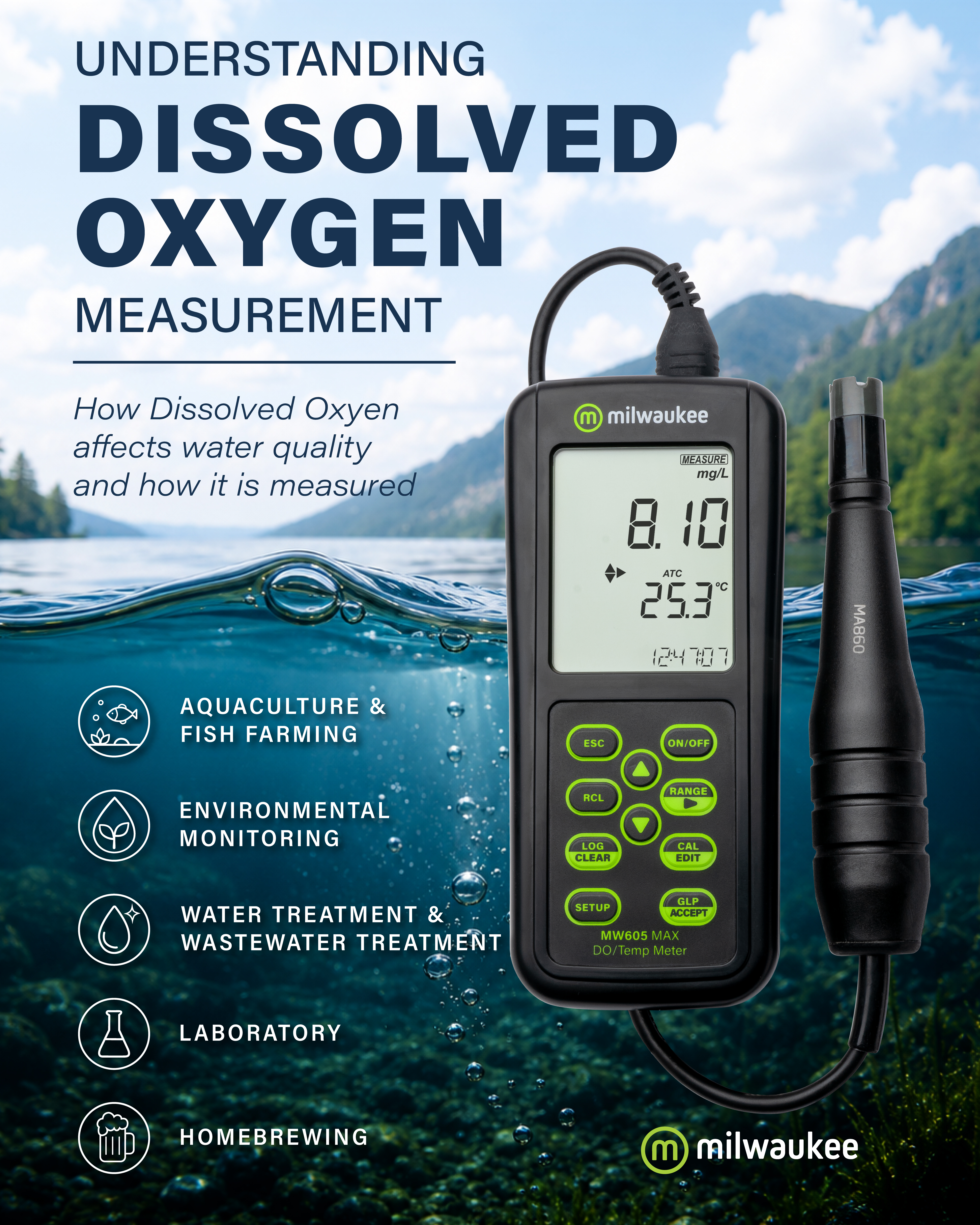
Understanding
Dissolved Oxygen Measurement
How Dissolved Oxygen Affects Water Quality and How It Is Measured
Dissolved oxygen (DO) is one of the most important indicators of water quality. It directly affects aquatic life, biological treatment processes, and countless industrial and environmental applications.
Learn how electrochemical dissolved oxygen sensors work, what affects measurement accuracy, and the key differences between polarographic and galvanic sensor technologies.
This practical guide also covers calibration, maintenance, common measurement mistakes, and expert tips to help you achieve reliable dissolved oxygen measurements in any application.
View full study >>
Understanding
CO₂ and Its Impact on Water pH
How Carbon Dioxide Influences Water Chemistry and pH Levels
Carbon dioxide plays a key role in water chemistry. When CO₂ dissolves in water, it forms carbonic acid, increasing hydrogen ion concentration and lowering pH.
As atmospheric CO₂ levels rise, more of the gas is absorbed into oceans and other water systems, gradually shifting their chemical balance and affecting overall water quality.
Understanding this process is essential for environmental monitoring, aquaculture, and any application where accurate pH measurement is critical.
View full study >>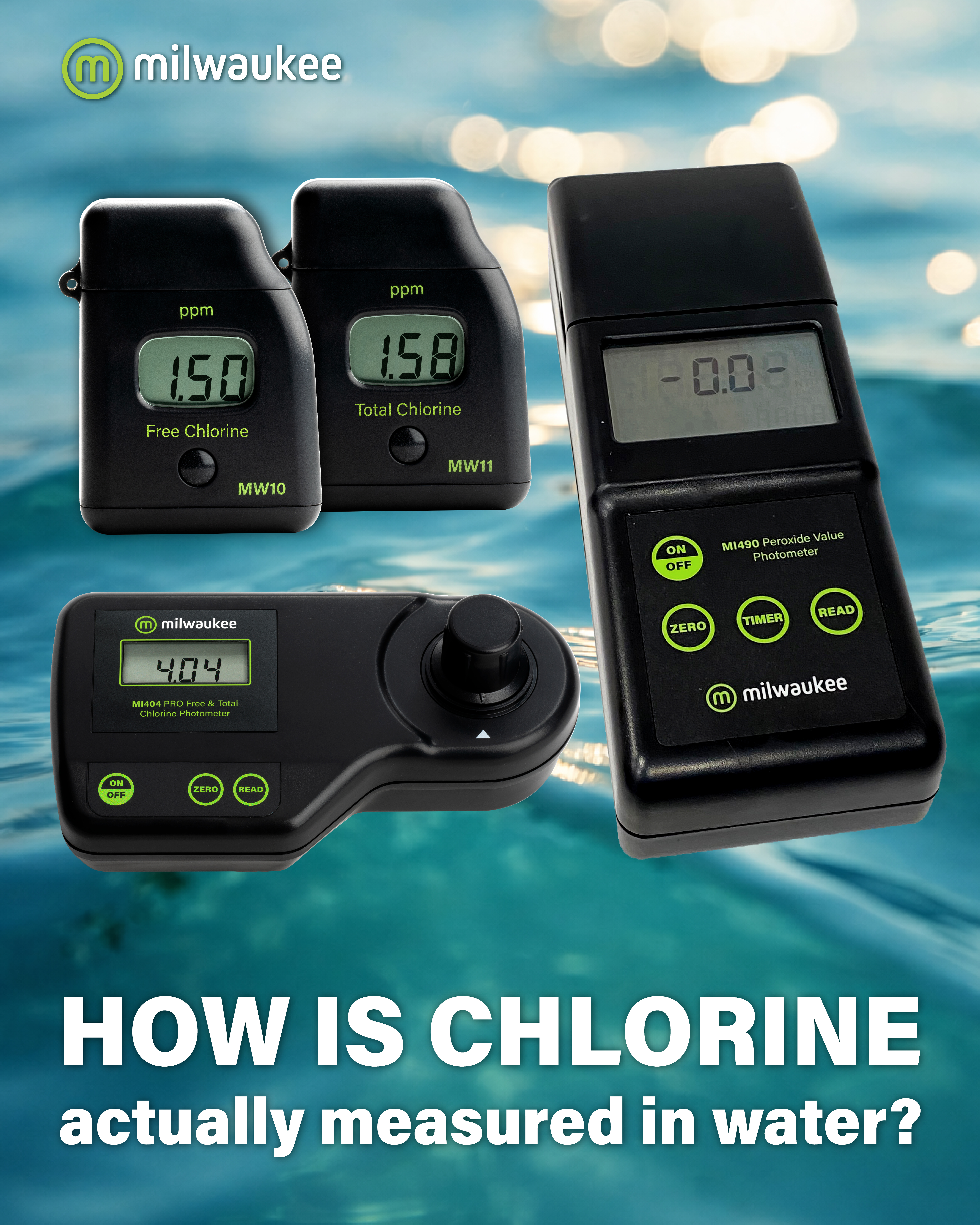
Understanding
Colorimetric Water Testing
How Digital Measurement Improves Accuracy in Water Analysis
Colorimetric testing is widely used to determine the concentration of substances such as chlorine in water. By adding a reagent, the sample develops a color whose intensity is directly related to the concentration of the measured parameter.
Traditional visual test kits rely on comparing colors by eye, which can introduce subjectivity and limit accuracy. Digital colorimeters eliminate this uncertainty by measuring light absorbance, providing consistent and reliable results.
Understanding how light, wavelength, and sample conditions affect measurements helps ensure better testing practices and more dependable water quality control.
View full study >>
Understanding
How Soil Amendments Change NPK, pH, and EC
A step-by-step garden soil study tracking nutrient availability and conductivity after compost and fertilizer applications
Healthy soil is about more than adding fertilizer. Nutrient availability, soil pH, and electrical conductivity (EC) all play a role in supporting plant growth and overall soil performance.
In this practical garden soil study, we monitored how compost, manure, organic fertilizer, and chemical fertilizer affected NPK levels, pH, and EC over time.
The results demonstrate how soil chemistry evolves through each treatment stage and highlight the importance of testing when making nutrient management decisions.
View full study >>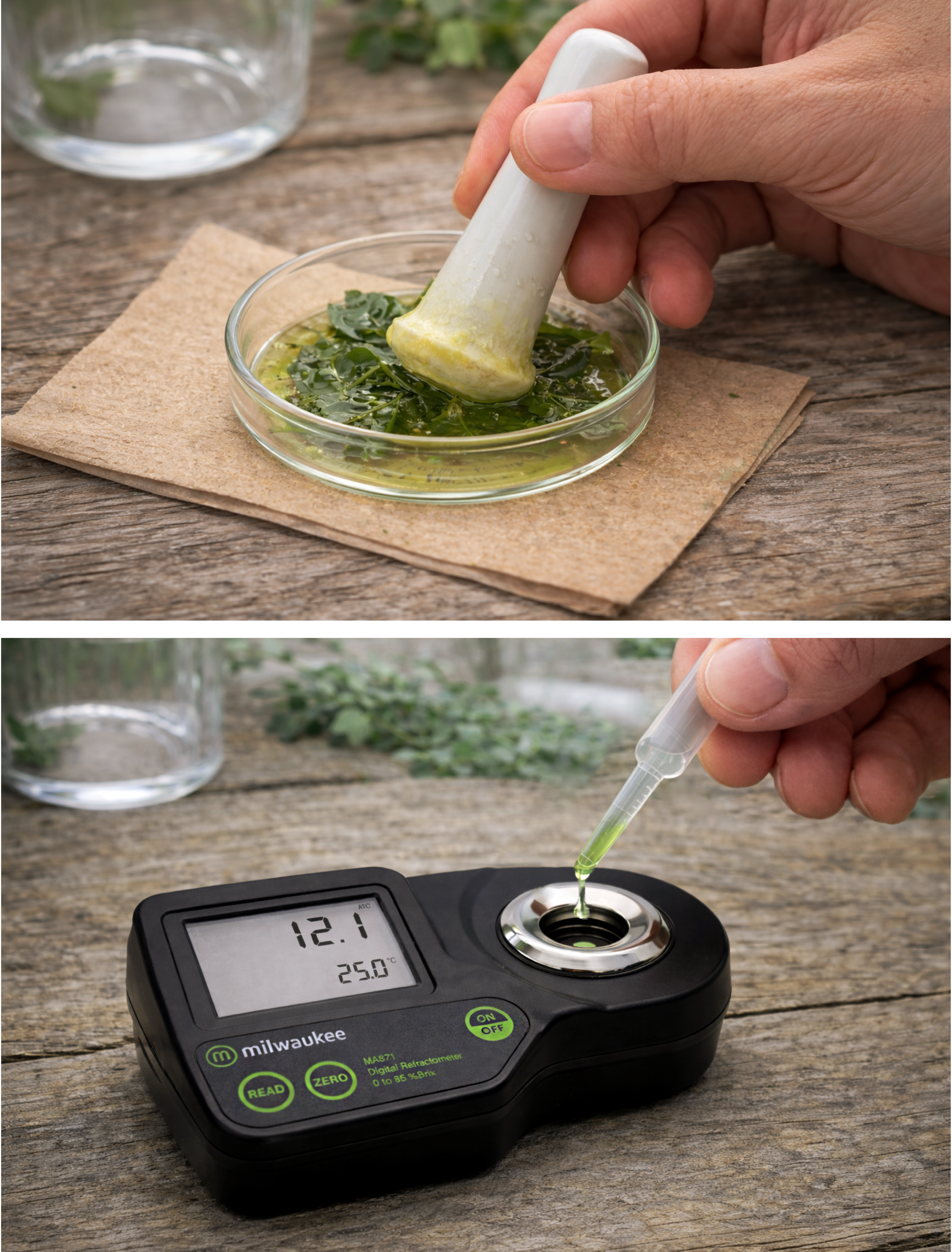
Brix in Hydroponics & Gardening
A scientific perspective on plant performance and crop quality
Brix refractometry is increasingly applied in horticultural production as a practical method for assessing plant physiological performance and crop quality. While conventional monitoring tools such as pH and electrical conductivity (EC) provide essential information regarding nutrient solution composition, they do not directly reflect the plant’s internal metabolic state.
Brix measurement, based on refractive index analysis of plant sap or juice, estimates the concentration of dissolved solids, including sugars, organic acids, amino acids, and mineral compounds. In hydroponic and soil-based systems, Brix values may serve as indirect indicators of photosynthetic efficiency, nutrient assimilation, stress response, and fruit quality development.
Although not a standalone diagnostic method, Brix refractometry provides growers with an additional layer of physiological insight for optimizing plant performance and harvest quality.
Click here to download >>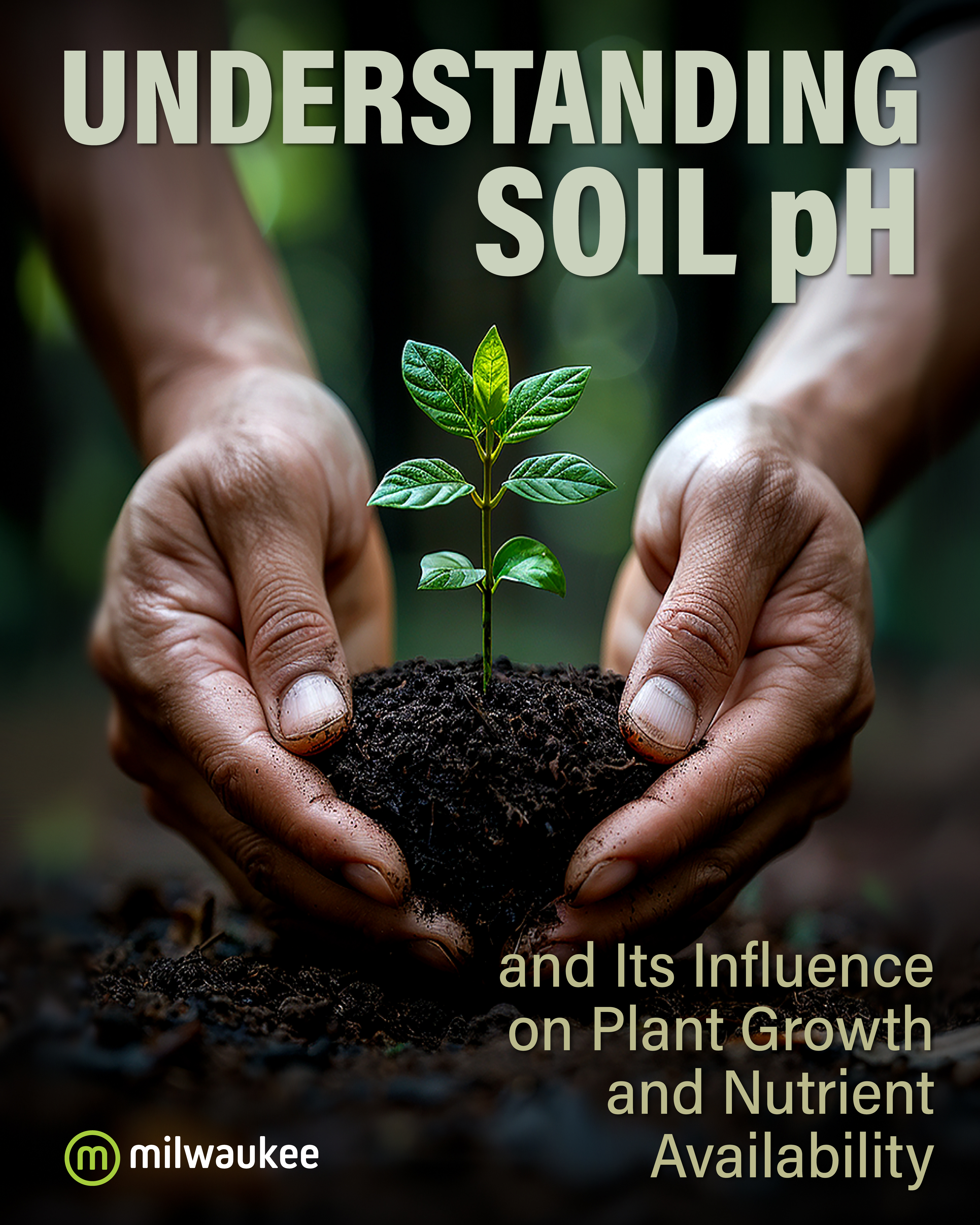
Understanding Soil pH
And Its Influence on Plant Growth and Nutrient Availability
Soil is a complex and dynamic system that supports plant life by providing physical structure, water, nutrients, and biological activity. Soil pH affects chemical reactions in the soil environment, determines nutrient availability, influences microbial activity, and ultimately plays a central role in plant growth and productivity.
Soil pH directly controls the solubility and mobility of many mineral nutrients, and even small shifts in pH can significantly alter nutrient availability. As a result, understanding and monitoring soil pH is a fundamental aspect of soil management in both agriculture and horticulture.
When soil pH falls outside the preferred range of a particular plant species, symptoms such as poor growth, chlorosis, or nutrient deficiencies may appear despite adequate fertilization.
Click here to download >>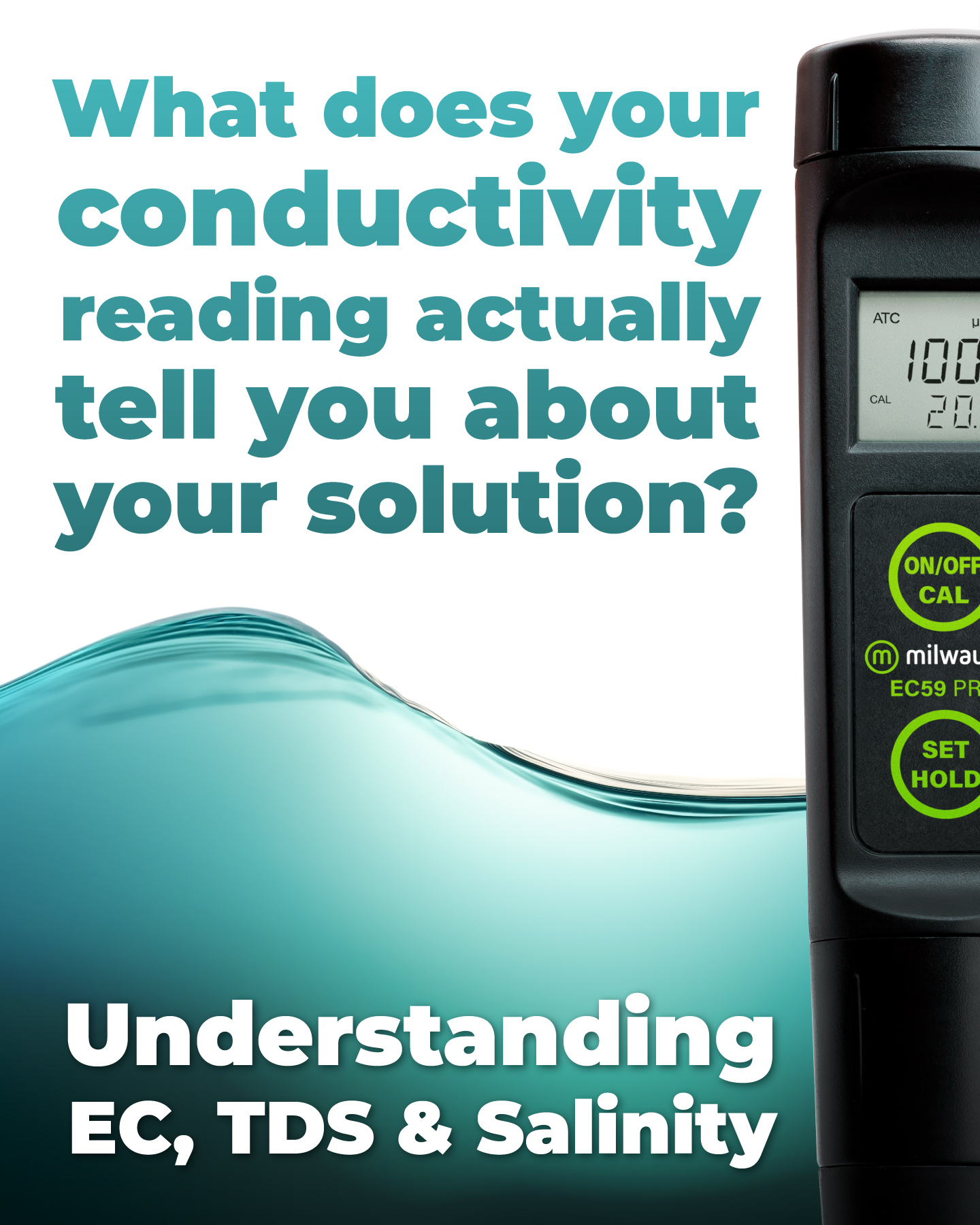
Conductivity, TDS & Salinity
A practical guide to EC measurement and what it really tells you
Conductivity (EC) is one of the fastest ways to assess the ionic content of a solution—making it essential in applications like hydroponics, agriculture, aquaculture, water treatment, and many industrial processes. But EC is often misunderstood, especially when it’s used to estimate TDS (ppm) or monitor salinity.
This study explains the fundamentals of conductivity, how EC relates to TDS and salinity, and why temperature compensation and conversion factors matter for reliable results. It also compares common measurement approaches, including 2-electrode, 4-ring, and toroidal methods—plus the most common sources of error and how to avoid them.
If you’re selecting a meter, setting up a routine, or troubleshooting inconsistent EC readings, this guide will help you make more confident decisions and get measurements you can trust.
Click here to download >>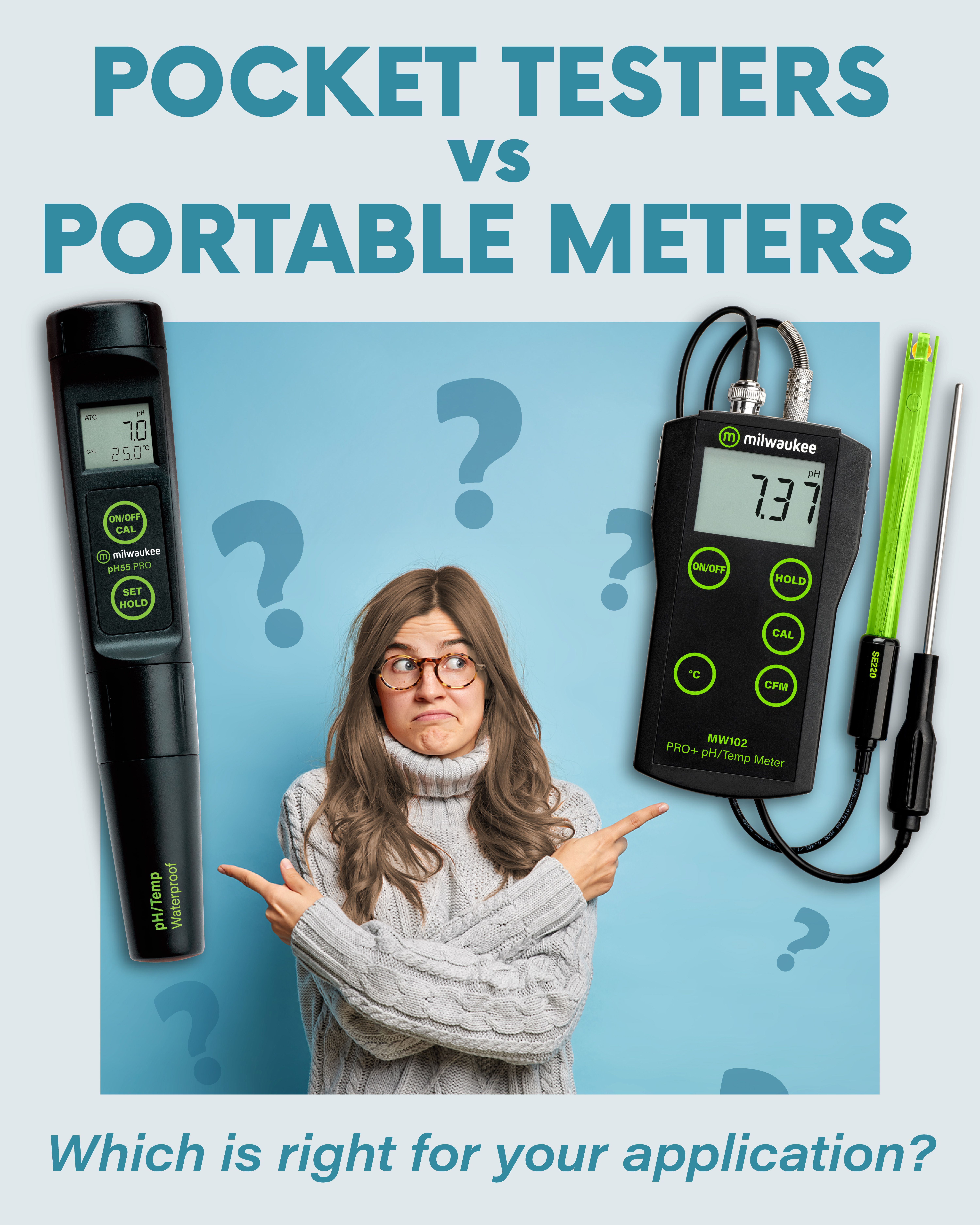
Pocket Testers vs. Portable Meters
Choosing the right pH measurement tool for your application
Accurate pH measurement is essential in applications ranging from agriculture and aquaculture to water treatment, food processing, and laboratory analysis. Yet selecting the right instrument is not always straightforward. One of the most common questions professionals face is whether a pocket tester or a portable pH meter is the best fit for their needs.
While both tools are designed to measure pH, they differ significantly in terms of accuracy, electrode design, calibration capabilities, durability, and long-term performance. Using the wrong instrument for the application can lead to inconsistent readings, reduced confidence in results, and unnecessary replacement costs.
This study explores the key differences between pH testers and portable pH meters, explaining how each works, where each excels, and which factors truly matter when reliability and measurement accuracy are critical.
Click here to download >>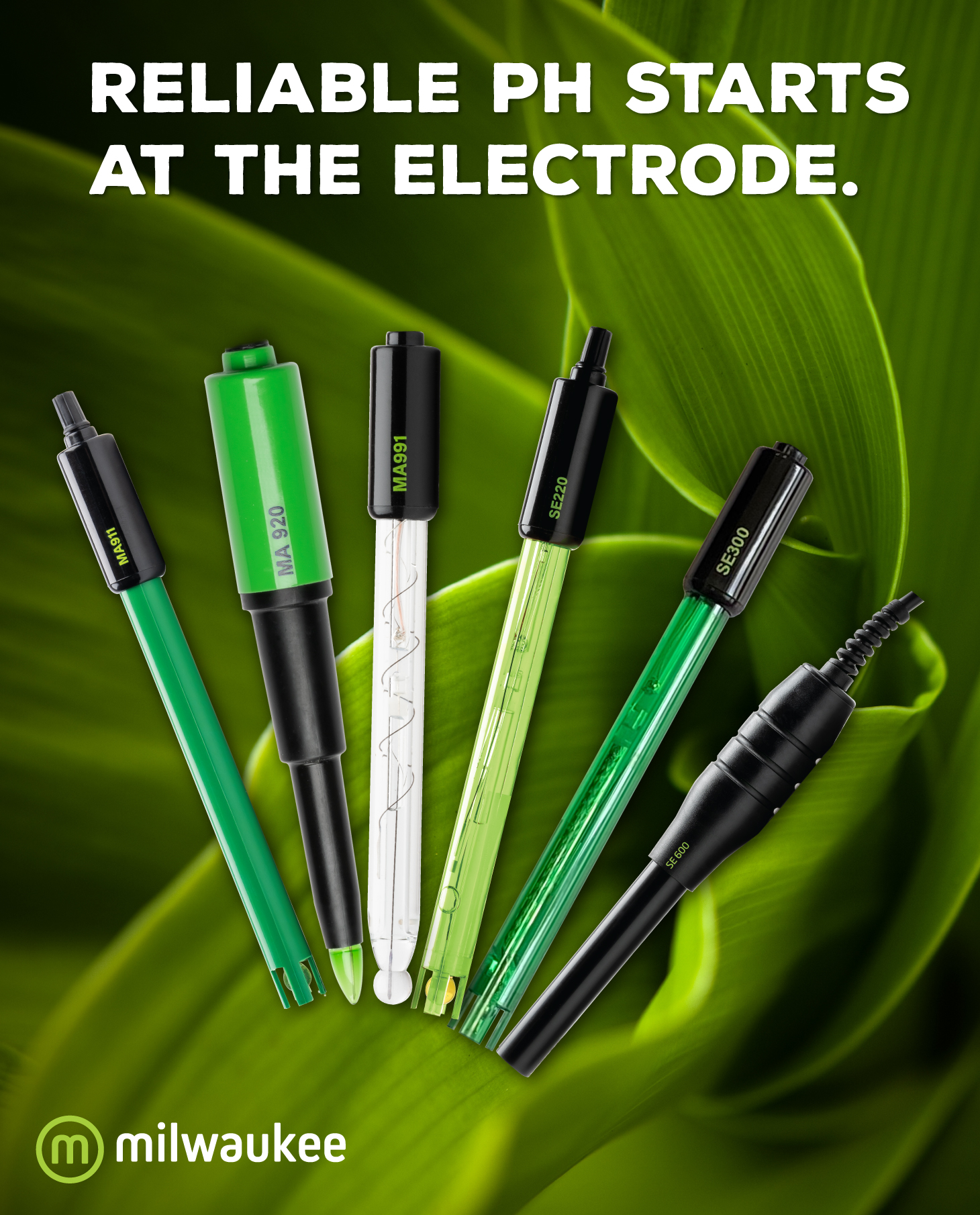
Reliable pH Measurement
Reliable pH starts at the electrode
Accurate pH measurement is critical across countless applications—from agriculture and brewing to water treatment, food production, and aquaculture. Decisions based on pH values directly impact product quality, process efficiency, and biological performance.
While pH meters are widely trusted, far less attention is given to the condition of the pH electrode itself. Over time, aging, contamination, temperature, and improper maintenance can cause electrodes to drift outside acceptable tolerances—often without the user realizing it.
This study explains how pH electrodes work, why millivolt (mV) signals are the true indicator of electrode performance, and how slope and offset values can be used to determine whether a probe is still providing reliable measurements.
Click here to download >>
pH of Hot Sauce
Why accurate pH control matters in acidified and fermented hot sauces
Hot sauces are classified as acidified foods, where acidity is achieved through added acids such as vinegar or through natural fermentation processes. Maintaining proper pH is essential for ensuring product safety, shelf stability, and consistent quality.
To inhibit the growth of Clostridium botulinum, acidified foods must maintain a finished equilibrium pH below 4.6. Because many hot sauce formulations operate close to this regulatory threshold, accurate and repeatable pH measurement is a critical quality control requirement throughout production.
This study examines pH measurement challenges in hot sauce production, including high solids content, active fermentation, and temperature variation, and explains how reliable, temperature-compensated measurements support regulatory compliance and consistent product outcomes.
Click here to download >>