Your shopping cart is currently empty.

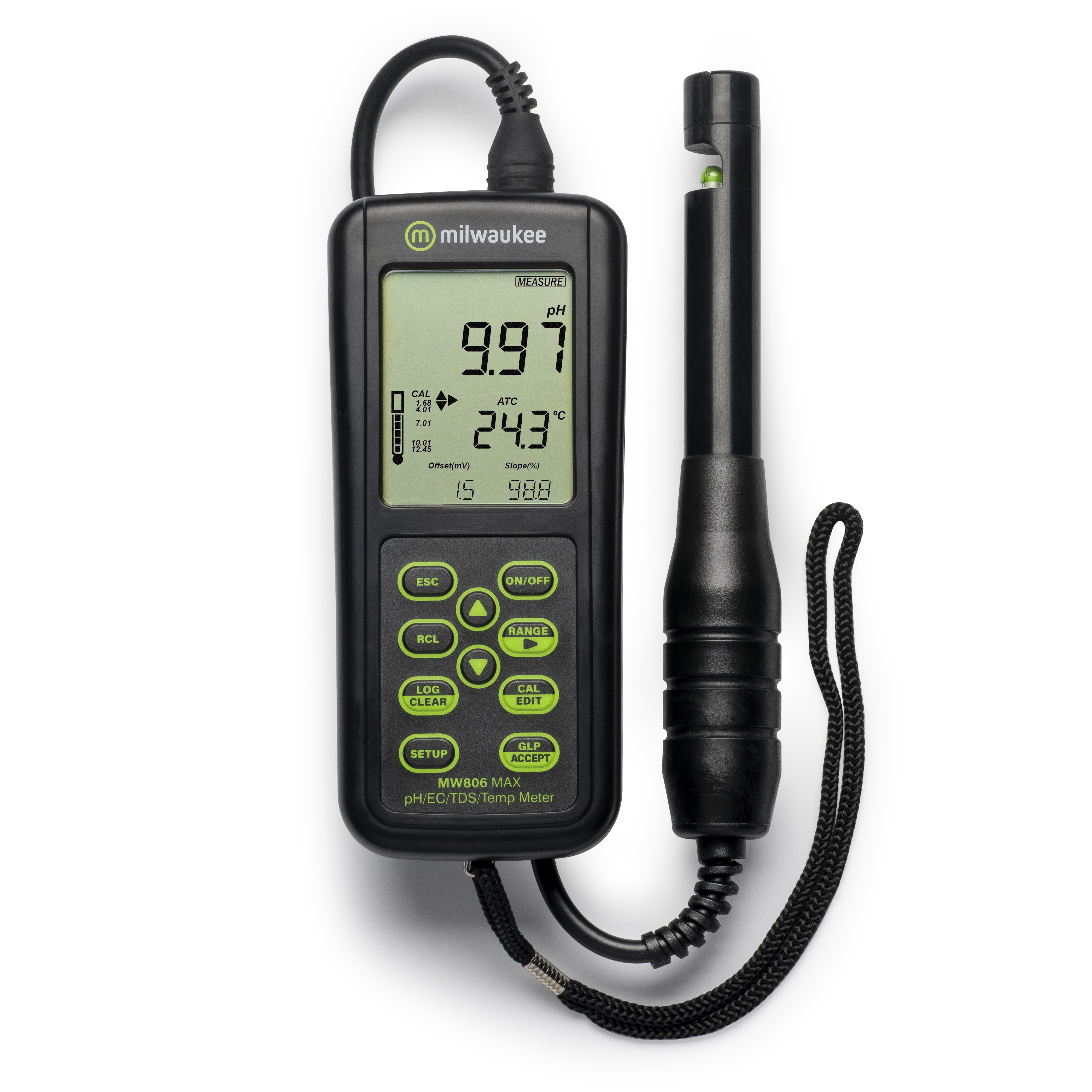
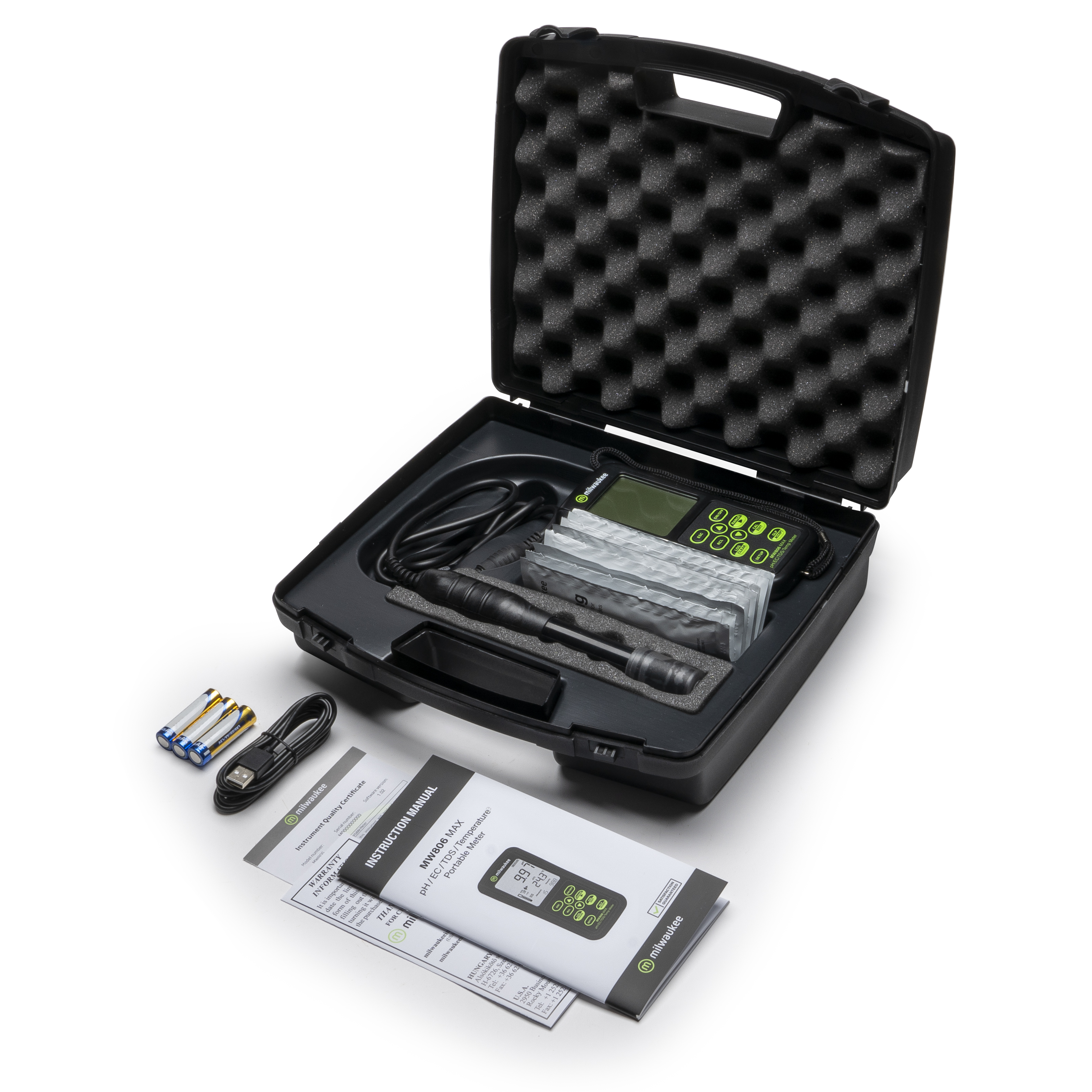
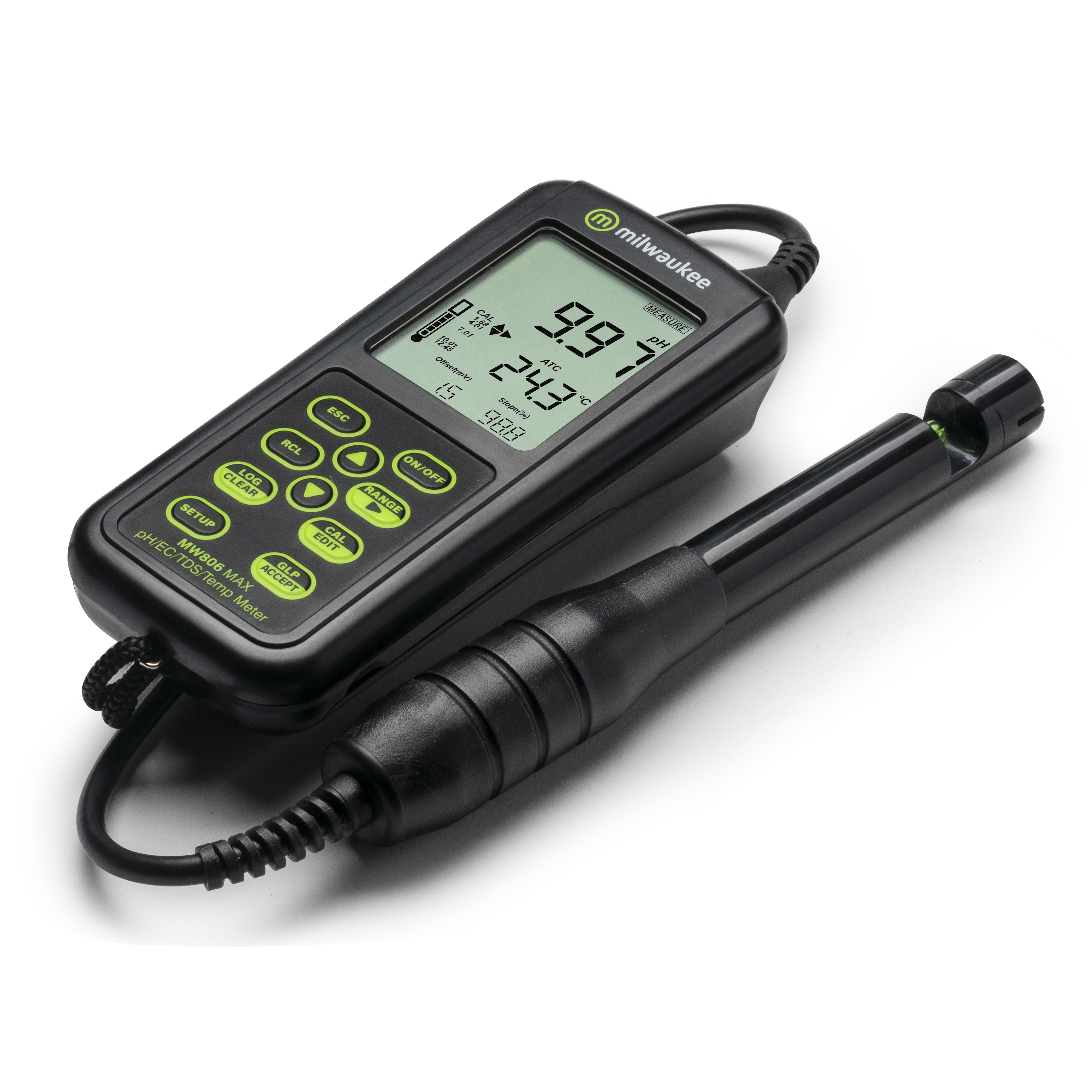
Milwaukee MW806 MAX Waterproof 4-in-1 pH/EC/TDS/Temp Combo Meter – Portable Power for Precision Water Testing
When it comes to managing water quality on the go – whether in a hydroponic greenhouse, a fish farm, a vineyard, or a swimming pool – reliable, multi-parameter testing is essential. The Milwaukee MW806 MAX delivers exactly that: a rugged, portable, and easy-to-use 4-in-1 tester that brings lab-level accuracy to the palm of your hand. Measuring pH, electrical conductivity (EC), total dissolved solids (TDS), and temperature, this waterproof combo meter is engineered for professionals and enthusiasts who need fast, precise data wherever their work takes them.
Whether you’re balancing nutrient solutions in a hydroponic system, checking the stability of aquarium water, verifying irrigation water quality, or ensuring the perfect environment for fermentation, the MW806 gives you the tools to do it confidently and efficiently. Its automatic temperature compensation (ATC), replaceable probe, and automatic calibration make daily testing routines smoother and more reliable – freeing you to focus on the task at hand.
Designed with durability in mind, the MW806 is ideal for both field and lab use. Its sleek, IP67-rated waterproof body is built to withstand splashes, spills, and rugged conditions – perfect for hands-on professionals in agriculture, aquaculture, environmental testing, and more.
Why Choose the Milwaukee MW806 MAX?
- 4-in-1 Functionality: Combines pH, EC, TDS (in g/L), and temperature measurement in one compact device – saving time, space, and effort.
- Fast, Accurate Readings: Delivers reliable results with high accuracy and a quick response time, ideal for daily testing across various industries.
- Easy Calibration: Features automatic Features automatic pH calibration up to 5 points with on-screen prompts to maintain peak accuracy.
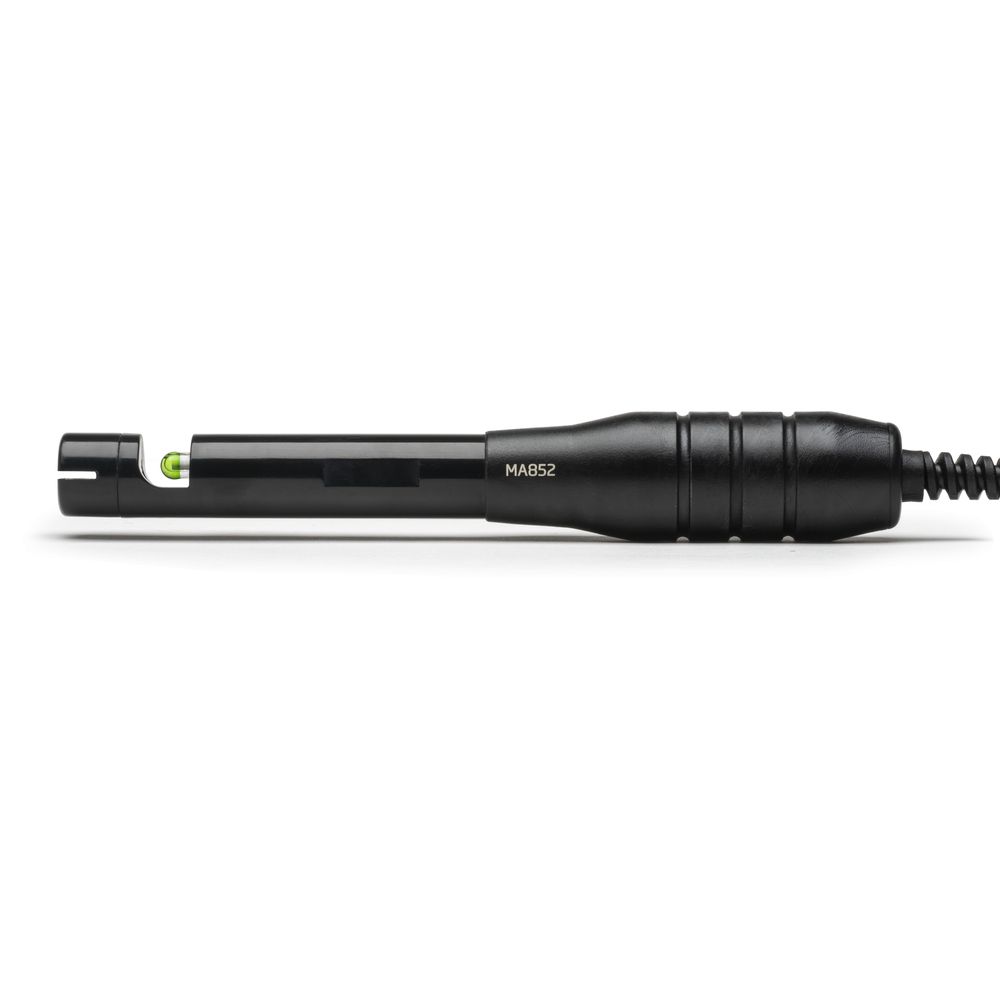
- Replaceable Probe: Equipped with a removable MA852 pre-amplified pH/EC/TDS/Temp probe, reducing long-term maintenance costs.
- Portable design: lightweight enough to carry comfortably in any setting.
- Automatic Temperature Compensation (ATC): Ensures accurate results even when sample temperatures vary.
- User-Friendly LCD Display: Large dual-level LCD screen shows multiple parameters clearly at once, with battery level indicator and auto-off function.
- Battery-Powered with Long Life: Includes 3x 1.5V batteries for up to 200 hours of continuous operation – perfect for mobile professionals.
Versatile Applications of MW806 MAX
1. Hydroponics & Horticulture
· Monitoring nutrient levels and pH to ensure optimal plant growth
· Preventing nutrient lockout or deficiencies
2. Agriculture
· Checking irrigation water quality
· Managing soil and fertigation solution pH and conductivity
3. Aquariums & Aquaculture (Fish, KOI, Shrimp)
· Maintaining ideal water parameters for fish health
· Monitoring EC/TDS and pH stability in freshwater and lower-salinity systems within the meter's measurement range
4. Swimming Pools & Spas
5. Water Treatment & Purification
· Verifying pH and TDS of input/output water
· Supporting routine monitoring against applicable water-quality targets
6. Environmental & Field Testing
· On-site testing of lakes, rivers, or groundwater
· Field-ready design with waterproof housing and multiple parameters
7. Industrial Water Monitoring
· Monitoring cooling towers, boilers, or process water
· Ensuring operational efficiency and corrosion control
8. Food & Beverage Production
· Water quality testing in beverage preparation or ingredient processing
· Monitoring cleaning water quality
9. Homebrewing
- Ensuring pH and water quality for brewing consistency
10. Education & Laboratories
· Teaching water chemistry concepts
· Quick, multi-parameter testing for lab experiments
Proper Care & Maintenance
To keep your MW806 performing at its best:
- Rinse After Use: Always rinse the probe with clean water after testing, especially when switching between different solutions.
- Calibrate Regularly: Use fresh calibration solutions for pH and EC to ensure ongoing accuracy. Calibrate frequently if using the meter in varying environments.
- Store Properly: When not in use, store the meter in a clean, dry place. Always keep the pH probe moist with the appropriate storage solution to prevent drying.
- Replace Probes as Needed: The MA852 probe is replaceable—monitor performance over time and replace it when readings become erratic or calibration fails.
- Avoid Cross-Contamination: Don’t dip the probe into multiple solutions without rinsing, to maintain measurement integrity.
Experience the power of portable precision with the Milwaukee MW806 MAX—your go-to solution for fast, accurate, and reliable multi-parameter water testing.
Specifications
pH Range: -2.00 to 20.00 pH
EC Range: 0.00 to 20.00 mS/cm
TDS Range: 0.00 to 10.00 ppt (g/L)
Temperature Range: -20.0 to 120.0°C / -4.0 to 248°F
pH Resolution: 0.01 pH
EC Resolution: 0.01 mS/cm
TDS Resolution: 0.01 ppt (g/L)
Temperature Resolution: 0.1°C / 0.1°F
pH Accuracy: ±0.01
EC/TDS Accuracy: ±2% Full Scale
Temperature accuracy: ±0.5°C / ±0.9°F
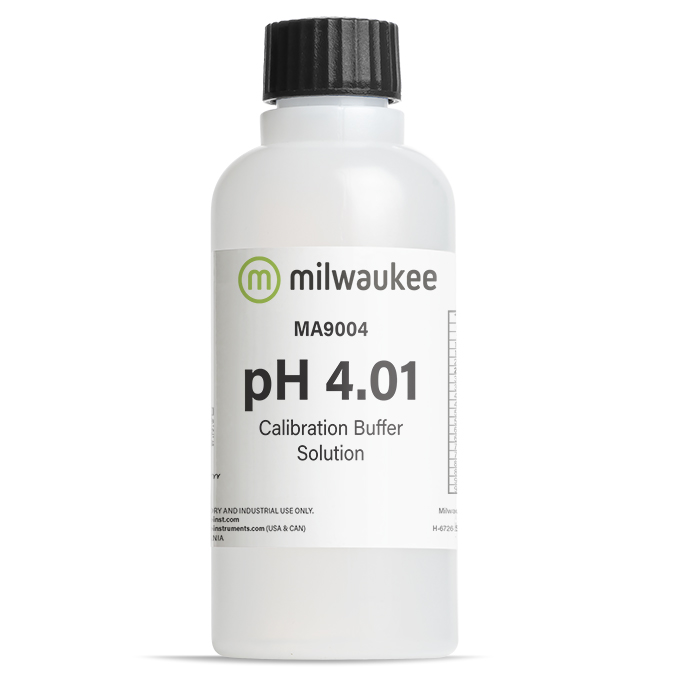
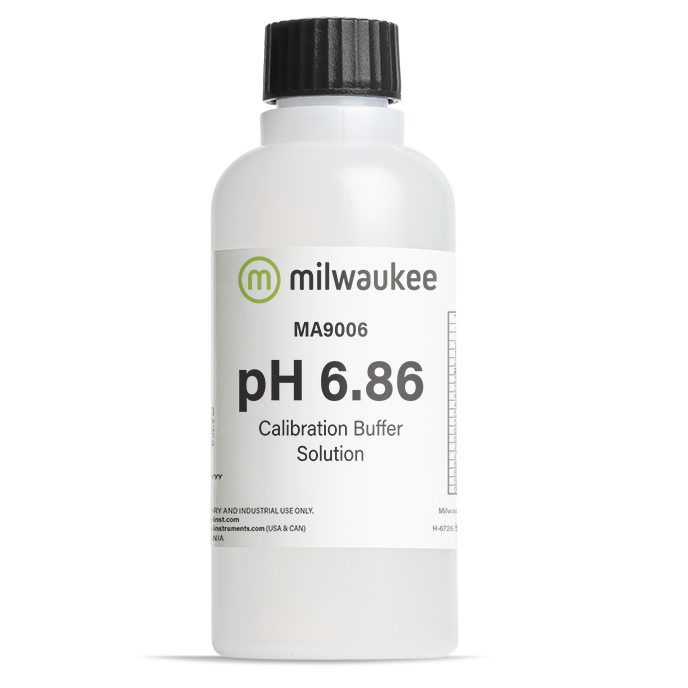
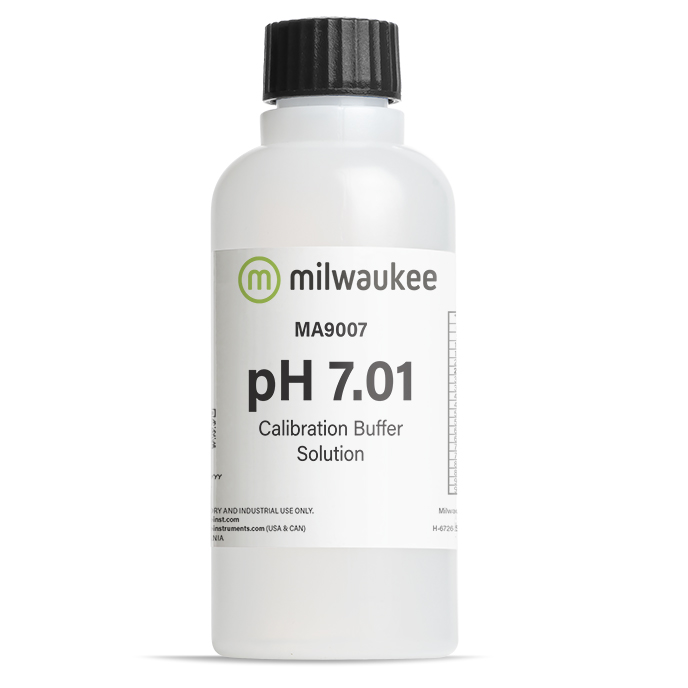
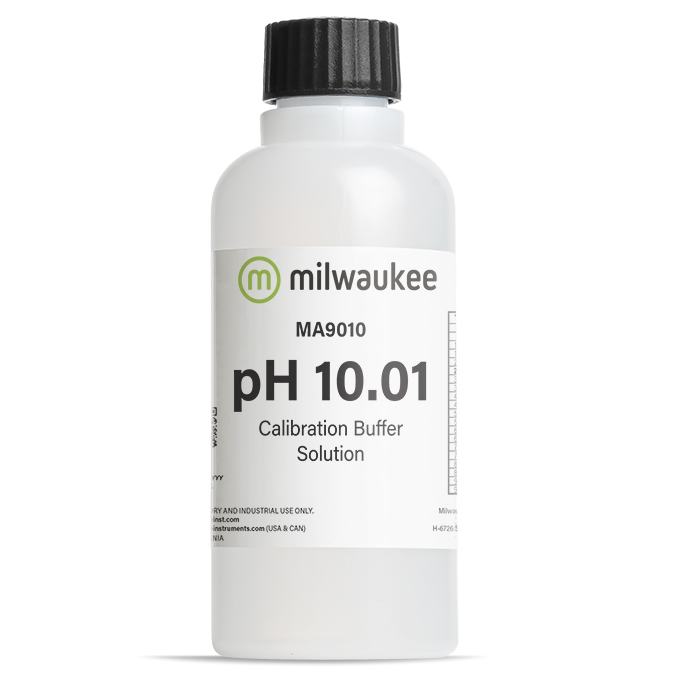
Calibration pH: Automatic up to 5 - point pH, 7 Standard Calibration Buffers: pH1.68; 4.01; 6.86; 7.01; 9.18, 10.01; 12.45 and 2 Custom Buffers
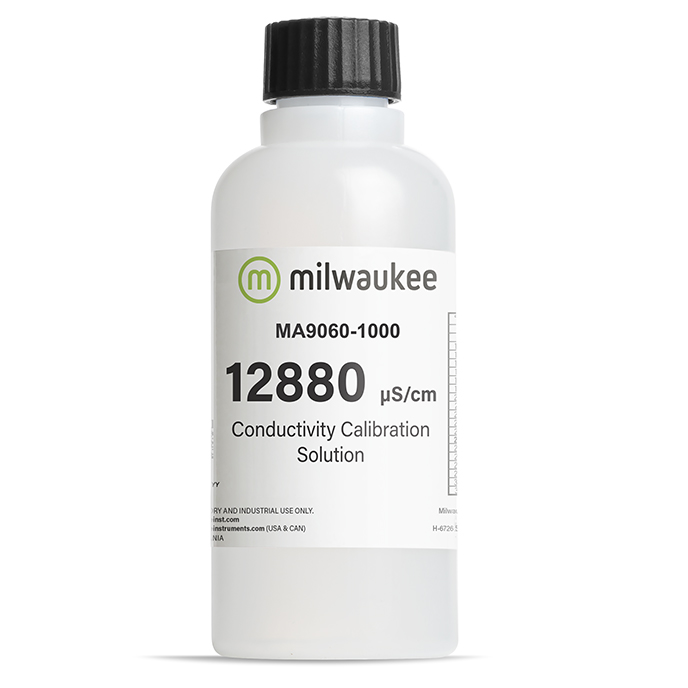
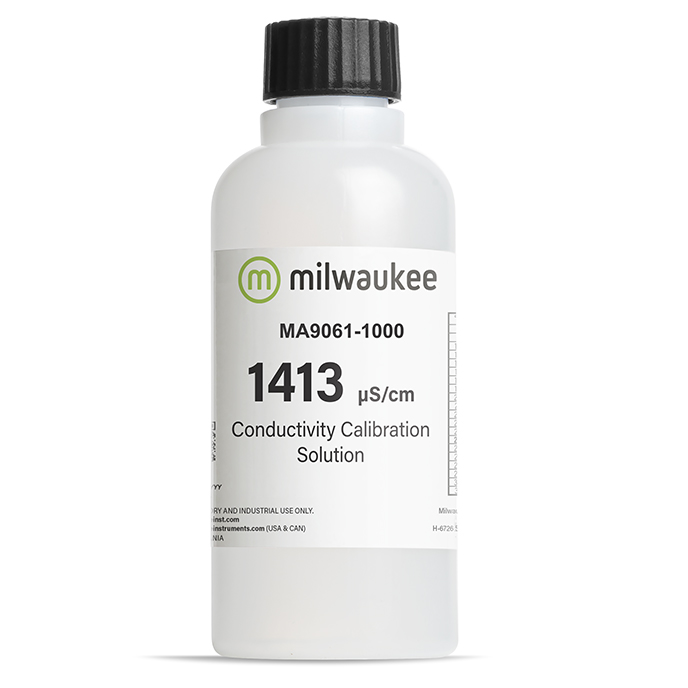
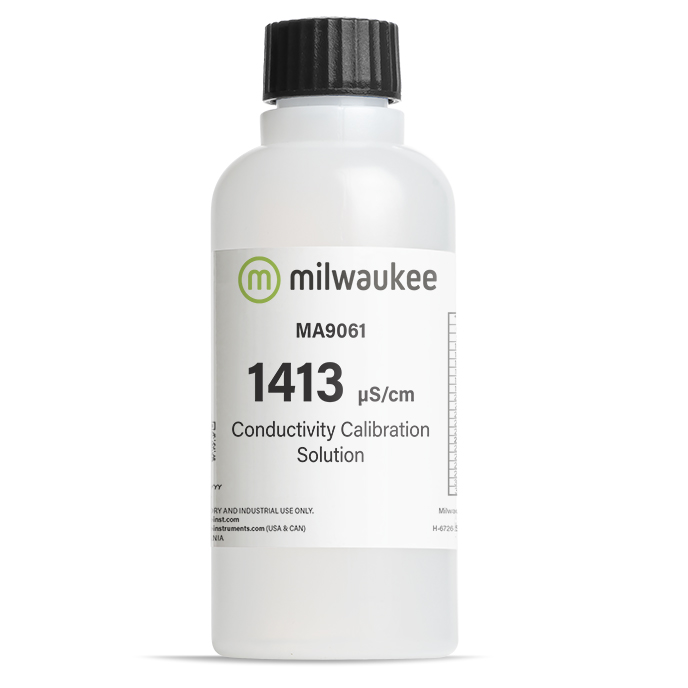
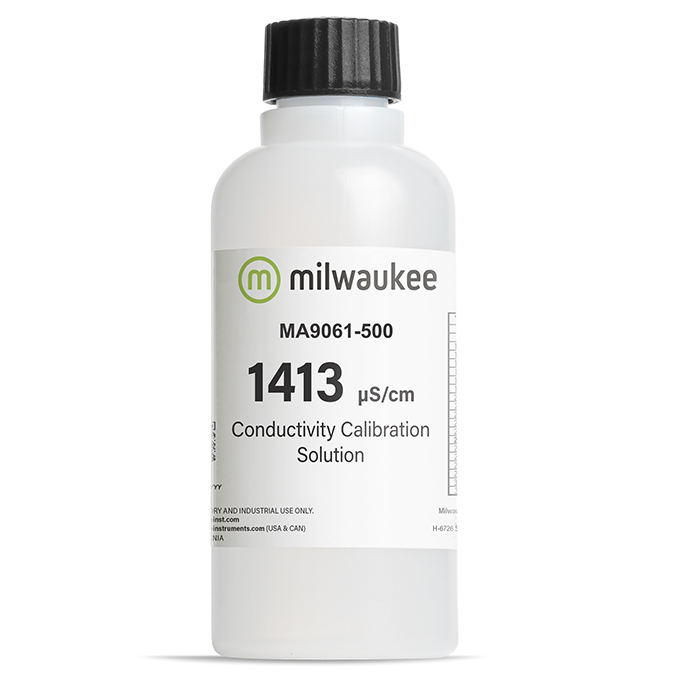
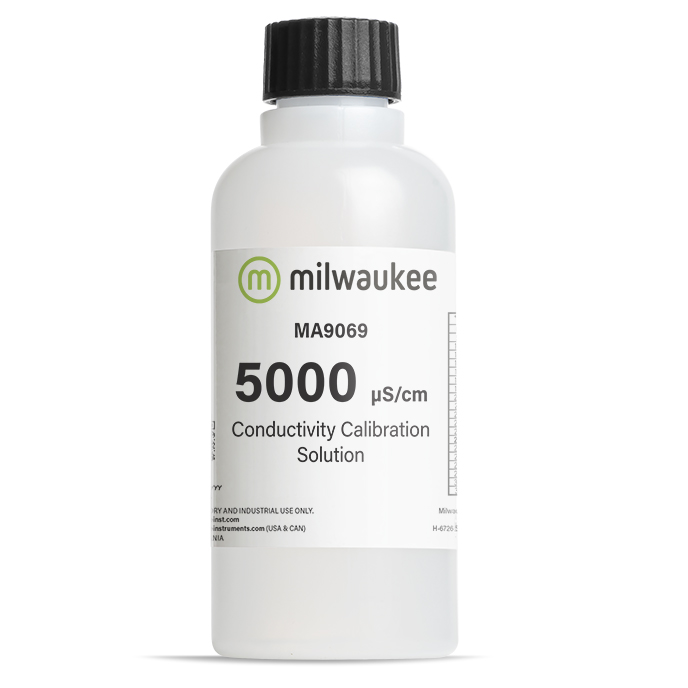
Calibration EC/TDS: Single Cell Factor Calibration; 3 Standards: 1413 μS/cm; 5.00 mS/cm; 12.88 mS/cm / One- point Offset: 0.00 mS/cm
Temperature Calibration: Factory Calibrated
Temperature Compensation: Automatic (ATC) from -20 to 120°C (-4 to 248°F) | Manual (MTC) from -20 to 120°C (-4 to 248°F)
Conductivity temperature coefficient: 0.00 to 6.00 % /ºC (EC & TDS only) | Default value: 1.9 %/ºC
TDS Factor: 0.40 to 0.80; default value: 0.50
Logging Memory: Up to 1,000 log records (stored in up to 100 lots) | On demand, up to 200 logs | on Stability, up to 200 logs | Interval logging, up to 1,000 logs | Parameter-Specific log storage location
PC connectivity: 1 micro USB port
Battery Type: 3 X 1.5V Alkaline AA batteries (included) | Approximately 200 hours of use
Environment: 0 to 50°C / 32 to 122°F; max RH 95%
Dimensions Meter: 7.9 x 3.3 x 2 inches (200 x 85 x 50 mm)
Auto-off: After 10 minutes of non-use
Casing: IP67 protection level
Weight Meter: 260 g (0.57 lb)
Dimensions Packaging: 12 x 11 x 4.5 inches (305 x 280 x 115 mm)
Weight Packaged: 3.2 lbs. (1.44 kg)
Probe Specifications: MA852 Amplified pH/EC/TDS/Temp Probe (included)
Range: pH 0 to 13 | Temperature 0.0 to 60.0°C (32.0 to 140.0°F)
EC electrodes: 2 X graphite
Reference: Single, Ag/AgCl
Junction: Cloth
Electrolyte (pH): Gel
Body: ABS
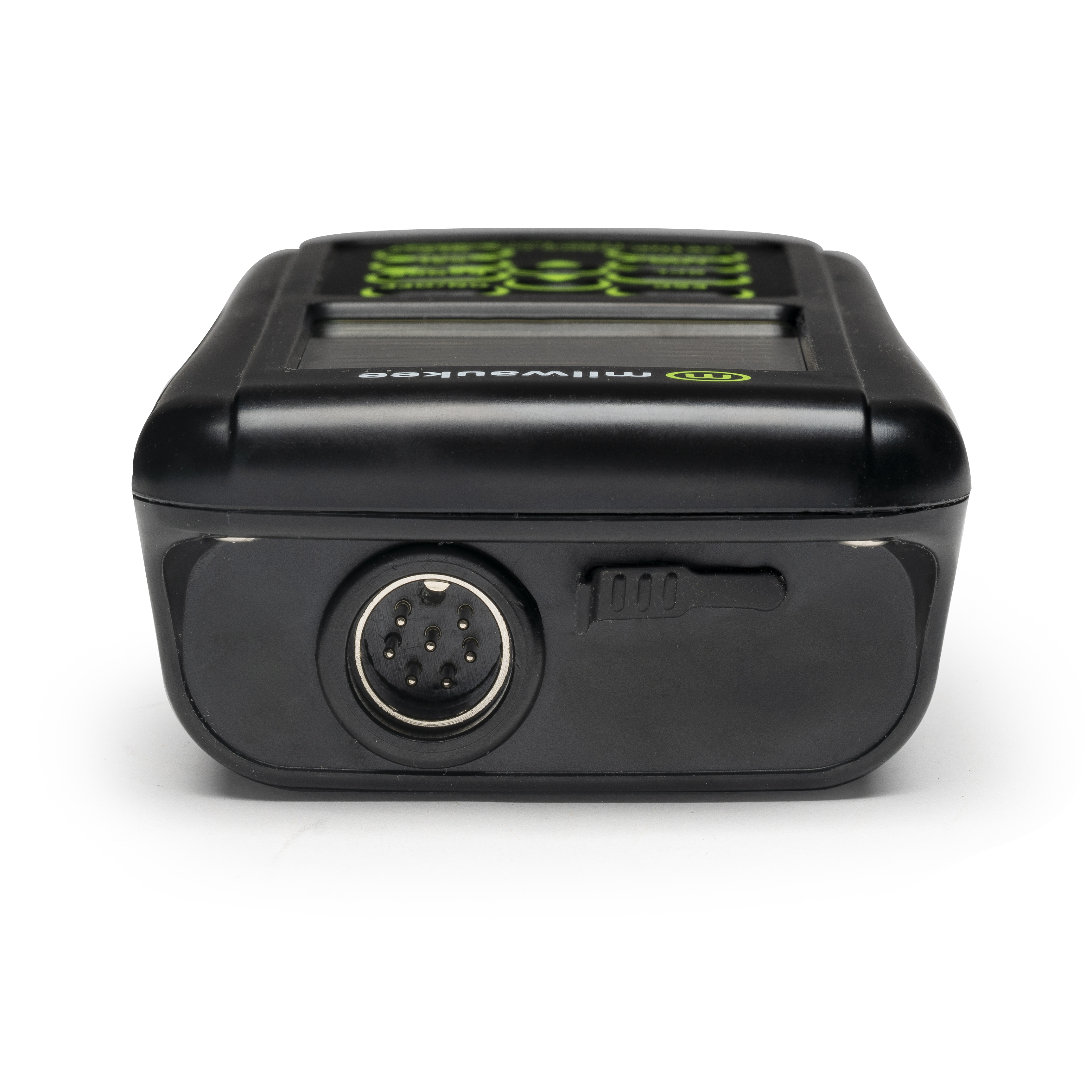
Connection: DIN
Cable: 1 m (3.3')
Application
Hydroponics & Horticulture

In hydroponic and horticultural systems, plant success depends heavily on maintaining the right balance of nutrients and pH in the water or nutrient solution. The Milwaukee MW806 PRO is an essential tool for growers who want to take the guesswork out of this process.
Why Monitoring Matters:
pH Control: Each plant species has an optimal pH range – usually between 5.5 and 6.5 in hydroponics – where nutrient uptake is most efficient. If pH drifts outside this range, plants may experience nutrient lockout, where essential elements like nitrogen, phosphorus, or potassium become unavailable, even if they're present in the solution.
EC and TDS Monitoring: EC (electrical conductivity) and TDS (total dissolved solids) indicate the concentration of dissolved salts, which directly relates to nutrient levels. A reading that’s too high may result in nutrient burn, while one that's too low could signal nutrient deficiency.
Temperature Tracking: Solution temperature affects both nutrient uptake and dissolved oxygen levels. Keeping it within an ideal range (typically 18–22°C / 65–72°F) helps prevent root stress and supports healthy growth.
With the MW806, you can instantly check and adjust your nutrient solution to maintain ideal growing conditions – whether you're cultivating leafy greens, herbs, tomatoes, or ornamentals.
How to Use the MW806 in Hydroponics & Horticulture
1. Prepare Your Nutrient Solution
· Mix your nutrients according to manufacturer instructions.
· Let the solution stabilize before testing (allow several minutes for temperature and mixing).
2. Turn On the MW806
· Press the power button. The meter starts in the previously selected measurement mode. Use the RANGE key to switch between pH, EC, and TDS; temperature is shown on the second display line..
3. Immerse the Probe
· Submerge the probe tip into the nutrient solution.
· Stir gently to ensure accurate and consistent readings.
4. Read the Values
Wait for the readings to stabilize (usually
within seconds).
Note the pH, EC (in mS/cm), TDS (in g/L), and temperature.
· Compare readings to the ideal ranges for your specific crop.
5. Adjust if Necessary
· pH too high or low? Add pH down or pH up solution slowly, then retest.
· EC/TDS too low? Add nutrients.
· EC/TDS too high? Dilute with fresh water to avoid overfeeding.
6. After Testing
· Rinse the probe with clean water to prevent residue buildup.
· Replace the protective cap (with a few drops of storage solution for the pH probe) if not testing again immediately.
7. Calibrate Regularly
· Use pH 7.01 and 4.01 buffer solutions for pH calibration.
· Use 1.413 mS/cm solution for EC calibration.
· Calibrate at least once a week during heavy use.
By integrating daily testing with the MW806 into your growing routine, you can optimize nutrient uptake, reduce crop stress, and improve yields – all while saving on unnecessary fertilizer use and correcting issues before they impact plant health.
Agriculture

Water quality is one of the most critical – yet often overlooked – factors in agricultural productivity. Whether you're managing row crops, orchards, or greenhouse operations, the Milwaukee MW806 MAX helps ensure that your irrigation water and fertigation solutions are supporting, not hindering, plant health.
Why Monitoring Matters:
- Irrigation Water Quality: Poor-quality water with incorrect pH or high levels of dissolved salts (TDS/EC) can lead to soil salinity, poor nutrient absorption, or even crop toxicity. Monitoring these parameters helps prevent long-term damage to both plants and soil structure.
- Fertigation Management: Fertigation (the application of fertilizers through irrigation systems) requires careful control of nutrient concentration and pH to ensure nutrients are delivered in a form plants can absorb. If pH is outside the recommended range (typically 5.5 to 7.5, depending on the crop), nutrients like iron or phosphorus can become unavailable.
- Soil Solution Testing: By testing the leachate (water drained from soil), you can understand what nutrients remain available and whether salts are building up – a key insight for making irrigation and fertilizer adjustments.
The MW806 allows agricultural professionals to make informed decisions in real time, minimizing resource waste, optimizing yields, and protecting soil health for long-term sustainability.
How to Use the MW806 in Agriculture
1. Irrigation Water Testing
· Collect a sample of water from your irrigation source (well, pond, or tank).
· Turn on the MW806 and immerse the probe into the sample.
· Wait for readings to stabilize, then note:
pH – Should be between 6.0–7.5 for most crops.
EC/TDS – Low values (0.1–0.7 mS/cm) are typically good; values above 1.5 mS/cm may require treatment or dilution.
Use these results to determine if your water needs pH adjustment or if high salt levels could stress your crops.
2. Fertigation Solution Testing
· Before application, mix your nutrient solution according to guidelines.
· Test with the MW806 to ensure:
pH is within the crop’s ideal uptake range.
EC/TDS is at the target nutrient concentration (varies by crop and stage).
· Adjust as needed using pH up/down or by modifying fertilizer dosage.
Ensures you're delivering the right balance of nutrients without risking over-fertilization.
3. Soil Solution (Leachate) Testing
· Collect runoff or leachate from soil after irrigation.
· Test the solution using the MW806 to evaluate what’s actually reaching the root zone.
· High EC values may indicate salt accumulation, while low nutrient levels suggest underfeeding.
Provides insight into nutrient availability and soil health.
Best Practices
· Calibrate weekly during heavy use (especially for pH and EC).
· Rinse the probe with distilled water between tests to avoid cross-contamination.
· Store the pH probe in storage solution when not in use.
· Use fresh calibration solutions for accurate results.
By using the Milwaukee MW806 MAX regularly, agricultural producers can ensure their water and nutrient inputs are truly benefiting the crop – resulting in healthier plants, higher yields, and more efficient resource use.
Aquariums, Aquaculture & Aquaponics (Fish, KOI, Shrimp)

Maintaining water quality is essential for the health and well-being of aquatic life. Whether you're caring for ornamental fish in an aquarium, raising shrimp or koi in an aquaculture setup, or balancing the symbiotic needs of plants and fish in aquaponics, the Milwaukee MW806 MAX helps ensure that your water parameters remain in the safe zone.
Why Monitoring Matters:
pH Balance: Fish and aquatic organisms are sensitive to pH fluctuations. Most freshwater fish thrive in a range between 6.5 and 7.5, while saltwater species often require 8.0 to 8.4. Sudden pH shifts can lead to stress, disease, or even fatality.
Salinity Monitoring (EC/TDS): Conductivity can be used to track changes in salinity where values remain within the MW806 range. The MW806 is not suitable for measuring the conductivity of normal full-strength seawater. In aquaculture, maintaining the right EC/TDS levels ensures osmoregulatory balance, which is critical for fish health. In aquaponics, stable salinity also impacts plant root function and microbial health.
Temperature Awareness: Water temperature influences oxygen solubility, metabolism, feeding behavior, and immune response. Using the MW806, you can monitor temperature alongside pH and EC/TDS to keep all parameters in harmony.
In aquaponics systems, where fish waste feeds the plants and plants clean the water, imbalances can disrupt the whole ecosystem. The MW806 offers a comprehensive, handheld solution to check all key water quality indicators – quickly, easily, and accurately.
How to Use the MW806 in Aquariums, Aquaculture & Aquaponics
1. Daily Monitoring Routine
· Turn on the MW806 by pressing the power button.
· Remove the protective cap and gently immerse the probe into the tank or sump water.
· Wait for the readings to stabilize – typically within seconds.
· Take note of:
o pH – Confirm it matches the species’ ideal range.
o EC/TDS – Compare conductivity and calculated TDS with the target range for the system being monitored.
o Temperature – Make sure it’s stable and suitable for the fish or aquatic species.
Use these readings to catch imbalances before they become problems.
2. Water Change Checks
· Test tap, well, or reverse osmosis water before adding it to the tank.
· Measure pH and TDS to ensure compatibility with existing tank water.
· Adjust water as needed using buffers or conditioners to prevent stress or shock during water changes.
Protects fish and plants from sudden parameter shifts.
3. Aquaponics Nutrient Balance
· Use the MW806 to test the grow bed or reservoir solution.
· Ensure:
o pH remains stable between 6.8 and 7.2 (ideal for both fish and plants).
o EC/TDS is within the nutrient range needed for plant growth, without overburdening the fish.
· If EC is too high, dilute with fresh water. If too low, consider adjusting feed rates or supplementing nutrients (carefully, to avoid harming fish).
Keeps the aquaponics system balanced, efficient, and healthy.
Best Practices for Aquatic Use
· Rinse the probe with clean, distilled water after each use—especially if testing salty or mineral-rich water.
· Calibrate regularly using pH and EC standards to maintain accuracy.
· Store the pH probe in a proper storage solution, not dry, to preserve the sensor.
· Avoid cross-contamination by never mixing testing tools between systems without cleaning.
The Milwaukee MW806 PRO is an indispensable tool for aquarists, aquaculture professionals, and aquaponic growers alike. Its fast, accurate readings help you create a thriving aquatic environment – supporting life below water and above it.
Swimming Pools & Spas

Keeping your pool or spa water clean, safe, and comfortable is more than just an aesthetic concern – it’s a matter of health and equipment longevity. With the Milwaukee MW806 MAX, you can easily monitor two of the most important water quality parameters: pH and total dissolved solids (TDS). Whether you're managing a residential pool, public swimming facility, or a wellness spa, the MW806 offers the confidence of precise, on-the-spot testing.
Why Monitoring Matters:
pH Balance: Maintaining pH within the ideal range of 7.2 to 7.6 is crucial. If the pH is too low (acidic), it can irritate eyes and skin, corrode pool surfaces and equipment, and reduce the effectiveness of chlorine. If it’s too high (alkaline), the water can become cloudy, and chlorine becomes less effective, compromising sanitation.
TDS Monitoring: Total Dissolved Solids (measured through EC/TDS) represent the total concentration of dissolved substances such as minerals, salts, and organic matter. High TDS can:
· Cause water to appear dull or cloudy
· Reduce the efficiency of disinfectants
·
Lead to scaling on pool walls, plumbing, and
heaters
Regular monitoring helps you decide when it's time to dilute the water or
partially drain and refill the pool or spa.
Temperature: Though most pool users rely on a separate thermometer, the MW806 also provides quick temperature readings – helpful for balancing water chemistry (since chemical behavior changes with temperature) and ensuring comfort.
Whether you’re managing daily pool maintenance or troubleshooting water quality issues, the MW806 helps keep your pool crystal-clear and problem-free.
How to Use the MW806 for Pools & Spas
1. Routine Water Testing
· Turn on the MW806.
· Remove the probe cap and immerse the probe directly into the pool or spa (or into a freshly collected water sample).
· Wait a few seconds for readings to stabilize.
· Record the:
o pH – Should be between 7.2–7.6.
o TDS (ppm) – Track changes relative to the fill-water baseline and applicable local guidance. The MW806 displays TDS in g/L.
o Temperature – Useful for tracking comfort and chemical behavior.
Use the results to determine if you need to add chemicals (like pH increasers/decreasers or conditioners) or partially replace the water.
2. Post-Chemical Treatment Checks
· After adding pool chemicals, follow the chemical manufacturer's instructions and allow the required circulation time before re-testing.
· Confirm that the water has returned to the target pH and TDS levels.
· This prevents overcorrection or chemical imbalances.
Helps fine-tune your treatments and avoid unnecessary chemical use.
3. Weekly Deep Monitoring
· Once a week (or more frequently for high-use pools), test TDS.
· Compare readings to your usual baseline.
· Monitor TDS relative to the fill-water baseline and follow the applicable pool-management guidance when deciding whether water replacement is required.
Best Practices for Pool & Spa Owners
· Rinse the probe with distilled or tap water after each use to remove chlorine and debris.
· Calibrate the meter regularly (especially pH and EC) for continued accuracy.
· Store the pH electrode in proper storage solution when not in use to prevent drying out.
· Avoid exposing the meter to direct sunlight or extreme temperatures when in use or storage.
With the Milwaukee MW806 MAX, you're not just testing your pool—you’re actively protecting it. From spa serenity to poolside perfection, trust your water to be as clean and balanced as it looks.
Water Treatment & Purification

In water treatment and purification systems – whether for residential, commercial, or industrial use – monitoring pH and total dissolved solids (TDS) is essential for maintaining water quality and meeting health, safety, or regulatory standards. The Milwaukee MW806 MAX offers a reliable, all-in-one solution to check pH, EC (electrical conductivity), TDS, and temperature – helping ensure the efficiency of filtration systems and the purity of both input and output water.
Why Monitoring Matters:
pH Verification: The pH of water affects chemical solubility, corrosion potential, and disinfection effectiveness. Most drinking water standards recommend a pH range of 6.5 to 8.5. Outside this range, water may:
· Taste metallic or bitter
· Cause scaling or corrosion in pipes
· Interfere with chemical treatments
TDS Monitoring: The MW806 calculates TDS from the EC measurement using the selected TDS factor. It provides an estimate of dissolved ionic content rather than a direct analysis of individual dissolved substances. In reverse osmosis (RO), deionization, or distillation systems, TDS readings help you:
· Evaluate the performance and lifespan of filters
· Detect when membranes are failing
· Ensure that treated water meets desired purity standards (Compare TDS with the applicable local or process-specific target. TDS alone does not determine whether water is safe to drink.)
Input vs. Output Water Quality: By measuring both the raw water entering your system and the treated water being delivered, the MW806 allows you to track system efficiency and catch potential failures before they lead to costly problems or compliance issues.
This meter is particularly useful for technicians, facility managers, and service providers needing a portable, quick, and accurate testing tool on-site or in the field.
How to Use the MW806 for Water Treatment & Purification
1. Checking Input Water (Before Filtration)
· Turn on the MW806 and remove the protective cap from the probe.
· Immerse the probe into a sample of incoming water (tap, well, or pre-treatment).
· Wait a few seconds for the readings to stabilize.
· Record:
o pH – Helps identify whether pre-treatment (e.g., acid/alkali dosing) is needed.
o TDS/EC – Indicates mineral load and helps predict filter/membrane performance.
o Temperature – Important for adjusting chemical dosing or understanding conductivity readings.
Establishes a baseline for system performance tracking.
2. Testing Output (Treated or Purified Water)
· Rinse the probe with distilled water between tests to avoid contamination.
· For systems designed to remove dissolved ions, such as reverse osmosis or deionization, compare inlet and outlet EC/TDS to monitor treatment performance.
· Compare:
o TDS reduction – Significant drop indicates effective filtration.
o pH balance – Compare the result with the applicable treatment or water-quality target. pH alone does not confirm drinking-water safety.
Verifies water meets quality targets and detects system wear or failure.
3. Routine Maintenance Checks
· Perform daily or weekly spot checks depending on system usage and criticality.
· Use EC/TDS trends to monitor systems where conductivity is a validated performance indicator, and follow the treatment system's specified service or replacement criteria.
Prevents downtime and costly maintenance surprises.
Best Practices for Water Technicians & Operators
· Calibrate regularly, especially before critical measurements, using pH and EC/TDS calibration solutions.
· Store the pH probe properly in storage solution to maintain sensor accuracy.
· Rinse the probe thoroughly with clean distilled water between tests and after use.
· Avoid testing highly acidic or alkaline industrial effluents directly unless the system is designed for it – prolonged exposure can degrade the probe.
The Milwaukee MW806 MAX is your portable partner for water quality control – designed to support everything from municipal water safety to high-purity industrial filtration. Trust in its precision to maintain compliance and ensure every drop is treated right.
Environmental & Field Testing

When monitoring the health of natural water bodies or groundwater sources, reliable on-site data is essential. Researchers, environmental consultants, and water resource managers need portable tools that can withstand field conditions while delivering accurate, multi-parameter results.
The Milwaukee MW806 MAX is specifically designed to meet these needs with a 4-in-1 measurement system (pH, EC, TDS, and temperature), rugged waterproof housing, and a compact, easy-to-carry design – ideal for testing water quality in rivers, lakes, wetlands, reservoirs, wells, or remote sampling sites.
Why Monitoring Matters:
pH Levels: Natural water bodies should typically have a pH between 6.5 and 8.5. Shifts outside this range can indicate pollution (e.g., acid rain, runoff, industrial discharge) or natural changes affecting aquatic ecosystems.
Conductivity and TDS: These readings give insight into the mineral content, salinity, and overall ionic concentration of the water. Sudden changes may signal contamination from fertilizers, wastewater, or other pollutants.
Temperature: Water temperature affects oxygen solubility and the metabolism of aquatic organisms. Monitoring it alongside pH and TDS gives a fuller picture of environmental conditions.
With the MW806, you can perform immediate diagnostics without needing to transport samples to a lab. It supports informed decision-making in real time—crucial for early detection, regulatory reporting, or environmental research.
How to Use the MW806 for Environmental & Field Testing
1. Preparation Before Fieldwork
· Check the battery level and replace the AA batteries if required.
· Calibrate the pH and EC/TDS sensors using standard solutions.
· Rinse and store the probe in storage solution until you reach your site.
Ensures accurate results and extends the probe’s life.
2. On-Site Testing Procedure
· Remove the probe cap and power on the meter.
· Submerge the probe directly into the water body (e.g., lake, river, pond, or well).
o Try to sample at consistent depths and away from sediment or surface debris.
· Wait a few seconds for readings to stabilize.
· Record the following:
o pH – Detects acidity/alkalinity shifts.
o EC/TDS – EC measures electrical conductivity, while TDS is calculated from EC. Changes can indicate changing water conditions, but these measurements do not identify specific pollutants.
o Temperature – Provides environmental context for interpreting other
Ideal for rapid assessments, long-term monitoring, or baseline data collection.
3. Between-Site Protocol
· Rinse the probe with clean water between sites to avoid cross-contamination.
· If needed, re-calibrate in the field using portable buffer solutions.
Ensures consistent, comparable data across multiple locations.
4. After Fieldwork
· Rinse the probe with distilled water.
· Place the pH sensor in storage solution.
· Log or transfer data for analysis or reporting.
Keeps your MW806 ready for the next field deployment.
Best Practices for Field Use
· Store the meter in a waterproof case or backpack to protect it in rugged environments.
· Avoid direct sunlight and freezing temperatures during use and transport.
· For highly turbid or muddy waters, use a sample cup to avoid sensor fouling.
· Use GPS or notes to record exact sampling locations and times for repeatability.
Whether you're conducting seasonal monitoring, assessing pollution impact, or supporting conservation efforts, the Milwaukee MW806 MAX delivers fast, accurate data where it matters most – in the field.
Industrial Water Monitoring

In industrial settings, water is a critical component of various systems – from cooling towers and boilers to manufacturing processes, chemical production, and equipment cleaning. Monitoring water quality in these systems is vital to ensure operational efficiency, prevent scaling and corrosion, and reduce downtime and maintenance costs.
The Milwaukee MW806 MAX offers a practical, all-in-one solution for on-site monitoring of pH, electrical conductivity (EC), total dissolved solids (TDS), and temperature, making it ideal for technicians, maintenance teams, and plant operators responsible for water treatment and quality control.
Why Monitoring Matters:
Cooling Towers: Elevated TDS or incorrect pH can cause scale buildup, corrosion, or microbial growth, reducing heat transfer efficiency and damaging system components. Regular monitoring helps maintain water treatment chemistry and control blowdown cycles.
Boilers: High purity water is essential to prevent scale formation and boiler tube damage. Measuring pH helps monitor acid-base conditions, but pH does not measure alkalinity. Alkalinity requires a separate analytical test.
Process Water: Many industries – from pharmaceuticals to food and beverage – require water within tight chemical and temperature specifications. The MW806 helps monitor compliance and process consistency.
Corrosion Control: Maintaining proper pH and conductivity levels protects infrastructure, piping, and equipment from costly degradation.
With a rugged waterproof design, portability, and fast readings, the MW806 is ready to support daily checks, spot testing, and troubleshooting across a wide range of industrial water systems.
How to Use the MW806 for Industrial Water Monitoring
1. Routine System Checks
· Power on the meter and remove the probe cap.
· Dip the probe into sample water from the cooling tower basin, boiler feedwater tank, or process water reservoir.
· Wait for readings to stabilize (a few seconds).
· Record the values:
o pH – Indicates whether chemical dosing (acid or base) is balanced.
o EC/TDS – Measures dissolved mineral content and helps track concentration cycles or filtration efficiency.
o Temperature – Useful for system performance diagnostics and adjusting conductivity readings (if needed).
Helps maintain optimal treatment parameters and early fault detection.
2. Spot Testing & Troubleshooting
· Use the MW806 for quick water checks when issues arise, such as:
o Unusual pH swings indicating chemical imbalance or contamination.
o High TDS suggesting over-concentration or failing RO filters.
o Unexpected temperature readings signaling heat exchange issues.
Enables immediate action before small issues escalate.
3. Water Treatment Verification
· EC/TDS can be used to compare inlet and outlet water in RO or deionization systems. Cation-exchange softener performance should be evaluated using hardness or the system's specified monitoring method rather than TDS reduction.
· Compare results to check system performance and determine when service or regeneration is needed.
Ensures cost-effective operation and extends equipment lifespan.
Best Practices for Industrial Use
· Calibrate regularly, especially if the meter is used across different sites or high-demand systems.
· Do not use or store the MW806 in hazardous environments. Follow all site-specific safety and sampling procedures.
· Rinse the probe thoroughly between tests and after exposure to chemically treated or dirty water.
· Store the pH probe in storage solution to maintain sensor responsiveness and lifespan.
The Milwaukee MW806 MAX gives industrial operators a trusted, portable tool for managing water quality with confidence. Whether you're checking system health, optimizing chemical dosing, or verifying filtration efficiency, it helps keep your operations running smoothly, safely, and efficiently.
Food & Beverage Production

In food and beverage manufacturing, water quality plays a vital role at every stage – from ingredient mixing to equipment cleaning. Whether you're brewing craft beverages, bottling mineral water, producing dairy, or running an industrial kitchen, ensuring the purity, consistency, and safety of your water is key to maintaining product quality, regulatory compliance, and brand trust.
The Milwaukee MW806 MAX is a compact, waterproof, and easy-to-use 4-in-1 combo meter that accurately measures pH, electrical conductivity (EC), total dissolved solids (TDS), and temperature – all essential parameters for water management in production environments. It’s the perfect tool for quality control technicians, plant operators, and facility managers who require reliable on-the-spot testing across the process line.
Why Monitoring Matters:
Ingredient & Beverage Water: Water used in beverages like beer, juice, dairy, or bottled water must meet specific pH and TDS levels to maintain product flavor, microbial stability, and regulatory requirements. For example, in brewing, a specific pH range during mashing affects enzyme activity and taste.
Process Water: Used in everything from dough mixing to food rinsing, process water should be free from excess ions or contaminants that could alter taste, appearance, or safety.
Cleaning & Sanitation (CIP Systems): The MW806 can be used to monitor suitable rinse-water and cleaning samples that fall within its measurement range. EC/TDS alone cannot verify chemical identity, sanitation effectiveness, or correct chemical dosing.
With the MW806, you can instantly test water at different points in the process line, ensuring consistent quality and rapid response to any deviations.
How to Use the MW806 in Food & Beverage Production
1. Ingredient Water Testing
· Calibrate the meter with appropriate pH and conductivity standards.
· Submerge the probe into the water used for product preparation (e.g., brewing, juicing, dough mixing).
· Wait for the readings to stabilize.
· Monitor:
o pH – Should align with recipe or production specifications.
o TDS/EC – Confirms mineral concentration and consistency.
o Temperature – Affects solubility and reaction efficiency.
Ensures optimal ingredient blending and taste consistency.
2. Quality Control of Final Product Water
· Use the meter to test water before bottling or adding to final products.
· Compare results with the applicable product or process specifications. pH, EC/TDS, and temperature measurements alone do not establish water purity or food safety.
Supports traceability and compliance with food safety standards.
3. Cleaning and Sanitation Water (CIP)
· Check pH and TDS of rinse and wash waters used in cleaning-in-place systems.
· Compare rinse-water EC/TDS with a validated process baseline. EC/TDS can indicate a change in dissolved ionic content but cannot identify or prove the absence of detergent or sanitizer residues.
· Use TDS readings to detect leftover detergent or sanitizer.
Improves food safety, reduces chemical waste, and ensures hygiene protocols are met.
Best Practices for Food & Beverage Use
· Calibrate frequently, especially in high-precision applications like brewing or dairy processing.
· Rinse the probe with distilled water between tests to avoid cross-contamination.
· Use gloves and clean sampling containers in processing areas.
· Store the pH sensor in appropriate storage solution after use.
· Maintain records of water quality tests for audits and traceability.
Whether you're perfecting the flavor of your next batch or ensuring a hygienic production environment, the Milwaukee MW806 MAX delivers fast, accurate water quality measurements that support consistency, compliance, and consumer safety in the food and beverage industry.
Homebrewing

Water is the foundation of every brew – in fact, it makes up over 90% of beer. For homebrewers striving to achieve flavor consistency, clarity, and fermentation efficiency, mastering water chemistry is just as important as selecting the right hops or malt. Two key factors that can make or break your beer are pH and total dissolved solids (TDS).
The Milwaukee MW806 MAX offers homebrewers a compact, easy-to-use 4-in-1 meter that reads pH, electrical conductivity (EC), TDS, and temperature, giving you full control over your brewing water. Whether you’re adjusting your mash pH, fine-tuning your mineral profile, or checking the final rinse water, the MW806 provides the precision and reliability to elevate your homebrew from good to great.
Why it Matters:
Mash pH Control: Proper mash pH (typically 5.2–5.6) ensures optimal enzyme activity for starch-to-sugar conversion. Off-target pH can result in poor efficiency, dull flavor, or haze.
Mineral Balance (TDS/EC): EC and calculated TDS can help track overall dissolved ionic content, but they do not identify individual minerals or ions. A brewing-water mineral profile requires composition data or separate analysis.
Final Rinse Water: Clean, neutral rinse water for equipment and bottles helps avoid contamination and off-flavors.
Whether you’re an all-grain brewer adjusting strike water or an extract brewer aiming for precision, the MW806 puts professional-grade water control in your hands.
How to Use the MW806 in Homebrewing
1. Before Brewing – Check Source Water
· Turn on the meter and remove the protective cap.
· Immerse the probe in your tap or RO brewing water.
· Wait a few seconds for stable readings.
· Note:
o pH – Record the source-water value as a reference. There is no universal ideal source-water pH; brewing-water suitability also depends on factors such as alkalinity and mineral composition.
o TDS/EC – Helps determine if your water needs dilution or mineral additions.
Establishes a clean, neutral base for further water treatment.
2. During Mash – Control Enzyme Activity
· After mixing water with grains and letting it rest (~10–15 minutes), stir and take a small sample of the mash liquid.
· Cool it to room temperature (around 25°C / 77°F) for accurate pH reading.
· Rinse the probe and insert it into the sample.
· Aim for a mash pH between 5.2–5.6.
Improves starch conversion, yeast performance, and flavor profile.
3. Post-Brew – Check Final Rinse Water
· Use the meter to test the rinse water used for equipment cleaning or bottling.
· Compare rinse-water pH and EC/TDS with the clean-water baseline. These measurements can indicate changes but do not prove the absence of detergent or sanitizer residues.
Supports a clean fermentation and shelf-stable beer.
Best Practices for Homebrew Use
· Calibrate the pH and EC functions regularly using standard solutions.
· Always cool hot mash samples to room temperature before testing pH.
· Rinse the probe with distilled water before and after each use to prevent contamination.
· Store the pH electrode in the proper storage solution to preserve its accuracy and lifespan.
With the Milwaukee MW806 MAX, homebrewers gain a powerful edge in crafting consistent, high-quality beers. It brings lab-level precision to your brew day – right from your kitchen, garage, or backyard setup.
Education & Laboratories

From high school science classes to university-level environmental science and food technology labs, water chemistry is a foundational subject across many disciplines. The ability to measure multiple water quality parameters – pH, conductivity, TDS, and temperature – is essential for demonstrating chemical principles, conducting experiments, and training the next generation of scientists and technicians.
The Milwaukee MW806 MAX is an ideal instrument for classrooms and laboratories. Its rugged, waterproof design, ease of calibration, and ability to deliver accurate multi-parameter readings in real time make it a practical tool for both teachers and students. Whether used to demonstrate acid-base reactions, test ion concentration, or study environmental samples, the MW806 simplifies the learning process and enhances experimental accuracy.
Why It’s Ideal for Education and Lab Use:
· Multi-Parameter Efficiency: Combines four critical measurements in one handheld unit, saving time and equipment costs.
· Real-World Application: Helps students connect theory with practice through hands-on water testing experiments.
· Portable & Durable: Ideal for both in-class demonstrations and outdoor field studies in environmental science courses.
· Quick Results: Instant readings support fast-paced classroom labs and timed experiments.
It’s the perfect fit for educators teaching chemistry, biology, environmental science, food safety, or agronomy, as well as for lab technicians conducting routine water quality assessments in academic or research settings.
How to Use the MW806 in Educational & Laboratory Settings
1. Preparing for Class or Experiment
· Ensure the meter is fully calibrated using pH 7.01 and 4.01 buffers and conductivity calibration solutions.
· Explain the function of each parameter:
o pH – Measures hydrogen ion concentration (acid/base balance).
o EC (Electrical Conductivity) – Indicates ionic concentration.
o TDS (Total Dissolved Solids) – The MW806 calculates TDS automatically from the EC reading using the selected TDS factor.
o Temperature – Impacts solubility and reaction rates.
Helps students understand core water chemistry concepts.
2. Demonstrating or Running an Experiment
· Submerge the probe in the test sample (e.g., tap water, river water, prepared lab solution).
· Allow readings to stabilize; display results to students or record in lab reports.
· For comparative experiments, test multiple water types (distilled, tap, mineral, etc.) and discuss differences in pH, EC, and TDS.
Reinforces learning with real-time, measurable data.
3. In Field Studies or Mobile Labs
· Use the MW806 to test water samples from lakes, rivers, or soil extracts on-site.
· Record values for later analysis and discussion in classroom or reports.
· Analyze how water quality varies by location, pollution, or human activity.
Promotes environmental awareness and scientific curiosity.
Best Practices for Classroom & Lab Use
· Calibrate frequently – especially before scheduled lab work or class demonstrations.
· Use distilled water for rinsing the probe between tests to avoid contamination.
· Let students take turns using the meter under supervision for hands-on experience.
· Store the meter in a dry, clean location and keep the pH electrode in storage solution when not in use.
Whether you're introducing basic chemistry to high schoolers or conducting advanced environmental sampling in a university lab, the Milwaukee MW806 MAX provides reliable, real-time insights into water chemistry – turning theory into practice.