
Your shopping cart is currently empty.

€235.31
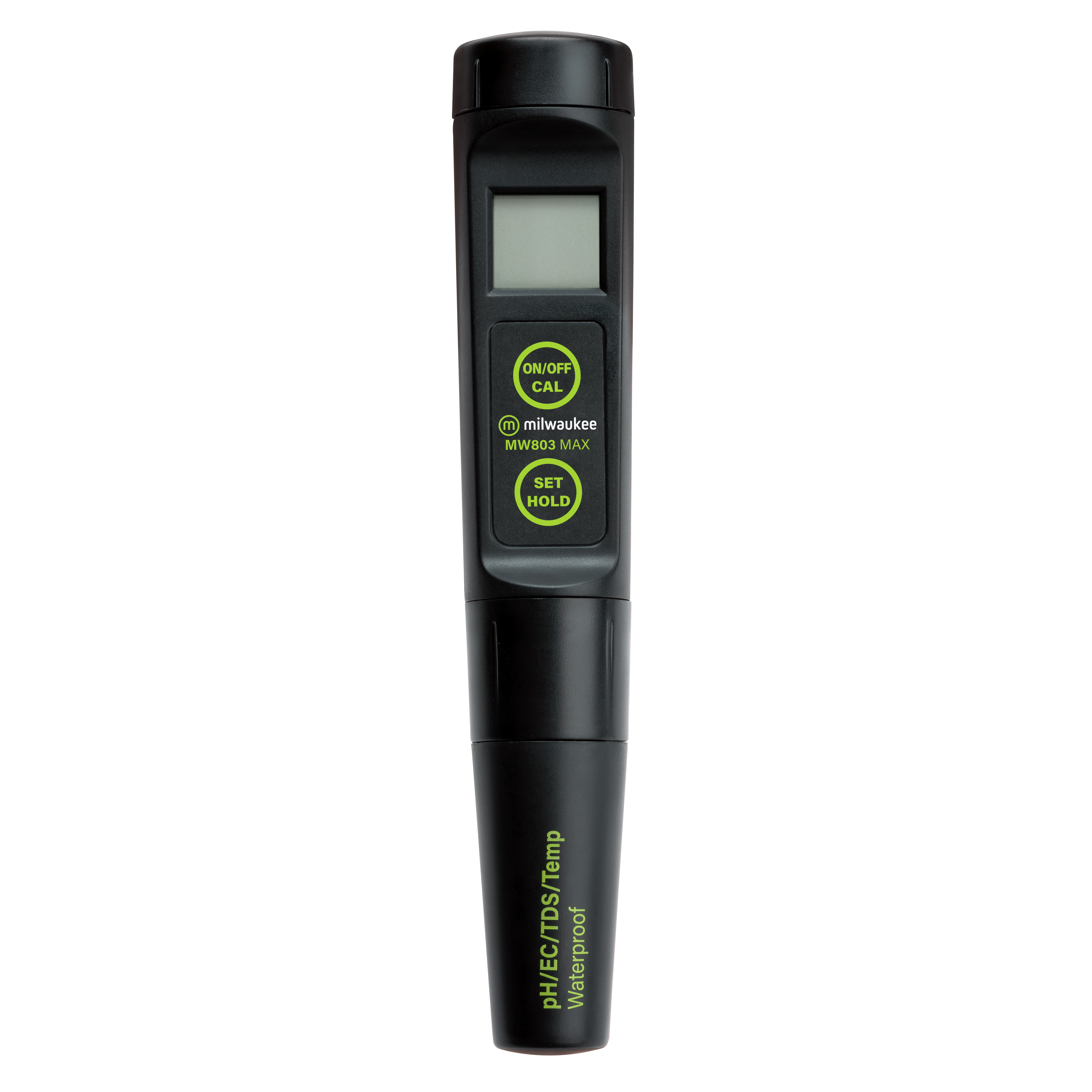
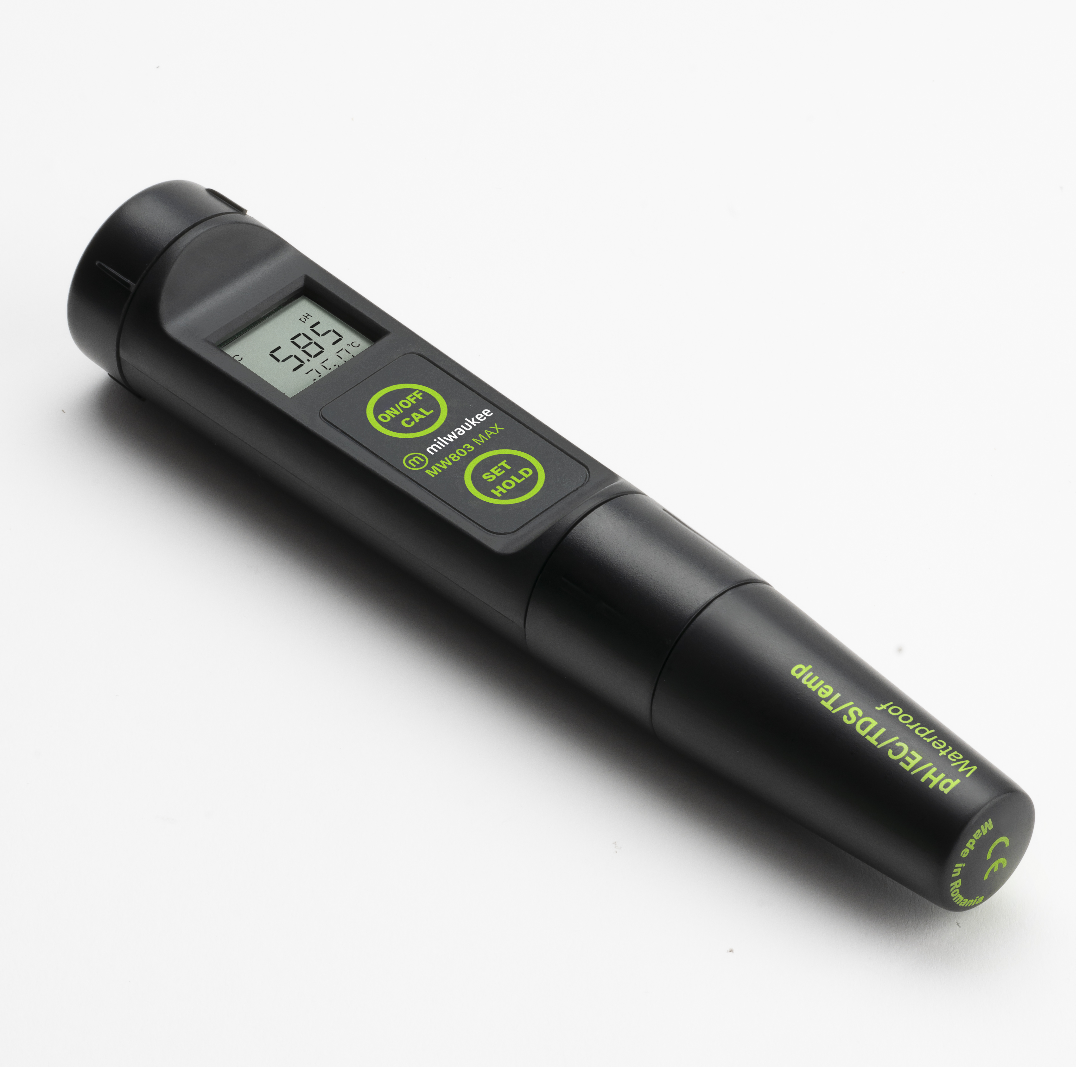
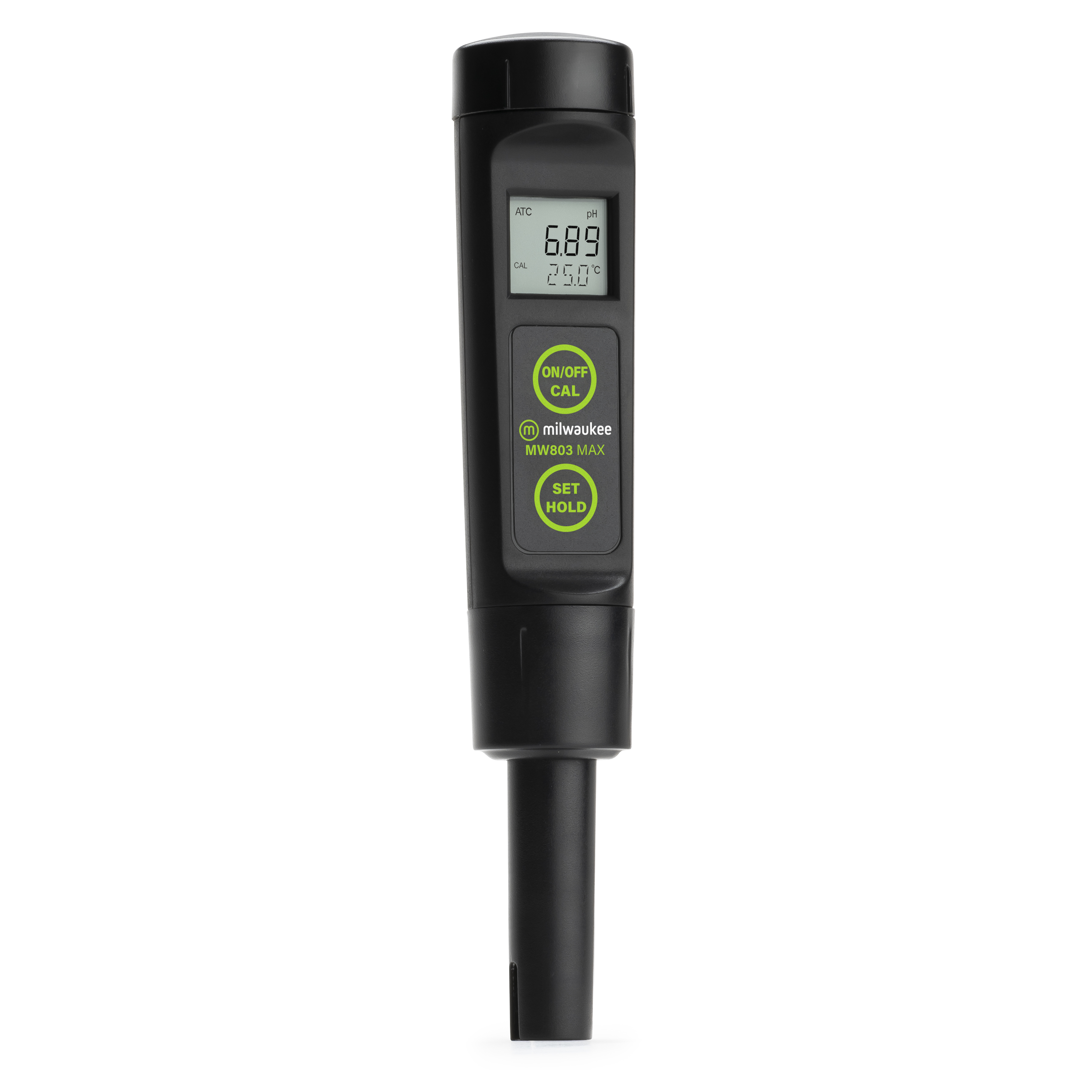
Milwaukee MW803 MAX Waterproof Low Range 4-in-1 pH / EC / TDS/Temp Tester with Replaceable Probe
Milwaukee MW803 MAX Waterproof 4-in-1 pH/Temperature/EC/TDS Tester with Replaceable Probe
Portable Multiparameter Water Testing for Water Quality Control
When water quality directly impacts performance, yield, or safety, you can’t afford guesswork. From hydroponic nutrient tanks and aquariums to pools, field sampling, and drinking water monitoring, reliable measurements of pH, conductivity (EC), total dissolved solids (TDS), and temperature are essential.
The Milwaukee MW803 MAX is designed for users who need fast, accurate, and portable multiparameter testing in one rugged handheld device. Instead of carrying separate meters for pH and EC/TDS, the MW803 combines four critical measurements into a single waterproof tester — helping you save time, reduce equipment clutter, and make confident decisions wherever testing is required.
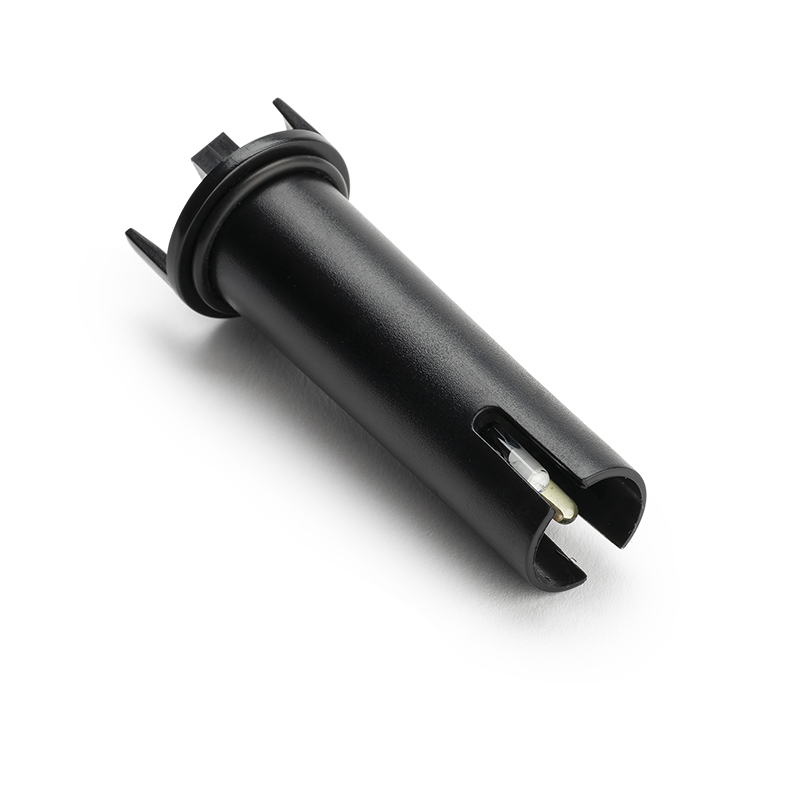

Engineered with a replaceable MI60P multiparameter probe for pH, EC/TDS and temperature measurement, the MW803 MAX is built for real-world use. Whether you're optimizing nutrient solutions, monitoring aquatic environments, or performing routine water checks, this tester delivers dependable readings with automatic temperature compensation and automatic calibration.
Compact, lightweight, and easy to operate, the MW803 MAX is ideal for both professionals and serious hobbyists who demand practical precision in the field or on-site.
Why Choose the Milwaukee MW803 MAX?
1. 4-in-1 Multiparameter Testing
Measure pH, electrical conductivity (EC), total dissolved solids (TDS), and temperature with a single portable device.
2. High Measurement Accuracy
- ±0.05 pH accuracy
- ±2% full-scale EC/TDS accuracy
- ±0.5°C (±1°F) temperature accuracy
Reliable results help prevent nutrient imbalance, plant stress, fish health issues, or process inefficiencies.
3. Replaceable pH Electrode (Mi60P)
The complete MI60P multiparameter probe is user-replaceable, extending the useful life of the instrument.
4. Low-Range EC/TDS Measurement
Provides EC readings from 0 to 3999 µS/cm and calculated TDS readings from 0 to 2000 ppm — ideal for nutrient solutions and general water testing.
5. Automatic Temperature Compensation (ATC)
Ensures accurate EC and TDS readings even when water temperature fluctuates.
6. Waterproof Design
Built to withstand splashes and temporary immersion — ideal for field and wet working environments.
7. Automatic Calibration
- Automatic 1- or 2-point calibration for pH
- Automatic 1-point calibration for EC
Easy calibration ensures ongoing measurement reliability.
8. Clear LCD Display
Quickly view readings in the field or on-site without complicated menus.
9. Portable & Lightweight
Designed for handheld convenience — perfect for growers, aquarists, technicians, and field professionals.
Applications
The MW803 MAX is suitable for a wide range of water quality monitoring needs:
Hydroponics & Fertigation
Maintain precise control over nutrient solution strength and pH levels to maximize plant health, nutrient uptake, and yield. Ideal for indoor growing, greenhouse cultivation, and commercial farms.
Aquariums & Aquaculture
Monitor pH stability, dissolved solids, and conductivity to protect fish, coral, and aquatic life from stress caused by water chemistry fluctuations.
Pools & Spas
Check pH balance and total dissolved solids to maintain swimmer comfort and protect equipment from scaling or corrosion.
Drinking Water Testing
Verify tap water or filtered water quality by monitoring pH and TDS levels.
Environmental & Field Testing
Perform spot checks in rivers, lakes, reservoirs, and groundwater sources for water quality assessment.
Water Treatment & Purification
Measure conductivity and TDS to evaluate filtration efficiency and treatment system performance.
Laboratories & Education
A practical multiparameter tool for basic water quality analysis in teaching and research environments.
Proper Care & Maintenance
Like all pH instruments, performance depends largely on proper probe care. Reliable pH measurements depend on proper probe care, storage, and calibration.
Understanding the pH Probe
The two most sensitive parts of a pH electrode are:
Glass Sensing Bulb
The glass bulb gradually loses sensitivity over time. This is normal for all pH electrodes and eventually requires replacement.
Reference Junction
The junction allows electrical contact with the sample. If clogged, readings become unstable or inaccurate.
Proper care significantly extends probe life.
Storage
The pH probe must remain hydrated.
- Keep the pH sensing portion of the probe hydrated using Milwaukee MA9015 electrode storage solution.
- Never store in distilled or deionized water — this damages the sensing glass.
- Do not store dry.
The best method is to:
- Fill the protective cap with storage solution.
- Secure the cap tightly to prevent leakage.
- Store the tester upright whenever possible.
Cleaning
Residue from samples — especially nutrient solutions or organic material — can coat the glass bulb and clog the junction.
- Rinse with clean water after each use.
- Periodically soak in electrode cleaning solution to remove buildup.
- Always rinse before placing back into storage solution.
Calibration
pH electrodes naturally drift over time.
- Calibrate regularly to maintain ±0.05 pH accuracy.
- Calibration is required after probe cleaning or replacement, after testing aggressive chemicals, and where high measurement accuracy is required.
- Recalibrate after extended storage.
- Use fresh calibration buffers for best results.
Routine calibration ensures your MW803 MAX continues delivering reliable data.
The Bottom Line
The Milwaukee MW803 MAX is a practical, durable, and accurate solution for anyone who needs reliable multiparameter water testing in a portable format. With a replaceable probe, waterproof construction, and simple operation, it delivers professional-level measurement without complexity.
Measure smarter. Adjust faster. Protect what matters.
Specifications
pH Range: 0.00 to 14.00 pH
EC Range: 0 to 3999 µS/cm
TDS Range: 0 to 2000 ppm
Temp Range: 0.0 to 50.0°C / 32.0 to 122.0°F
pH Resolution: 0.01 pH
EC Resolution: 1 µS/cm
TDS Resolution: 1 ppm
Temp Resolution: 0.1°C / 0.1°F
pH Accuracy: ±0.05 pH
EC/TSD Accuracy: 2% Full scale
Temp Accuracy: ±0.5°C / ±1°F
Temperature Compensation: Automatic with ß=0.0 to 2.4%/°C
Calibration automatic, 1 point for EC and 1 or 2 points for pH
TDS Factor: 0.45 to 1.00 (conv.)
Probe: Mi60P (replaceable)
Environment: 0 to 50°C (32 to 122°F); 100% RH max.
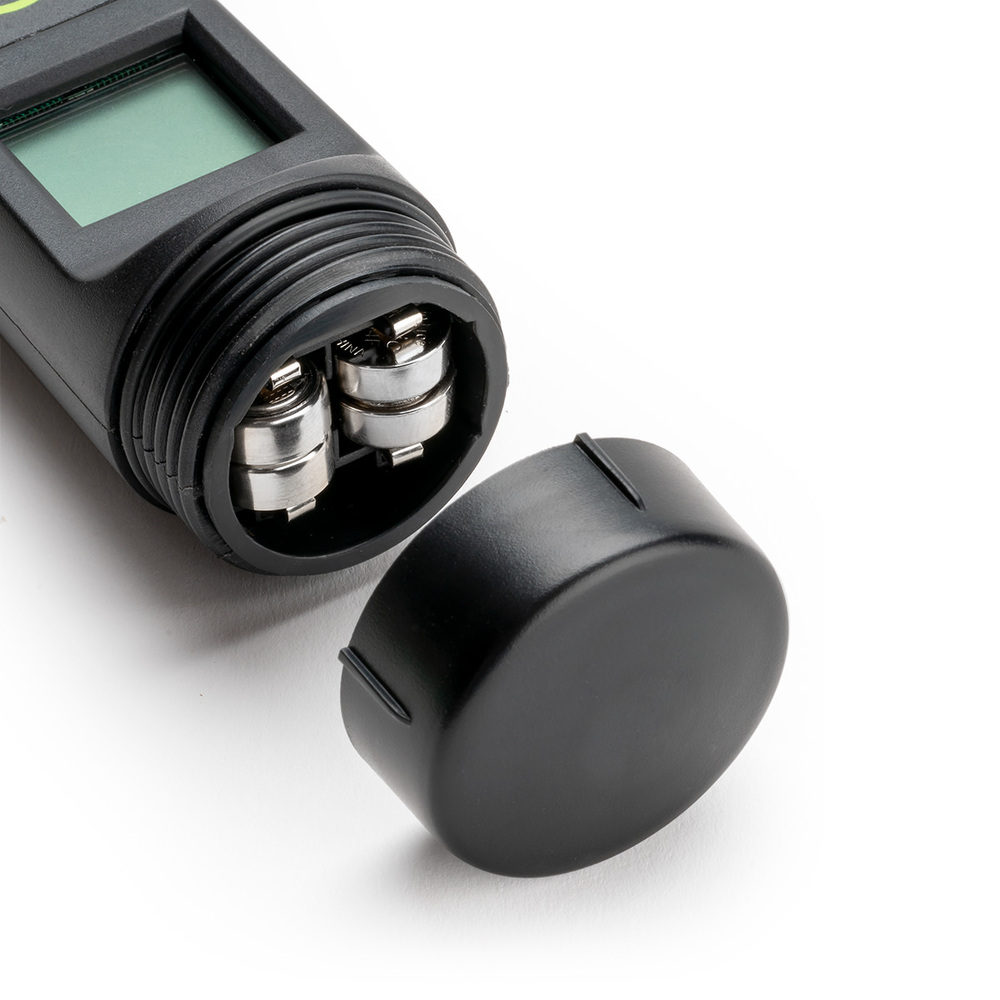
Battery Type: 4 x 1.5V; IEC LR44, A76 (included)
Battery Life: approx. 100 hours of use
Auto-off after 8 minutes of non-use
Dimensions: 7.9 inches × 1.5 inches (diameter)
Weight: 3.5 ounces
Application
Hydroponics
Aquatics
Pool & Spa
Environmental
Lab & Education
Drinking Water
Food & Beverage
Brewing & Wine
Industrial
Hydroponics & Horticulture (Indoor & Outdoor Growing)
Successful plant cultivation — whether in hydroponic systems, greenhouse operations, vertical farms, or outdoor fertigation setups — depends on precise water and nutrient management. In soilless growing systems especially, water quality is not just important — it is the entire foundation of plant health.
The Milwaukee MW803 MAX is a complete portable hydroponic pH meter, EC meter, and TDS meter designed for accurate nutrient solution testing in real growing environments. By measuring pH, electrical conductivity (EC), total dissolved solids (TDS/ppm), and temperature, growers can monitor pH, overall nutrient-solution conductivity, calculated TDS, and temperature.
Why pH and EC Monitoring Matters in Hydroponics
In hydroponic growing, plants absorb nutrients directly from water. If pH is out of range, essential nutrients such as nitrogen, phosphorus, potassium, calcium, and magnesium become unavailable — even if they are present in the solution.
- Optimal hydroponic pH range: typically 5.5 – 6.5
- Incorrect pH can cause nutrient lockout
- Fluctuating pH leads to slowed growth and deficiencies
At the same time, electrical conductivity (EC) and TDS (ppm) indicate nutrient strength. If EC is too low, plants are underfed. If EC is too high, root burn, salt buildup, and osmotic stress can occur.
Using a reliable EC meter for hydroponics allows growers to:
- Maintain ideal nutrient concentration
- Adjust feeding schedules accurately
- Prevent fertilizer waste
- Improve plant yield and crop consistency
Temperature also plays a critical role in nutrient uptake. Warm nutrient solutions hold less dissolved oxygen, while cold solutions slow root metabolism. Monitoring water temperature ensures stable root zone conditions.
Typical Use Cases in Hydroponics & Horticulture
Nutrient Reservoir Monitoring
Regularly test pH and EC levels in hydroponic nutrient tanks to maintain stable nutrient strength and prevent sudden imbalances.
Deep Water Culture (DWC) Systems
Monitor dissolved nutrient concentration and pH fluctuations that commonly occur in recirculating systems.
Coco Coir & Soilless Media Growing
Check runoff EC and pH to assess salt buildup and nutrient accumulation.
Greenhouse & Commercial Farming
Use as a portable water quality tester for fertigation systems and irrigation lines.
Indoor Grow Rooms
Maintain precise nutrient monitoring for high-value crops requiring tight environmental control.
How to Use the MW803 MAX for Hydroponic Nutrient Monitoring
Using the Milwaukee MW803 MAX as a hydroponic water testing meter is simple and efficient.
Step 1 – Calibrate Before First Use
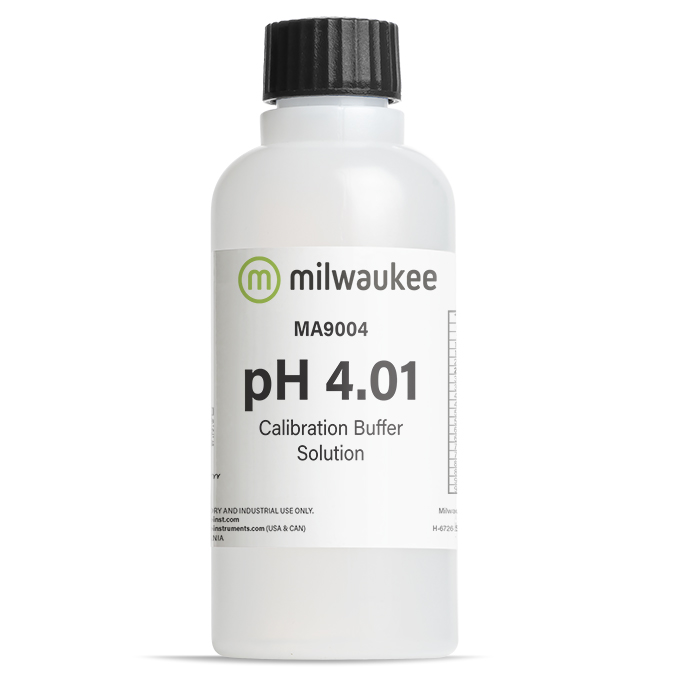
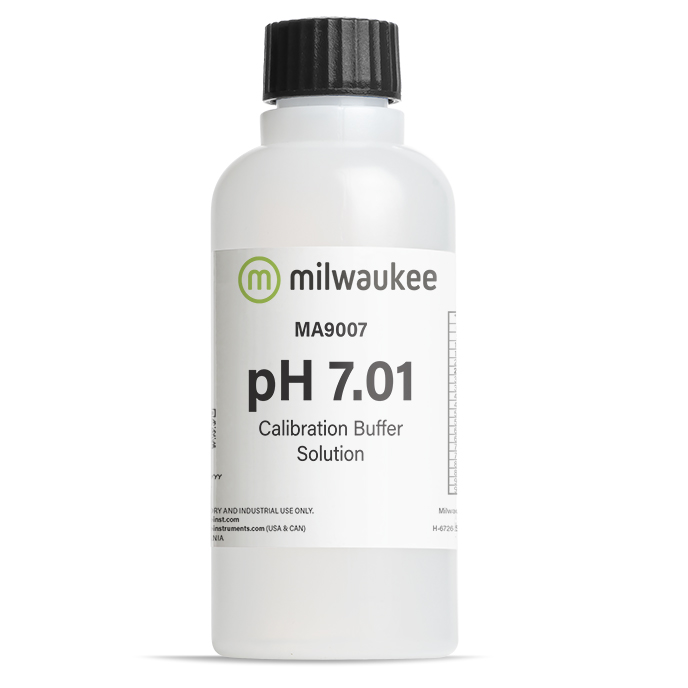
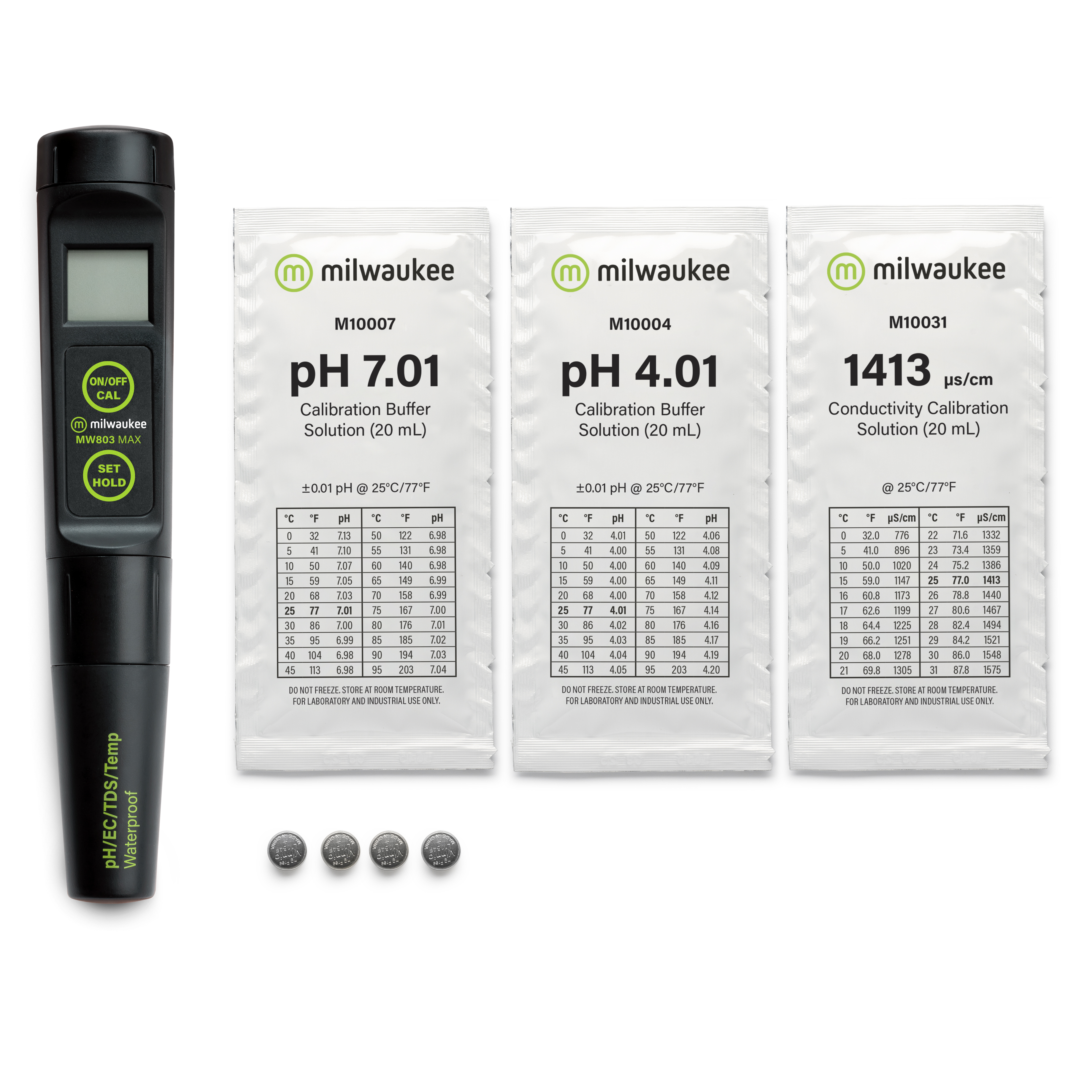
- Calibrate pH using pH 7.01 and pH 4.01 buffer solutions.
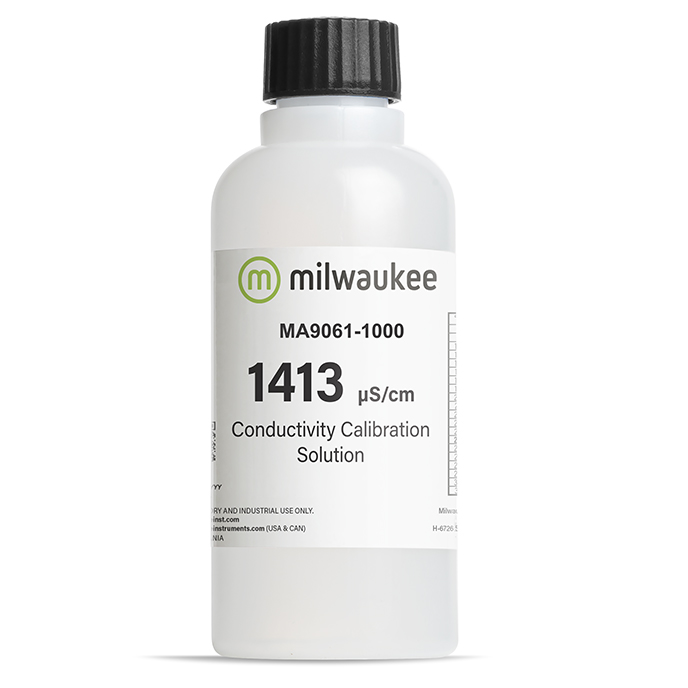
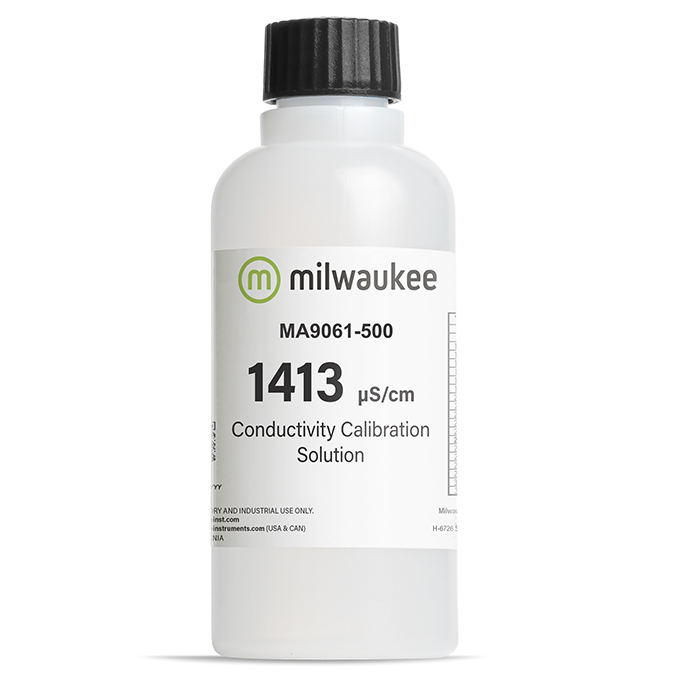
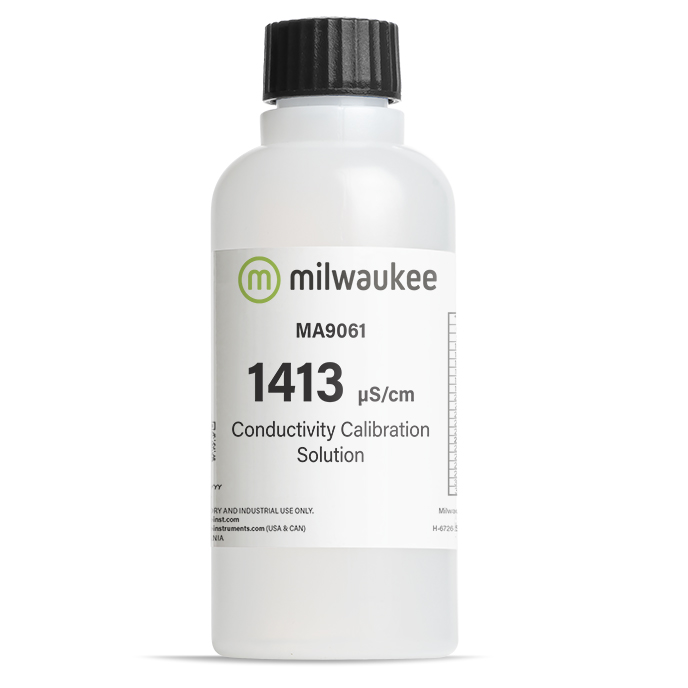
- Calibrate EC using 1413 µS/cm conductivity standard. Separate TDS calibration is not required after EC calibration.
Regular calibration ensures accurate nutrient strength measurement.
Step 2 – Rinse the Probe
Rinse the probe with clean water to prevent contamination between measurements.
Step 3 – Submerge the Probe
Place the probe into your nutrient reservoir or sample container. Ensure the sensor is fully submerged.
Step 4 – Allow Readings to Stabilize
Wait for the pH, EC (µS/cm), TDS (ppm), and temperature readings to stabilize.
Step 5 – Interpret the Results
- Adjust pH using pH up or pH down solutions if outside the optimal range.
- Compare EC/TDS with the target specified for the crop and nutrient program before adjusting nutrient concentration.
- Monitor temperature to maintain healthy root conditions.
Step 6 – Rinse and Store Properly
After testing, rinse the probe and store it in proper storage solution to extend electrode life.
Benefits of Using a 4-in-1 Hydroponic Meter
Instead of using separate devices for pH, EC, and TDS measurement, the MW803 PRO provides:
- All-in-one hydroponic nutrient testing
- Reduced equipment cost
- Faster daily monitoring
- Consistent, reliable measurements
- Portable testing for indoor and outdoor growing
For growers who require accurate hydroponic pH monitoring and nutrient strength control, a combined pH and EC meter is one of the most essential tools in maintaining stable plant growth conditions.
Aquariums & Aquaculture
Maintaining stable water chemistry is the foundation of aquatic health. Whether managing a freshwater aquarium, planted tank, koi pond, freshwater shrimp system, fish hatchery, or freshwater aquaculture operation, precise monitoring of pH, conductivity (EC), total dissolved solids (TDS), and temperature is essential.
The Milwaukee MW803 MAX functions as a portable aquarium pH meter, EC meter for aquaculture, and TDS meter for fish tank water testing — providing fast, accurate multiparameter water quality measurements in one durable device.
In aquatic environments, even small fluctuations in water chemistry can cause stress, disease outbreaks, poor growth rates, or mortality. Reliable aquarium water testing is not optional — it is a daily requirement for responsible fishkeeping and professional aquaculture management.
Why pH and Conductivity Monitoring Matters for Aquatic Life
pH Stability in Aquariums
Fish and freshwater invertebrates are highly sensitive to pH shifts. Rapid changes can lead to:
- Osmotic stress
- Reduced immune function
- Poor feeding behavior
- Coral bleaching (in reef systems)
Freshwater aquariums typically operate between pH 6.5 – 7.5. Monitoring with a reliable aquarium pH meter ensures stable water chemistry and prevents harmful swings.
Conductivity (EC) and TDS in Aquaculture
Electrical conductivity (EC) and total dissolved solids (TDS/ppm) indicate the concentration of dissolved salts and minerals in water. These parameters are especially important for:
- Freshwater aquaculture systems
- Shrimp farming
- Recirculating aquaculture systems (RAS)
In freshwater systems, conductivity levels influence fish metabolism, growth rate, and reproduction.
Using an EC meter for aquaculture allows operators to:
- Monitor mineral balance
- Track changes in dissolved ionic content
- Maintain stable osmotic conditions
- Prevent stress-related disease
Temperature Monitoring
Water temperature directly affects:
- Dissolved oxygen levels
- Metabolic rate of fish
- Feeding behavior
- Bacterial activity
Combining pH, EC, TDS, and temperature measurement in one portable water quality tester simplifies routine monitoring in both home aquariums and commercial fish farms.
Typical Use Cases in Aquariums & Aquaculture
Freshwater Aquariums
Test aquarium pH and TDS levels to maintain stable water parameters for tropical fish, discus, cichlids, and planted tanks.
Koi Ponds & Outdoor Systems
Check pond water quality regularly to prevent sudden pH crashes or mineral imbalance.
Fish Hatcheries
Ensure stable water parameters in breeding tanks to support egg development and fry survival.
Grow-Out Tanks & Commercial Aquaculture
Monitor water chemistry in high-density systems to optimize fish growth and reduce stress.
Recirculating Aquaculture Systems (RAS)
Test water parameters in filtration loops to maintain stable biological filtration performance.
How to Use the MW803 PMAX for Aquarium & Aquaculture Water Testing
Using the Milwaukee MW803 MAX as a multiparameter aquarium water testing meter is straightforward.
Step 1 – Calibrate Regularly
- Calibrate the pH electrode using appropriate buffer solutions.
- Calibrate conductivity using the correct EC calibration solution.
Routine calibration ensures reliable fish tank water testing.
Step 2 – Rinse the Probe
Rinse the probe with clean water before and after each test to avoid cross-contamination.
Step 3 – Submerge the Probe
Place the probe directly into the aquarium, hatchery tank, pond, or water sample container.
Step 4 – Allow Readings to Stabilize
Wait until pH, EC, TDS, and temperature values stabilize on the display.
Step 5 – Evaluate the Results
- Adjust buffering agents if pH is outside target range.
- Compare conductivity and calculated TDS with the appropriate target for the freshwater species or system being monitored.
- Monitor temperature to maintain optimal aquatic conditions.
Step 6 – Rinse and Store Properly
After testing, rinse the probe and store it in proper storage solution to preserve electrode life.
Benefits of Using a 4-in-1 Aquarium Water Tester
The MW803 PRO eliminates the need for multiple separate devices by combining:
- Aquarium pH meter
- Conductivity meter
- TDS meter
- Water temperature meter
This all-in-one aquarium water testing solution offers:
- Faster daily testing
- Consistent water monitoring
- Improved aquatic health management
- Reduced equipment clutter
- Reliable measurements for both hobbyists and professionals
For aquarists and aquaculture operators who need accurate fish tank water testing and dependable water quality monitoring, a portable 4-in-1 pH and EC meter is one of the most practical tools available.
Swimming Pools & Spa Water Testing
Maintaining balanced pool and spa water is essential for swimmer comfort, equipment protection, and long-term water quality stability. Whether managing a residential swimming pool, commercial pool facility, hot tub, or spa system, accurate and regular swimming pool water testing is critical.
The Milwaukee MW803 MAX functions as a portable pool water tester — providing pH, low-range EC/TDS, and temperature measurements in one handheld device.
Unlike basic test strips that offer approximate results, a digital pool water tester delivers precise measurements of pH, total dissolved solids (TDS), electrical conductivity (EC), and temperature. These parameters directly influence water clarity, sanitizer effectiveness, and user comfort.
Why pH and TDS Monitoring Matters in Pools & Spas
Pool Water pH Control
Proper pH balance is one of the most important factors in swimming pool maintenance. The recommended pH range for most pools and hot tubs is typically 7.2 – 7.6.
If pH is too low:
- Water becomes corrosive
- Metal components may degrade
- Swimmers may experience skin and eye irritation
If pH is too high:
- Chlorine becomes less effective
- Cloudy water may develop
- Scale formation increases
- Sanitizer efficiency drops
Using a reliable pool water pH meter ensures accurate pH control, improving both safety and comfort.
Total Dissolved Solids (TDS) & Conductivity in Pool Water
TDS represents the total concentration of dissolved salts, minerals, and chemicals in water. Over time, dissolved solids accumulate from:
- Chemical treatments
- Swimmer waste
- Environmental contaminants
- Fill water minerals
High TDS levels can lead to:
- Reduced sanitizer effectiveness
- Dull or cloudy water
- Scaling on pool surfaces
- Increased maintenance costs
Conductivity and calculated TDS can be used to track changes in dissolved ionic content over time and should be interpreted together with the rest of the pool-water chemistry.
Temperature Monitoring in Spas & Hot Tubs
Water temperature affects:
- Sanitizer efficiency
- Bacterial growth
- Swimmer comfort
- Chemical reaction rates
In hot tubs and spa systems, maintaining stable temperature alongside correct pH and TDS levels ensures a safe and comfortable bathing experience.
Typical Use Cases in Pool & Spa Maintenance
Residential Swimming Pools
Perform routine digital pool water testing to maintain proper pH balance and monitor dissolved solids buildup.
Commercial Pools
Support routine water-quality monitoring alongside the tests required by applicable regulations.
Hot Tubs & Spas
Test spa water pH and TDS levels to prevent irritation and equipment damage.
Seasonal Pool Opening & Closing
Check water balance during startup and winterization procedures.
How to Use the MW803 MAX for Pool & Spa Water Testing
Using the Milwaukee MW803 MAX as a digital pool water tester is simple and efficient.
Step 1 – Calibrate the Meter
- Calibrate the pH electrode using standard buffer solutions.
- Calibrate conductivity using the appropriate EC calibration solution.
Regular calibration ensures accurate swimming pool water testing.
Step 2 – Collect a Water Sample
For best results, collect pool or spa water in a clean container from elbow depth (not directly from the surface).
Step 3 – Rinse the Probe
Rinse the probe with clean water before immersion to prevent contamination.
Step 4 – Submerge the Probe
Place the probe into the water sample and ensure full contact with the sensors.
Step 5 – Allow Readings to Stabilize
Wait until pH, EC, TDS, and temperature readings stabilize.
Step 6 – Interpret Results
- Adjust pH using pH increaser or decreaser if outside 7.2–7.6 range.
- Monitor TDS trends and evaluate them together with the complete pool-water chemistry before making water-replacement decisions.
- Check temperature consistency for spa systems.
Step 7 – Rinse and Store Properly
Rinse the probe after use and store it in proper storage solution to maintain electrode performance.
Benefits of Using a 4-in-1 Digital Pool Water Tester
The MW803 MAX combines:
- Pool water pH meter
- Low-range conductivity meter for suitable pool and spa water
- TDS meter for dissolved solids monitoring
- Temperature meter
Instead of relying solely on pool test strips, this portable multiparameter water quality tester provides:
- More precise readings
- Faster daily pool maintenance checks
- Improved chemical dosing decisions
- Better swimmer comfort
- Extended equipment lifespan
For homeowners, pool technicians, and commercial facility operators seeking reliable swimming pool water testing equipment, a digital pH and TDS meter is an essential maintenance tool.
Environmental & Field Water Testing
Monitoring natural water sources is essential for environmental protection, public health, agricultural planning, and scientific research. Whether conducting river water testing, lake water quality monitoring, groundwater assessment, or routine field surveys, accurate and portable water quality measurement equipment is critical.
The Milwaukee MW803 MAX functions as a portable water quality meter designed for environmental field testing. By measuring pH, electrical conductivity (EC), total dissolved solids (TDS), and temperature in one compact device, it provides essential data for evaluating water chemistry directly on-site.
Unlike laboratory-based instruments that require controlled conditions, a handheld environmental water testing meter allows real-time measurements in rivers, lakes, streams, reservoirs, wetlands, and groundwater wells.
Why pH, Conductivity & TDS Monitoring Matters in Environmental Testing
pH Measurement in Natural Waters
pH is one of the most important indicators of ecosystem health. Changes in pH may indicate changing water conditions and can help identify samples that require further investigation.
Most freshwater ecosystems maintain a pH range between 6.5 and 8.5. Sudden shifts outside this range may stress aquatic organisms and disrupt biological balance. Using a portable pH meter for field use enables rapid detection of abnormal conditions before they escalate into larger environmental issues.
Conductivity (EC) Monitoring in Rivers & Lakes
Electrical conductivity measures the water’s ability to carry an electrical current, which reflects dissolved ion concentration. In environmental water quality monitoring, conductivity is useful for establishing baseline conditions and detecting changes in dissolved ionic content. The cause of a change requires additional investigation.
A conductivity meter for environmental monitoring helps establish baseline water quality levels and identify unusual fluctuations over time.
Total Dissolved Solids (TDS) as a Pollution Indicator
TDS represents the total concentration of dissolved minerals, salts, and organic matter in water. The MW803 provides a calculated TDS estimate based on conductivity and the selected conversion factor.
A TDS meter for field surveys provides a fast screening tool for assessing water quality changes before laboratory analysis is required.
Temperature Monitoring in Field Surveys
Water temperature influences:
- Dissolved oxygen levels
- Aquatic life metabolism
- Chemical reaction rates
- Bacterial growth
Monitoring temperature alongside pH and conductivity offers a more complete picture of environmental conditions.
Typical Environmental & Field Use Cases
River & Stream Monitoring
Conduct regular river water testing to identify unusual changes in water conditions and monitor seasonal trends.
Lake & Reservoir Water Quality Surveys
Monitor pH, EC, and TDS during environmental assessments or recreational safety evaluations.
Groundwater Testing
Measure conductivity and TDS levels in wells to track changes in conductivity and calculated TDS; specific minerals or contaminants require separate analysis.
Agricultural Runoff Assessment
Screen for changes in pH or conductivity that may warrant additional nutrient or contaminant analysis.
Construction & Development Impact Studies
Perform routine before-and-after water-quality screening where appropriate.
Emergency Environmental Response
Quickly perform preliminary pH and conductivity screening after an incident; specific contaminants require appropriate analytical testing.
How to Use the MW803 MAX for Environmental Field Water Testing
Using the Milwaukee MW803 MAX as portable field water testing equipment is straightforward and efficient.
Step 1 – Calibrate Before Field Deployment
- Calibrate the pH electrode using appropriate buffer solutions.
- Calibrate conductivity using a standard EC calibration solution.
Field calibration ensures accurate environmental measurements.
Step 2 – Rinse the Probe
Rinse the probe with clean water before each measurement to avoid cross-sample contamination.
Step 3 – Collect or Directly Submerge
For shallow water bodies, submerge the probe directly into the river, lake, or stream.
For groundwater testing, collect a fresh sample in a clean container and insert the probe.
Step 4 – Allow Measurements to Stabilize
Wait for pH, EC, TDS, and temperature readings to stabilize before recording results.
Step 5 – Record Data
Document readings for trend analysis, trend analysis or environmental monitoring records.
Step 6 – Rinse & Store Properly
After use, rinse the probe and store it in proper storage solution to maintain electrode accuracy and longevity.
Benefits of Using a Portable 4-in-1 Field Water Testing Meter
The MW803 MAX combines:
- Portable pH meter for field use
- Conductivity meter for environmental monitoring
- TDS meter for pollution screening
- Water temperature measurement
This all-in-one environmental water testing meter provides:
- Immediate on-site results
- Reduced reliance on laboratory testing for preliminary screening
- Faster decision-making in the field
- Lightweight, waterproof construction
- Simplified multiparameter water analysis
For environmental professionals, researchers, inspectors, and field technicians who require reliable field water testing equipment, a portable pH and conductivity meter is an essential tool for effective environmental monitoring.
Laboratory & Education
Accurate water quality measurement is a fundamental component of scientific research, laboratory analysis, and classroom instruction. Whether used in school laboratories, university research facilities, technical training centers, or environmental science programs, reliable multiparameter water testing equipment is essential for demonstrating and analyzing core chemical principles.
The Milwaukee MW803 MAX functions as a portable laboratory pH meter, conductivity meter, TDS meter, and temperature tester — providing comprehensive water quality measurement in a compact and user-friendly format. Its 4-in-1 design makes it an ideal educational water testing device for teaching water chemistry, solution analysis, and environmental science concepts.
For institutions seeking a practical, durable, and cost-effective multiparameter water quality meter, the MW803 MAX offers professional-level measurement without complex laboratory instrumentation.
Why Multiparameter Water Testing Matters in Education & Research
pH Measurement in Laboratory Settings
pH is one of the most commonly measured parameters in chemistry and biology labs. It plays a critical role in:
- Acid-base titration experiments
- Buffer solution preparation
- Soil and water chemistry analysis
- Biological system studies
- Environmental monitoring simulations
Using a reliable laboratory pH meter ensures accurate and repeatable results during demonstrations and student experiments. Digital pH measurement also improves precision compared to pH paper or test strips.
Conductivity Measurement in Scientific Experiments
Electrical conductivity (EC) is widely used in laboratory environments to analyze:
- Changes in dissolved ionic content
- Salt and electrolyte levels
- Dissolution rates
- Chemical reaction progress
- Water purity levels
A conductivity meter for laboratory use allows students and researchers to observe how dissolved ions influence electrical properties in water.
Total Dissolved Solids (TDS) Analysis
TDS measurement is often used in:
- Water purity studies
- Filtration experiments
- Reverse osmosis demonstrations
- Environmental pollution simulations
- Comparative conductivity and TDS analysis
A TDS meter for experiments provides a practical EC-based estimate of TDS using the selected conversion factor to quantify dissolved solids concentration and reinforce theoretical learning with measurable data.
Temperature as a Controlled Variable
Temperature influences:
- Chemical reaction rates
- Solubility of substances
- Electrical conductivity
- Biological activity
Having temperature measurement integrated into the same multiparameter water quality meter allows students to observe relationships between thermal changes and water chemistry behavior.
Typical Use Cases in Laboratory & Educational Settings
High School Science Labs
Teach water quality testing principles using a student-friendly digital pH and conductivity meter.
University Chemistry & Environmental Science Programs
Conduct laboratory experiments involving solution chemistry, conductivity measurement and the effects of dissolved ions on electrical conductivity, and environmental water analysis.
Technical & Vocational Training
Demonstrate practical water testing procedures used in agriculture, aquaculture, and water treatment industries.
Research & Basic Analytical Studies
Perform multiparameter water testing in field-based or small laboratory research projects.
STEM & Educational Demonstrations
Use as part of hands-on learning activities focused on real-world water quality challenges.
How to Use the MW803 MAX in Laboratory & Educational Settings
Using the Milwaukee MW803 MAX as a laboratory water testing meter is straightforward and suitable for both instructors and students.
Step 1 – Calibrate Before Use
- Calibrate the pH electrode using standard buffer solutions (e.g., pH 7.01 and pH 4.01).
- Calibrate conductivity using an appropriate EC calibration solution.
Calibration ensures accurate and reproducible experimental results.
Step 2 – Prepare Sample Solutions
Place the water or solution sample in a clean beaker or container.
Step 3 – Rinse the Probe
Rinse the probe with distilled water between measurements to avoid cross-contamination in laboratory experiments.
Step 4 – Submerge the Probe
Insert the probe into the solution, ensuring the sensing elements are fully immersed.
Step 5 – Allow Readings to Stabilize
Wait until pH, EC, TDS, and temperature readings stabilize before recording data.
Step 6 – Record & Analyze Results
Document readings for lab reports, comparative studies, or research analysis.
Discuss relationships between pH, conductivity, dissolved solids, and temperature as part of the learning process.
Step 7 – Clean and Store Properly
After experiments, rinse the probe and store it in proper storage solution to maintain accuracy and extend electrode lifespan.
Benefits of Using a 4-in-1 Multiparameter Meter in Education
The MW803 MAX combines:
- Laboratory pH meter
- Conductivity meter for experiments
- TDS meter for water analysis
- Temperature measurement
This all-in-one educational water testing device offers:
- Simplified laboratory setup
- Reduced equipment costs
- Portable design for classroom and field studies
- Easy student operation
- Reliable digital accuracy
For schools, universities, and research facilities seeking dependable water quality testing equipment for education and laboratory use, a portable multiparameter pH and conductivity meter provides both practical learning value and professional-grade measurement capability.
Drinking Water Monitoring
Clean, safe drinking water is essential for health, taste, and daily household use. Whether checking municipal tap water, private well water, filtered water, reverse osmosis (RO) systems, or bottled water sources, regular water quality testing provides confidence and control.
The Milwaukee MW803 MAX functions as a portable drinking water pH meter and TDS meter for home and routine water-quality monitoring. By measuring pH, electrical conductivity (EC), total dissolved solids (TDS), and temperature, users can quickly monitor pH and changes in dissolved ionic content in their water supply.
Unlike simple test strips that provide approximate readings, a digital tap water testing meter delivers precise and repeatable results — ideal for homeowners, property managers, facility operators, and water treatment professionals.
Why Test Drinking Water pH and TDS?
Drinking Water pH Testing
pH indicates how acidic or alkaline water is.
If pH is too low:
- Water may be corrosive to plumbing
- Metals such as copper or lead may leach into water
- Taste may become metallic
If pH is too high:
- Water may taste bitter
- Scaling may form in pipes and appliances
- Soap efficiency may decrease
Using a reliable drinking water pH meter allows users to verify water balance and identify potential corrosion or scaling risks.
TDS (Total Dissolved Solids) in Drinking Water
The MW803 calculates an estimated TDS value from the conductivity reading using the selected conversion factor. These dissolved solids may include:
- Calcium
- Magnesium
- Sodium
- Chlorides
- Sulfates
A TDS meter for drinking water helps determine overall mineral content. While TDS does not identify specific contaminants, changes in calculated TDS indicate a change in overall dissolved ionic content but do not identify the specific minerals, contaminants, or cause.
For households using reverse osmosis (RO) systems, a TDS meter is commonly used to verify filter performance and membrane efficiency. A significant rise in TDS levels may signal the need for filter replacement.
Conductivity as an Indicator of Mineral Content
Electrical conductivity (EC) correlates with dissolved ion concentration. Monitoring conductivity in drinking water provides additional insight into:
- Salinity levels
- Mineral buildup
- Filter performance
Typical Drinking Water Verification Use Cases
Municipal Tap Water Testing
Perform routine tap water quality checks to monitor pH and dissolved-solids trends against the applicable local or operational targets.
Private Well Water Testing
Monitor well water for mineral concentration and changes in water chemistry over time.
Reverse Osmosis (RO) System Monitoring
Verify filtration efficiency by comparing incoming water TDS levels with filtered output.
Water Filter Performance Testing
For treatment systems designed to remove dissolved ions, such as RO, compare inlet and outlet conductivity/TDS to monitor performance.
Property Management & Facility Maintenance
Check water quality in residential buildings, offices, schools, and hospitality facilities.
Travel & Portable Water Testing
Use as a portable water testing device to compare pH, EC/TDS, and temperature between water sources; these measurements do not establish drinking-water safety.
How to Use the MW803 MAX for Drinking Water Testing
Using the Milwaukee MW803 MAX as a home water quality tester is simple and efficient.
Step 1 – Calibrate the Meter
- Calibrate the pH electrode using standard buffer solutions.
- Calibrate conductivity using the correct EC calibration solution.
Regular calibration ensures accurate tap water testing results.
Step 2 – Collect a Fresh Sample
Allow tap water to run for 30–60 seconds before collecting a sample to avoid stagnant water from pipes.
Step 3 – Rinse the Probe
Rinse the probe with clean water to prevent contamination between tests.
Step 4 – Submerge the Probe
Place the probe into the water sample and ensure proper immersion of the sensors.
Step 5 – Wait for Stable Readings
Allow pH, EC, TDS, and temperature readings to stabilize before recording results.
Step 6 – Interpret the Data
- Compare pH with the applicable local standard or treatment target.
- Monitor TDS levels to evaluate mineral concentration and filter efficiency.
- Compare input vs. output readings in RO systems to assess membrane performance.
Step 7 – Rinse and Store Properly
Rinse the probe and store it in proper storage solution to maintain electrode accuracy.
Benefits of Using a 4-in-1 Drinking Water Tester
The MW803 MAX combines:
- Drinking water pH meter
- TDS meter for water quality
- Conductivity meter
- Temperature measurement
This multiparameter portable water quality tester provides:
- More accurate results than test strips
- Immediate feedback on water chemistry
- Reliable monitoring of filtration systems
- Long-term tracking of water quality changes
- Cost-effective routine screening and trend monitoring
For homeowners, well owners, water treatment professionals, and facility managers seeking reliable drinking water quality testing equipment, a digital pH and TDS meter is a practical and dependable solution.
Food & Beverage Production
Water plays a critical role in food and beverage manufacturing. From ingredient water and product formulation to wash water, rinse cycles, and Clean-in-Place (CIP) systems, consistent water quality monitoring supports routine process-water monitoring and quality-control programs.
The Milwaukee MW803 MAX functions as a portable pH meter for food industry applications, a conductivity meter for process water monitoring, and a TDS meter for quality control verification. By measuring pH, electrical conductivity (EC), total dissolved solids (TDS), and temperature in one handheld device, it provides a practical solution for multiparameter water quality testing in food processing environments.
Unlike single-parameter instruments, this 4-in-1 water quality meter supports routine water testing in production areas, helping operators detect changes quickly and maintain consistent manufacturing standards.
Why pH and Conductivity Matter in Food & Beverage Manufacturing
pH Control in Food Processing
pH directly affects:
- Product flavor and stability
- Microbial growth control
- Fermentation performance
- Cleaning efficiency
- Equipment corrosion
In beverage production (such as juice, soft drinks, brewing, and bottled water), ingredient water pH can influence final product taste and consistency. In food processing plants, wash water pH must remain within specific limits to ensure sanitation effectiveness. Using a reliable beverage production pH meter allows quality control teams to verify water balance and prevent product variability.
Conductivity Monitoring in Process Water & CIP Systems
Electrical conductivity is widely used in food manufacturing to monitor:
- Rinse water purity
- Low-conductivity rinse-water monitoring within the MW803 measurement range
- Chemical dosing accuracy
- Residual cleaning agents
- Water softening performance
A conductivity meter for CIP systems helps operators confirm that cleaning solutions have been fully rinsed from production lines before restarting processing. Monitoring rinse-water conductivity against a validated baseline can indicate when conductivity has returned toward normal levels; it does not prove the complete absence of cleaning chemicals.
TDS Monitoring for Ingredient & Wash Water
Total dissolved solids (TDS) measurement provides insight into the mineral content and calculated dissolved-solids estimate present in process water.
In food and beverage facilities, TDS monitoring is commonly used to:
- Verify filtration performance
- Check reverse osmosis (RO) systems
- Ensure consistent ingredient water quality
A TDS meter for water quality control helps prevent scale buildup in equipment and supports consistent production standards.
Temperature Considerations in Processing
Water temperature influences:
- Chemical reaction efficiency
- Cleaning effectiveness
- Microbial growth potential
- Production stability
Having temperature measurement integrated into a portable water testing device allows operators to monitor multiple parameters during daily quality checks.
Typical Use Cases in Food & Beverage Facilities
Ingredient Water Testing
Verify pH and dissolved solids levels in water used for product formulation.
Beverage Production
Maintain stable water chemistry in brewing, bottling, and drink manufacturing processes.
Wash & Rinse Water Quality Control
Monitor rinse-water conductivity against the facility's validated target.
Clean-in-Place (CIP) Verification
Monitor conductivity levels to support low-range rinse-water conductivity checks where readings remain within 0–3999 µS/cm.
Filtration & RO System Monitoring
Test input and output water to verify filter and membrane performance.
How to Use the MW803 PRO for Food & Beverage Water Quality Testing
Using the Milwaukee MW803 PRO as a portable water quality tester in food manufacturing is straightforward and efficient.
Step 1 – Calibrate the Meter
- Calibrate the pH electrode using standard buffer solutions.
- Calibrate conductivity using an appropriate EC calibration solution.
Routine calibration ensures reliable food processing water testing results.
Step 2 – Collect a Representative Sample
Take a water sample from the process line, wash station, rinse outlet, or ingredient water supply using a clean container.
Step 3 – Rinse the Probe
Rinse the probe with clean water before testing to avoid cross-contamination between samples.
Step 4 – Submerge the Probe
Place the probe into the water sample and ensure full immersion of the sensors.
Step 5 – Allow Readings to Stabilize
Wait until pH, EC, TDS, and temperature readings stabilize before recording the values.
Step 6 – Evaluate Against Quality Standards
- Compare pH to facility target ranges.
- Compare conductivity with the validated process target and confirm that the sample remains within the MW803 measurement range.
- Monitor TDS to verify filtration performance and ingredient water consistency.
Step 7 – Rinse and Store Properly
After testing, rinse the probe thoroughly and store it in proper storage solution to maintain electrode accuracy.
Benefits of Using a 4-in-1 Water Quality Meter in Food Production
The MW803 MAX combines:
- Portable pH meter for food industry
- Conductivity meter for process water
- TDS meter for quality control
- Temperature measurement
This multiparameter water quality monitoring device provides:
- Faster routine quality checks
- Improved consistency in ingredient water
- Support for routine CIP rinse-water monitoring
- Reduced need for multiple instruments
- Portable testing for on-site inspections
For food processors, beverage manufacturers, quality control managers, and sanitation teams seeking dependable water quality testing equipment, a digital pH and conductivity meter is an essential tool for maintaining product safety and operational excellence.
Brewing & Wine Making Applications
Water chemistry plays a critical role in both brewing and winemaking. From mash pH control in beer production to fermentation monitoring in wineries, accurate pH and dissolved solids measurement supports flavor development, fermentation stability, and product consistency.
The Milwaukee MW803 MAX functions as a portable brewing pH meter and winemaking water testing device, allowing brewers and vintners to measure pH, electrical conductivity (EC), total dissolved solids (TDS), and temperature in one compact instrument.
Whether used in craft breweries, microbreweries, homebrewing setups, or commercial wineries, this multiparameter water quality meter supports auxiliary quality checks throughout production.
Why pH Monitoring Matters in Brewing
Mash pH Control
In beer production, mash pH is one of the most important variables influencing:
- Enzyme activity
- Sugar conversion efficiency
- Wort clarity
- Flavor balance
- Final beer stability
The optimal mash pH range typically falls between 5.2 and 5.6. Deviations can result in:
- Poor starch conversion
- Harsh or astringent flavors
- Reduced extraction efficiency
Using a reliable beer mash pH meter allows brewers to adjust water chemistry and maintain consistent brewing results.
Brewing Water Chemistry
Before brewing begins, many brewers test source water for mineral content and dissolved solids. A TDS meter for brewing water helps evaluate:
- Mineral concentration
- Filtration system performance
Electrical conductivity measurement also provides an indication of overall dissolved ionic content but does not identify or quantify individual ions such as calcium, magnesium, or sulfate.
Why pH Monitoring Matters in Winemaking
Fermentation pH Control
In winemaking, pH directly affects:
- Yeast activity
- Fermentation efficiency
- Microbial stability
- Color stability in red wines
- Aging potential
The typical wine pH range is between 3.0 and 4.0. If pH rises too high, microbial spoilage risk increases. If pH is too low, fermentation may be inhibited. Using a portable pH meter for winemaking allows winemakers to monitor must and wine pH throughout fermentation and maturation.
Wash & Rinse Water in Production Facilities
In breweries and wineries, water is also used extensively for:
- Equipment cleaning
- Barrel rinsing
- Bottle washing
- Sanitation processes
Monitoring rinse-water conductivity against an established baseline can indicate when dissolved cleaning chemicals have been substantially reduced; it does not identify individual residues.
Typical Use Cases in Brewing & Winemaking
Craft Breweries & Microbreweries
Monitor mash pH, brewing water chemistry, and rinse water conductivity.
Homebrewing
Perform accurate digital brewing water testing instead of relying on test strips.
Commercial Wineries
Track pH during grape must preparation, fermentation, and aging.
Fermentation Monitoring
Verify stable pH levels to support yeast health and consistent product quality.
Filtration & RO System Monitoring
Check TDS levels before and after filtration to maintain water consistency.
How to Use the MW803 MAX for Brewing & Winemaking
Using the Milwaukee MW803 MAX as a brewing and winemaking pH meter is simple and effective.
Step 1 – Calibrate Before Use
- Calibrate the pH electrode using appropriate buffer solutions.
- Calibrate conductivity using a standard EC calibration solution.
Routine calibration ensures accurate brewing water testing.
Step 2 – Prepare the Sample
For mash testing, cool a small wort sample before measurement.
For wine fermentation, collect a clean must or wine sample in a container.
Step 3 – Rinse the Probe
Rinse the probe with clean water between samples to avoid cross-contamination.
Step 4 – Submerge the Probe
Insert the probe into the liquid sample, ensuring proper immersion of sensors.
Step 5 – Allow Readings to Stabilize
Wait until pH, EC, TDS, and temperature readings stabilize before recording results.
Step 6 – Adjust as Needed
- Modify mash chemistry using brewing salts or acid adjustments.
- Use pH together with other relevant measurements, including titratable acidity where appropriate, before making acidity adjustments.
- Monitor TDS to evaluate filtration performance.
Step 7 – Rinse and Store Properly
After testing, rinse the probe thoroughly and store it in storage solution to preserve electrode life.
Benefits of Using a 4-in-1 Brewing & Winemaking Meter
The MW803 MAX combines:
- Brewing pH meter
- Winemaking pH meter
- TDS meter for brewing water
- Conductivity meter for rinse verification
- Temperature measurement
This all-in-one portable brewing water tester provides:
- Greater accuracy than pH strips
- Consistent mash pH control
- Reliable fermentation monitoring
- Improved flavor consistency
- Portable quality control for small and large producers
For brewers and winemakers seeking a reliable digital pH and conductivity meter, the MW803 PRO offers practical multiparameter measurement in one compact device — supporting consistent production and better beverage quality.
Industrial & Process Water
In industrial environments, water is more than just a utility — it is a critical process variable. From cooling towers and boiler systems to wastewater discharge and effluent monitoring, accurate water quality measurement directly impacts equipment longevity, regulatory compliance, operational efficiency, and cost control.
The Milwaukee MW803 MAX functions as a portable industrial water testing meter designed for on-site monitoring of pH, electrical conductivity (EC), total dissolved solids (TDS), and temperature. This multiparameter water quality tester provides rapid, reliable measurements for process control, preventive maintenance, and routine environmental and process-water checks.
Unlike laboratory-bound instruments, a handheld process water pH meter allows technicians and plant operators to perform immediate industrial water testing directly at the source.
Why pH, Conductivity & TDS Monitoring Matters in Industrial Systems
Cooling Tower Water Testing
Cooling towers rely on balanced water chemistry to prevent:
- Scale formation
- Corrosion
- Biological growth
- Reduced heat transfer efficiency
Maintaining proper cooling tower water pH and conductivity levels supports routine monitoring of water conditions relevant to system performance.
High conductivity or elevated TDS levels in cooling water may indicate excessive dissolved solids buildup, requiring blowdown adjustments or chemical treatment changes.
Using a cooling tower water testing meter allows maintenance teams to quickly assess water conditions and prevent costly downtime.
Boiler Feed Water Monitoring
Boiler systems require strict water chemistry control to prevent:
- Scaling inside boiler tubes
- Corrosion of metal surfaces
- Reduced thermal efficiency
- Equipment failure
Boiler water conductivity is a key parameter for determining dissolved solids concentration. Elevated TDS levels can cause foaming and carryover, potentially damaging steam systems.
A boiler water conductivity meter helps operators maintain optimal dissolved solids concentration and extend boiler lifespan.
Industrial Wastewater & Effluent Monitoring
Industrial facilities must comply with environmental regulations regarding wastewater discharge. Monitoring pH and conductivity in effluent streams is essential for:
- Regulatory compliance
- Pollution control
- Environmental protection
- Pre-treatment verification
Wastewater pH testing ensures discharge remains within permitted limits, while conductivity measurement can identify changes in dissolved ionic content but cannot identify a specific contaminant.
A portable wastewater pH meter provides rapid on-site screening before laboratory confirmation.
Process Water Quality Control
In manufacturing plants, process water is often used for:
- Equipment cooling
- Product formulation
- Cleaning systems
- Chemical dilution
Fluctuations in process water pH or dissolved solids can affect product quality, equipment reliability, and chemical dosing efficiency.
A TDS meter for process control helps verify water consistency and detect deviations early.
Typical Industrial Use Cases
Cooling Tower Maintenance
Perform routine cooling tower water testing to manage scaling and corrosion risk.
Boiler Feed Water Control
Monitor conductivity and TDS levels to maintain proper blowdown cycles.
Industrial Wastewater Monitoring
Conduct rapid pH and conductivity checks before discharge or treatment.
Manufacturing Process Control
Verify stable water chemistry in production lines.
Facility Maintenance & Engineering Inspections
Use as portable industrial water testing equipment for preventive maintenance checks.
Environmental Compliance Inspections
Support internal monitoring and preliminary pre-discharge checks where appropriate.
How to Use the MW803 MAX for Industrial & Process Water Testing
Using the Milwaukee MW803 MAX as a portable industrial water quality meter is straightforward and efficient.
Step 1 – Calibrate the Instrument
- Calibrate the pH electrode using standard buffer solutions.
- Calibrate conductivity using appropriate EC calibration solution.
Routine calibration ensures reliable industrial water testing results.
Step 2 – Collect a Representative Sample
Collect a safe, representative sample and ensure it is within the MW803 operating range of 0–50°C and the specified EC range before measurement.
Step 3 – Rinse the Probe
Rinse the probe with clean water before testing to prevent cross-contamination between samples.
Step 4 – Submerge the Probe
Place the probe into the water sample and ensure full immersion of the sensors.
Step 5 – Allow Readings to Stabilize
Wait until pH, EC, TDS, and temperature readings stabilize before recording results.
Step 6 – Interpret & Act
- Adjust chemical dosing in cooling towers if pH or conductivity is outside target range.
- Compare conductivity with the site's validated operating target before making process adjustments.
- Compare wastewater pH with the applicable operational or permit limit; use the required approved procedure for formal compliance measurements.
Step 7 – Rinse and Store Properly
After testing, rinse the probe and store it in storage solution to maintain electrode performance and longevity.
Benefits of Using a 4-in-1 Industrial Water Quality Meter
The MW803 MAX combines:
- Industrial process water pH meter
- Low-range conductivity meter for suitable process-water samples
- TDS meter for dissolved solids monitoring
- Temperature measurement
This all-in-one portable industrial water testing device provides:
- Fast on-site diagnostics
- Reduced reliance on laboratory analysis for routine checks
- Improved preventive maintenance
- Better process control decisions
- Compact and waterproof durability for industrial environments
For plant operators, maintenance engineers, water treatment professionals, and environmental compliance teams seeking dependable industrial water quality testing equipment, a portable multiparameter pH and conductivity meter is an essential tool for efficient process management and routine process and water-quality monitoring.