Your shopping cart is currently empty.

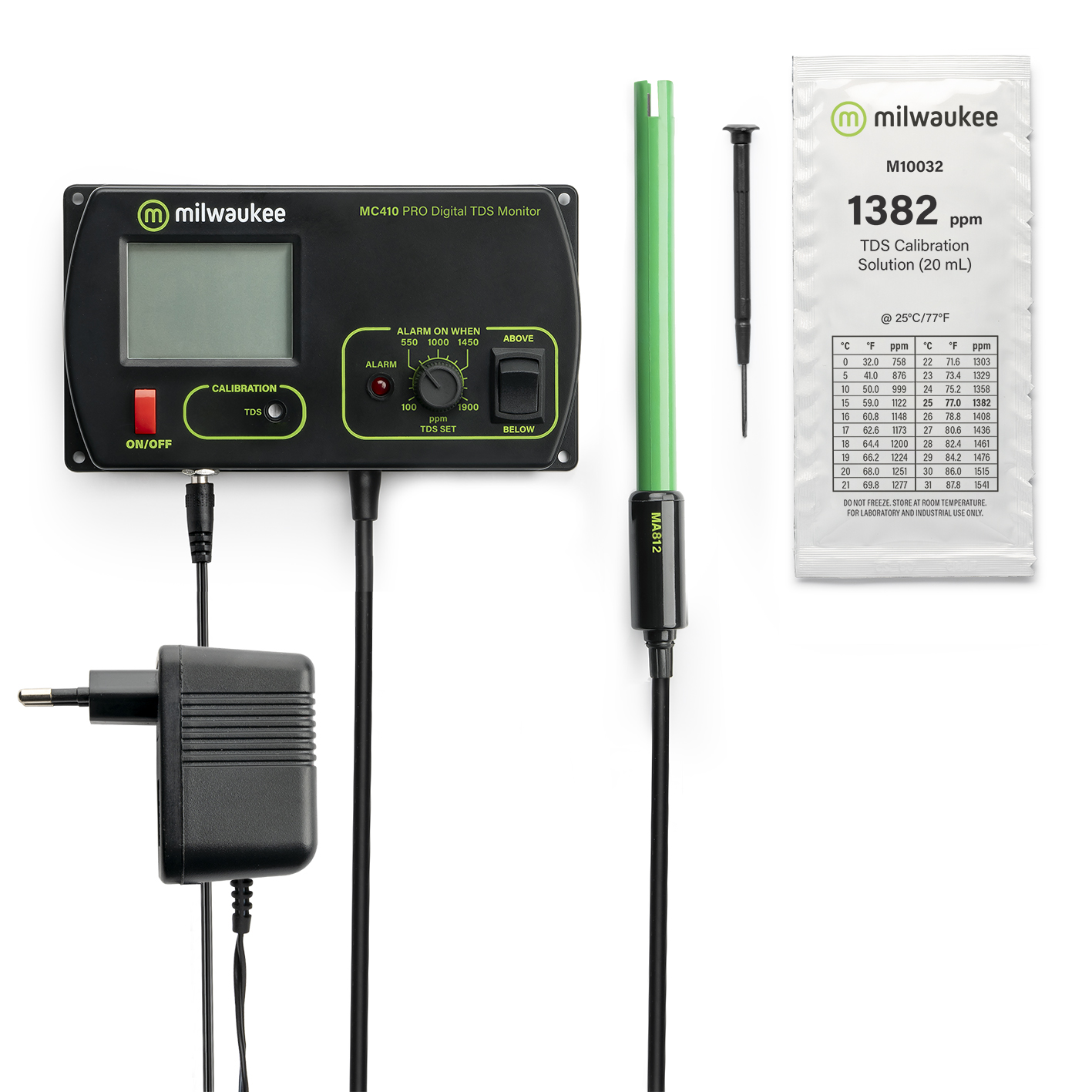
Milwaukee MC410 PRO Total Dissolved Solids (TDS) Monitor
– Continuous TDS Monitoring for Optimal Water Quality
When water quality matters – from aquaculture tanks and hydroponic nutrient systems to pools, water conditioning setups, and laboratory environments – understanding what’s dissolved in your water is vital. The Milwaukee MC410 PRO TDS Monitor brings intelligent, 24/7 monitoring of Total Dissolved Solids (TDS) levels to professionals and enthusiasts alike. Designed to take the guesswork out of water quality management, the MC410 PRO continually measures dissolved solids, alerts you when levels drift outside your target range, and empowers proactive control over your water systems. With its intuitive interface, rugged build, and reliable performance, this monitor ensures you always know the state of your water – helping safeguard health, productivity, and system efficiency.
The MC410 PRO isn’t just a meter – it’s a front-line tool in your water quality toolkit, engineered for seamless integration into reservoirs, tanks, and control systems. Whether you’re stabilizing a delicate marine aquarium, fine-tuning nutrient concentrations in a greenhouse, or ensuring the comfort and purity of pool water, the MC410 PRO delivers continuous TDS insight you can trust.
Why Choose the Milwaukee MC410 PRO?
- Reliable Continuous Monitoring: Designed for 24/7 operation, the MC410 PRO continually tracks TDS levels in water systems so you’re always in control of water quality conditions.
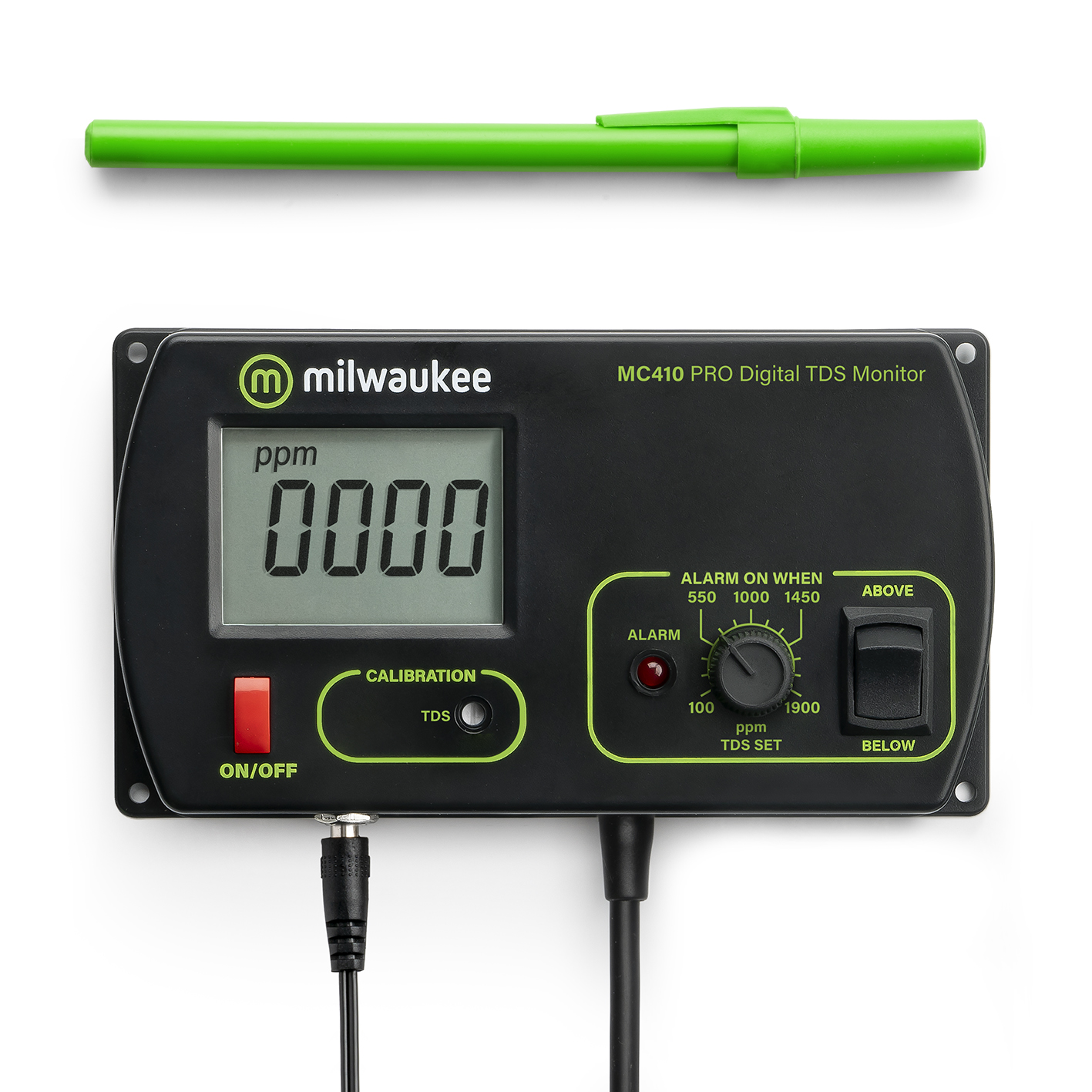
- Customizable Alarms: Set your desired TDS range (100–1900 ppm) and the monitor will trigger a visual LED alarm if readings go above or below your set points — helping you catch issues before they escalate.
- Accurate Measurements: With a measurement range of 0–1990 ppm, resolution of 10 ppm, and accuracy of ±2% full scale, the MC410 PRO gives you precise insight into dissolved solids levels.
- User-Friendly Operation: A large digital LCD provides clear, real-time readouts, while one-point manual calibration keeps your readings accurate and adjustments simple.
- Automatic Temperature Compensation: Built-in ATC ensures readings stay reliable across typical working temperatures without extra adjustment.
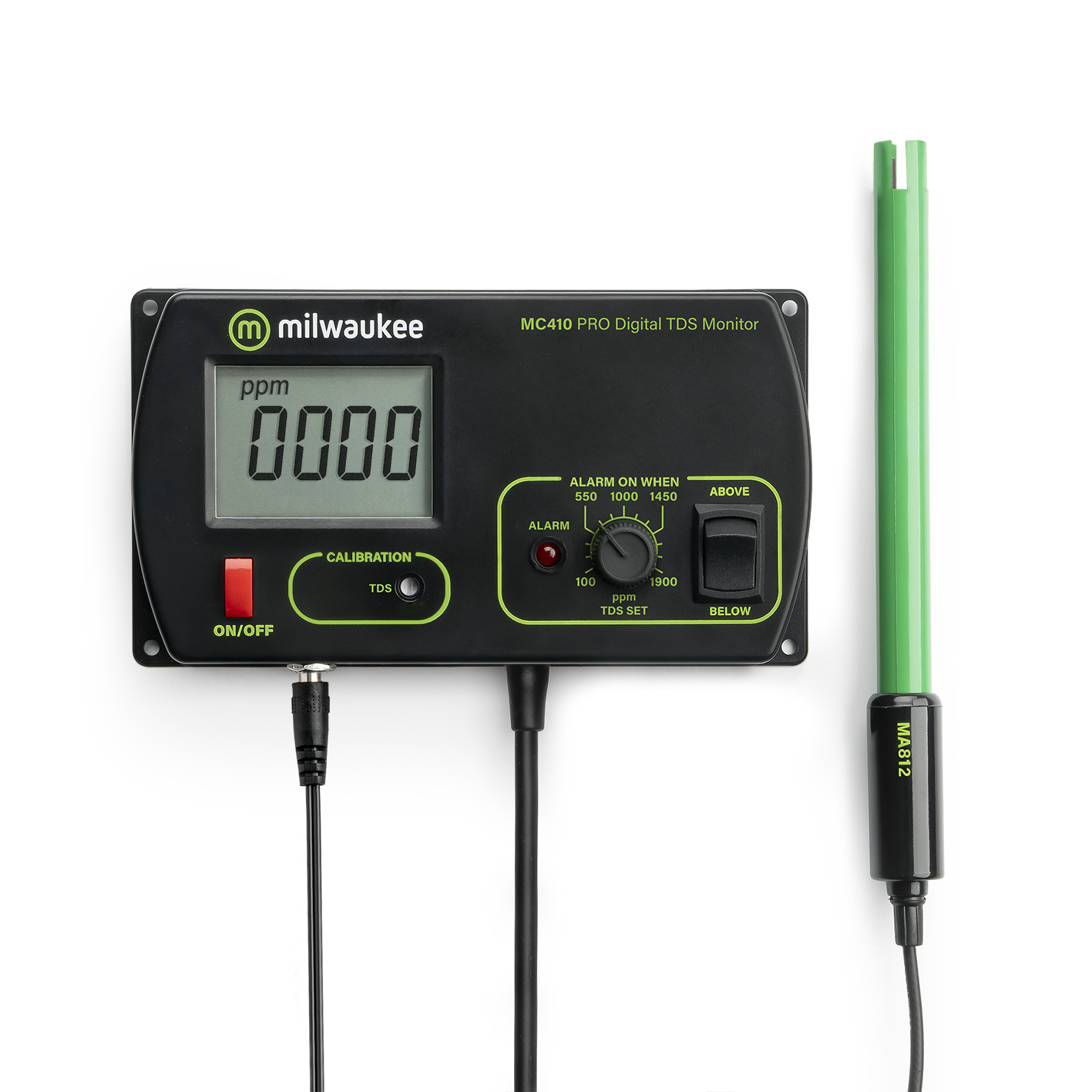
- Complete Installation Kit: The monitor includes a mounting kit, probe holder, hardwired TDS probe (MA812/2), probe cables, and a 12 VDC power supply for easy setup right out of the box.
Applications – Where the MC410 PRO Makes a Difference
The versatility of the Milwaukee MC410 PRO makes it ideal for a wide range of water quality use-cases across industries and systems:
Hydroponics & Controlled Agriculture
Maintain optimal nutrient concentrations to support vigorous plant growth and prevent over- or under-feeding – especially critical in nutrient tanks and circulation systems.
Aquariums & Aquaculture
Keep freshwater, reef, and aquaculture systems balanced and healthy by monitoring dissolved solids that affect livestock well-being and water chemistry stability.
Pools, Spas & Leisure Water
Track TDS to understand when pool water quality is degrading – guiding refill decisions, chemical dosing, and ensuring comfort and safety for users.
Water Conditioning & Filtration Systems
Use continuous TDS data to validate performance of softeners, reverse osmosis units, and filtration systems – ensuring they’re removing dissolved solids to expected levels.
Environmental & Laboratory Monitoring
For labs, research facilities, or environmental monitoring projects, the MC410 PRO offers dependable insight into dissolved solids trends and water sample conditions.
Industrial Processes
In manufacturing or process water applications, tracking dissolved solids can be key to preventing scale buildup, corrosion, and maintaining consistent fluid quality.
Proper Care & Maintenance
To ensure long-term reliability and accuracy from your MC410 PRO:
Calibration
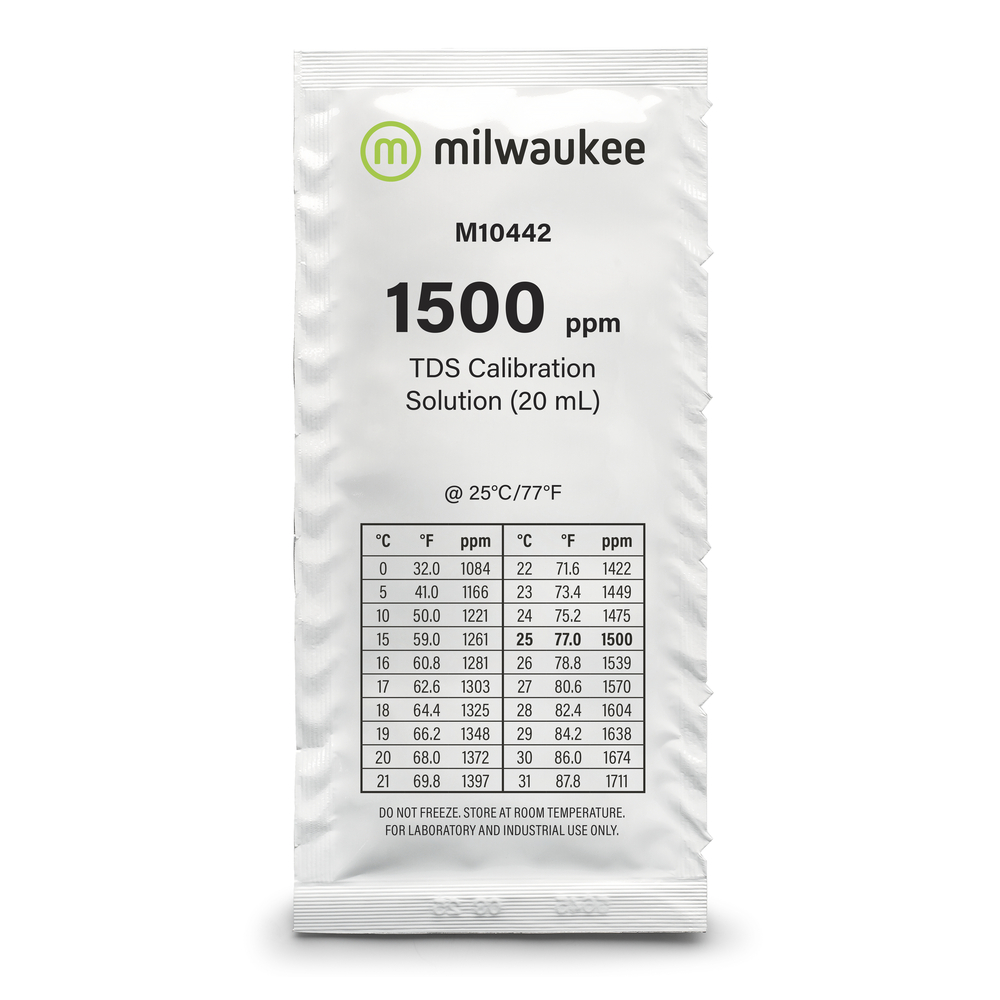
Perform a manual one-point calibration regularly – at least monthly or whenever the probe has been replaced – using the recommended TDS calibration solution. This keeps your readings accurate and responsive to real conditions.
Cleaning
Residue from water systems can accumulate on the probe over time, potentially affecting accuracy. Periodically rinse and gently clean the probe according to the instructions in the user manual to maintain responsiveness.
Installation & Handling
Keep the monitor in a stable, dry environment with adequate ventilation. Ensure wiring and mounting are secure and the probe is positioned correctly in the water reservoir without excessive strain on cables.
Temperature Considerations
Although the MC410 PRO features automatic temperature compensation, try to maintain ambient conditions within typical operating ranges (0 – 50 °C) for best performance.
Stay ahead of water quality issues with the Milwaukee MC410 PRO – offering dependable, continuous TDS monitoring that keeps you informed and in control.
Specifications
Range: 0 - 1990 (ppm) mg/L
Resolution: 10 (ppm)
Accuracy: ±2% F.S.
Conversion factor: 0.7
Calibration: Manual, 1-point
Set point: 100 to 1900 (ppm)
Alarm: Active when reading is higher or lower than set point
Temperature Compensation: Automatic, from 0 to 50°C | 32 to 122°F
EC electrode: MA812/2 (included)
Environment: 0 to 50°C / 32 to 122°F; max RH 95%
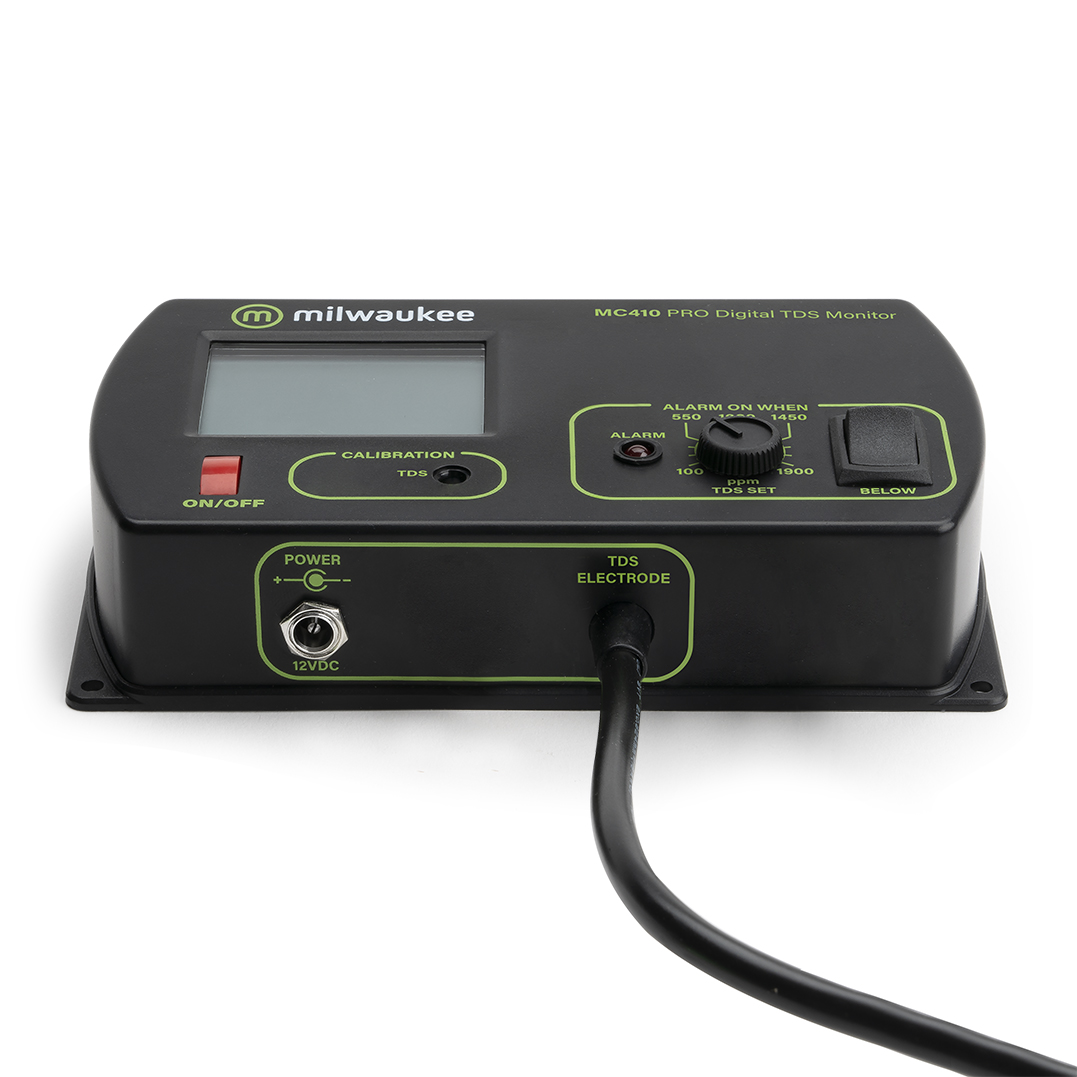
Power Supply: 12 VDC adapter (included)
Mounting kit (Included)
Dimensions: 5.9 x 3.2 x 1.35 inches (148.5 x 82.5 x 32 mm)
Weight: 6.3 ounces (180 g) (meter only)
Application
Hydroponics & Controlled Agriculture
Aquariums & Aquaculture
Pools, Spas & Leisure Water
Water Conditioning & Filtration Systems
Environmental & Laboratory Monitoring
Industrial Processes
Hydroponics & Controlled Agriculture
Hydroponic and controlled-environment agriculture rely on precise nutrient management to ensure consistent plant growth, high yields, and efficient resource use. In soil-based cultivation, the soil acts as a buffer that slowly releases nutrients. In hydroponic systems, however, plant roots are directly exposed to a nutrient solution, making continuous monitoring of nutrient concentration essential for plant health and productivity.
A TDS (Total Dissolved Solids) monitor like the Milwaukee MC410 PRO provides real-time measurement of dissolved salts, minerals, and nutrients present in the irrigation water or nutrient reservoir. These dissolved solids include key macro- and micronutrients such as nitrogen, phosphorus, potassium, calcium, and magnesium that are required for healthy plant development.
Maintaining stable nutrient concentration is critical because both excess nutrients and nutrient deficiencies can negatively impact plant growth. If the TDS level becomes too high, plants may experience nutrient burn, osmotic stress, or reduced water uptake. If levels fall too low, plants may suffer from nutrient deficiencies, leading to stunted growth, chlorosis, or reduced crop yields. Monitoring TDS enables growers to quickly identify these imbalances and adjust nutrient dosing or dilution accordingly.
Continuous TDS monitoring is particularly valuable in recirculating hydroponic systems such as:
- Nutrient Film Technique (NFT) systems
- Deep Water Culture (DWC) systems
- Drip irrigation hydroponic systems
- Aeroponic cultivation systems
- Vertical farming and indoor plant factories
In these systems, the nutrient solution is constantly recirculated, and plant uptake gradually changes the concentration of dissolved nutrients. As plants absorb water and minerals, TDS levels fluctuate, requiring periodic adjustments to maintain optimal nutrient strength for each growth stage. A permanent inline monitor allows growers to track these changes in real time and maintain a consistent nutrient profile.
For commercial greenhouses, vertical farms, and precision agriculture operations, a continuous TDS monitor helps automate nutrient management. It can be integrated with fertigation systems, dosing pumps, and irrigation controllers to maintain the ideal nutrient concentration across large cultivation areas. By ensuring stable nutrient levels in the hydroponic nutrient solution, growers can improve crop quality, reduce fertilizer waste, and increase overall system efficiency.
Typical Applications
- Hydroponic nutrient reservoir monitoring
- Nutrient dosing and fertigation control
- Vertical farming and indoor agriculture
- Commercial greenhouse crop production
- Recirculating irrigation and fertigation systems
- Aquaponics nutrient management
With reliable TDS monitoring, growers gain better control over their nutrient solution chemistry, helping ensure consistent plant nutrition, optimal root-zone conditions, and maximum crop performance in hydroponic and controlled agriculture environments.
How to Use a TDS Monitor in Hydroponic Systems
Using a continuous TDS monitor such as the Milwaukee MC410 PRO allows growers to maintain precise control over nutrient concentration in hydroponic reservoirs and irrigation systems.
1. Install the TDS Probe
Mount the probe directly in the nutrient reservoir, mixing tank, or inline pipe where the nutrient solution circulates continuously. Ensure the probe remains fully submerged in the solution and positioned where water flow represents the overall system.
2. Calibrate the Monitor
Before first use, calibrate the TDS monitor using a standard calibration solution recommended by the manufacturer. Proper calibration ensures accurate readings of dissolved nutrient concentration.
3. Monitor the Nutrient Solution
Once installed, the monitor continuously measures the TDS value of the hydroponic nutrient solution in ppm (parts per million), which represents the concentration of dissolved salts and nutrients in the water.
Observe the display regularly to confirm the nutrient concentration stays within the optimal range for your specific crop and growth stage.
4. Adjust Nutrient Concentration
If the TDS reading is too low, add concentrated hydroponic nutrients to the reservoir to increase nutrient strength.
If the TDS reading is too high, dilute the solution by adding fresh water or adjusting nutrient dosing.
5. Maintain Stable Nutrient Levels
As plants absorb nutrients and water over time, TDS levels naturally fluctuate. Continuous monitoring allows growers to maintain stable nutrient concentration by making small adjustments before imbalances occur.
6. Clean and Maintain the Probe
Regularly clean the probe to remove nutrient deposits, algae buildup, or mineral scaling that may affect accuracy. Periodic recalibration ensures reliable long-term monitoring.
Aquariums & Aquaculture
Maintaining stable water quality is essential for the health of fish, corals, shrimp, and other aquatic organisms in both home aquariums and commercial aquaculture systems. One of the most important indicators of water quality is Total Dissolved Solids (TDS), which measures the concentration of dissolved minerals, salts, organic matter, and nutrients present in the water.
A TDS monitor like the Milwaukee MC410 PRO allows aquarists and aquaculture professionals to continuously monitor dissolved solids levels, helping maintain balanced water chemistry and a stable aquatic environment. In aquatic systems, dissolved solids may include calcium, magnesium, sodium, potassium, bicarbonates, nitrates, phosphates, and other compounds that influence water chemistry, biological filtration, and the overall health of aquatic livestock.
In freshwater aquariums, stable TDS levels help maintain consistent osmotic conditions for fish and plants. Sudden increases in dissolved solids can stress fish, disrupt biological filtration, and promote unwanted algae growth. Continuous TDS monitoring allows hobbyists and professionals to quickly detect changes caused by evaporation, overfeeding, fertilizer additions, or waste accumulation.
For reef aquariums and marine systems, TDS monitoring is particularly important when preparing purified water for saltwater mixing. Reverse osmosis and deionized (RO/DI) water should have very low TDS levels before adding marine salt mixes. Monitoring TDS helps ensure the source water is free from contaminants that could negatively affect corals, invertebrates, and reef fish. Maintaining stable water chemistry is essential for coral health, calcification processes, and long-term reef stability.
In aquaculture and fish farming operations, water quality management directly impacts growth rates, survival rates, and feed efficiency. Commercial aquaculture systems—including recirculating aquaculture systems (RAS), hatcheries, shrimp farms, and fish production facilities—must maintain consistent water chemistry to prevent stress and disease in aquatic livestock.
Monitoring dissolved solids in aquaculture systems helps operators detect:
- Mineral accumulation from feed and waste
- Changes in water chemistry caused by evaporation
- Salinity fluctuations in brackish aquaculture systems
- Water quality shifts in recirculating aquaculture systems
- Potential contamination or filtration system issues
By installing a continuous TDS monitor in tanks, filtration systems, or recirculating water loops, aquaculture managers can track water chemistry changes in real time and take corrective actions before conditions become harmful to fish or shellfish.
Typical Applications
- Freshwater aquarium water quality monitoring
- Reef aquarium RO/DI water testing
- Marine aquarium and coral tank management
- Aquaculture pond and tank monitoring
- Recirculating aquaculture systems (RAS)
- Fish hatcheries and shrimp farming operations
- Aquatic research laboratories and breeding facilities
Continuous monitoring of dissolved solids helps maintain stable aquatic environments, improved livestock health, and more reliable water quality management in aquariums and aquaculture systems.
How to Use a TDS Monitor in Aquariums & Aquaculture
A continuous TDS monitor such as the Milwaukee MC410 PRO helps aquarium keepers and aquaculture operators track water quality and maintain stable aquatic environments.
1. Install the TDS Probe
Place the probe directly in the aquarium sump, filtration chamber, aquaculture tank, or water circulation line. Position the probe in an area with constant water movement to ensure representative measurements of dissolved solids.
2. Calibrate the Monitor
Before first use, calibrate the TDS monitor using a standard calibration solution. Proper calibration ensures accurate measurement of dissolved minerals and salts in aquarium or aquaculture water.
3. Monitor Dissolved Solids Levels
The monitor continuously measures the TDS level in ppm (parts per million), representing the total concentration of dissolved salts, minerals, and organic compounds in the water.
Regular monitoring helps detect:
- Waste buildup from fish and feeding
- Mineral concentration changes due to evaporation
- Variations in source water quality
- Changes in filtration system performance
4. Maintain Optimal Water Quality
If TDS levels begin to rise above the desired range, perform partial water changes or adjust filtration and water treatment systems. Maintaining stable dissolved solids levels helps reduce stress on aquatic animals and supports healthy biological filtration.
5. Monitor RO/DI Water for Reef Systems
For reef aquariums, use the monitor to verify that purified RO/DI water used for saltwater mixing contains minimal dissolved solids. This helps prevent the introduction of contaminants that may harm sensitive corals and marine invertebrates.
6. Clean and Maintain the Probe
Regularly clean the probe to remove biofilm, algae, and mineral deposits. Routine maintenance ensures reliable long-term monitoring in aquarium and aquaculture environments.
Pools, Spas & Leisure Water
Maintaining clean, balanced water is essential for safe and comfortable swimming environments in swimming pools, hot tubs, spas, and other recreational water facilities. One key indicator of water quality is Total Dissolved Solids (TDS), which measures the total concentration of dissolved substances present in the water.
TDS includes minerals, salts, chemicals, and organic matter that accumulate in pool water over time. These dissolved substances can come from a variety of sources such as pool chemicals, disinfectants, bathers, environmental contaminants, and evaporation. Monitoring TDS helps pool operators and maintenance professionals understand when water quality begins to deteriorate and when corrective actions are needed.
A continuous TDS monitor, such as the Milwaukee MC410 PRO, provides real-time measurement of dissolved solids in pool and spa water. This allows operators to track gradual increases in TDS levels caused by chemical dosing, disinfectant use, sunscreen residues, sweat, body oils, and airborne contaminants.
As pool water circulates through filtration and treatment systems, dissolved solids accumulate because they are not easily removed by standard filtration. Over time, elevated TDS levels can affect overall pool water chemistry, sanitizer efficiency, water clarity, and swimmer comfort. High TDS may also contribute to scaling on pool surfaces, corrosion of equipment, and reduced effectiveness of disinfectants such as chlorine or bromine.
Continuous monitoring of dissolved solids is particularly valuable in:
- Public swimming pools and aquatic centers
- Hotel and resort pools
- Spa facilities and wellness centers
- Hot tubs and jacuzzis
- Therapy pools and rehabilitation centers
- Water parks and recreational water attractions
For commercial pool operators, monitoring TDS helps determine when partial water replacement or dilution is required. Instead of relying solely on scheduled maintenance, real-time monitoring allows operators to make data-driven decisions about water management. This helps maintain consistent water quality, reduce chemical waste, and ensure safe swimming conditions for guests.
In spa and hot tub environments, TDS levels can rise rapidly due to the smaller water volume and higher bather loads. Continuous monitoring allows facility managers to quickly identify when water replacement or chemical adjustments are necessary to maintain clear, comfortable, and hygienic water.
By monitoring dissolved solids levels, pool operators can better manage pool chemical dosing, filtration performance, and overall water quality, helping extend equipment life and maintain a pleasant swimming experience.
Typical Applications
- Swimming pool water quality monitoring
- Hot tub and spa water chemistry monitoring
- Hotel, resort, and wellness center pools
- Public aquatic facilities and water parks
- Therapy pools and rehabilitation pools
- Commercial pool maintenance and service operations
Continuous monitoring of TDS helps ensure balanced water chemistry, improved swimmer comfort, and more efficient pool maintenance in recreational water environments.
How to Use a TDS Monitor in Pools & Spas
A continuous TDS monitor such as the Milwaukee MC410 PRO provides reliable, real-time monitoring of dissolved solids in swimming pools, spas, and other recreational water systems.
1. Install the TDS Probe
Install the probe in the pool circulation system, filtration line, or a representative location in the pool or spa water where there is constant water movement. Proper placement ensures accurate measurement of dissolved solids across the system.
2. Calibrate the Monitor
Before initial use, calibrate the monitor using a recommended calibration solution. Accurate calibration ensures precise measurement of dissolved minerals, salts, and chemicals present in pool or spa water.
3. Monitor TDS Levels Continuously
The monitor displays TDS levels in ppm (parts per million), representing the total concentration of dissolved solids in the water. Tracking these readings helps operators understand how water chemistry changes over time.
Rising TDS levels may indicate:
- Accumulation of pool chemicals and disinfectants
- Increased bather load and organic contaminants
- Evaporation leading to higher mineral concentration
- Reduced filtration efficiency
4. Adjust Water Treatment and Maintenance
When TDS levels become too high, operators can take corrective actions such as:
- Performing partial water replacement or dilution
- Adjusting chemical dosing levels
- Improving filtration and circulation
- Scheduling pool maintenance or cleaning
Maintaining balanced dissolved solids levels helps improve sanitizer effectiveness, water clarity, and swimmer comfort.
5. Maintain and Clean the Probe
Regularly inspect and clean the probe to remove scale, biofilm, or mineral deposits that may affect measurement accuracy. Periodic recalibration ensures reliable monitoring over time.
Water Conditioning & Filtration Systems
Water conditioning and filtration systems are widely used in residential, commercial, and industrial environments to improve water quality by reducing dissolved salts, minerals, and contaminants. Monitoring Total Dissolved Solids (TDS) is one of the most effective ways to evaluate the performance of water treatment equipment such as reverse osmosis (RO) systems, water softeners, deionization units, and multi-stage filtration systems.
TDS represents the concentration of dissolved substances in water, including minerals like calcium, magnesium, sodium, potassium, chlorides, sulfates, and other dissolved salts. These dissolved solids influence overall water purity, taste, scaling potential, and suitability for various applications.
A continuous TDS monitor, such as the Milwaukee MC410 PRO, allows users to track dissolved solids levels in real time and verify that filtration and conditioning systems are operating efficiently. By measuring TDS levels before and after treatment, operators can quickly confirm whether filtration systems are effectively removing dissolved contaminants and maintaining the desired water quality.
In reverse osmosis systems, TDS monitoring is essential for verifying membrane performance. RO membranes are designed to remove a high percentage of dissolved solids from water, producing purified water suitable for drinking, food preparation, laboratories, aquariums, and industrial processes. Over time, membranes may become fouled or degraded, reducing filtration efficiency. Continuous TDS monitoring helps detect these performance changes early by identifying increases in dissolved solids in the treated water.
For water softening systems, monitoring dissolved solids helps ensure proper operation of ion exchange processes that remove hardness minerals such as calcium and magnesium. While softening systems primarily reduce hardness rather than total dissolved solids, tracking TDS levels alongside other parameters helps operators understand how conditioning processes affect overall water chemistry.
TDS monitoring is also widely used in multi-stage filtration systems, where sediment filters, activated carbon filters, and specialty media work together to improve water quality. Measuring dissolved solids levels can help identify when filters become saturated, clogged, or less effective over time.
Continuous monitoring is particularly useful in environments where water quality must remain consistent, including:
- Residential water purification systems
- Commercial drinking water systems
- Food and beverage processing facilities
- Laboratories and research facilities
- Pharmaceutical and medical water systems
- Industrial water treatment plants
By providing real-time feedback on dissolved solids levels, TDS monitoring allows operators to quickly identify filtration issues, schedule maintenance, and maintain optimal water quality across water conditioning systems.
Typical Applications
- Reverse osmosis (RO) system performance monitoring
- Water softener system monitoring
- Drinking water filtration systems
- Industrial water treatment systems
- Commercial water purification equipment
- Laboratory and research water purification
- Food and beverage production water quality control
Continuous monitoring of dissolved solids helps ensure efficient filtration performance, consistent water purity, and reliable operation of water conditioning and treatment systems.
How to Use a TDS Monitor in Water Conditioning & Filtration Systems
A continuous TDS monitor such as the Milwaukee MC410 PRO can be used to verify the performance of filtration and conditioning systems and ensure treated water meets quality expectations.
1. Install the TDS Probe
Install the probe in the water line, storage tank, or monitoring chamber where treated water flows continuously. For system performance evaluation, probes can be installed either before filtration (incoming water) or after filtration (treated water) to observe changes in dissolved solids levels.
2. Calibrate the Monitor
Before operation, calibrate the monitor using a recommended calibration solution. Proper calibration ensures accurate measurement of dissolved salts and minerals in the water.
3. Monitor Dissolved Solids in Real Time
The monitor continuously displays TDS readings in ppm (parts per million), allowing operators to observe water purity levels and filtration system performance.
In filtration systems, rising TDS levels in treated water may indicate:
- Reverse osmosis membrane fouling or wear
- Depleted filtration media
- Saturated ion exchange resin
- Filter cartridge replacement requirements
- Changes in source water quality
4. Evaluate Filtration Performance
Compare TDS levels of incoming water and treated water to determine how effectively the system removes dissolved solids. A properly functioning filtration system should show a significant reduction in TDS after treatment.
5. Perform Maintenance When Needed
If TDS levels begin to rise beyond acceptable limits, perform maintenance such as:
- Replacing filtration cartridges
- Regenerating ion exchange resins
- Cleaning or replacing RO membranes
- Inspecting system components
Early detection of filtration performance changes helps maintain consistent water quality and prevents system failures.
6. Clean and Maintain the Probe
Regularly clean the probe to prevent scale buildup or contamination. Periodic recalibration ensures accurate long-term monitoring of dissolved solids levels in filtration systems.
Environmental & Laboratory Monitoring
Accurate monitoring of water quality parameters is essential in environmental studies, laboratory research, and scientific monitoring programs. One important indicator of water chemistry is Total Dissolved Solids (TDS), which measures the concentration of dissolved minerals, salts, organic compounds, and other substances present in water.
A continuous TDS monitor, such as the Milwaukee MC410 PRO, provides reliable real-time measurement of dissolved solids levels, helping researchers, environmental scientists, and laboratory technicians track changes in water quality over time. Monitoring TDS is commonly used in environmental water quality monitoring, laboratory water testing, and scientific research applications where understanding dissolved solids trends is critical.
In environmental monitoring projects, TDS measurements are often used to evaluate the health of natural water systems such as rivers, lakes, groundwater sources, wetlands, and reservoirs. Dissolved solids in natural waters can originate from natural geological processes, agricultural runoff, industrial discharge, wastewater effluent, or urban pollution. Continuous monitoring allows environmental professionals to identify changes in water chemistry that may indicate contamination, salinity shifts, or ecosystem stress.
TDS monitoring is also valuable for long-term environmental data collection. Many environmental monitoring programs track dissolved solids levels to observe seasonal variations, drought impacts, stormwater runoff effects, and changes in watershed conditions. By continuously measuring dissolved solids concentrations, researchers can detect gradual water quality trends that may not be visible through occasional sampling.
In laboratory environments, TDS monitoring helps ensure the quality and consistency of water used in experiments, sample preparation, and analytical processes. Laboratories often rely on purified or conditioned water for sensitive applications such as chemical analysis, biological research, and environmental testing. Monitoring dissolved solids helps verify that laboratory water supplies meet required purity levels and that water purification systems are functioning correctly.
TDS monitoring is commonly used in laboratory and research settings such as:
- Environmental science laboratories
- Water quality research facilities
- Academic research institutions
- Government environmental monitoring programs
- Field monitoring stations and mobile laboratories
- Industrial environmental compliance monitoring
For field-based environmental monitoring, a continuous TDS monitor can be installed in sampling stations, water monitoring systems, or laboratory test setups to provide ongoing measurement of dissolved solids levels. This helps researchers evaluate how water chemistry changes in response to environmental conditions or human activities.
By providing dependable measurement of dissolved solids concentrations, TDS monitoring supports scientific water quality assessment, environmental research, and laboratory quality control.
Typical Applications
- Environmental water quality monitoring programs
- Surface water monitoring (rivers, lakes, streams)
- Groundwater monitoring and well water testing
- Environmental impact studies and pollution monitoring
- Laboratory water purity verification
- Scientific research and analytical laboratories
- Field water monitoring stations
Continuous monitoring of dissolved solids helps support reliable environmental data collection, improved laboratory water quality control, and accurate water chemistry analysis in research and monitoring applications.
How to Use a TDS Monitor in Environmental & Laboratory Monitoring
A continuous TDS monitor such as the Milwaukee MC410 PRO provides consistent and reliable monitoring of dissolved solids levels in laboratory setups and environmental monitoring systems.
1. Install the TDS Probe
Place the probe directly in the water sample container, monitoring chamber, flow cell, or environmental monitoring station where water flows continuously. Ensure the probe remains fully submerged and positioned where it can measure representative water conditions.
2. Calibrate the Monitor
Before use, calibrate the monitor using an appropriate calibration solution. Proper calibration is essential for obtaining accurate and repeatable measurements of dissolved solids in laboratory or environmental water samples.
3. Monitor Dissolved Solids Levels
The monitor continuously displays TDS readings in ppm (parts per million), representing the concentration of dissolved salts, minerals, and organic compounds present in the water sample.
Tracking these readings helps identify:
- Changes in environmental water chemistry
- Pollution or contamination events
- Seasonal variations in water quality
- Variations in groundwater mineral content
- Changes in laboratory water purification performance
4. Record and Analyze Water Quality Trends
Researchers and technicians can log TDS readings over time to analyze trends in dissolved solids levels. This data can support environmental studies, laboratory experiments, and water quality research projects.
5. Maintain and Clean the Probe
Regularly clean the probe to remove deposits, biofilm, or contamination that may affect measurement accuracy. Routine maintenance and periodic recalibration ensure reliable monitoring for laboratory and environmental applications.
Industrial Processes
Water plays a critical role in many industrial and manufacturing processes, where maintaining consistent process water quality is essential for operational efficiency, equipment protection, and product quality. One important indicator of water chemistry in these systems is Total Dissolved Solids (TDS), which measures the concentration of dissolved salts, minerals, and inorganic substances present in process water.
A continuous TDS monitor, such as the Milwaukee MC410 PRO, provides real-time insight into dissolved solids levels in industrial water systems. Monitoring TDS helps operators detect changes in water chemistry that could lead to scale formation, corrosion, fouling, or reduced process efficiency.
In many industrial applications, dissolved solids can accumulate from raw water sources, chemical additives, evaporation processes, or contamination from production activities. If TDS levels rise too high, minerals such as calcium and magnesium may precipitate and form scale deposits on equipment surfaces, pipes, heat exchangers, and boilers. These deposits can reduce heat transfer efficiency, increase energy consumption, and cause costly equipment damage.
Similarly, fluctuations in dissolved solids levels can alter water chemistry in ways that promote corrosion of metal components or negatively affect industrial processes that require consistent fluid composition.
Continuous monitoring of dissolved solids is particularly valuable in industrial systems such as:
- Cooling towers and recirculating cooling water systems
- Boiler feedwater and steam generation systems
- Industrial water treatment systems
- Manufacturing process water loops
- Industrial wastewater monitoring systems
- Chemical processing and production facilities
In cooling tower systems, evaporation causes minerals to concentrate in the circulating water. Monitoring TDS allows operators to control blowdown cycles and maintain the correct concentration of dissolved solids to prevent scaling and fouling of heat exchange equipment.
In boiler systems, excessive dissolved solids in feedwater can lead to scaling, foaming, or carryover in steam systems. Monitoring TDS helps ensure that water treatment programs are functioning properly and that boiler water remains within acceptable operating limits.
For manufacturing and industrial process applications, maintaining stable water chemistry helps ensure consistent product quality, protect production equipment, and reduce downtime caused by scaling or corrosion.
By continuously tracking dissolved solids levels, industrial operators can improve water treatment efficiency, optimize maintenance schedules, and maintain reliable operation of critical water systems.
Typical Applications
- Industrial process water monitoring
- Cooling tower water quality monitoring
- Boiler feedwater monitoring
- Industrial water treatment systems
- Manufacturing process water control
- Chemical processing water monitoring
- Industrial wastewater monitoring
Continuous TDS monitoring helps maintain stable industrial water chemistry, improved equipment protection, and efficient operation of manufacturing and process water systems.
How to Use a TDS Monitor in Industrial Water Systems
A continuous TDS monitor such as the Milwaukee MC410 PRO allows operators to track dissolved solids levels and maintain consistent water quality in industrial and manufacturing environments.
1. Install the TDS Probe
Install the probe directly in the industrial water line, process tank, cooling water loop, or monitoring chamber where water flows continuously. Position the probe in an area with representative water circulation to ensure accurate measurement of dissolved solids.
2. Calibrate the Monitor
Before use, calibrate the monitor using an appropriate calibration solution. Proper calibration ensures accurate measurement of dissolved salts and minerals in industrial water systems.
3. Monitor Dissolved Solids Levels
The monitor continuously displays TDS levels in ppm (parts per million), providing real-time information about the concentration of dissolved solids in process water.
Monitoring these readings can help detect:
- Mineral buildup in cooling systems
- Changes in industrial water treatment efficiency
- Rising dissolved solids from evaporation or contamination
- Early signs of scaling or corrosion risks
4. Adjust Water Treatment or Process Conditions
If TDS levels increase beyond recommended limits, operators may take corrective actions such as:
- Adjusting water treatment chemicals
- Increasing blowdown rates in cooling towers
- Improving filtration or water treatment processes
- Replacing or regenerating treatment media
Maintaining appropriate dissolved solids levels helps protect equipment and ensure efficient industrial operations.
5. Maintain the Probe
Regularly inspect and clean the probe to remove mineral deposits, scale, or industrial residues. Routine maintenance and periodic recalibration ensure long-term monitoring accuracy.