
Your shopping cart is currently empty.

€83.44
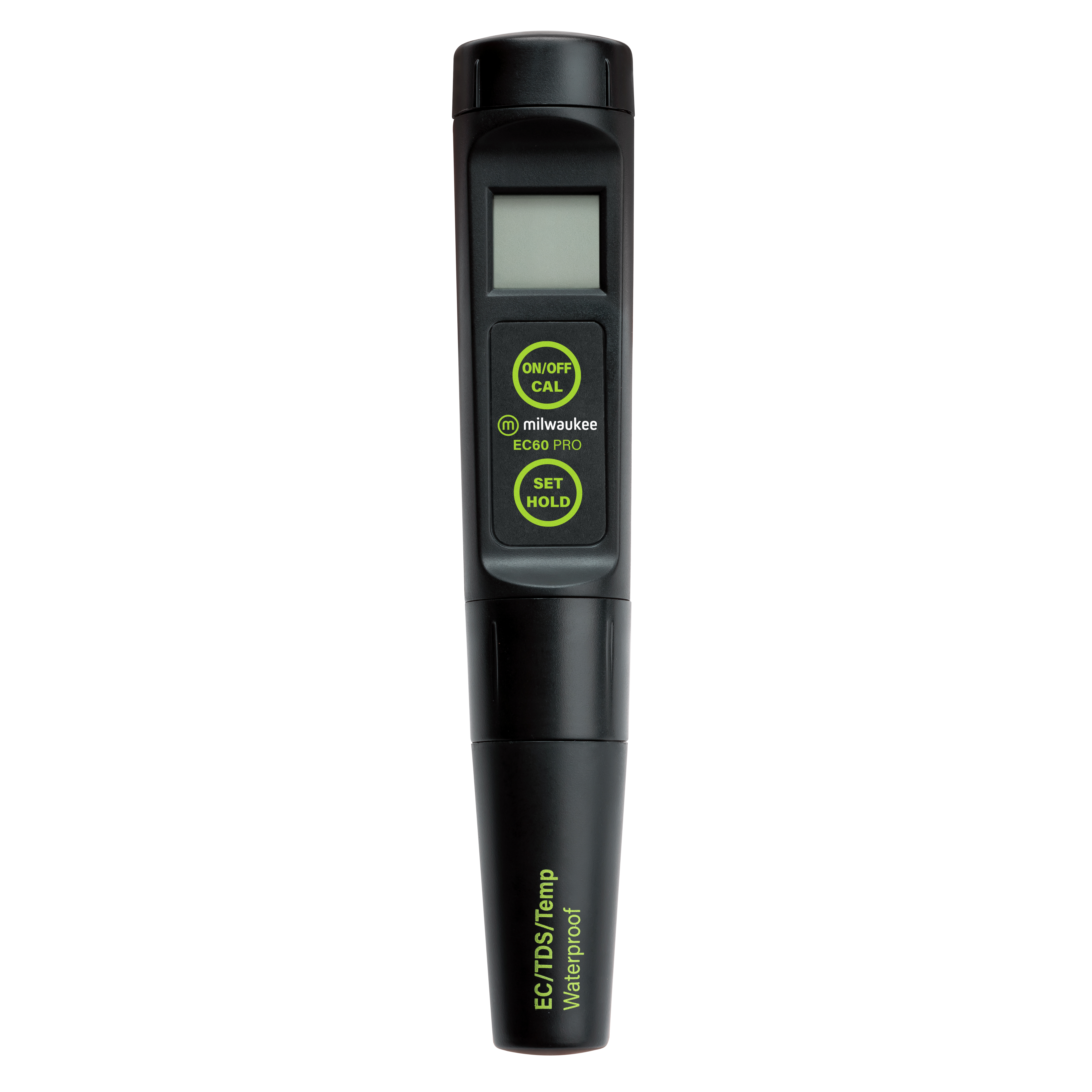
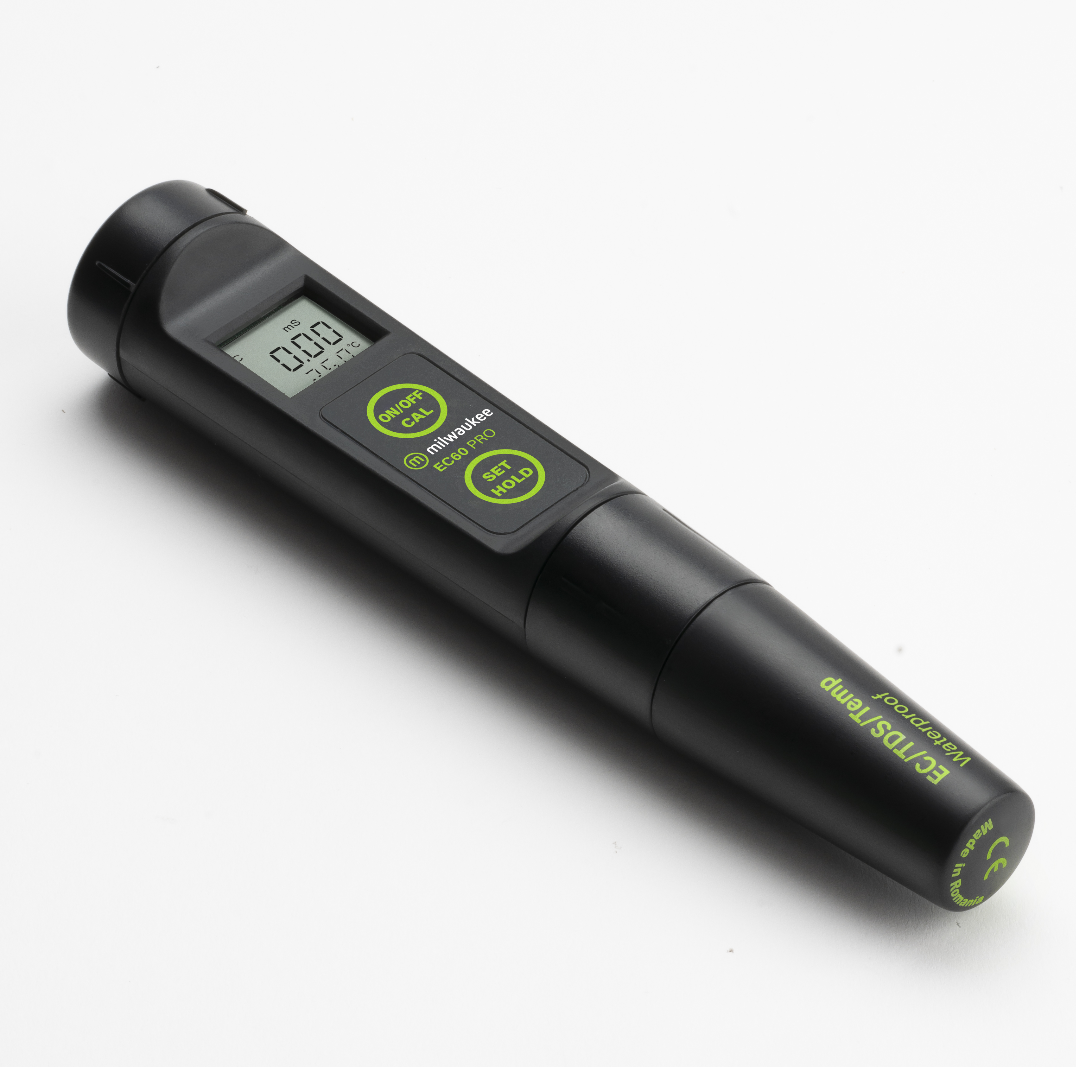
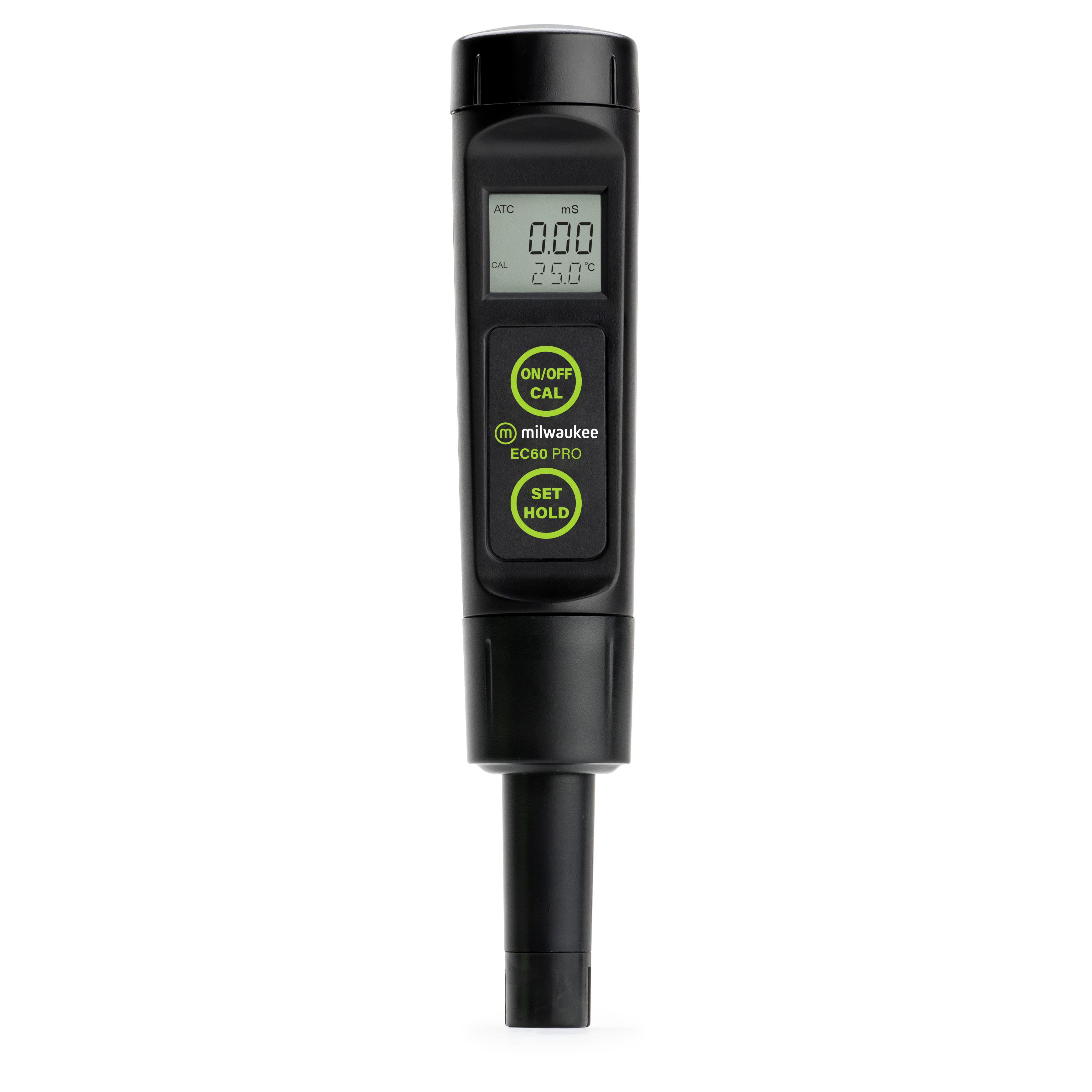
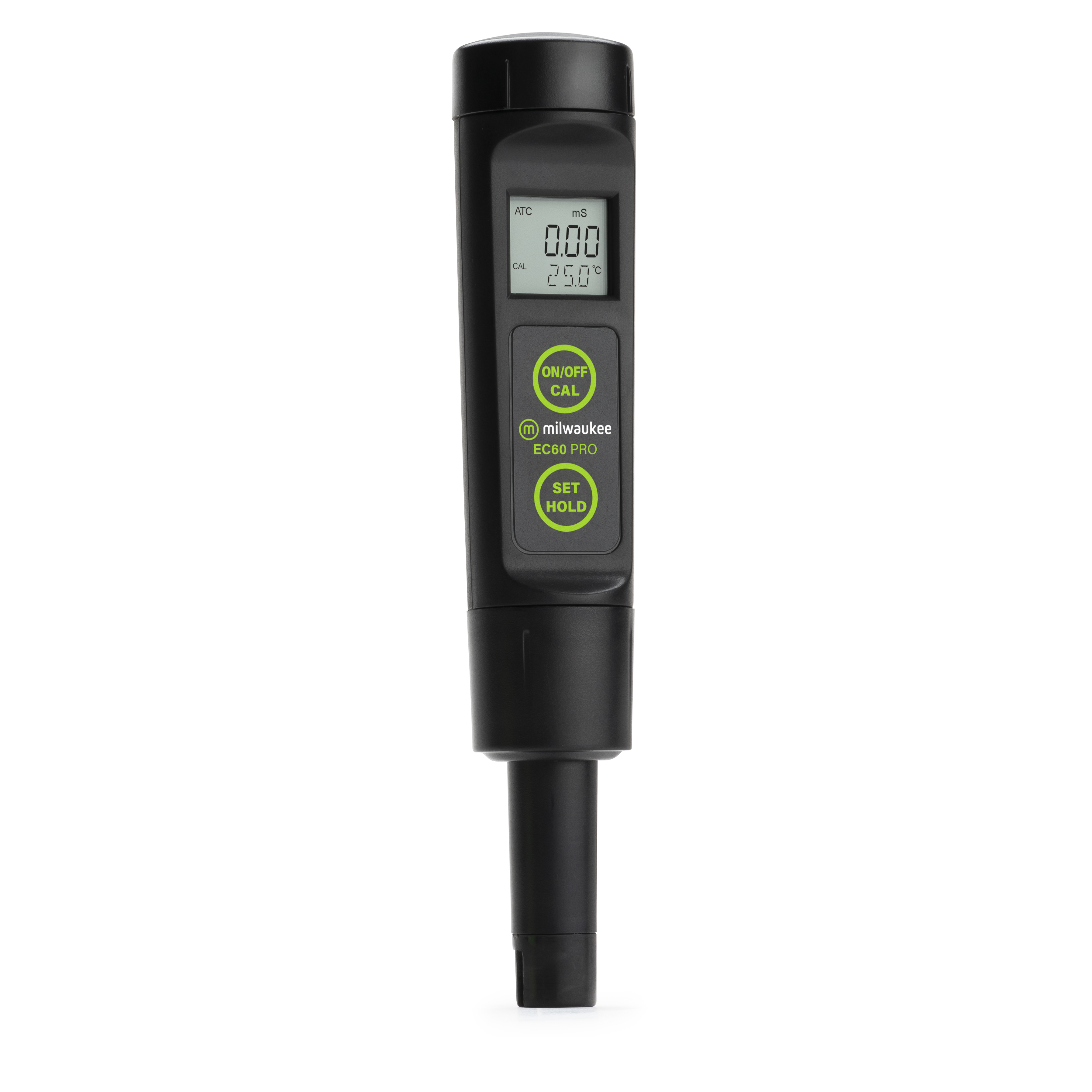
Milwaukee EC60 PRO Waterproof 3-in-1 EC / TDS/Temp Tester with Replaceable Probe
Milwaukee EC60 PRO Waterproof EC/TDS/Temperature Tester –
Reliable Water Quality Control Wherever You Measure
From hydroponic nutrient tanks to irrigation systems, aquariums, and environmental water sources, understanding what’s dissolved in your water is essential for making the right decisions. Electrical conductivity (EC) and total dissolved solids (TDS) offer immediate insight into nutrient concentration, salinity, and overall water quality – but only when measured accurately and consistently.
The Milwaukee EC60 PRO Waterproof EC Tester with Replaceable Probe is designed for growers, water quality professionals, and serious hobbyists who need dependable measurements in real-world conditions. Compact, rugged, and easy to use, the EC60 delivers fast and precise EC, TDS, and temperature readings in one handheld instrument, making it a trusted companion for both field and indoor applications.
Built to handle frequent use in wet and demanding environments, the EC60 combines professional-grade performance with user-friendly operation. Its waterproof housing, automatic temperature compensation, and replaceable EC probe ensure long-term reliability and accuracy – helping you monitor, adjust, and maintain optimal water conditions with confidence.
Designed for Accurate, Everyday Water Testing
The EC60 PRO goes beyond basic testers by offering three key measurements in one device: EC, TDS, and temperature. Whether you’re fine-tuning nutrient strength for plant growth or checking water quality before use, the EC60 provides immediate feedback when it matters most.
With automatic calibration, a clear LCD display, and a fast-responding EC probe, the EC60 simplifies routine testing while maintaining professional accuracy. The replaceable probe design extends the life of the meter and makes it a cost-effective solution for users who test frequently or work in harsh conditions.
Why Choose the Milwaukee EC60 PRO?
- 3-in-1
Measurement Capability
Measures electrical conductivity (EC), total dissolved solids (TDS), and temperature in a single, compact tester. - High
Accuracy & Reliability
Designed for consistent, repeatable results with automatic temperature compensation for dependable readings across varying conditions. - Replaceable
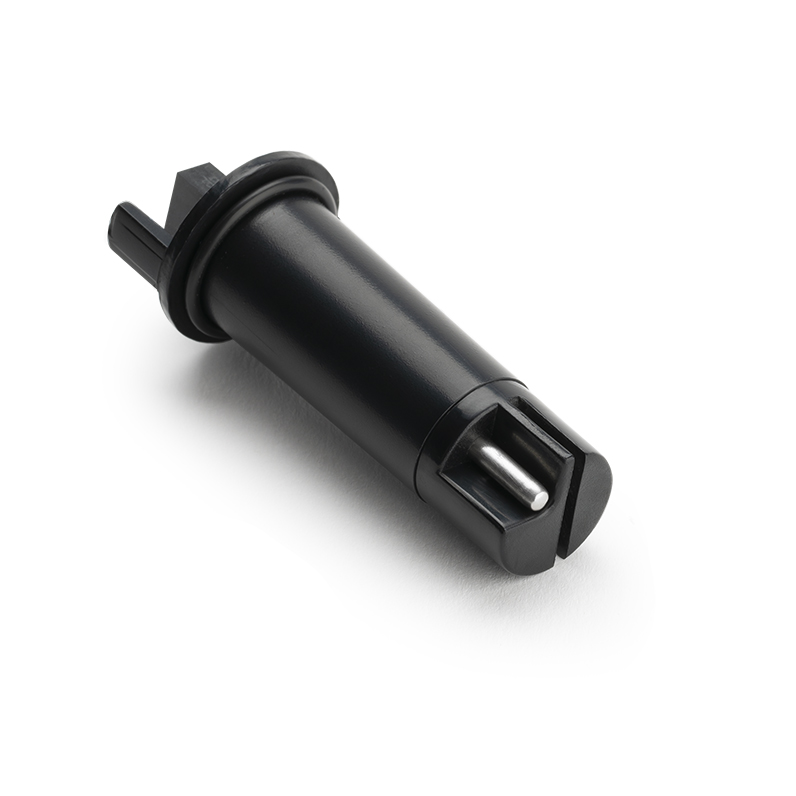

EC Probe
Extends the lifespan of the tester and ensures long-term measurement accuracy without replacing the entire unit. - Automatic
Calibration
Simple one-point automatic calibration makes setup fast and reduces the risk of user error. - Waterproof
& Durable Design
Built to withstand splashes, humidity, and challenging field environments. - Clear,
Easy-to-Read Display
Large LCD screen allows quick reading of results, even during on-site testing. - Portable
& User-Friendly
Lightweight, ergonomic design makes it ideal for handheld use in greenhouses, labs, or outdoor locations.
Applications
Thanks to its versatility and rugged design, the EC60 PRO is suitable for a wide range of water testing applications:
Agriculture & Hydroponics
Accurate EC and TDS measurements are critical for managing nutrient solutions. The EC60 helps growers maintain optimal nutrient concentrations, avoid over-fertilization, and promote healthy plant growth.
Irrigation Water Quality
Monitoring the conductivity of irrigation water helps prevent salt buildup in soil and growing media, protecting crops and improving long-term productivity.
Aquariums & Aquaculture
Stable water conditions are essential for aquatic life. The EC60 allows aquarists and fish farmers to monitor dissolved solids and temperature, supporting healthier aquatic environments.
Environmental Water Testing
Ideal for field testing of rivers, lakes, and groundwater, the EC60 supports quick conductivity assessments as part of environmental monitoring programs.
Water Treatment & Filtration
Use the EC60 to compare conductivity and TDS levels before and after treatment processes that are expected to change dissolved ion levels.
Pools, Spas & General Water Testing
Helps monitor overall dissolved solids levels that impact water balance, comfort, and equipment longevity.
Laboratories & Education
A practical tool for demonstrations, routine lab work, and water quality experiments requiring fast, reliable EC and TDS readings.
Proper Care & Maintenance
Conductivity meters generally maintain accuracy longer than pH meters, but proper care of the EC probe is still essential for consistent performance.
Probe Care
- Always rinse the probe with clean water after each measurement to prevent residue buildup.
- Avoid wiping the probe aggressively, as this may damage the sensing surface.
Storage
- Store the tester in a clean, dry place when not in use.
- Ensure the probe is clean before storage to prevent contamination or scaling.
Calibration
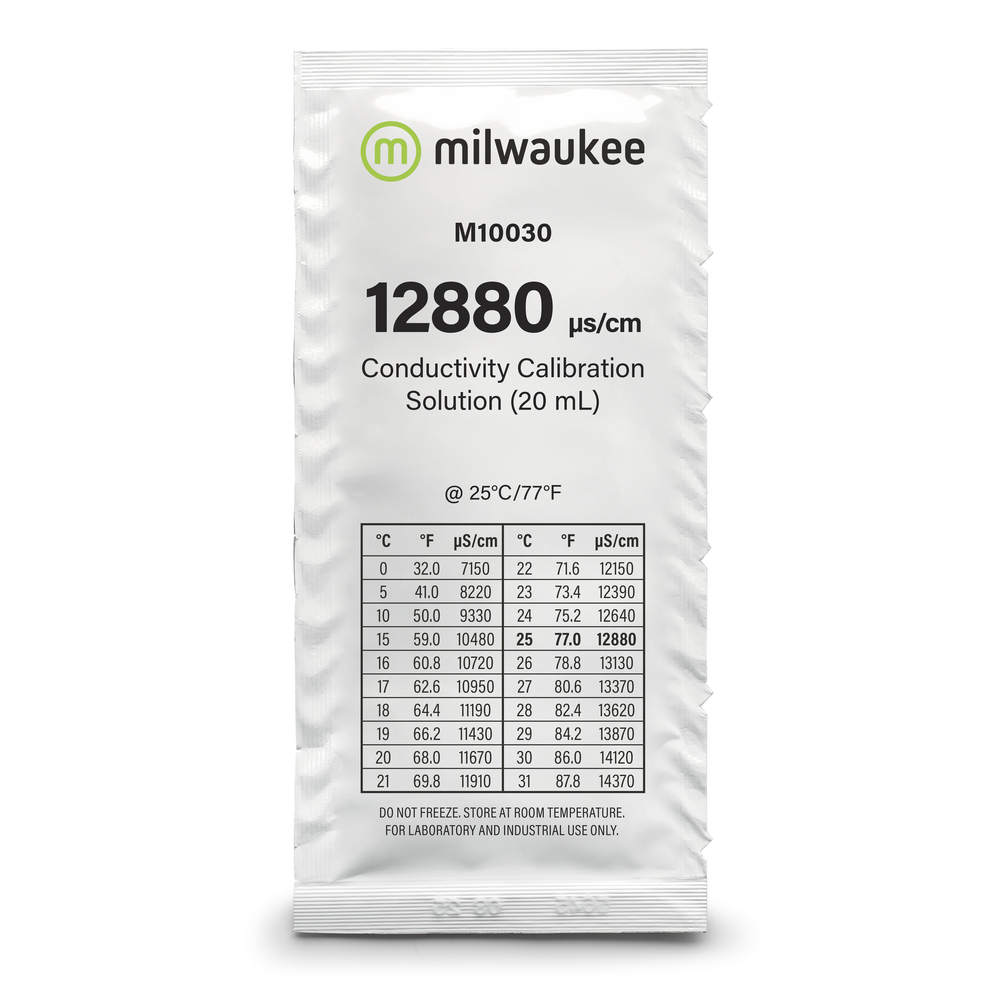
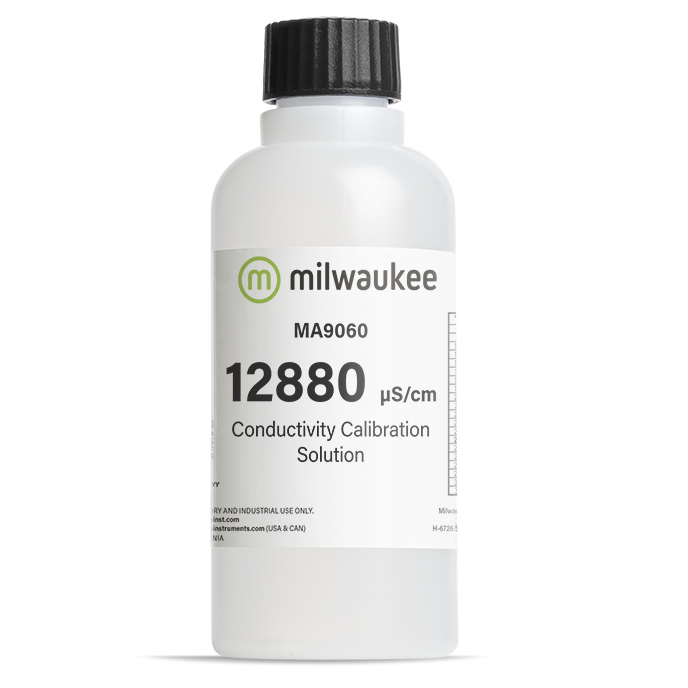
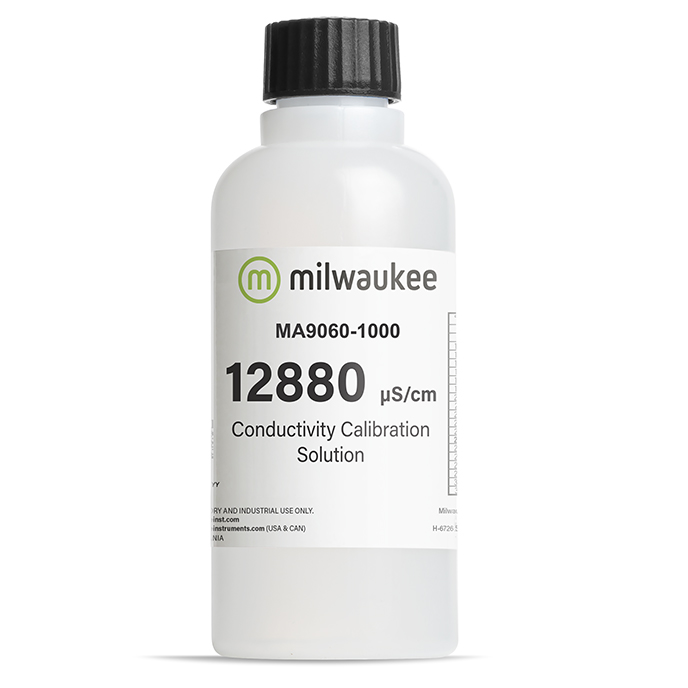
- Calibrate the EC60 regularly using the appropriate EC calibration solution.
- Recalibrate after probe replacement, after testing aggressive chemicals, or when extreme accuracy is required.
Probe Replacement
- Over time, EC probes may wear due to frequent use or exposure to harsh solutions.
- The EC60’s replaceable probe allows you to restore accuracy easily without replacing the entire instrument.
Monitor your water with confidence using the Milwaukee EC60 PRO – a compact, durable, and accurate EC/TDS/Temperature tester built for everyday professional use.
Specifications
Application
Hydroponics Irrigation Aquatics Environmental Lab & Education Food & Beverage Water Treatment Pool & Spa Industrial
Hydroponics – Nutrient Solution Monitoring
Hydroponic cultivation relies entirely on water to deliver nutrients to plants, which makes nutrient solution monitoring one of the most critical factors for plant health, growth rate, and crop yields. In hydroponics, growers must closely measure electrical conductivity (EC) and total dissolved solids (TDS) to ensure the nutrient solution’s strength stays within optimal ranges for the specific crop. As plants consume nutrients, EC/TDS levels can drift, leading to deficiencies, imbalances, and stress that reduce plant performance.
The Milwaukee EC60 PRO Waterproof EC/TDS/Temperature Tester is an ideal tool for hydroponic growers – from small home vertical farms to large commercial greenhouses – because it provides fast, accurate readings of EC, TDS, and temperature in one portable device. With its waterproof housing and automatic temperature compensation, the EC60 helps growers monitor nutrient solution concentration, avoid salt buildup, and maintain consistent nutrient strength control throughout crop cycles.
Using the EC60 PRO for hydroponic nutrient solution monitoring allows growers to:
· Verify nutrient concentration levels in real time, ensuring plants receive the right quantity of essential minerals.
· Detect imbalances early before they impact plant growth or lead to nutrient lockout.
· Optimize fertilizer dosing for different growth stages – from seedlings to flowering and fruiting.
· Improve water quality management by tracking dissolved solids that could stress plant roots or alter pH stability.
· Reduce costs and waste by applying nutrients more efficiently and avoiding overfeeding.
With accurate measurement of EC (in mS/cm) and TDS (in ppt), the EC60 supports precision agriculture practices that lead to healthier crops, stronger root systems, improved nutrient uptake efficiency, and better overall yields.
How to Use the EC60 PRO in Hydroponic Nutrient Monitoring
Achieving reliable hydroponic nutrient control requires routine testing and adjustments. Here’s how to use the Milwaukee EC60 PRO step by step:
1. Prepare Your Meter
- Before testing, rinse the probe with clean water to remove any residues.
- Turn the EC60 PRO on and allow it to stabilize (a few seconds).
2. Calibrate for Accuracy
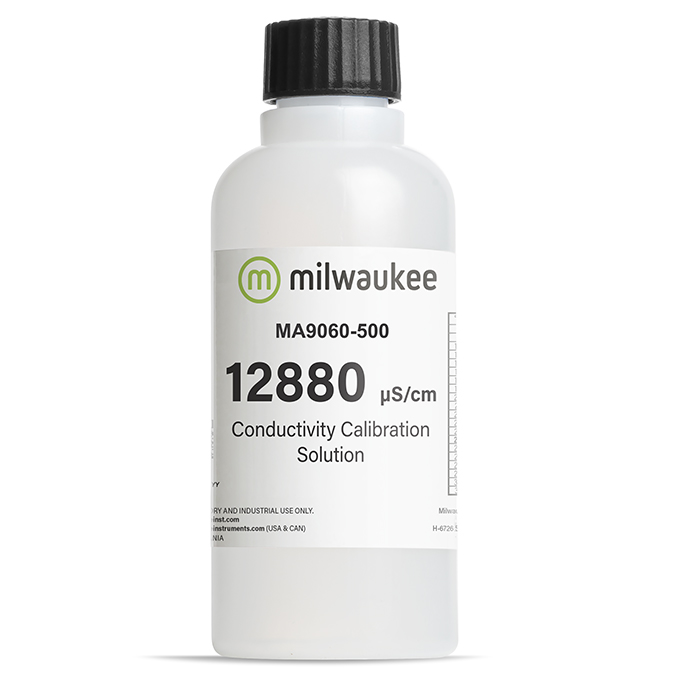
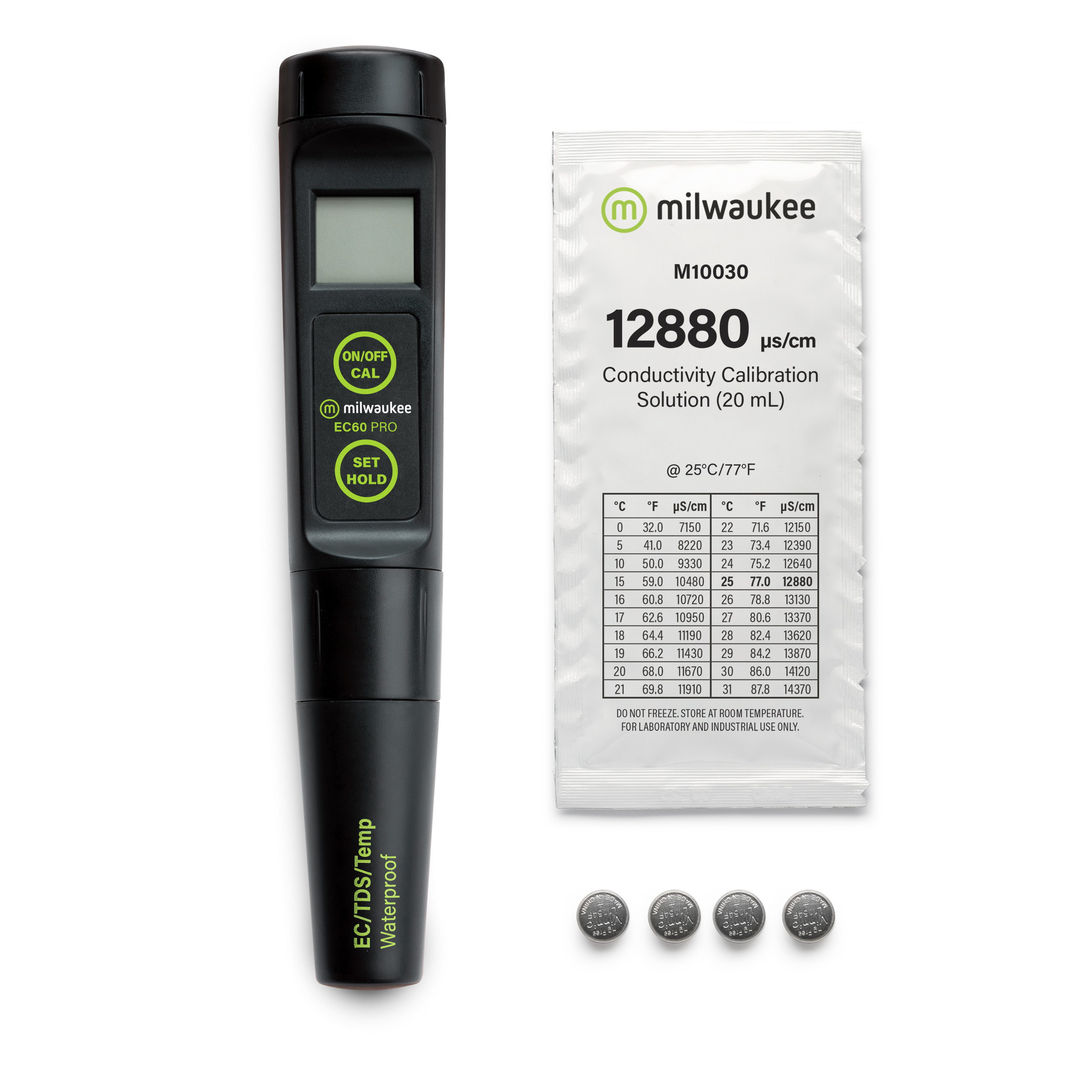
· Perform a one-point automatic calibration using the proper EC60 calibration solution: 12.88 mS/cm (M10030).
· Calibration ensures precision, especially when testing high-performance nutrient solutions.
3. Measure the Nutrient Solution
· Dip the probe into the nutrient reservoir, ensuring the electrodes are fully submerged.
· Gently stir the solution around the probe to remove bubbles and improve contact.
· Wait for the reading to stabilize.
4. Read EC, TDS & Temperature
· Observe the EC value to determine the conductivity of your nutrient solution – this reflects the total ionic content available to plants.
· Use TDS readings (converted from EC) as a proxy for total dissolved nutrients.
· Check temperature – temperature affects nutrient uptake and EC/TDS readings, so automatic temperature compensation ensures accuracy.
5. Interpret and Adjust
· Compare the measured EC/TDS values to the target range for your specific crop and growth stage.
· If EC is too low, add nutrient concentrate to increase strength.
· If EC is too high, dilute with water to prevent salt stress and root damage.
· Regularly retest after adjustments to confirm your corrections.
6. Routine Monitoring
· Test nutrient solution daily or at key growth milestones.
· In recirculating systems, check before and after refill cycles.
· In flood-and-drain or ebb-and-flow setups, test each reservoir separately for consistency
Agriculture & Horticulture – Irrigation Water Quality Monitoring
In modern agriculture and horticulture, irrigation water quality plays a decisive role in crop health, soil structure, nutrient availability, and long-term productivity. Even when fertilizers are carefully managed, poor-quality irrigation water can introduce excess salts and dissolved solids that accumulate in soil or growing media, leading to salinity stress, nutrient imbalance, and reduced yields.
By measuring electrical conductivity (EC) and total dissolved solids (TDS), growers gain immediate insight into the salt concentration of irrigation water before it reaches plant roots. High EC levels may indicate saline water, fertilizer residue, or mineral buildup, while low EC can signal insufficient nutrient availability. Consistent monitoring allows growers to adjust fertilization strategies, blending ratios, and irrigation schedules to maintain optimal growing conditions.
The Milwaukee EC60 PRO Waterproof EC/TDS/Temperature Tester is a practical solution for monitoring irrigation water quality across a wide range of agricultural and horticultural applications. Its fast, accurate readings help farmers, greenhouse operators, and nursery managers assess source water, treated water, and fertigated irrigation systems with confidence – whether working with wells, reservoirs, rainwater collection, or municipal supplies.
Using the EC60 PRO for irrigation water testing helps growers:
· Prevent salt buildup in soil, coco coir, rockwool, and other growing media.
· Reduce the risk of over-fertilization caused by hidden dissolved salts in irrigation water.
· Ensure consistent nutrient delivery across irrigation zones and crop rows.
· Protect sensitive crops that are vulnerable to salinity and conductivity fluctuations.
· Optimize water management strategies for open-field farming, greenhouses, and nurseries.
· Improve long-term soil health by avoiding salinity accumulation that degrades soil structure and microbial activity.
Regular EC and TDS testing supports more precise irrigation decisions, helping growers maintain balanced nutrient uptake, stronger root development, and stable crop performance throughout the growing season.
How to Use the EC60 PRO for Irrigation Water Quality Testing
1. Test Your Water Source
· Before irrigation begins, measure the EC and TDS of your water source:
· Wells, boreholes, surface water
· Rainwater harvesting tanks
· Municipal or treated water supplies
· This establishes a baseline conductivity level and identifies potential salinity risks before water is applied to crops.
2. Calibrate for Reliable Results
· Perform a one-point automatic calibration using an appropriate EC calibration solution.
· Calibration ensures accurate conductivity readings, especially when monitoring seasonal changes in water quality.
3. Measure Irrigation Water
· Rinse the EC probe with clean water.
· Submerge the probe fully into the irrigation water sample or directly into the irrigation line sampling point.
Gently stir or allow water to flow past the probe until readings stabilize.
4. Interpret EC, TDS & Temperature
· EC readings indicate the total salt concentration affecting plant roots.
· TDS values provide a clear reference for dissolved mineral content.
· Temperature influences conductivity readings and nutrient uptake – automatic temperature compensation ensures accuracy.
5. Adjust Irrigation & Fertilization
· If EC levels are high, consider diluting with lower-EC water, adjusting fertilizer rates, or increasing leaching cycles.
· If EC levels are low, review nutrient application to ensure crops receive adequate minerals.
· Regular testing helps fine-tune fertigation systems for uniform nutrient distribution.
6. Ongoing Monitoring
· Test irrigation water regularly, especially during dry seasons when salinity can increase.
· Monitor before and after fertilizer injection to verify system performance.
· Keep records of EC/TDS trends to guide long-term irrigation planning.
Aquaculture, Aquariums & Coral Systems – Water Quality Monitoring
In all aquatic environments – from commercial aquaculture systems to home aquariums and reef tanks – water quality stability is essential for the health, growth, and survival of aquatic life. Fish, invertebrates, and corals are highly sensitive to changes in dissolved salts, minerals, and temperature, making routine monitoring of electrical conductivity (EC), total dissolved solids (TDS), and temperature a fundamental part of responsible aquatic management.
In aquaculture and recirculating aquaculture systems (RAS), conductivity and TDS measurements provide valuable insight into mineral accumulation, feed residue, metabolic waste, and system balance. Elevated EC levels can indicate excessive dissolved salts, poor water exchange, or filtration inefficiencies, while low conductivity may signal mineral deficiencies that affect fish health, osmoregulation, and growth rates.
For freshwater aquariums, monitoring EC and TDS helps aquarists maintain stable conditions for sensitive species. Many freshwater fish require specific conductivity ranges that mimic their natural habitats, and fluctuations can cause stress, weakened immune response, and reduced breeding success. Regular EC/TDS testing also supports proper water change schedules and helps verify the effectiveness of filtration and water treatment methods.
In reef and coral systems, while salinity is typically measured directly using refractometers or conductivity-based salinity meters, EC and TDS readings serve as valuable supporting indicators. Monitoring dissolved solids helps detect unwanted mineral buildup, contaminants, or changes caused by top-off water, supplements, and evaporation – all of which can impact coral health and water clarity.
The Milwaukee EC60 PRO Waterproof EC/TDS/Temperature Tester offers a reliable and convenient solution for aquatics professionals and enthusiasts alike. Its fast response time, automatic temperature compensation, and waterproof design make it well suited for routine checks in fish farms, hatcheries, aquariums, and reef systems – helping maintain stable aquatic environments and prevent costly losses.
Using the EC60 PRO in aquatic applications helps users:
Maintain stable water conditions essential for fish health and coral vitality.
Detect dissolved mineral buildup in recirculating systems before it becomes harmful.
Support proper osmoregulation for freshwater and brackish species.
Verify filtration and water change effectiveness in closed-loop systems.
Reduce stress-related disease risks caused by fluctuating water chemistry.
Improve long-term system performance through consistent water quality monitoring.
How to Use the EC60 PRO in Aquatic Systems
1. Prepare the Tester
· Rinse the EC probe with clean water before each measurement to avoid cross-contamination.
· Turn on the EC60 PRO and allow the reading to stabilize.
2. Calibrate for Accuracy
· Perform a one-point automatic calibration using an appropriate EC calibration solution.
· Regular calibration is recommended, especially in professional aquaculture or sensitive aquarium environments.
3. Measure Aquarium or System Water
· Submerge the probe directly into the aquarium, sump, or sampling container.
· Ensure the probe is fully immersed and not touching surfaces or substrates.
· Gently move the probe or allow water flow to pass across it to eliminate air bubbles.
4. Monitor EC, TDS & Temperature
· EC values indicate overall ionic concentration and mineral load.
· TDS readings reflect total dissolved solids from feed, supplements, and source water.
· Temperature affects metabolism and conductivity – automatic temperature compensation ensures accurate readings.
5. Interpret & Adjust
· Compare readings against target ranges for your species or system type.
· If EC/TDS levels rise unexpectedly, increase water exchange, review feeding rates, or inspect filtration systems.
· In reef tanks, use EC/TDS as a supplementary check alongside salinity measurements to detect dissolved contaminant buildup.
6. Routine Monitoring
· Test water regularly – daily in intensive aquaculture systems, weekly in aquariums.
· Monitor before and after water changes to confirm effectiveness.
· Keep records to identify trends and prevent long-term water quality degradation.
Environmental Water Testing & Field Surveys – Conductivity and TDS Monitoring
Environmental water testing plays a crucial role in understanding the health of natural ecosystems and detecting changes caused by human activity, climate variation, and land use. Measuring electrical conductivity (EC) and total dissolved solids (TDS) provides fast, reliable insight into the mineral and ionic content of natural waters – making these parameters essential for water quality assessment, environmental monitoring, and field research.
In rivers, lakes, streams, wetlands, and groundwater sources, EC and TDS values help identify salinity levels, dissolved mineral concentrations, and potential pollution indicators. Sudden increases in conductivity can signal runoff from agriculture, road de-icing salts, industrial discharge, or wastewater intrusion, while unusually low conductivity may indicate dilution from rainfall or upstream changes in water flow.
The Milwaukee EC60 PRO Waterproof EC/TDS/Temperature Tester is well suited for environmental fieldwork thanks to its portable design, waterproof construction, and fast stabilization time. It enables environmental scientists, researchers, consultants, and monitoring agencies to perform on-site water testing without the need for laboratory equipment, supporting immediate decision-making in the field.
During environmental field surveys, EC and TDS measurements are often used to:
· Map salinity gradients along rivers, estuaries, and coastal transition zones.
· Identify pollution sources through conductivity anomalies in surface waters.
· Monitor seasonal variations in water chemistry linked to rainfall, drought, or snowmelt.
· Assess groundwater quality in wells, springs, and boreholes.
· Support ecological studies by correlating water chemistry with biological indicators.
· Validate remediation efforts by tracking changes in dissolved solids over time.
By combining EC, TDS, and temperature measurements, the EC60 PRO helps provide a comprehensive snapshot of environmental water quality, making it a valuable tool for baseline surveys, impact assessments, and long-term monitoring programs.
How to Use the EC60 PRO for Environmental Water Testing
1. Prepare for Field Measurement
· Rinse the EC probe with clean water before sampling to avoid cross-contamination.
· Turn on the EC60 PRO and allow it to stabilize.
2. Calibrate for Field Accuracy
· Perform a one-point automatic calibration using a suitable EC calibration solution.
· Calibration is especially important when comparing measurements across multiple sites or survey dates.
3. Collect & Measure Water Samples
You can measure directly in the field or using collected samples:
1. Submerge the probe directly into the river, lake, or stream at the desired sampling depth.
2. Avoid disturbing sediments, which can temporarily alter conductivity readings.
3. Gently move the probe to ensure good water contact and remove air bubbles.
4. Analyze EC, TDS & Temperature
· EC values indicate overall ionic content and salinity trends.
· TDS readings reflect dissolved mineral load and potential contamination sources.
· Temperature influences conductivity and biological activity – automatic temperature compensation ensures reliable results.
5. Interpret Results
· Compare readings across locations to identify conductivity gradients or hotspots.
· Track changes over time to detect pollution events, seasonal shifts, or recovery after remediation.
· Use EC/TDS data alongside pH, turbidity, or dissolved oxygen measurements for a complete water quality assessment.
6. Document & Monitor
· Record location, time, weather conditions, and readings for accurate data interpretation.
· Repeat measurements regularly to support long-term environmental monitoring programs.
· Use consistent testing procedures to ensure data comparability across surveys.
Laboratory & Educational Use – Conductivity and TDS Measurement for Learning and Research
In laboratories, classrooms, and training environments, accurate yet easy-to-use water quality instruments are essential for demonstrating scientific principles and conducting reliable experiments. Measuring electrical conductivity (EC) and total dissolved solids (TDS) allows students, educators, and lab technicians to explore the relationship between dissolved ions, water quality, and chemical composition in a clear and practical way.
The Milwaukee EC60 PRO Waterproof EC/TDS/Temperature Tester is well suited for educational laboratories, research facilities, and teaching environments because it combines professional-grade measurement accuracy with intuitive operation. Its fast response time and automatic temperature compensation make it ideal for demonstrations, practical coursework, and routine laboratory testing without requiring complex setup or advanced technical training.
In water quality laboratories, EC and TDS measurements are commonly used as screening parameters to assess dissolved mineral content before more detailed chemical analysis. Conductivity testing helps identify trends in water purity, salinity, and contamination, while TDS measurements provide a quick reference for total dissolved ionic substances in a sample.
For educational use, the EC60 PRO supports hands-on learning by enabling students to:
· Understand how dissolved salts and minerals affect electrical conductivity.
· Compare conductivity values across different water samples (tap water, distilled water, river water, nutrient solutions).
· Observe the influence of temperature on conductivity and ionic movement.
· Learn proper water sampling, calibration, and measurement techniques.
· Develop foundational skills used in environmental science, chemistry, biology, and engineering disciplines.
Thanks to its portable and waterproof design, the EC60 PRO can be used across classrooms, teaching labs, and outdoor learning environments – making it a versatile tool for both academic instruction and applied research.
How to Use the EC60 PRO in Laboratory & Educational Settings
1. Prepare the Instrument
· Rinse the EC probe with clean water before each measurement.
· Turn on the EC60 PRO and allow it to stabilize.
2. Calibrate for Accuracy
· Perform a one-point automatic calibration using an appropriate EC calibration solution.
· Calibration is recommended before lab sessions to ensure consistent and repeatable results across experiments.
3. Measure Water Samples
1. Place the probe into the water sample or beaker, ensuring the electrodes are fully submerged.
2. Avoid contact with container walls or sediment at the bottom.
3. Gently swirl the probe or sample to ensure uniform readings.
4. Observe EC, TDS & Temperature
· EC readings reflect the ionic concentration of the sample.
· TDS values provide an estimate of total dissolved solids in parts per thousand (ppt).
· Temperature readings help illustrate how conductivity changes with thermal conditions – with automatic compensation ensuring accuracy.
5. Compare & Analyze Results
· Record readings from different samples and compare results.
· Discuss variations caused by dissolved minerals, salts, or impurities.
· Use EC/TDS data as a foundation for further chemical or environmental analysis.
6. Cleaning & Storage After Use
· Rinse the probe thoroughly with clean water after each lab session.
· Store the tester in a dry, safe location to maintain long-term performance.
Food & Beverage Production – Water Quality & Process Control Monitoring
In food and beverage production, water quality consistency is essential for product safety, taste, and repeatability. Water is used not only as an ingredient but also throughout processing, mixing, cleaning, and sanitation, making routine monitoring of electrical conductivity (EC) and total dissolved solids (TDS) a valuable part of quality assurance programs.
EC and TDS measurements act as practical proxy indicators for dissolved ionic content, including salts and minerals, in water-based solutions.. Changes in conductivity can signal variations in source water quality, inconsistent ingredient dosing, or residue buildup in processing systems. While EC and TDS do not replace laboratory chemical analysis, they provide fast, actionable insight that helps producers maintain control over daily operations.
The Milwaukee EC60 PRO Waterproof EC/TDS/Temperature Tester is well suited for food and beverage environments thanks to its compact size, waterproof design, and quick response time. It allows operators, technicians, and quality managers to perform on-site checks without interrupting production, supporting consistency across batches and processes.
Common food & beverage use cases include:
· Monitoring water quality used in food processing, ingredient dilution, and product formulation.
· Verifying cleaning and rinsing effectiveness by checking residual dissolved solids after CIP (Clean-In-Place) procedures.
· Tracking dissolved ionic content in solutions where salt concentration is relevant, using EC/TDS as a comparative indicator.
· Supporting brewing and winemaking QA, where water conductivity affects yeast activity, fermentation stability, and mineral balance.
· Ensuring batch-to-batch consistency by identifying conductivity variations early in the process.
· Detecting contamination or residue in processing water, tanks, and pipelines.
In brewing and winemaking, EC and TDS monitoring is commonly used alongside pH, gravity, and other analytical tools. Conductivity measurements help assess mineral content in brewing water, dilution water, and cleaning solutions, supporting repeatable flavor profiles and stable fermentation conditions.
By integrating EC/TDS testing into routine quality checks, food and beverage producers can reduce variability, improve process control, and maintain high production standards.
How to Use the EC60 PRO in Food & Beverage Applications
1. Prepare the Tester
· Rinse the EC probe with clean water before each measurement to prevent cross-contamination.
· Power on the EC60 PRO and allow the reading to stabilize.
2. Calibrate for Production Accuracy
· Perform a one-point automatic calibration using the appropriate EC calibration solution.
· Calibration is recommended at the start of production shifts or before QA testing.
3. Measure Water or Process Solutions
- Submerge the probe into the water sample, process solution, or rinse water.
- Ensure the probe is fully immersed and not in contact with container walls or solids.
- Gently move the probe or allow flow to pass across it for stable readings.
4. Monitor EC, TDS & Temperature
· EC readings indicate overall ionic concentration related to salts, minerals, and dissolved compounds.
· TDS values provide an easy-to-understand reference for total dissolved solids in ppt.
· Temperature influences conductivity – automatic temperature compensation ensures accurate results in warm or cold processing environments.
5. Interpret & Act
· Compare readings against established internal benchmarks or previous batch values.
· Identify deviations that may indicate inconsistent water quality, improper dilution, or incomplete rinsing.
· Use EC/TDS data as a screening tool before conducting more detailed laboratory analysis when needed.
6. Cleaning & Storage
· Rinse the probe thoroughly after each use, especially when testing sugary or saline solutions.
· Store the tester in a clean, dry location to maintain long-term performance.
Water Treatment & Conditioning – Process Verification and Water Quality Control
In water treatment and conditioning applications, monitoring electrical conductivity (EC) and total dissolved solids (TDS) is a fundamental step in evaluating treatment performance and maintaining consistent water quality. From municipal and commercial systems to industrial and residential treatment setups, EC and TDS measurements provide immediate insight into the ionic content of water before and after treatment processes.
Conductivity testing is widely used to assess the effectiveness of filtration systems, water softeners, reverse osmosis (RO) units, deionization systems, and other conditioning technologies. By comparing EC and TDS values at different stages of treatment, operators can quickly verify whether dissolved salts, minerals, and contaminants are being reduced as expected.
The Milwaukee EC60 PRO Waterproof EC/TDS/Temperature Tester is particularly well suited for water treatment environments because it offers fast, accurate, on-site measurements without the need for laboratory analysis. Its portable design allows technicians, installers, and facility managers to perform spot checks, routine inspections, and system diagnostics directly at treatment points, storage tanks, or distribution outlets.
Typical water treatment and conditioning use cases include:
- Verifying dissolved-ion removal performance by comparing inlet and outlet EC/TDS values where the treatment process is expected to reduce conductivity.
- Monitoring conductivity before and after softening as a supplementary parameter; use hardness-specific testing to verify calcium and magnesium reduction.
- Assessing reverse osmosis system effectiveness by tracking conductivity reduction.
- Detecting membrane failure or resin exhaustion through unexpected EC increases.
- Identifying contamination or bypass issues in treated water lines.
- Supporting preventive maintenance through routine water quality monitoring.
- Confirming treatment consistency in commercial, industrial, and residential systems.
Because EC and TDS respond quickly to changes in dissolved mineral content, they are ideal for early detection of system inefficiencies, helping prevent scale formation, corrosion, equipment damage, and water quality complaints. Regular monitoring also supports compliance with internal quality standards and improves long-term system reliability.
How to Use the EC60 PRO in Water Treatment & Conditioning Applications
1. Establish Baseline Measurements
Before treatment begins, measure EC and TDS of the incoming (raw) water supply:
· Municipal water
· Well or borehole water
· Process or industrial feed water
These readings establish a reference point for evaluating treatment effectiveness.
2. Calibrate for Accurate Monitoring
· Perform a one-point automatic calibration using an appropriate EC calibration solution.
· Calibration ensures reliable comparisons between pre- and post-treatment measurements.
3. Measure Treated Water
1. Rinse the EC probe with clean water.
2. Submerge the probe into treated water samples taken:
· After filtration
· After softening
· After RO or deionization stages
3. Allow readings to stabilize before recording values.
4. Compare EC, TDS & Temperature
· EC readings indicate changes in ionic concentration across treatment stages.
· TDS values help quantify dissolved solids reduction.
· Temperature compensation ensures consistent readings across different water temperatures.
5. Interpret Results & Take Action
· Significant EC/TDS reduction confirms effective treatment.
· Rising EC levels may indicate filter saturation, resin depletion, or membrane damage.
· Sudden conductivity spikes can signal contamination or system bypass.
6. Routine Monitoring & Maintenance
· Perform regular checks as part of preventive maintenance schedules.
· Monitor trends over time to anticipate servicing needs before failures occur.
· Document readings to support troubleshooting and system optimization.
Pools & Spa Water Monitoring – TDS, Conductivity & Water Balance Control
In swimming pools, spas, and hot tubs, water balance directly affects user comfort, equipment longevity, and overall safety. While parameters such as pH and sanitizer levels are commonly monitored, electrical conductivity (EC) and total dissolved solids (TDS) provide essential insight into the accumulation of dissolved salts, minerals, and chemical residues over time.
As pools and spas operate, dissolved solids gradually increase due to chemical dosing, evaporation, bather load, source water quality, and environmental contamination. Elevated TDS levels can reduce sanitizer efficiency, cause cloudy water, increase corrosion or scaling, and lead to skin and eye irritation. Monitoring conductivity allows operators to detect rising dissolved solids early and maintain optimal water conditions.
The Milwaukee EC60 PRO Waterproof EC/TDS/Temperature Tester offers a practical solution for pool and spa water quality monitoring, enabling fast, on-site EC and TDS measurements without complex equipment. Its waterproof design and portable format make it well suited for use around wet environments, service areas, and outdoor installations.
Using the EC60 PRO for pool and spa applications helps:
· Track total dissolved solids (TDS) buildup that affects water clarity and comfort.
· Support proper water balance alongside pH, chlorine, or bromine testing.
· Optimize chemical dosing by identifying excessive dissolved residues.
· Determine when water replacement or dilution is required.
· Protect pool and spa equipment from scaling and corrosion caused by high mineral content.
· Improve swimmer comfort and safety by maintaining stable water chemistry.
By integrating EC and TDS monitoring into regular pool maintenance routines, operators gain a clearer picture of water quality trends and can take proactive action before problems arise.
How to Use the EC60 PRO for Pool & Spa Water Testing
1. Prepare the Tester
· Rinse the EC probe with clean water before testing.
· Turn on the EC60 PRO and allow readings to stabilize.
2. Calibrate Regularly
· Perform a one-point automatic calibration using the appropriate EC calibration solution.
· Calibration ensures accurate readings, especially in chemically treated water.
3. Measure Pool or Spa Water
- Submerge the probe into the pool or spa water, away from inlets or skimmers.
- Ensure the probe is fully immersed and not touching pool walls or surfaces.
- Gently move the probe to remove air bubbles and allow the reading to stabilize.
4. Monitor EC, TDS & Temperature
· EC readings reflect the overall ionic content of the water.
· TDS values indicate the total concentration of dissolved solids in ppt.
· Temperature measurement helps assess bathing conditions and ensures accurate EC/TDS readings through automatic temperature compensation.
5. Interpret & Maintain Water Balance
· Compare readings against recommended TDS limits for pools and spas.
· Rising TDS may indicate the need for partial draining and refilling.
· Use EC/TDS data to support chemical adjustments and water replacement decisions.
6. Routine Monitoring
· Test water regularly, especially during periods of heavy use or high evaporation.
· Monitor after chemical dosing or shock treatments to track dissolved residue levels.
· Record readings over time to identify trends and prevent long-term water quality issues.
Industrial Process Water Monitoring – Conductivity, TDS & System Protection
In industrial environments, process water quality directly affects system efficiency, equipment lifespan, and operational safety. Water used in cooling towers, boilers, heat exchangers, washing systems, and manufacturing processes must be carefully controlled to prevent scale formation, corrosion, fouling, and contamination. Monitoring electrical conductivity (EC) and total dissolved solids (TDS) is a widely accepted method for assessing water quality and maintaining stable industrial operations.
Conductivity measurements provide immediate insight into the concentration of dissolved salts, minerals, and ionic compounds in process water. Elevated EC and TDS levels often indicate increased scaling potential, insufficient blowdown in cooling systems, concentration of dissolved solids due to evaporation, or contamination from process chemicals. Conversely, unexpectedly low conductivity may point to over-dilution or inconsistent chemical dosing.
The Milwaukee EC60 PRO Waterproof EC/TDS/Temperature Tester is well suited for on-site industrial water monitoring thanks to its rugged design, fast response time, and portable format. It enables maintenance technicians, plant operators, and facility managers to perform real-time checks without relying on laboratory analysis, supporting quick decisions and preventive maintenance strategies.
Common industrial process water applications include:
· Cooling tower conductivity monitoring to control blowdown cycles and prevent scale buildup.
· Boiler feedwater testing to reduce scaling, corrosion, and carryover risks.
· Process water quality verification in manufacturing and production lines.
· Rinse water monitoring to detect chemical residues or contamination.
· Detection of leaks or cross-contamination between process streams.
· Support for water treatment programs involving inhibitors, biocides, and conditioning chemicals.
By tracking EC and TDS levels consistently, industrial operators can optimize water usage, minimize downtime, reduce maintenance costs, and extend the service life of critical equipment.
How to Use the EC60 PRO for Industrial Process Water Testing
1. Establish Baseline Readings
Measure EC and TDS of the incoming water supply or initial process water to establish reference values for normal operating conditions.
2. Calibrate for Industrial Accuracy
· Perform a one-point automatic calibration using an appropriate EC calibration solution.
· Regular calibration ensures reliable trend analysis and accurate comparisons over time.
3. Measure Process Water On-Site
· Rinse the probe with clean water before testing.
· Collect a representative water sample or measure directly at sampling ports.
· Submerge the probe fully and allow readings to stabilize.
4. Monitor EC, TDS & Temperature
· EC values indicate dissolved ionic concentration and scaling potential.
· TDS readings provide a clear reference for total dissolved solids in ppt.
· Temperature compensation ensures accurate readings in hot or cooled industrial water.
5. Interpret Results & Take Action
· Rising EC/TDS levels may indicate evaporation concentration, inadequate blowdown, or chemical overdosing.
· Sudden conductivity changes can signal contamination or system leaks.
· Use data to adjust treatment programs, blowdown rates, or chemical dosing.
6. Routine Monitoring & Documentation
· Perform regular checks as part of preventive maintenance routines.
· Log readings to track trends and identify early warning signs.
· Use historical data to improve water treatment efficiency and system performance.
June 1, 2022 10:31
65615
591111111111111111111111111111111111111111111111111111111111111111111111111111111111