Your shopping cart is currently empty.

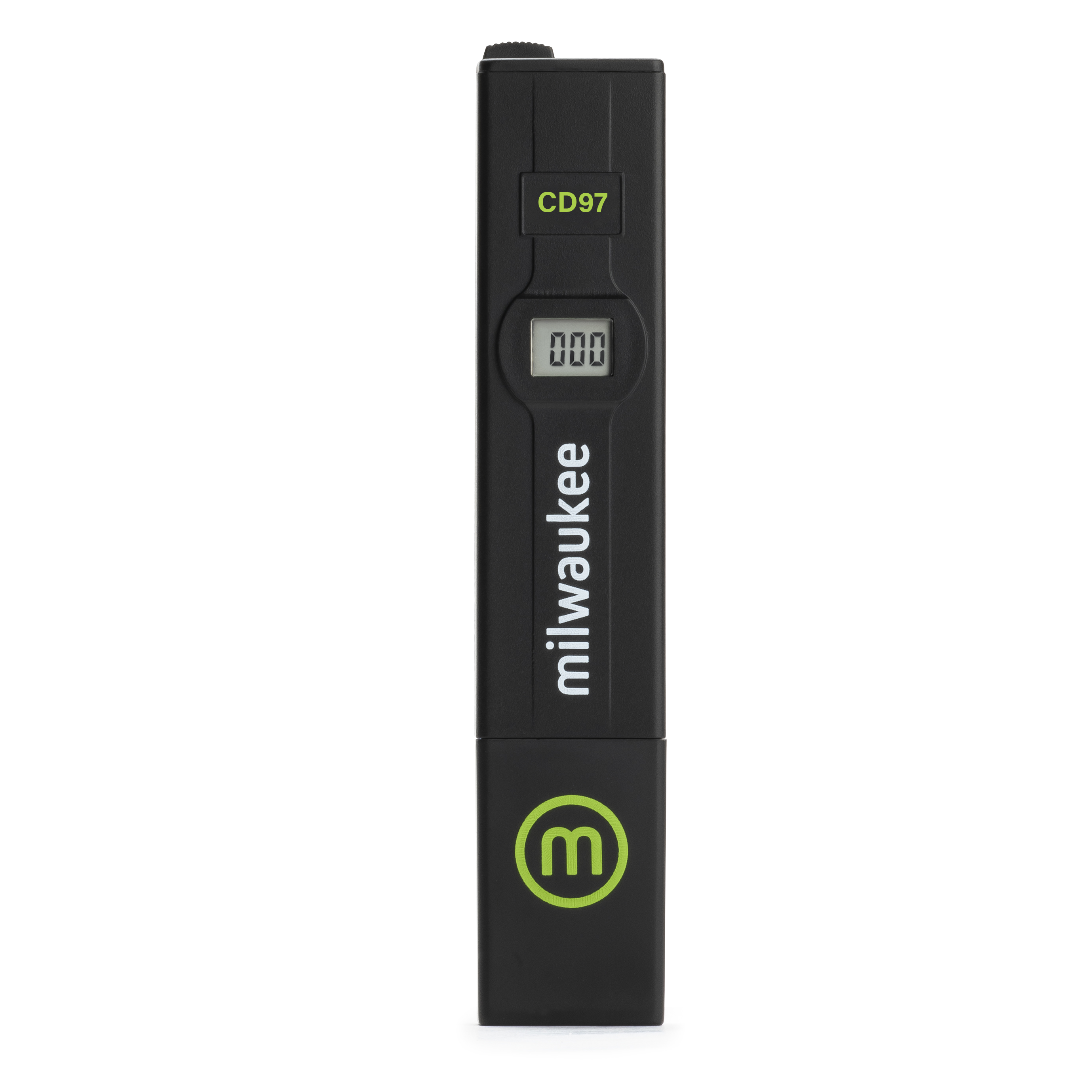
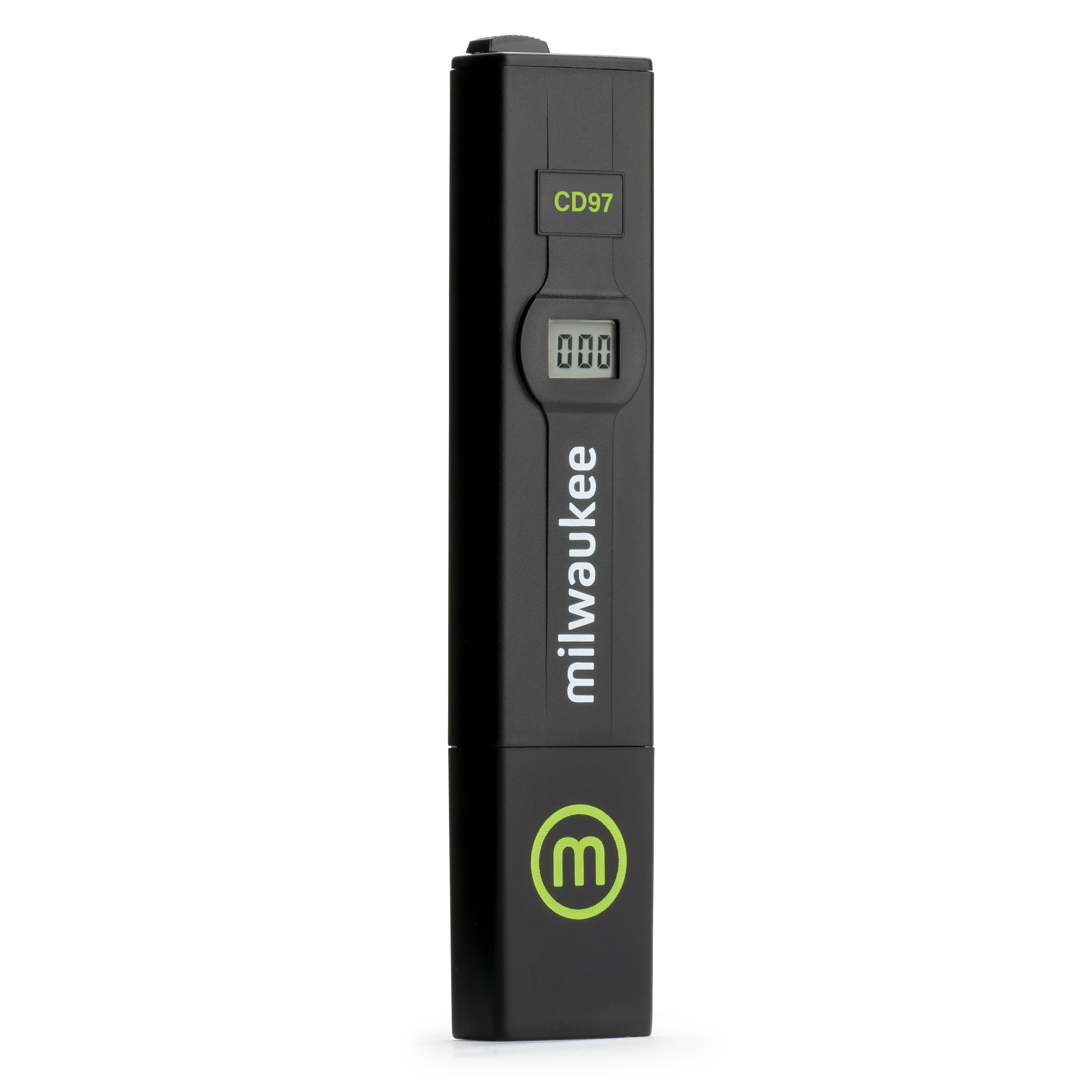
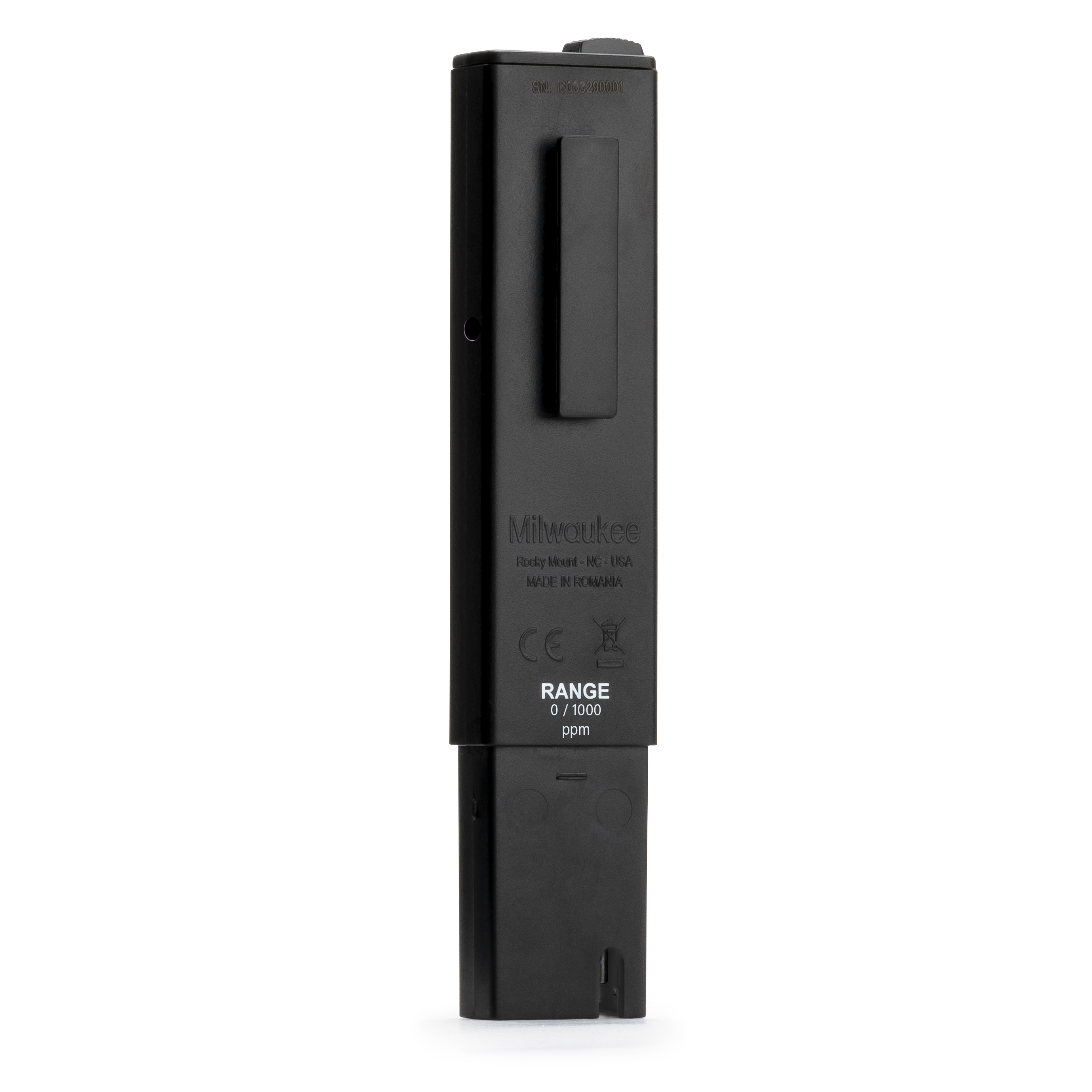
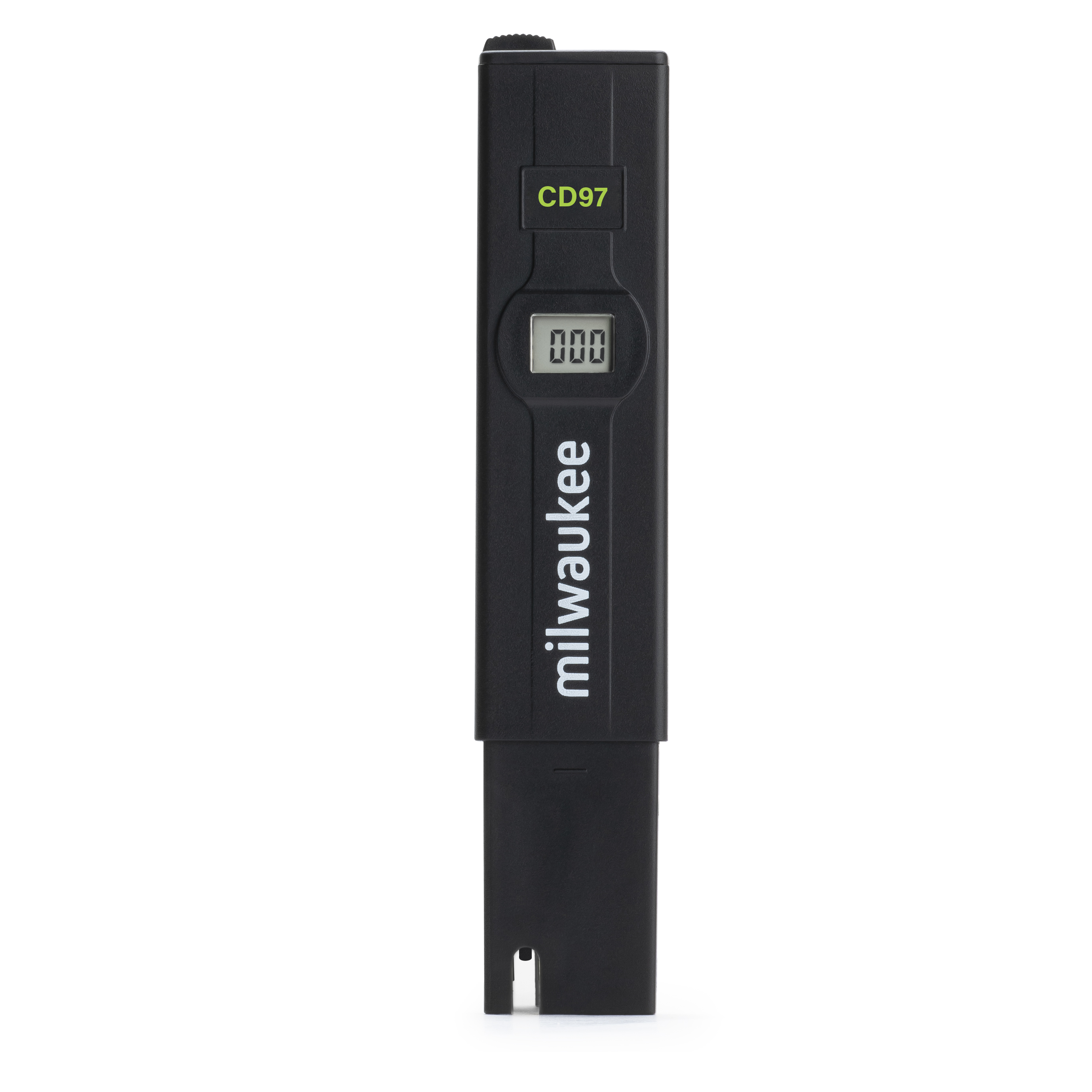
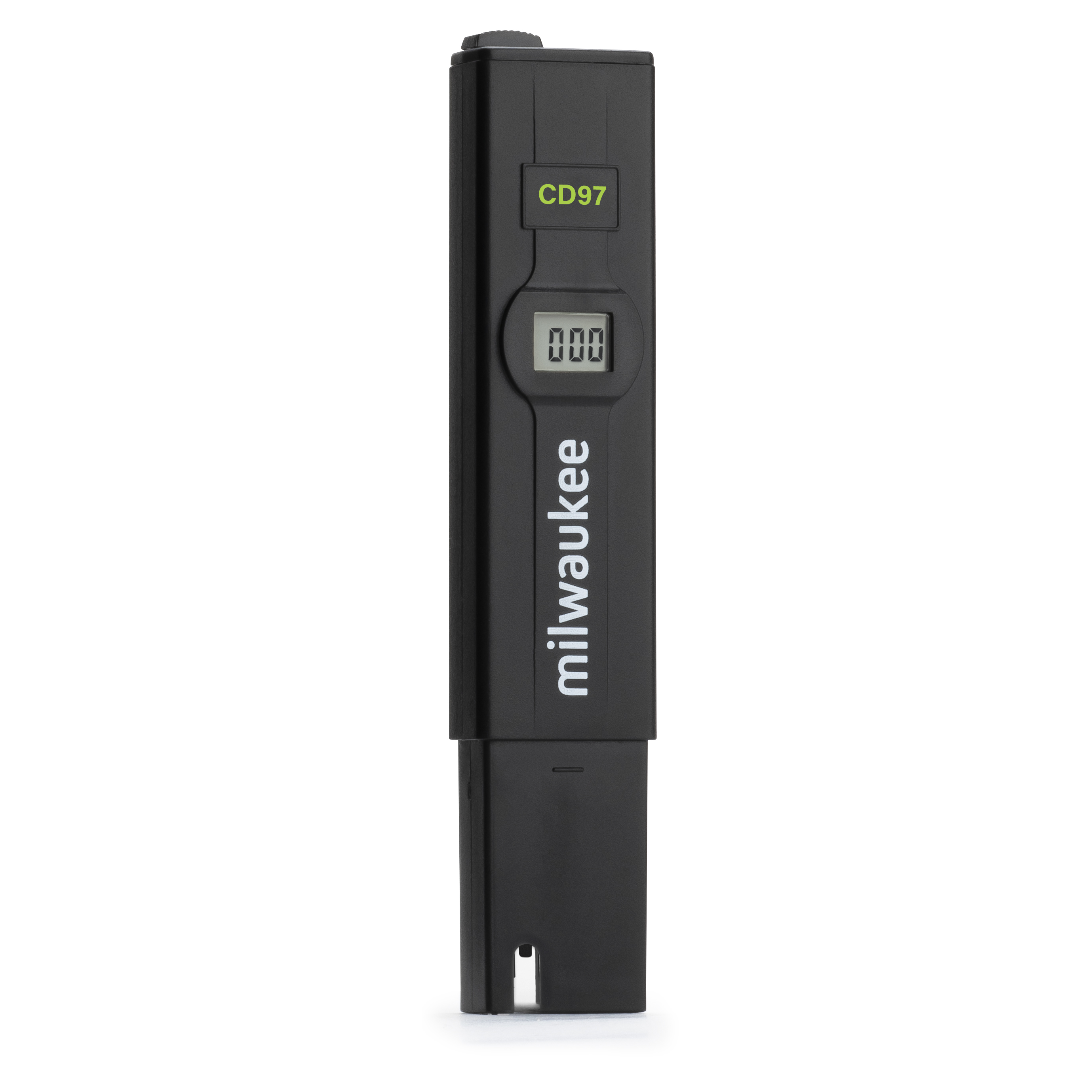
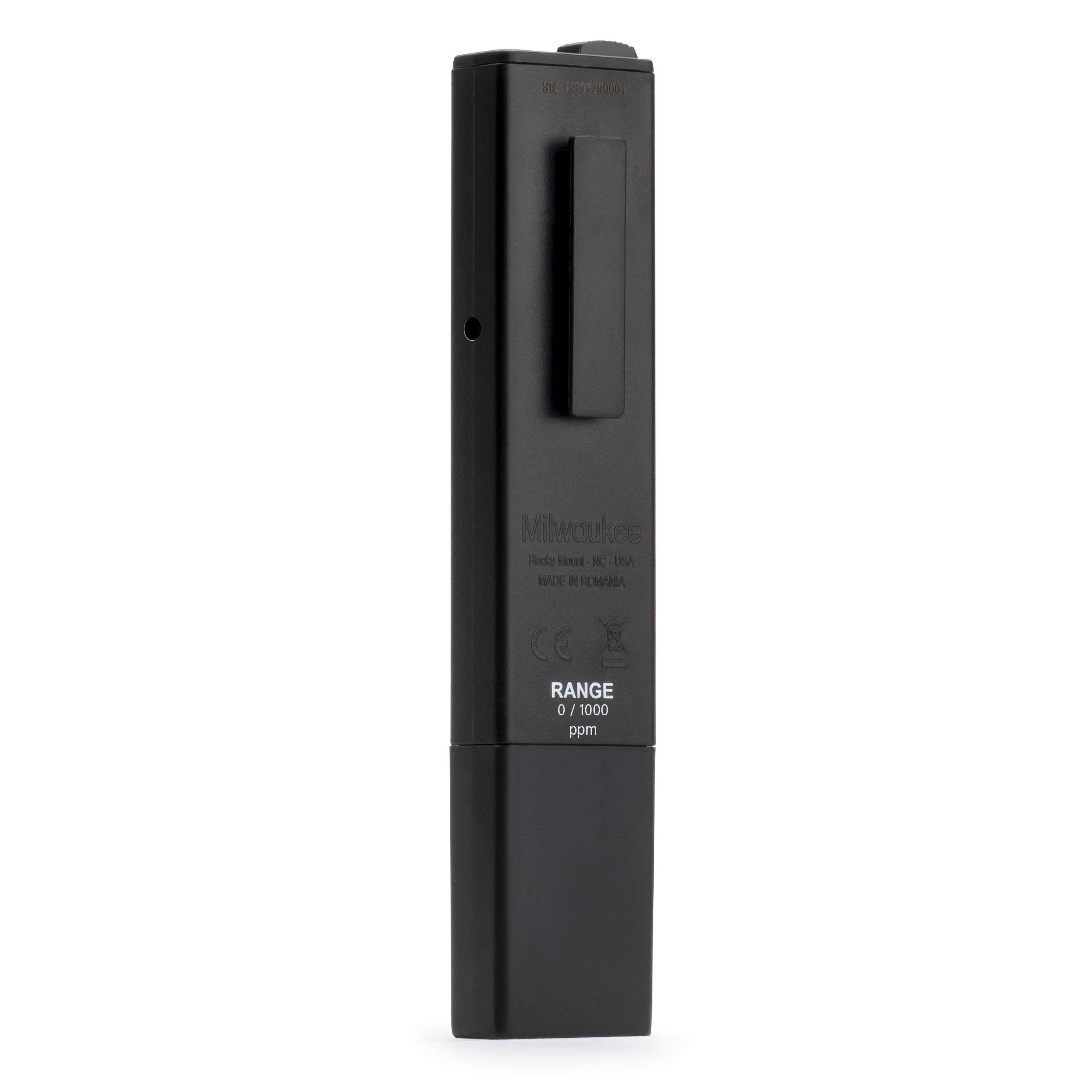
Milwaukee CD97 Digital Low Range TDS Pen –
Accurate Water
Purity Testing Made Simple
In applications where water purity truly matters, even small changes in dissolved solids can have a significant impact on performance, taste, or system efficiency. From water filtration and conditioning systems to aquariums, hydroponics, and laboratory education, knowing the total dissolved solids (TDS) level helps users quickly assess water quality and consistency.
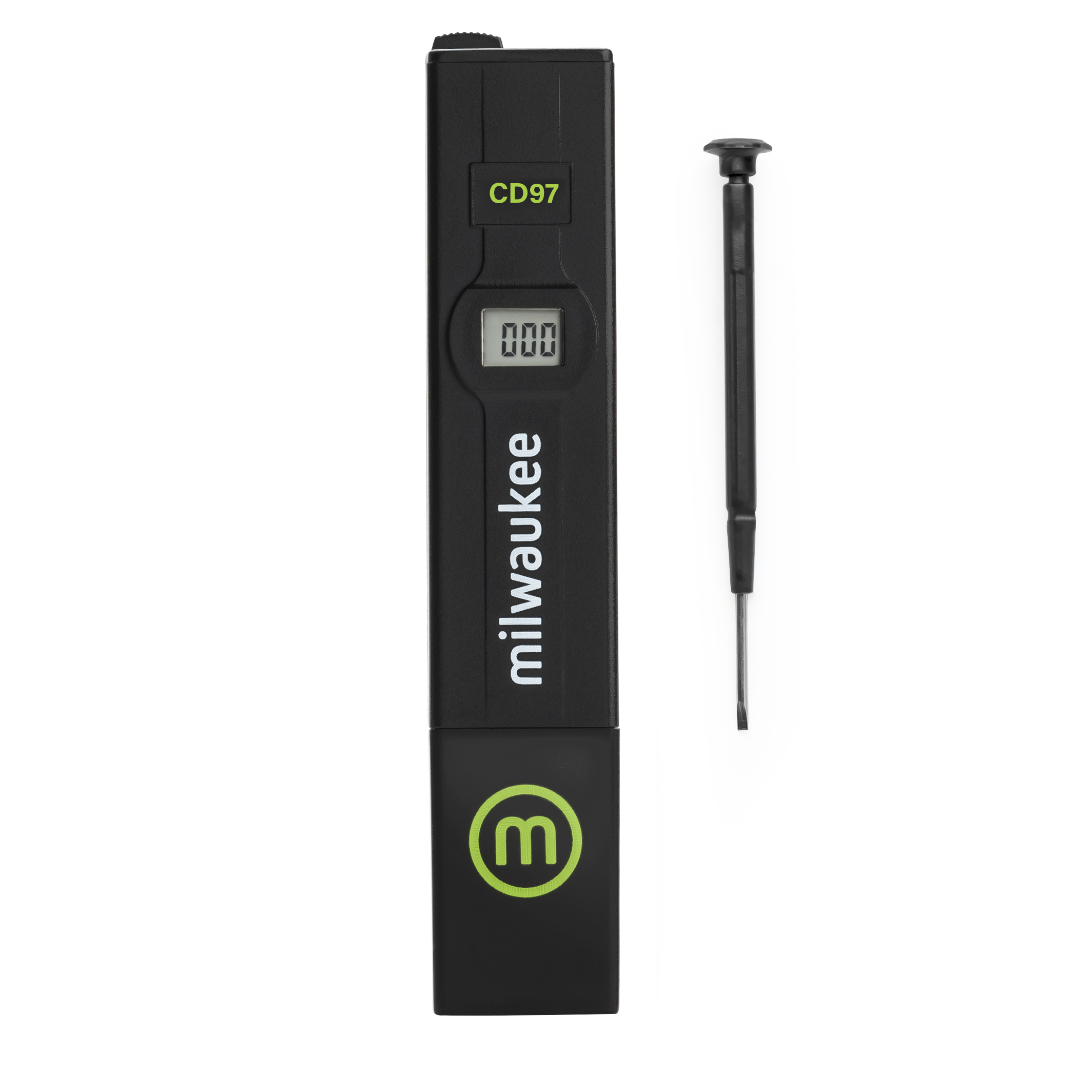
The Milwaukee CD97 Digital Low Range TDS Pen is designed for fast, reliable measurement of low TDS values, making it an ideal tool for monitoring purified, filtered, or treated water. Compact, lightweight, and easy to use, the CD97 delivers dependable readings in parts per million (ppm), helping both professionals and everyday users verify water quality with confidence.
With automatic temperature compensation and factory calibration, the CD97 removes complexity from TDS testing. Simply turn it on, place it in the sample, and get a stable reading within seconds. Its portable pen-style design makes it perfect for quick spot checks in the field, at home, or in educational environments where accuracy and simplicity go hand in hand.
Designed for Reliable Low-Range TDS Measurement
The CD97 is purpose-built for applications where low TDS accuracy is essential. Whether you’re checking the performance of a reverse osmosis system, verifying drinking water purity, or teaching water quality fundamentals in a classroom, this meter offers a balance of precision, durability, and affordability.
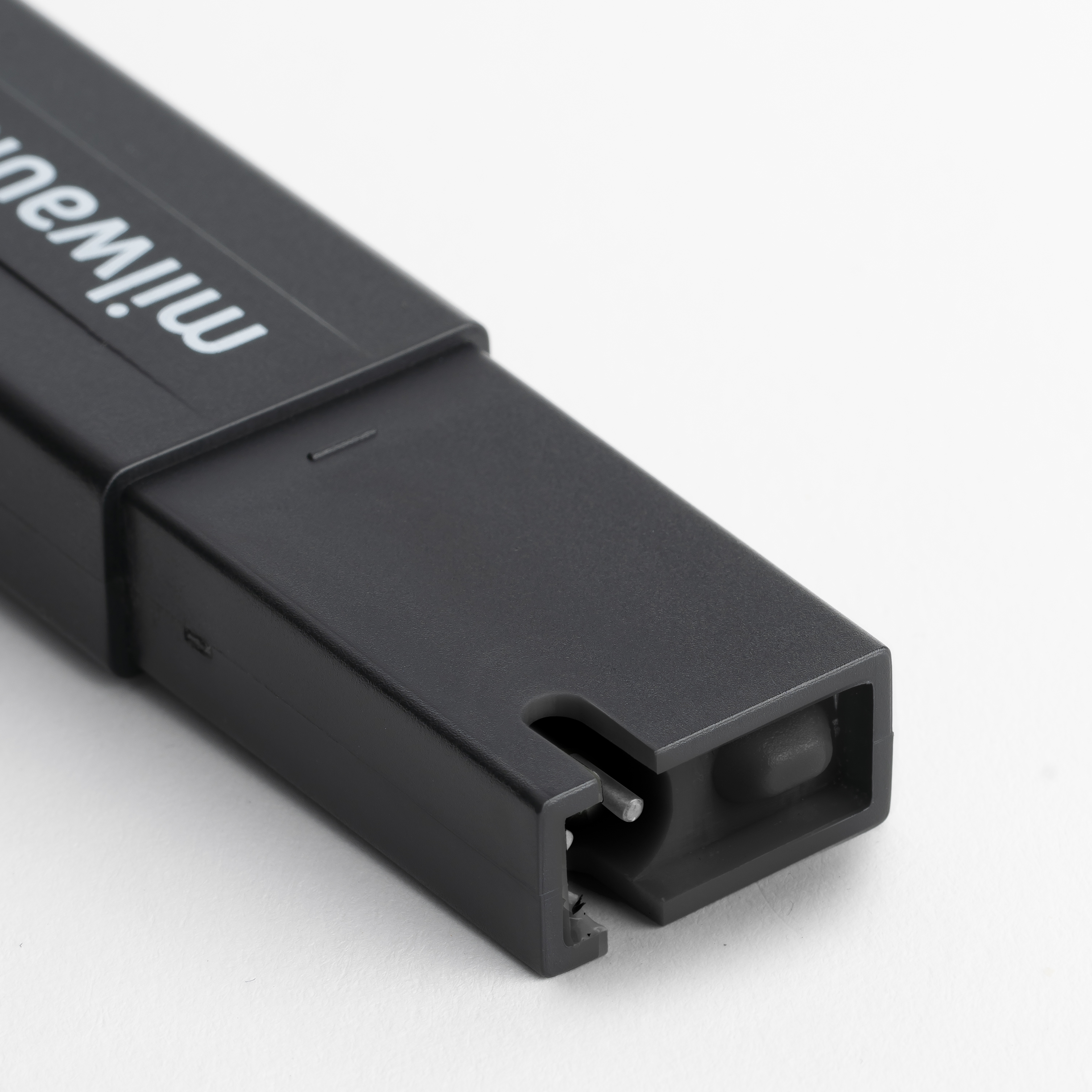
Housed in a rugged casing and powered by long-lasting batteries, the CD97 is made for regular use without complicated maintenance. Its graphite conductivity probe ensures stable performance over time, while the automatic temperature compensation (ATC) feature helps deliver consistent results across varying sample temperatures.
Why Choose the Milwaukee CD97?
• Accurate Low-Range TDS Measurement: Designed
specifically for low TDS readings, ideal for purified and treated water testing
• Clear Digital Display: Easy-to-read LCD shows TDS results instantly in
ppm
• Automatic Temperature Compensation (ATC): Ensures accurate readings
across a wide temperature range
• Simple One-Button Operation: No complex setup or calibration required
for everyday use
• Factory Calibrated: Ready to use right out of the box
• Durable Graphite Probe: Provides reliable conductivity measurements
with minimal maintenance
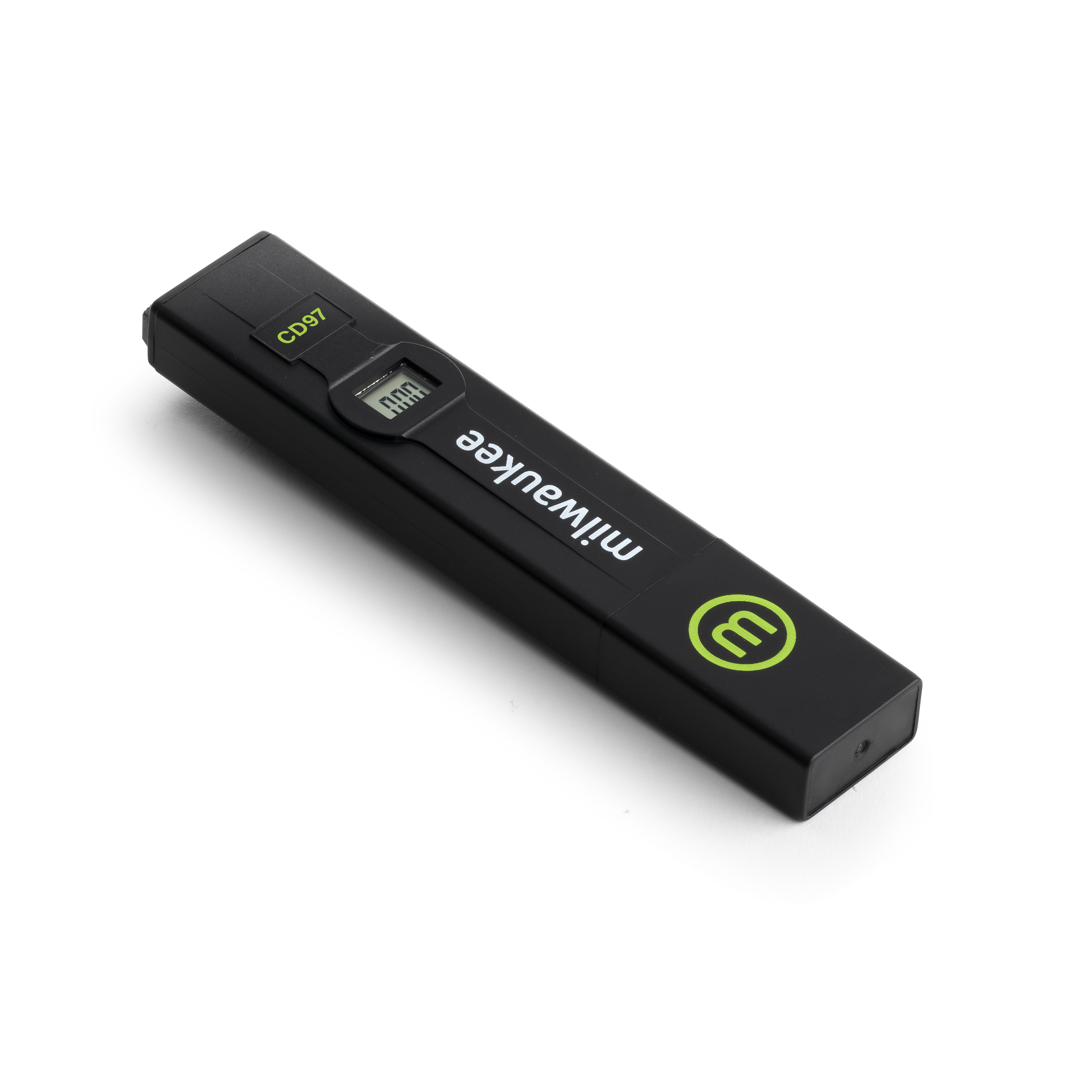
• Compact & Portable Design: Pen-style form factor fits easily in a
pocket or tool kit
• Excellent Value: Professional-level performance at an accessible price
point
Applications
The versatility of the Milwaukee CD97 makes it suitable for a wide range of water quality applications:
Water Filtration & Conditioning
Monitor the effectiveness of reverse osmosis (RO), deionization, and carbon filtration systems by checking TDS levels before and after treatment. Rising TDS values can indicate filter exhaustion or system inefficiency.
Drinking Water Quality
Quickly assess potable water quality at home or in commercial settings, compare tap water to filtered or bottled water, and verify consistency in treated water supplies.
Aquariums & Aquaculture
Maintain stable environments for fish and aquatic life by monitoring dissolved solids in freshwater and saltwater systems. TDS tracking helps support long-term aquatic health.
Hydroponics & Controlled Growing
Check baseline water purity before adding nutrients to hydroponic systems, ensuring better control over nutrient concentration and plant growth conditions.
Education & Laboratories
An excellent teaching tool for classrooms and training labs, the CD97 helps students understand conductivity, dissolved solids, and basic water quality principles through hands-on measurement.
Pool & Spa Water Monitoring
Use TDS readings as part of a broader water chemistry maintenance routine to help prevent scaling and water balance issues.
Environmental & Field Testing
Perform quick spot checks of surface water, wells, and treated water sources during field inspections or preliminary assessments.
Proper Care & Maintenance
TDS meters are generally low maintenance, but proper care will help ensure consistent performance and long service life.
Probe Care
The CD97 uses a durable graphite conductivity probe that requires minimal upkeep. After each use, rinse the probe with clean water to remove residue and prevent buildup that could affect readings.
Storage
Always store the meter clean and dry when not in use. Replace the protective cap to shield the probe from dust and contamination. Avoid prolonged exposure to extreme temperatures or direct sunlight.
Cleaning
If the probe becomes coated with mineral deposits or organic residue, gently clean it with distilled water. Avoid abrasive materials or aggressive chemicals that could damage the sensing surface.
Calibration
The CD97 is factory calibrated for ease of use. For applications requiring higher accuracy verification, periodic calibration checks with standard solutions are recommended.
Enhance your water quality testing routine with the Milwaukee CD97 Digital Low Range TDS Pen – a simple, reliable solution for accurate low-range TDS measurement wherever water purity matters.
Specifications
Range: 0 to 999 ppm
Resolution: 1 ppm
Accuracy: ±10 ppm
Calibration: Manual, at 1 point through trimmer
Temperature Compensation: Automatic from 5 to 50°C (41 to 122°F), with ß=2%/°C
Environment: 0 to 50°C / 32 to 122°F; max RH 100%
Battery Type: 4 x 1.5V Alkaline (included)
Battery Life: Approx. 300 hours of continuous use
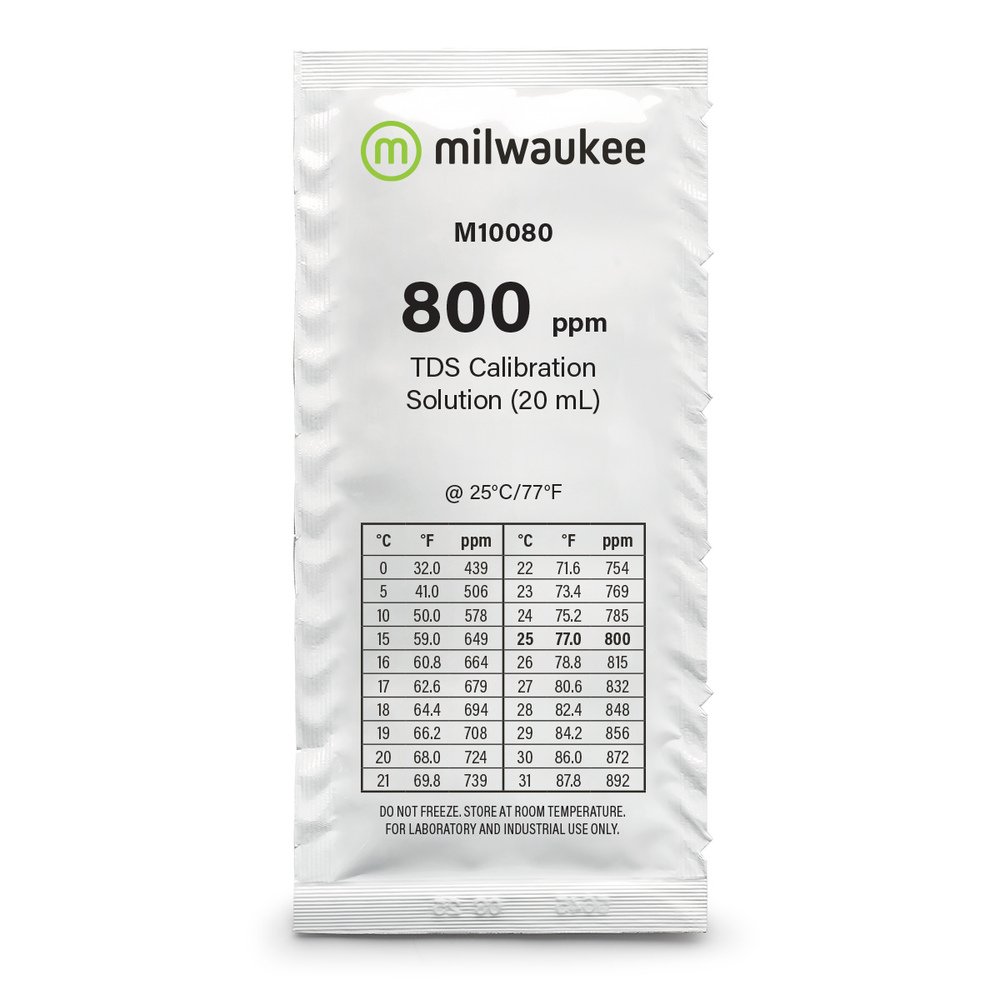
Calibration Solution: M10080B (25 sachets 20 mL ea.)
Dimensions: 6 x 1.2 x 0.95 inches (180 x 65 x 32 mm)
Weight: 3.5 ounces (0.99 g)
Application
Aquarium & Aquaculture Monitoring – Precise TDS Control for Healthy Aquatic Life
Maintaining stable water quality is one of the most critical factors in successful aquarium care and aquaculture operations. In both freshwater and saltwater systems, Total Dissolved Solids (TDS) play a vital role in influencing fish health, coral vitality, plant growth, and overall ecosystem stability.
The Milwaukee CD97 Digital Low Range TDS Pen allows aquarists and aquaculture professionals to accurately monitor dissolved solids in aquarium water, helping them detect changes caused by evaporation, overfeeding, waste buildup, or ineffective filtration. By tracking TDS levels regularly, users gain a clearer picture of water purity and mineral concentration—two key indicators of long-term aquatic health.
Freshwater Aquariums
In freshwater tanks, rising TDS levels often indicate an accumulation of minerals, organic waste, or uneaten food. Excessive TDS can stress fish, disrupt osmoregulation, and negatively affect sensitive species such as discus, shrimp, and tropical fish. The CD97 enables hobbyists to monitor freshwater aquarium TDS levels consistently, supporting better decisions on water changes, filtration maintenance, and source water selection.
Saltwater & Reef Aquariums
While salinity is a primary focus in marine systems, TDS testing remains essential, especially when preparing RO/DI water for saltwater aquariums and reef tanks. Measuring TDS before mixing salt ensures that the base water is free from unwanted contaminants that could harm corals, invertebrates, and marine fish. The CD97 is ideal for checking RO water purity, verifying filter performance, and maintaining consistent water quality in reef aquarium setups.
Aquaculture & Fish Farming
In professional aquaculture systems, water quality consistency directly impacts fish growth rates, stress levels, and disease prevention. Monitoring low-range TDS helps operators assess source water quality, evaluate filtration efficiency, and maintain stable conditions in tanks, raceways, and recirculating aquaculture systems (RAS). The CD97 offers a fast, portable solution for routine aquaculture water quality testing, both indoors and in the field.
Why TDS Monitoring Matters in Aquatic Systems
While TDS does not identify specific substances, it serves as a key water quality indicator. Sudden changes in TDS can signal:
- Filter exhaustion or failure
- Evaporation without proper top-off
- Accumulation of waste or dissolved minerals
- Inconsistent water source quality
By incorporating regular TDS checks into aquarium and aquaculture maintenance routines, users can prevent long-term water quality issues before they impact aquatic life.
How to Use the Milwaukee CD97 for Aquarium & Aquaculture Testing
Using the CD97 Digital Low Range TDS Pen is quick and straightforward, making it ideal for routine aquarium maintenance and professional water quality monitoring.
- Prepare
the Sample
Collect a water sample from the aquarium, sump, or water source in a clean container. For RO/DI testing, sample the purified water directly from the system output. - Turn
On the Meter
Press the power button to activate the CD97. The meter is factory calibrated and ready for immediate use. - Immerse
the Probe
Place the probe tip into the water sample, ensuring the sensor is fully submerged but not touching the container walls or bottom. - Wait
for a Stable Reading
Within seconds, the digital display will show the TDS value in ppm (parts per million). The automatic temperature compensation (ATC) ensures accurate readings across varying temperatures. - Record
and Compare
Track readings over time to identify trends. Consistent increases in TDS may indicate the need for water changes, filter replacement, or source water evaluation. - Rinse
After Use
Rinse the probe with clean water after testing to remove residue and maintain measurement accuracy.
Hydroponics & Nutrient Solution Management – Consistent Water Quality for Healthier Plant Growth
In hydroponic and soilless growing systems, water quality is the foundation of successful plant cultivation. Because plants receive all essential nutrients directly through the water, even small variations in dissolved solids can significantly impact nutrient uptake, root health, and overall crop performance. Monitoring Total Dissolved Solids (TDS) helps growers maintain precise control over nutrient solutions, leading to healthier plants and more consistent yields.
The Milwaukee CD97 Digital Low Range TDS Pen is an ideal tool for hydroponic water testing, allowing growers to accurately assess the purity of their base water and monitor changes in dissolved solids throughout the growing cycle. By providing fast, reliable readings in parts per million (ppm), the CD97 supports informed decisions at every stage of plant development.
Base Water Quality in Hydroponic Systems
Before nutrients are added, it is essential to verify the quality of the source water. High TDS levels in tap or well water can introduce unwanted minerals that interfere with nutrient formulations and alter pH stability. Using the CD97 to measure source water TDS helps growers determine whether additional filtration—such as reverse osmosis—is required to achieve optimal conditions for nutrient mixing.
Nutrient Solution Consistency
As nutrients are added, TDS readings increase, reflecting the concentration of dissolved fertilizers in the solution. Regular TDS monitoring helps growers maintain a balanced nutrient solution, preventing over-fertilization that can cause nutrient burn, salt buildup, or osmotic stress. At the same time, low or declining TDS levels may indicate nutrient depletion, signaling the need for adjustment or replacement of the solution.
Crop Health & Yield Optimization
Stable TDS levels support uniform nutrient delivery, which is essential for consistent plant growth across hydroponic systems such as NFT, DWC, ebb and flow, drip irrigation, and aeroponics. By tracking TDS trends over time, growers can fine-tune feeding schedules, reduce nutrient waste, and improve overall crop quality.
Professional & Hobby Grower Applications
Whether used by commercial hydroponic farms, greenhouse operators, or home growers, the CD97 provides a simple and affordable way to perform routine nutrient solution testing. Its compact design makes it ideal for spot checks in grow rooms, reservoirs, and mixing tanks, helping growers maintain control without disrupting daily operations.
Why TDS Monitoring Matters in Hydroponics
While TDS does not identify individual nutrients, it serves as a reliable indicator of total nutrient concentration and dissolved salts in the solution. Sudden changes in TDS may indicate:
- Nutrient imbalance or overdosing
- Evaporation increasing salt concentration
- Plant uptake reducing nutrient availability
- Water quality inconsistencies between refills
Regular TDS testing helps growers respond quickly, minimizing stress on plants and improving long-term system stability.
How to Use the Milwaukee CD97 for Hydroponic Testing
Using the CD97 Digital Low Range TDS Pen in hydroponic systems is fast and straightforward.
- Collect
a Water Sample
Take a sample from the nutrient reservoir, mixing tank, or source water in a clean container. For best accuracy, avoid sampling near nutrient injection points. - Power
On the Meter
Press the power button to turn on the CD97. The meter is factory calibrated and ready for immediate use. - Insert
the Probe
Immerse the probe tip into the sample, ensuring the sensor is fully submerged without touching the sides or bottom of the container. - Allow
the Reading to Stabilize
Within seconds, the display will show the TDS value in ppm (parts per million). Automatic temperature compensation (ATC) ensures reliable results even when water temperature varies. - Adjust
Nutrients as Needed
Compare the reading to your target TDS range based on crop type and growth stage. Increase or dilute nutrients accordingly to maintain optimal conditions. - Rinse
After Use
Rinse the probe with clean water after each measurement to prevent residue buildup and ensure long-term accuracy.
Educational & Laboratory Use – Practical Learning in Water Quality Measurement
Understanding water quality is a foundational concept in chemistry, environmental science, biology, and engineering education. Measuring Total Dissolved Solids (TDS) introduces students to real-world water analysis by demonstrating how dissolved ions and minerals affect water conductivity and overall purity.
The Milwaukee CD97 Digital Low Range TDS Pen is an ideal educational TDS meter for classrooms, laboratories, and technical training programs. Its affordability, durability, and simple operation make it especially suitable for repeated use by students, while still providing reliable data for meaningful experiments and demonstrations.
Teaching Water Quality Fundamentals
In school and university laboratories, the CD97 helps students explore key water quality parameters such as dissolved solids, electrical conductivity, and temperature effects on measurement accuracy. By testing different water samples—tap water, distilled water, filtered water, and environmental samples—students can visually observe how dissolved substances influence TDS readings.
Conductivity & Dissolved Solids Experiments
Because TDS measurement is based on electrical conductivity, the CD97 serves as a practical tool for conductivity experiments. Students can compare TDS values across varying concentrations of salts or minerals, reinforcing concepts related to ion mobility, solution chemistry, and concentration gradients.
Environmental & Applied Science Training
For environmental science programs, the CD97 supports introductory water quality monitoring exercises, including the evaluation of rivers, lakes, groundwater, and treated water. It allows learners to perform field-style water testing, helping bridge the gap between classroom theory and real-world environmental analysis.
Technical & Vocational Education
In technical training programs related to water treatment, HVAC, industrial maintenance, and laboratory technology, the CD97 provides hands-on experience with digital water testing instruments. Its pen-style design and fast response time make it ideal for demonstrations of routine screening and quality control procedures.
Why TDS Measurement Matters in Education
While TDS meters do not identify individual dissolved substances, they are widely used as screening tools in professional water analysis. Teaching students how to measure and interpret TDS values builds foundational skills in data interpretation, quality assessment, and scientific observation—skills that translate across many scientific and technical careers.
How to Use the Milwaukee CD97 in Educational & Laboratory Settings
The CD97 is designed for simplicity, making it suitable for student use with minimal supervision.
- Prepare
Water Samples
Collect samples such as tap water, distilled water, filtered water, or prepared test solutions in clean beakers or containers. - Power
On the Meter
Press the power button to turn on the CD97. The meter is factory calibrated and ready for immediate operation. - Insert
the Probe into the Sample
Place the probe into the water sample, ensuring the sensor is fully submerged and not touching the container walls or base. - Observe
the Reading
Within seconds, the display will show the TDS value in ppm (parts per million). Automatic temperature compensation (ATC) ensures accurate readings even when sample temperatures vary. - Record
& Compare Results
Have students record results and compare TDS values across different samples to analyze trends, differences, and potential sources of dissolved solids. - Rinse
After Each Test
Rinse the probe with clean water between samples to avoid cross-contamination and maintain consistent readings.
Drinking Water Quality Assessment & Filtration Monitoring
Clean, great-tasting drinking water depends heavily on controlling the amount of Total Dissolved Solids (TDS) present in the water supply. While many dissolved minerals are naturally occurring, excessive or fluctuating TDS levels can affect water taste, odor, appliance performance, and overall water quality consistency. For both residential and commercial systems, regular TDS monitoring is an essential part of effective water management.
The Milwaukee CD97 Digital Low Range TDS Pen provides a fast, accurate solution for drinking water quality testing, allowing users to perform quick spot checks on tap water, well water, filtered water, and treated water. Designed for low-range measurements, the CD97 is especially effective for monitoring purified and conditioned water, where small changes in TDS can indicate system performance issues.
Drinking Water Quality & Taste Evaluation
TDS levels are closely linked to the taste and perceived quality of drinking water. Very high TDS may result in a bitter or metallic taste, while extremely low TDS can affect palatability depending on regional preferences. Using the CD97, users can quickly assess whether potable water TDS levels remain within desired ranges for household consumption, offices, restaurants, and hospitality environments.
The CD97 is also useful for bottled water comparison, enabling consumers and professionals to compare mineral content across different brands and water sources with a simple, repeatable measurement.
Water Filtration & Purification System Performance
For systems such as reverse osmosis (RO), carbon filtration, sediment filtration, and deionization units, TDS monitoring is one of the most effective ways to evaluate performance. A rising TDS level in treated water often indicates that filters or membranes are becoming exhausted.
By routinely measuring TDS before and after filtration, the CD97 helps users:
- Verify filtration efficiency
- Detect declining RO membrane performance
- Identify carbon or DI filter saturation
- Confirm consistent purified water output
This makes the CD97 an essential tool for RO water quality testing and filter system monitoring.
Water Conditioning & Softener Maintenance
In water conditioning applications, TDS readings help track changes in dissolved minerals that may contribute to scaling, staining, or reduced appliance efficiency. While softeners target specific hardness ions, trending TDS values provide additional insight into overall mineral load and system consistency.
Using the CD97 to log TDS values over time supports predictive maintenance, helping users create informed service schedules for softeners and conditioning systems.
Maintenance Planning & Cost Optimization
Rather than replacing filters on fixed intervals alone, trending TDS measurements allow for data-driven maintenance planning. By identifying gradual increases in dissolved solids, users can:
- Optimize filter replacement intervals
- Reduce unnecessary cartridge changes
- Minimize water waste
- Maintain consistent water quality
This approach is especially valuable in commercial water treatment systems, office buildings, and multi-point purification installations.
Why TDS Monitoring Matters for Drinking Water
While TDS meters do not identify specific contaminants, they are widely used as screening tools to verify purification effectiveness and water consistency. Sudden changes in TDS can signal:
- Filter or membrane failure
- Source water variation
- System bypass or leakage
- Inconsistent treatment performance
Regular monitoring helps catch issues early – before they affect taste, safety perception, or system reliability.
How to Use the Milwaukee CD97 for Drinking Water & Filtration Testing
The CD97 is designed for quick, routine checks without technical complexity.
- Collect
a Water Sample
Take a sample from the tap, well, filtered outlet, or RO system output in a clean container. For system evaluation, test both before and after filtration. - Turn
On the Meter
Press the power button to activate the CD97. The meter is factory calibrated and ready for immediate use. - Immerse
the Probe
Place the probe tip into the water sample, ensuring the sensor is fully submerged and not touching container surfaces. - Wait
for a Stable Reading
Within seconds, the digital display will show the TDS value in ppm (parts per million). Automatic temperature compensation (ATC) ensures consistent results across varying water temperatures. - Record
& Trend Results
Log readings over time to monitor changes. Rising TDS in treated water may indicate the need for filter replacement or system maintenance. - Rinse
After Use
Rinse the probe with clean water after testing to prevent residue buildup and maintain long-term accuracy.
Pool & Spa Water Monitoring – TDS Control for Balanced, Clear, and Comfortable Water
Maintaining proper water balance is essential for swimming pools, spas, and hot tubs, where dissolved solids gradually accumulate through chemical treatments, evaporation, and bather load. Total Dissolved Solids (TDS) serve as a key indicator of overall water condition, helping pool owners and professionals identify when water quality may begin to degrade – even if other parameters appear normal.
The Milwaukee CD97 Digital Low Range TDS Pen provides a fast and reliable way to perform pool and spa water TDS testing, supporting informed maintenance decisions and long-term system efficiency. By tracking TDS levels as part of routine water chemistry checks, users can help prevent scaling, cloudiness, and chemical imbalance.
Understanding TDS in Pools & Spas
In pool and spa environments, TDS includes dissolved salts, minerals, stabilizers, and residual treatment chemicals. Over time, rising TDS levels can reduce the effectiveness of sanitizers, contribute to calcium scaling, increase corrosion risk, and negatively affect water clarity and comfort.
Regular TDS monitoring in pool water helps identify when dilution or partial water replacement is necessary, allowing users to maintain stable conditions without overcorrecting chemical treatments.
Supporting Balanced Water Chemistry
While TDS testing does not replace core measurements such as pH, chlorine, alkalinity, or calcium hardness, it complements them by providing a broader picture of total dissolved content. When TDS levels become excessive, it becomes increasingly difficult to balance water chemistry – even with correct pH and sanitizer readings.
Using the CD97 alongside standard pool test kits allows pool operators to:
- Monitor dissolved solid buildup over time
- Detect excessive chemical accumulation
- Reduce scaling and surface deposits
- Improve sanitizer efficiency
- Maintain consistent water feel and clarity
Residential & Commercial Pool Applications
The CD97 is suitable for home swimming pools, spas, hot tubs, and commercial pool facilities, offering a portable solution for routine checks. Its compact pen-style design allows quick spot measurements during regular maintenance rounds, equipment inspections, or troubleshooting sessions.
Why TDS Monitoring Matters in Pool Maintenance
High TDS levels can be an early warning sign of water quality deterioration. Tracking TDS trends helps prevent:
- Scale formation on heaters and plumbing
- Cloudy or dull water appearance
- Increased chemical consumption
- Reduced bather comfort
Incorporating TDS measurement into routine pool water quality testing helps extend equipment life and improve overall water management efficiency.
How to Use the Milwaukee CD97 for Pool & Spa Testing
The CD97 is designed for simple, repeatable water testing in pool and spa environments.
- Collect
a Water Sample
Take a sample from the pool or spa at elbow depth, away from skimmers and return jets, using a clean container. - Turn
On the Meter
Press the power button to activate the CD97. The meter is factory calibrated and ready for immediate use. - Insert
the Probe
Immerse the probe tip into the water sample, ensuring the sensor is fully submerged and not touching the container walls or bottom. - Allow
the Reading to Stabilize
Within seconds, the display will show the TDS value in ppm (parts per million). Automatic temperature compensation (ATC) ensures accurate readings even in warm spa water. - Evaluate
the Results
Compare readings over time rather than relying on a single value. Gradual increases in TDS may indicate the need for partial water replacement or dilution. - Rinse
After Use
Rinse the probe with clean water after testing to remove chemical residue and maintain accurate performance.
Environmental Water Quality Spot Checks – Rapid TDS Screening in Natural Water Bodies
Monitoring water quality in natural environments is essential for protecting ecosystems, managing resources, and identifying early signs of pollution. Total Dissolved Solids (TDS) measurement provides a fast and practical way to assess the overall level of dissolved substances in surface and groundwater, serving as a valuable screening parameter in environmental water quality monitoring.
The Milwaukee CD97 Digital Low Range TDS Pen offers environmental professionals, researchers, and educators a portable solution for performing on-site TDS testing in rivers, streams, lakes, ponds, wetlands, and runoff. Its compact design and quick response time make it ideal for preliminary assessments and routine field inspections where immediate insight is required.
TDS as an Indicator of Environmental Change
In natural water systems, TDS reflects the presence of dissolved minerals, salts, and other inorganic substances originating from soil composition, geological formations, urban runoff, agricultural activity, or industrial discharge. Sudden or unusual changes in TDS levels can signal environmental stress, contamination events, or shifts in watershed conditions.
By using the CD97 for environmental TDS measurement, field teams can quickly identify areas that may require further investigation or laboratory analysis.
Surface Water Monitoring Applications
For rivers, streams, and lakes, TDS spot checks help track baseline water quality and detect variations caused by seasonal changes, rainfall, or upstream activities. Regular measurements support:
- Comparative studies across sampling locations
- Early detection of runoff-related contamination
- Evaluation of land-use impact on water quality
The CD97 enables rapid sampling across multiple sites, making it a practical tool for surveys and monitoring programs.
Groundwater & Runoff Assessment
In groundwater monitoring and runoff evaluation, TDS readings help assess the movement of dissolved substances from surrounding land into water systems. Elevated TDS levels may indicate agricultural runoff, road de-icing salts, or industrial influence, supporting environmental impact assessments and compliance checks.
Fieldwork & Environmental Research Support
Environmental scientists, consultants, and students benefit from the CD97’s ease of use during field sampling campaigns. Its portability allows for quick data collection without bulky equipment, supporting:
- Environmental baseline studies
- Watershed monitoring programs
- Educational field exercises
- Preliminary site assessments
Why TDS Monitoring Matters in Environmental Studies
Although TDS measurement does not identify specific pollutants, it is widely used as a screening parameter in environmental science. Consistent or sudden changes in TDS often prompt further chemical or biological analysis, making TDS meters an essential part of environmental water testing toolkits.
How to Use the Milwaukee CD97 for Environmental Water Testing
The CD97 is designed for fast, reliable testing in field conditions.
- Collect
the Sample
Collect water from rivers, streams, lakes, or runoff in a clean container. When possible, sample mid-stream or away from sediment disturbance to ensure representative results. - Power
On the Meter
Press the power button to turn on the CD97. The meter is factory calibrated and ready for immediate use. - Insert
the Probe
Immerse the probe tip into the water sample, ensuring the sensor is fully submerged and not in contact with sediment or container surfaces. - Wait
for a Stable Reading
Within seconds, the display will show the TDS value in ppm (parts per million). Automatic temperature compensation (ATC) ensures accurate results across varying environmental temperatures. - Record
& Compare Data
Log readings along with location, time, and environmental conditions. Comparing data over time helps identify trends or anomalies in water quality. - Rinse
After Use
Rinse the probe with clean water after each measurement to prevent cross-contamination between sampling sites.
Brewing & Beverage Basic Screening – Consistent Water Quality for Better Flavor Control
Water is the primary ingredient in beer, coffee, tea, and many specialty beverages, making water quality control a critical factor in flavor consistency and production repeatability. One of the simplest and most effective ways to screen brewing water is by measuring Total Dissolved Solids (TDS), which reflects the overall concentration of dissolved minerals and salts in the water.
The Milwaukee CD97 Digital Low Range TDS Pen provides brewers and beverage producers with a fast, reliable method for performing brewing water TDS testing before fermentation or extraction. Designed for low-range measurements, the CD97 is particularly well suited for monitoring filtered, treated, or RO water, where even small variations in dissolved solids can influence taste and process outcomes.
Brewing Water Consistency
In homebrewing and craft beer production, consistent water composition is essential for achieving repeatable results. Changes in TDS levels can indicate variations in mineral content that may affect mash efficiency, yeast performance, and flavor profile. By using the CD97 to measure brew water TDS, brewers can quickly verify that their water source remains stable from batch to batch.
RO & Filtered Water Verification
Many brewers rely on reverse osmosis (RO) or carbon filtration systems to create a neutral base water before adding minerals tailored to specific beer styles. The CD97 allows users to confirm RO water purity and filter performance, ensuring that unwanted dissolved solids do not interfere with recipe formulation.
Specialty Beverages & Extraction Processes
Beyond beer, TDS monitoring supports quality control in coffee brewing, tea preparation, kombucha production, and other specialty beverages. TDS levels influence extraction efficiency, mouthfeel, and flavor balance, making the CD97 a valuable screening tool for beverage professionals and enthusiasts alike.
Quality Control Without Complexity
While TDS measurement does not replace detailed mineral analysis, it serves as a practical first-line quality check. Sudden changes in TDS can alert users to:
- Source water variation
- Filter or RO membrane degradation
- Inconsistent water treatment performance
By identifying these issues early, brewers can prevent off-flavors and maintain product consistency.
How to Use the Milwaukee CD97 for Brewing & Beverage Water Testing
The CD97 is designed for quick and repeatable water checks during brewing and beverage preparation.
- Collect
a Water Sample
Take a sample from the brewing water source, filtered outlet, or RO system output in a clean container. Allow hot water to cool before testing. - Turn
On the Meter
Press the power button to activate the CD97. The meter is factory calibrated and ready for immediate use. - Insert
the Probe
Immerse the probe tip into the water sample, ensuring the sensor is fully submerged and not touching the container walls or bottom. - Allow
the Reading to Stabilize
Within seconds, the display will show the TDS value in ppm (parts per million). Automatic temperature compensation (ATC) ensures accurate results across a range of water temperatures. - Evaluate
Water Consistency
Compare readings with previous batches or target values. Significant deviations may indicate changes in source water or filtration performance. - Rinse
After Use
Rinse the probe with clean water after each test to prevent residue buildup and maintain measurement accuracy.
Industrial & Process Water Testing (Preliminary Checks) – Fast TDS Screening for Operational Reliability
In industrial environments, water quality directly affects equipment efficiency, process stability, and maintenance costs. Dissolved solids in process water can contribute to scaling, corrosion, fouling, and reduced heat transfer efficiency—particularly in cooling systems, boilers, chillers, and manufacturing processes.
The Milwaukee CD97 Digital Low Range TDS Pen provides a fast and portable solution for industrial water quality screening, allowing technicians and operators to perform quick field checks of incoming, treated, or recirculating water. Designed for low-range TDS measurement, the CD97 is especially useful where purified, softened, or filtered water is required to meet process specifications.
Cooling Systems & Heat Exchange Equipment
In cooling towers, closed-loop systems, and heat exchangers, increasing TDS levels often indicate water concentration, evaporation losses, or inadequate blowdown control. Monitoring TDS helps operators detect early signs of scale-forming conditions that can reduce thermal efficiency and increase energy consumption.
Using the CD97 for cooling system TDS testing supports:
- Early identification of dissolved solids buildup
- Improved control of blowdown cycles
- Reduced scaling and fouling risk
- Extended equipment service life
Boiler Feed Water & Steam Systems
For boilers and steam generation systems, water purity is critical. Even moderate increases in dissolved solids can lead to scale formation, carryover, and corrosion, impacting safety and performance. While laboratory testing is required for full compliance, the CD97 allows for routine boiler feed water screening to verify treatment effectiveness and detect unexpected changes.
Manufacturing & Process Water Verification
Many manufacturing processes – including electronics, food processing, pharmaceuticals, surface treatment, and precision cleaning – depend on consistent water quality. The CD97 enables quick verification of process water TDS levels before use, helping ensure that dissolved solids remain within acceptable limits for production requirements.
Water Treatment & Pretreatment Monitoring
In industrial water treatment systems, the CD97 is useful for checking pre- and post-treatment water, confirming the performance of filtration, softening, or RO systems. Rising TDS values may indicate filter exhaustion, membrane degradation, or changes in source water quality.
Routine Screening, Not Laboratory Replacement
While the CD97 does not replace laboratory analysis or regulatory testing, it serves as an effective first-line screening tool. Regular TDS spot checks help identify deviations early, allowing operators to take corrective action before costly downtime or equipment damage occurs.
How to Use the Milwaukee CD97 for Industrial Water Testing
The CD97 is designed for quick, repeatable measurements in industrial and field environments.
- Collect
a Representative Sample
Take a water sample from the system inlet, outlet, or sampling port using a clean container. Avoid areas with heavy turbulence or sediment. - Turn
On the Meter
Press the power button to activate the CD97. The meter is factory calibrated and ready for immediate use. - Immerse
the Probe
Place the probe tip into the water sample, ensuring the sensor is fully submerged and not touching container surfaces. - Wait
for Reading Stabilization
Within seconds, the display will show the TDS value in ppm (parts per million). Automatic temperature compensation (ATC) ensures reliable readings across varying process temperatures. - Compare
& Trend Results
Compare readings against baseline values or treatment targets. Sudden increases may indicate treatment inefficiency or source water variation. - Rinse
After Use
Rinse the probe with clean water after testing to remove residues and maintain consistent measurement performance.