

Your shopping cart is currently empty.

€98.75
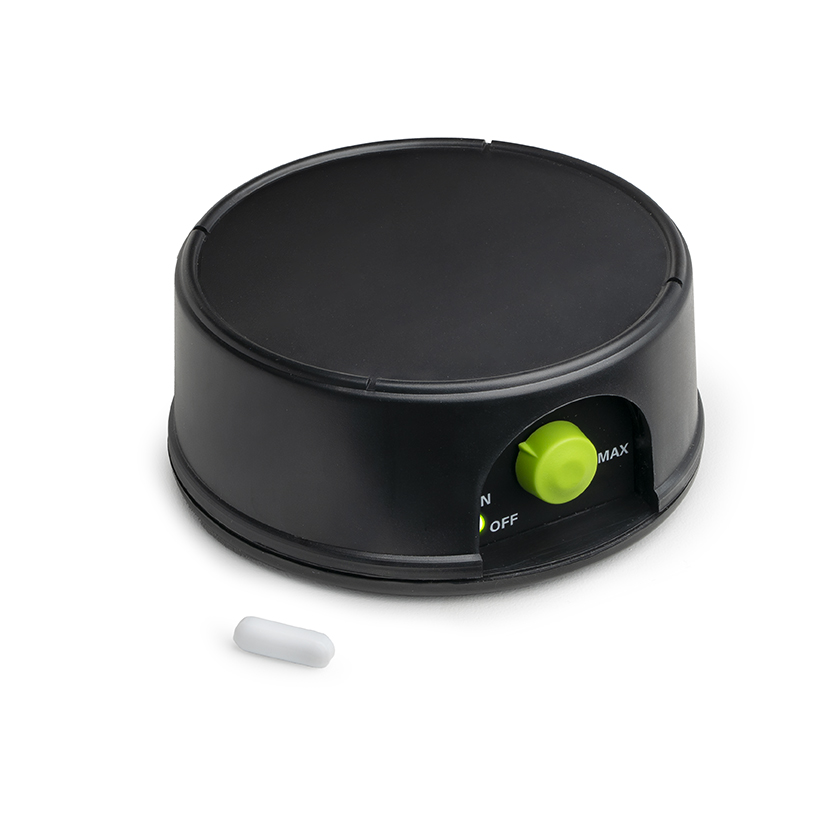
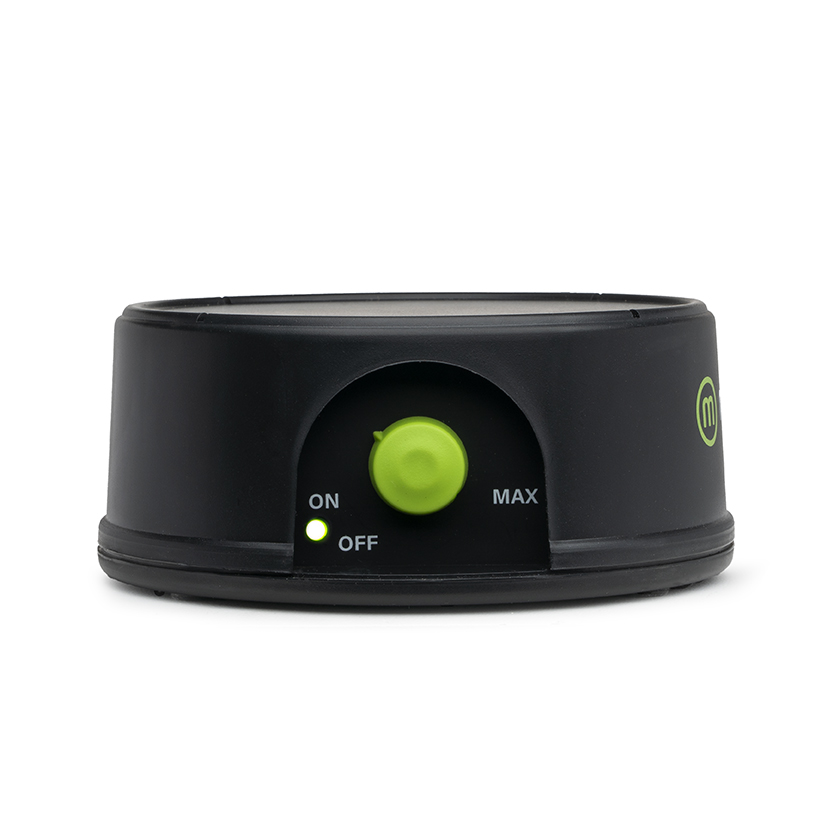
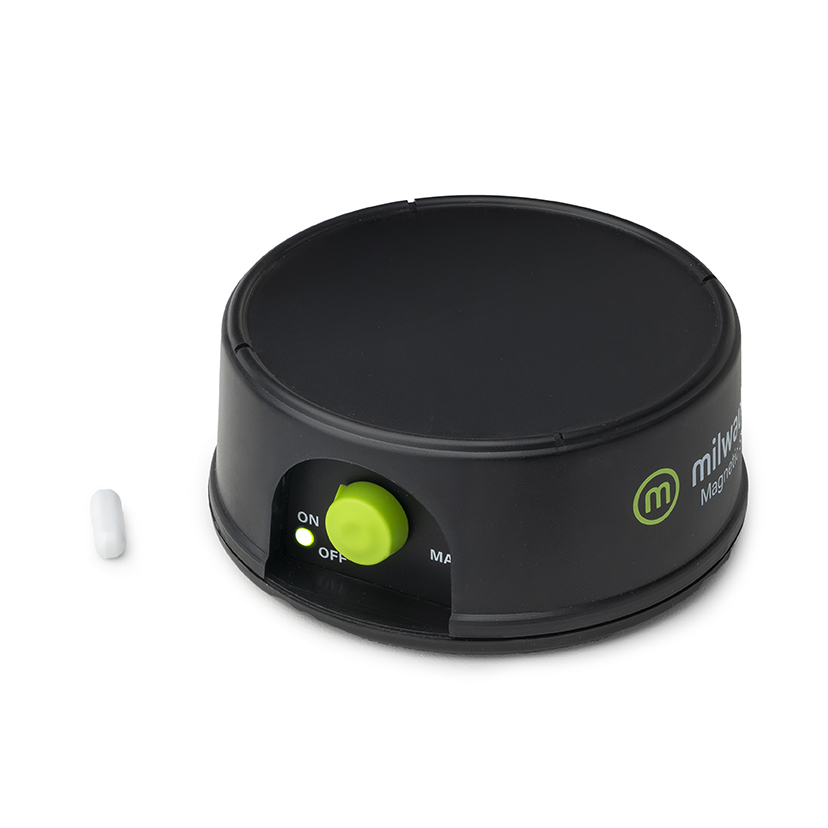
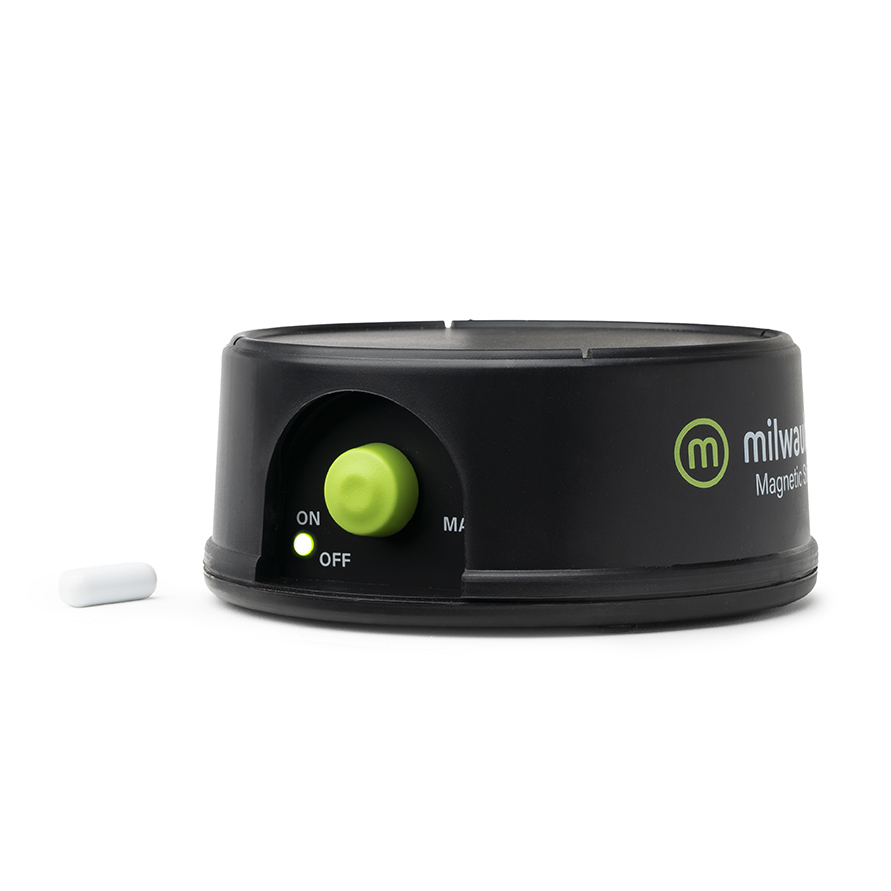
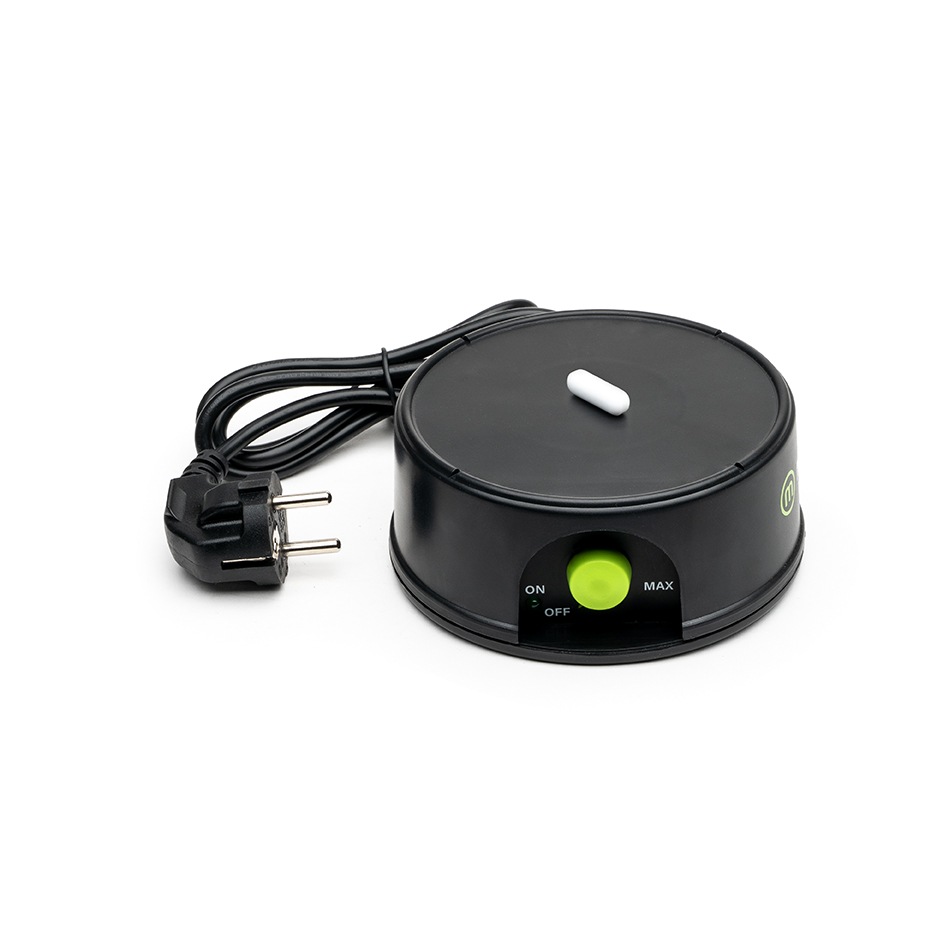
Milwaukee MI0041 PRO Magnetic Stirrer
Stirring capacity:
Maximum 1 Liter
Speed range:
Minimum 100 rpm/
Maximum 1000 rpm
Milwaukee MI0041 Magnetic Stirrer (220/240V) – Compact, Reliable Mixing for Everyday Lab Work
When you’re preparing buffers, dissolving powders, mixing reagents, or keeping solutions homogeneous during testing, consistent stirring is the difference between repeatable results and wasted time. The Milwaukee MI0041 Magnetic Stirrer is built for practical, daily mixing tasks in labs, classrooms, and quality-control environments – where you want simple operation, steady performance, and a small footprint.
Designed as an easy-to-handle, lightweight magnetic stirrer, the MI0041 uses electronic control with manual speed regulation, letting you dial in the right vortex for your sample without complicated menus. Its chemically resistant housing and round-edge design make it a durable, bench-friendly tool for routine work, while a maximum 1-liter stirring capacity covers most everyday beakers and containers.
Why Choose the Milwaukee MI0041?
-
Simple manual speed control
Adjustable stirring speed from 100 to 1000 rpm allows users to match mixing intensity to the application. -
Compact, space-saving design
Small footprint with rounded edges fits easily on crowded lab benches. -
Reliable stirring performance
Designed for consistent, stable mixing of liquid solutions up to 1 liter. -
Chemically resistant housing
Durable ABS body withstands routine exposure to laboratory chemicals. -
Ready to use out of the box
Supplied with a magnetic stir bar, so you can start mixing immediately. -
220/240V operation
Suitable for most European and international laboratory environments.
Applications
Most common, high-utility uses for the MI0041 include:
Laboratory & Quality Control
- Mixing reagents, standards, and control solutions
- Sample preparation for routine testing (water, chemical solutions, general QC)
Education & Training
- Classroom demonstrations of mixing, dissolution, and solution prep workflows
- Student lab benches needing simple, robust equipment
Water & Environmental Testing Workflows
- Pre-mixing samples and reagents before measurement or analysis
- Maintaining uniform solutions during prep steps (especially when consistency matters)
Light Industrial / Process Support (Bench Use)
- Mixing small batches of process chemicals, dyes, or additives in a controlled bench setting
- Routine solution prep where repeatability is key
Proper Care & Maintenance
Before and during use
- Place the magnetic stir bar in the container before switching the stirrer on.
- Keep the container centered on the stirring surface for stable rotation.
- Increase speed gradually to avoid splashing or loss of the stir bar.
After use
- Turn the speed control knob to OFF.
- Disconnect the unit from the power supply when not in use.
- Clean the surface with a soft cloth if spills occur.
General care
- Do not overload the stirrer beyond its recommended volume.
- Avoid immersing the unit in liquids.
- Store in a clean, dry environment when not in use.
With its straightforward operation, compact design, and dependable stirring performance, the Milwaukee MI0041 Magnetic Stirrer is a practical choice for laboratories, educational facilities, and quality-control environments that need reliable mixing without complexity.
Specifications
Stirring capacity: Maximum 1 Liter (0.26 gallons)Speed range:
Minimum 100 rpm
Maximum 1000 rpm
Power supply: 220/240 Vac, 50/60 Hz
Installation category: II
Cover material: ABS plastic
Environment 0 to 50 °C (32 to 122 °F) RH max 95 %
Dimensions 137×51 mm (5.39×2") (diameter × height)
Weight 640 g (1.4 lbs.)
Power supply: 220/240 Vac, 50/60 Hz
Installation category: II
Cover material: ABS plastic
Environment 0 to 50 °C (32 to 122 °F) RH max 95 %
Dimensions 137×51 mm (5.39×2") (diameter × height)
Weight 640 g (1.4 lbs.)
Application
Laboratory & Quality Control
Nutrient and Fertilizer Solution Mixing (Small Batches)
Sample Preparation for Water Testing Workflows
Titration and Colorimetric Testing Support
Educational and Training Laboratories
Laboratory & Quality Control
Mixing Reagents, Standards, and Control Solutions
In laboratory and quality control environments, accurate and repeatable mixing is essential for reliable analytical results. A magnetic stirrer provides consistent, hands-free agitation that ensures reagents, calibration standards, and control solutions are completely dissolved and uniformly mixed before use in analytical procedures.
Magnetic stirring works by generating a rotating magnetic field that spins a stir bar placed inside the liquid, creating a vortex that pulls liquid from the surface down through the mixture for homogeneous solution preparation.
This method is widely used in chemical laboratories, environmental testing labs, research facilities, and industrial QC departments where uniform mixing is required to maintain measurement accuracy.
Typical laboratory workflows include:
- Preparation of analytical reagents used for titrations, photometric analysis, and chemical assays
- Dissolving powdered chemicals or salts into distilled or deionized water to create working solutions
- Preparation of calibration standards for instruments such as photometers, spectrophotometers, and pH meters
- Homogenizing control solutions used in routine laboratory quality control procedures
- Buffer preparation for biochemical or chemical experiments
Because the stir bar rotates inside the closed container without mechanical contact with the outside environment, magnetic stirring allows clean, contamination-free mixing, which is especially important for sensitive analytical applications.
In regulated laboratories following GLP (Good Laboratory Practice) or ISO quality control procedures, consistent mixing ensures that prepared reagents and standards have stable concentrations and reproducible analytical performance.
Sample Preparation for Routine Testing
(Water testing, chemical solutions, and general QC analysis)
Magnetic stirrers are commonly used during sample preparation steps prior to laboratory analysis, where proper mixing is critical for obtaining representative and accurate test results.
In water testing laboratories, environmental monitoring labs, and industrial QC facilities, samples often require mixing with reagents, solvents, or conditioning chemicals before measurement. A magnetic stirrer ensures that the reaction mixture remains uniform during preparation and analysis.
Common applications include:
Water Quality Testing
During drinking water analysis, wastewater monitoring, and environmental water testing, a magnetic stirrer is used to:
- Mix water samples with chemical reagents used in analytical methods
- Dissolve reagents for chlorine, alkalinity, hardness, or nutrient analysis
- Maintain uniform mixing during titration procedures or colorimetric tests
- Prepare samples before measurement using photometers, spectrophotometers, or pH meters
Uniform agitation ensures the reaction between sample and reagent occurs evenly, improving accuracy and repeatability in water quality measurements.
Chemical Solution Preparation
Many laboratory analyses require preparing test solutions or dilutions from concentrated chemicals. Magnetic stirring is ideal for:
- Preparing standard chemical solutions for laboratory testing
- Mixing acid or base solutions used in titration experiments
- Dissolving analytical-grade chemicals or powders
- Preparing solvent mixtures for chemical analysis
The constant vortex created by the stir bar accelerates dissolution and prevents settling of solids, allowing technicians to prepare solutions faster and with greater precision.
General Quality Control (QC) Testing
In manufacturing and industrial laboratories, QC technicians frequently need to mix samples before performing analytical measurements.
Typical QC workflows include:
- Mixing production samples with testing reagents
- Preparing process control samples for verification testing
- Conditioning samples before instrumental analysis
- Homogenizing solutions before spectrophotometric or photometric measurements
Magnetic stirrers provide repeatable mixing conditions, which helps laboratories maintain consistent procedures and meet internal quality assurance requirements.
How to Use a Magnetic Stirrer
Using a laboratory magnetic stirrer is simple and requires only a few steps:
- Place the magnetic stir bar inside the beaker, flask, or container containing the liquid sample.
- Position the container in the center of the magnetic stirrer plate.
- Switch on the stirrer and slowly increase the stirring speed.
- Adjust the speed control until a stable vortex forms in the liquid without splashing.
- Allow the solution to stir until all reagents are dissolved and the mixture is completely homogeneous.
- Once mixing is complete, reduce the speed and switch off the stirrer before removing the container.
Magnetic stirrers are designed for continuous and controlled mixing of low-viscosity liquids, making them ideal for routine laboratory mixing, reagent preparation, and sample conditioning before analysis.
Nutrient and Fertilizer Solution Mixing (Small Batches)
Mixing Nutrient Concentrates into Water and Maintaining Uniform Solutions
In hydroponics, plant research, greenhouse cultivation, and agricultural laboratories, accurate nutrient solution preparation is essential for healthy plant growth and consistent experimental results. A magnetic stirrer for nutrient solution mixing provides controlled and repeatable agitation that helps dissolve fertilizers and maintain homogeneous nutrient solutions during preparation.
When preparing fertilizer concentrates or nutrient solutions, powdered or liquid fertilizers must be thoroughly dissolved in water so that essential plant nutrients are evenly distributed. These nutrients may include nitrogen (N), phosphorus (P), potassium (K), calcium, magnesium, and trace elements that support plant development.
Using a magnetic stirrer for fertilizer mixing ensures that these nutrients dissolve completely and remain evenly suspended in the solution. The rotating magnetic stir bar creates a continuous circular flow that pulls liquid from the surface down into the mixture, promoting fast dissolution and uniform nutrient distribution.
This type of mixing is particularly useful when preparing small batches of nutrient solution (up to approximately 1 liter) for applications such as:
- Hydroponic nutrient solution preparation
- Plant nutrient stock solutions for research laboratories
- Greenhouse fertigation testing
- Agricultural nutrient experiments
- Small-scale fertilizer dilution and mixing
- Preparation of nutrient concentrates for plant growth trials
Consistent mixing helps prevent nutrient stratification or settling, which can occur when concentrated fertilizers are added to water without adequate agitation. Uneven nutrient distribution may lead to incorrect nutrient dosing, inconsistent plant feeding, or unreliable experimental results.
A laboratory magnetic stirrer for hydroponic nutrient preparation allows growers, researchers, and technicians to prepare nutrient solutions quickly while maintaining precise control over mixing speed. This ensures that fertilizers dissolve evenly and that the final nutrient solution has stable concentration and uniform composition.
Magnetic stirring also provides clean, contamination-free mixing, making it ideal for plant science laboratories, hydroponic systems, greenhouse research, and agricultural testing environments where reproducibility and consistency are important.
How to Use a Magnetic Stirrer for Nutrient Solution Preparation
Using a magnetic stirrer to prepare fertilizer or hydroponic nutrient solutions helps ensure complete dissolution and uniform nutrient distribution.
Step 1 – Prepare the Mixing Container
Fill a beaker, flask, or mixing container with the required amount of clean water. For best results, use distilled, deionized, or filtered water when preparing nutrient solutions.
Step 2 – Add the Magnetic Stir Bar
Place a magnetic stir bar into the container before adding fertilizer or nutrient concentrates.
Step 3 – Start the Magnetic Stirrer
Place the container on the magnetic stirrer plate and switch on the unit. Slowly increase the stirring speed until a gentle vortex forms.
Step 4 – Add Fertilizer or Nutrient Concentrates
Gradually add powdered fertilizer, liquid nutrient concentrate, or mineral salts into the water while the solution is stirring. Continuous mixing helps dissolve the nutrients quickly and prevents clumping.
Step 5 – Allow Complete Dissolution
Let the solution stir until all fertilizers are fully dissolved and the liquid becomes clear and homogeneous. This ensures nutrients are evenly distributed throughout the solution.
Step 6 – Adjust Mixing if Needed
If preparing multiple additives or nutrient components, adjust the stirring speed to maintain steady mixing while avoiding splashing.
Step 7 – Stop Stirring and Use the Solution
Once the nutrient solution is fully mixed, reduce the speed and switch off the stirrer. The prepared solution can then be used for hydroponic systems, plant feeding, fertigation experiments, or nutrient testing.
Using a magnetic stirrer for nutrient preparation helps ensure accurate fertilizer dilution, uniform nutrient distribution, and consistent plant nutrient solutions, which supports reliable results in hydroponics, greenhouse cultivation, and agricultural research.
Sample Preparation for Water Testing Workflows
Pre-Mixing Samples and Reagents Before Measurement
In water quality testing laboratories, proper sample preparation is one of the most important steps for obtaining accurate, reliable, and repeatable analytical results. Before performing measurements with instruments such as photometers, spectrophotometers, colorimeters, or pH meters, samples often need to be thoroughly mixed with chemical reagents to initiate the analytical reaction.
A magnetic stirrer for water testing laboratories provides controlled, consistent mixing that helps ensure reagents are evenly distributed throughout the sample. This uniform mixing improves reaction consistency, measurement repeatability, and analytical accuracy.
In many water analysis methods, reagents must fully dissolve and react with the sample before a reading is taken. Without proper mixing, reagents may remain partially dissolved or unevenly distributed, which can lead to inconsistent results, measurement drift, or inaccurate readings.
Magnetic stirring creates a uniform rotational flow inside the sample, allowing the stir bar to continuously circulate the liquid. This movement ensures that:
- Reagents dissolve completely in the water sample
- The reaction mixture becomes fully homogeneous
- All parts of the sample experience the same chemical conditions
- Analytical reactions proceed consistently before measurement
Because the mixing occurs through a magnetically driven stir bar, there is no direct mechanical contact with the liquid, which helps reduce contamination and maintain clean laboratory conditions.
Typical Water Testing Applications
A magnetic stirrer is commonly used during water testing sample preparation in applications such as:
Drinking Water Testing
- Mixing reagents used for chlorine testing, alkalinity testing, hardness testing, and nutrient analysis
- Preparing samples for photometric or colorimetric water analysis
- Ensuring proper reagent dissolution before measurement
Wastewater and Environmental Water Monitoring
- Mixing reagents with wastewater samples prior to chemical analysis
- Homogenizing environmental water samples before testing
- Improving repeatability in environmental water quality testing workflows
Laboratory Photometer Analysis
- Pre-mixing samples before analysis with water quality photometers
- Ensuring uniform reagent distribution for colorimetric testing methods
- Stabilizing reaction mixtures before optical measurement
Aquaculture and Aquatic System Monitoring
- Preparing samples for testing ammonia, nitrite, nitrate, phosphate, and dissolved oxygen
- Mixing test reagents with water samples from aquariums, aquaculture tanks, or fish farms
By maintaining consistent mixing conditions, a magnetic stirrer helps laboratories achieve reproducible water testing results, which is critical for regulatory compliance, environmental monitoring, and routine water quality control.
How to Use a Magnetic Stirrer for Water Testing Sample Preparation
Using a magnetic stirrer during water analysis sample preparation is simple and helps ensure accurate laboratory workflows.
Step 1 – Add the Stir Bar
Place a magnetic stir bar inside the beaker, flask, or testing vessel containing the water sample.
Step 2 – Add Reagents
Add the required water testing reagents, buffer solutions, or conditioning chemicals according to the analytical method being used.
Step 3 – Position the Sample
Place the container in the center of the magnetic stirrer plate so the magnetic field can properly engage the stir bar.
Step 4 – Start Stirring
Switch on the magnetic stirrer and gradually increase the stirring speed until a gentle vortex forms in the liquid. The goal is to create uniform rotational mixing without splashing or introducing air bubbles.
Step 5 – Allow Proper Reaction Mixing
Allow the solution to stir for the required reaction time so the reagents dissolve completely and react evenly with the water sample.
Step 6 – Stop Stirring Before Measurement
Reduce the stirring speed and stop the stirrer before taking the final measurement with a photometer, spectrophotometer, or other water testing instrument.
Proper stirring during sample preparation helps ensure consistent reagent reactions, reliable photometric readings, and repeatable laboratory results.
Titration and Colorimetric Testing Support
Gentle, Repeatable Mixing During Step-by-Step Reagent Additions
In many analytical laboratory methods, precise and controlled mixing is essential for achieving reliable results. Techniques such as titration analysis and colorimetric testing require reagents to be added step-by-step while the solution remains uniformly mixed. A magnetic stirrer for laboratory titration and colorimetric analysis provides consistent agitation that helps standardize chemical reactions and improves endpoint detection.
During titration procedures, reagents are typically added slowly from a burette or dosing device into a sample solution. Continuous mixing is required so the titrant immediately disperses throughout the sample. Without proper mixing, localized concentrations of reagent may form, which can cause delayed reactions, inaccurate endpoints, or poor repeatability.
A magnetic stirrer creates a stable rotational flow inside the solution, allowing the stir bar to circulate liquid continuously. This controlled mixing ensures that each drop of titrant reacts evenly with the sample, allowing the chemical reaction to progress uniformly. As a result, analysts can observe clear and consistent titration endpoints, improving the accuracy of laboratory measurements.
Magnetic stirring is widely used in:
- Acid–base titration analysis
- Alkalinity titration in water testing
- Hardness testing in drinking water and wastewater
- Redox titration methods
- Laboratory chemical analysis and quantitative chemistry experiments
Because the mixing speed can be precisely adjusted, laboratory technicians can maintain gentle but effective agitation, preventing splashing or excessive turbulence while still ensuring a homogeneous solution.
Support for Colorimetric Testing and Photometric Analysis
Magnetic stirrers are also valuable during colorimetric testing procedures, where chemical reagents react with a sample to produce a measurable color change. These tests are commonly used in water quality testing, environmental monitoring, aquaculture analysis, and laboratory photometer measurements.
Colorimetric analysis often involves adding reagents that react with compounds such as chlorine, ammonia, nitrate, phosphate, or metals in the sample. To obtain reliable results, the reagent must be evenly distributed so the chemical reaction occurs consistently throughout the entire sample.
A magnetic stirrer for colorimetric water testing helps ensure:
- Even distribution of reagents during sample preparation
- Uniform reaction conditions for color development
- Reduced variability between repeated measurements
- Improved consistency when preparing samples for photometers, spectrophotometers, or colorimeters
Controlled mixing also helps laboratories follow standardized analytical procedures used in water quality laboratories, environmental testing labs, research laboratories, and industrial quality control departments.
By providing stable, repeatable agitation, magnetic stirrers help analysts achieve reproducible color reactions and consistent photometric readings, which are essential for accurate laboratory testing.
How to Use a Magnetic Stirrer for Titration or Colorimetric Testing
Using a magnetic stirrer during titration analysis or colorimetric laboratory testing helps maintain consistent mixing conditions and improves measurement reliability.
Step 1 – Prepare the Sample
Place the liquid sample in a suitable beaker, flask, or titration vessel according to the analytical method being used.
Step 2 – Insert the Stir Bar
Add a magnetic stir bar into the container so it can rotate freely during the mixing process.
Step 3 – Position the Vessel
Place the container on the center of the magnetic stirrer plate and ensure it is stable.
Step 4 – Adjust the Stirring Speed
Switch on the magnetic stirrer and gradually increase the speed until a gentle vortex or uniform rotational flow is formed. The goal is to maintain smooth mixing without splashing or introducing air bubbles.
Step 5 – Add Reagents Gradually
During titration or colorimetric testing, add reagents drop-by-drop or step-by-step while the solution is stirring. Continuous mixing ensures the reagent reacts evenly throughout the sample.
Step 6 – Allow Time for Uniform Mixing
Maintain stirring for the recommended reaction time so the chemical reaction reaches equilibrium and the solution becomes fully homogeneous.
Step 7 – Stop Stirring Before Final Reading
Once the reaction is complete, reduce the stirring speed or stop the stirrer before recording the final endpoint or photometric measurement.
Proper mixing during titration and colorimetric testing improves endpoint detection, reaction consistency, and analytical repeatability, helping laboratories produce accurate and reliable chemical analysis results.
Educational and Training Laboratories
Demonstrations of Mixing, Dissolution, and Reaction Preparation
Magnetic stirrers are widely used in educational laboratories, teaching labs, and student training environments where instructors demonstrate fundamental laboratory techniques such as solution preparation, chemical mixing, dissolution of solids, and reaction setup. A laboratory magnetic stirrer with adjustable speed control provides a simple, reliable way for students to observe how controlled mixing influences chemical reactions and solution preparation.
In chemistry classes, environmental science courses, and laboratory training programs, instructors often demonstrate how reagents dissolve in liquids and how proper mixing affects reaction consistency. A magnetic stirrer creates a visible vortex and rotational flow inside the liquid, allowing students to clearly see how agitation improves dissolution and ensures homogeneous mixtures.
Because the system uses a magnetically driven stir bar inside a beaker or flask, there are no exposed moving parts in contact with the solution. This makes magnetic stirring ideal for safe, clean laboratory demonstrations where students can observe mixing behavior while maintaining good laboratory practice.
Magnetic stirrers are commonly used in educational laboratory experiments such as:
- Demonstrating solution mixing and dissolution of solids in liquids
- Preparing chemical solutions for classroom experiments
- Teaching titration procedures and reagent addition techniques
- Demonstrating reaction preparation before analytical measurements
- Mixing laboratory buffers, salts, or simple chemical reagents
- Introducing students to basic laboratory equipment and workflows
The manual speed control of a magnetic stirrer allows instructors to show how different mixing speeds affect the formation of a vortex, the rate of dissolution, and the uniformity of chemical reactions. This makes the device particularly useful in introductory chemistry laboratories, analytical chemistry courses, environmental science labs, and technical training programs.
Because magnetic stirrers are compact and easy to operate, they are commonly found in schools, universities, vocational laboratories, and laboratory training centers where students are learning proper laboratory techniques, solution preparation methods, and analytical workflows.
How to Use a Magnetic Stirrer in Educational Laboratory Demonstrations
A magnetic stirrer is easy to use and provides a clear visual demonstration of laboratory mixing and solution preparation techniques.
Step 1 – Prepare the Demonstration Setup
Fill a beaker or laboratory flask with the liquid used for the experiment, such as water or a prepared chemical solution.
Step 2 – Insert the Stir Bar
Place a magnetic stir bar into the container so it can rotate freely during mixing.
Step 3 – Position the Container
Place the container in the center of the magnetic stirrer plate so the magnetic field can engage the stir bar.
Step 4 – Start Stirring
Turn on the magnetic stirrer and gradually increase the mixing speed until a visible vortex or circular flow appears in the liquid.
Step 5 – Add Chemicals or Solids
For demonstration purposes, add powders, salts, or reagents to show how the stirring action helps dissolve materials and distribute them evenly throughout the solution.
Step 6 – Adjust Speed for Observation
Adjust the stirring speed to demonstrate how different mixing rates influence dissolution, vortex formation, and reaction preparation.
Step 7 – Stop the Stirrer
Once the demonstration is complete, reduce the stirring speed and switch off the unit before removing the container.
Using a magnetic stirrer in teaching laboratories allows students to observe solution mixing, reagent dissolution, and laboratory reaction preparation, helping them understand the importance of proper mixing techniques in chemistry, environmental science, and analytical laboratory work.